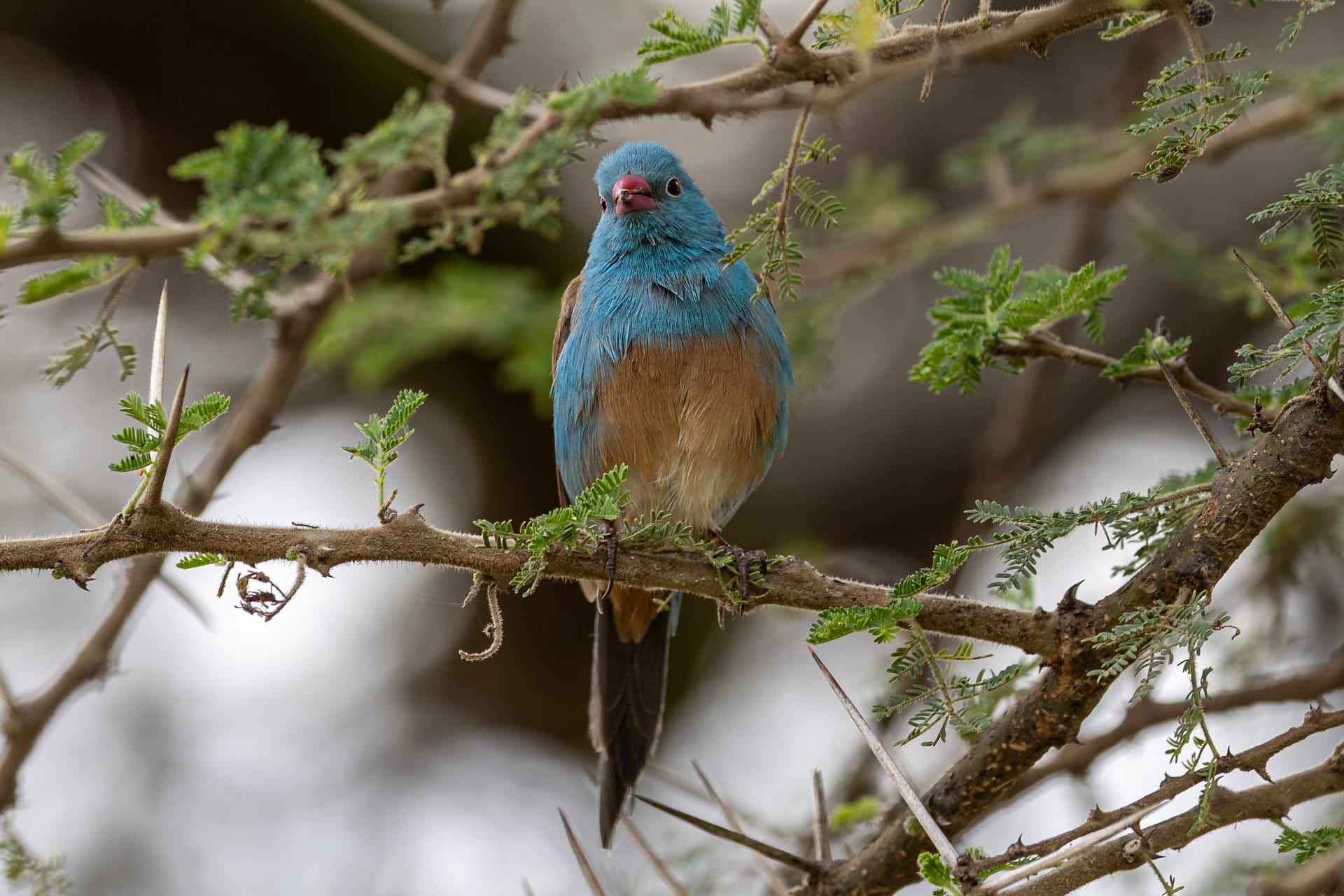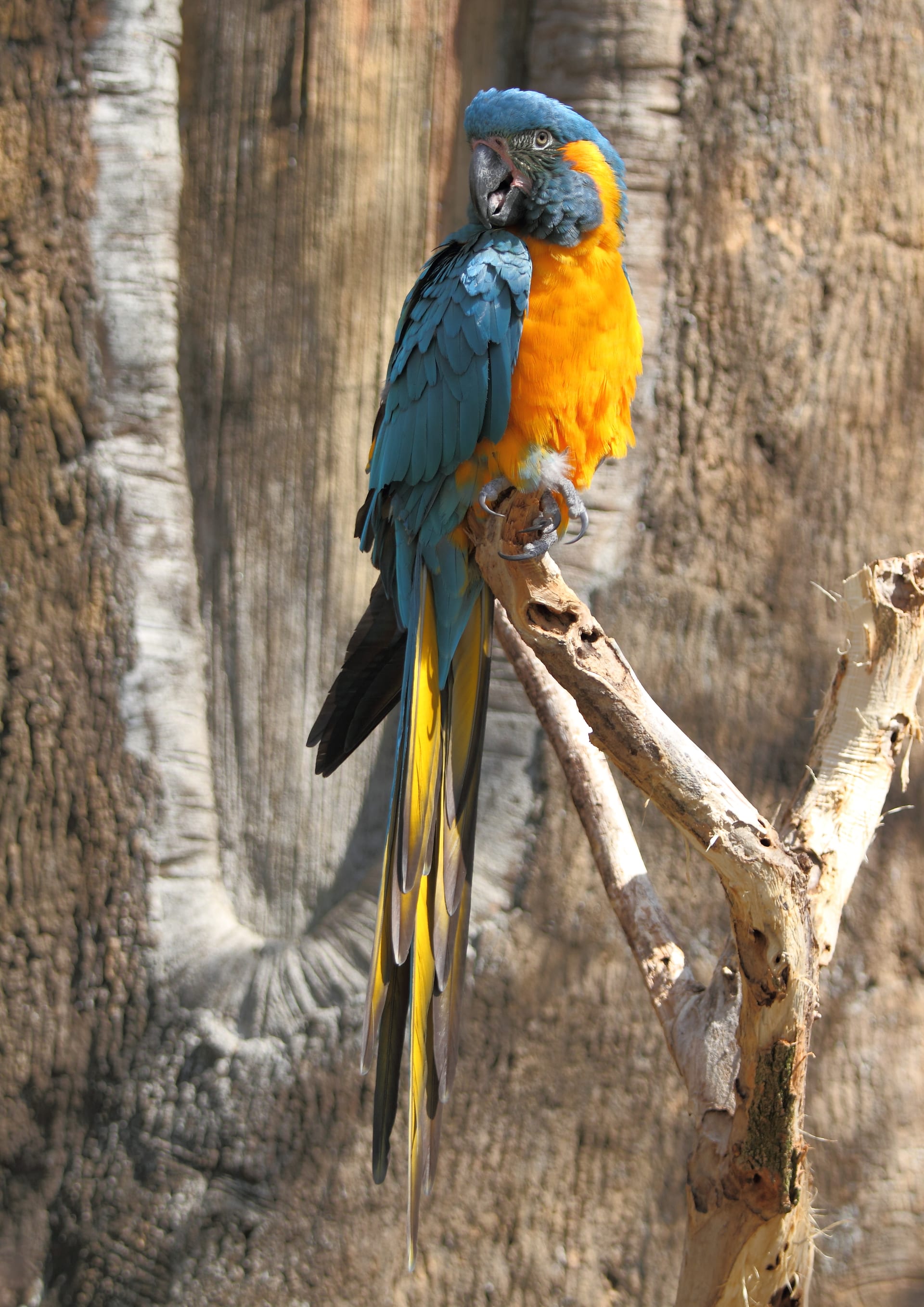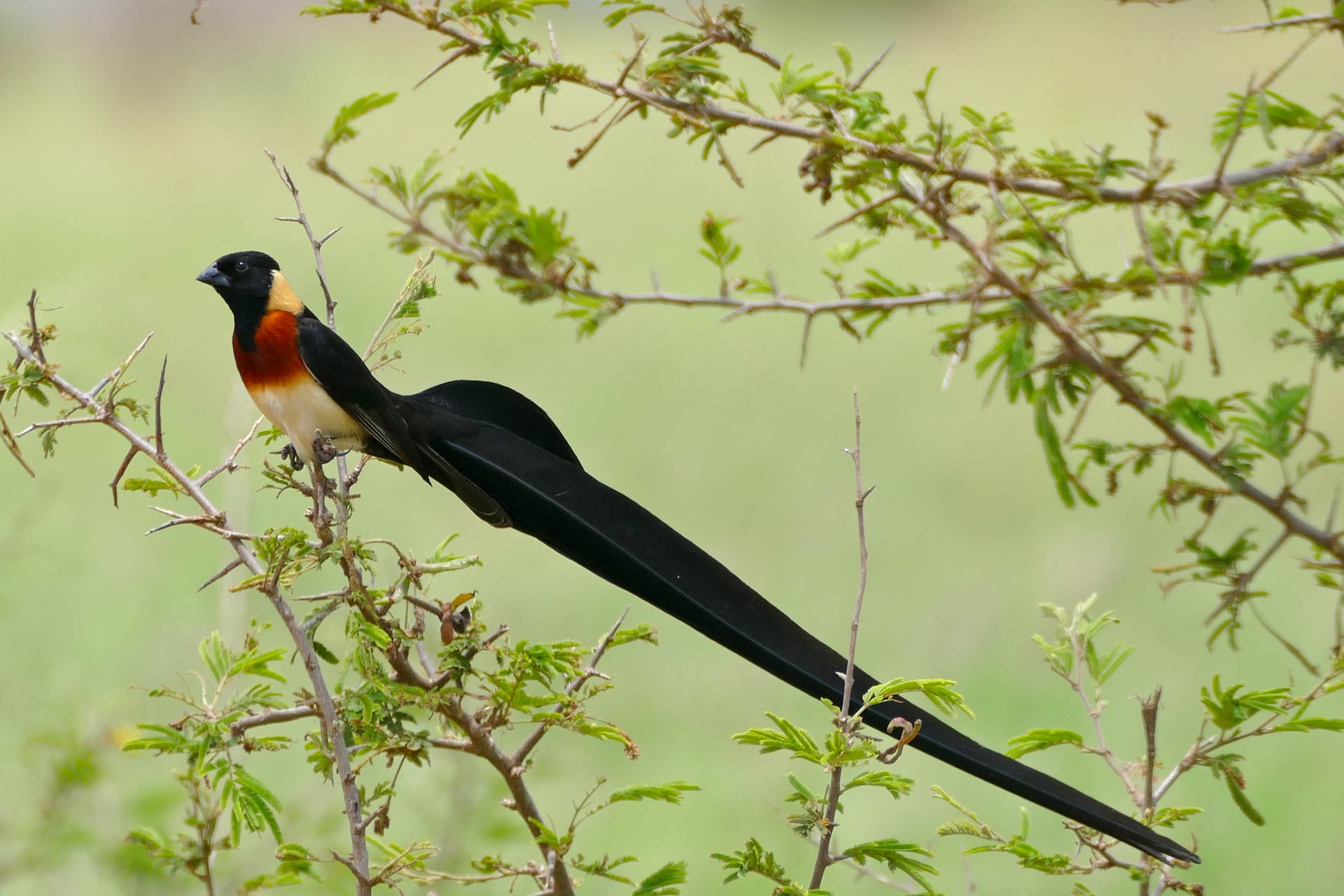
Source: Wikimedia Commons
Long-tailed Paradise Whydah
AdvancedVidua paradisaea
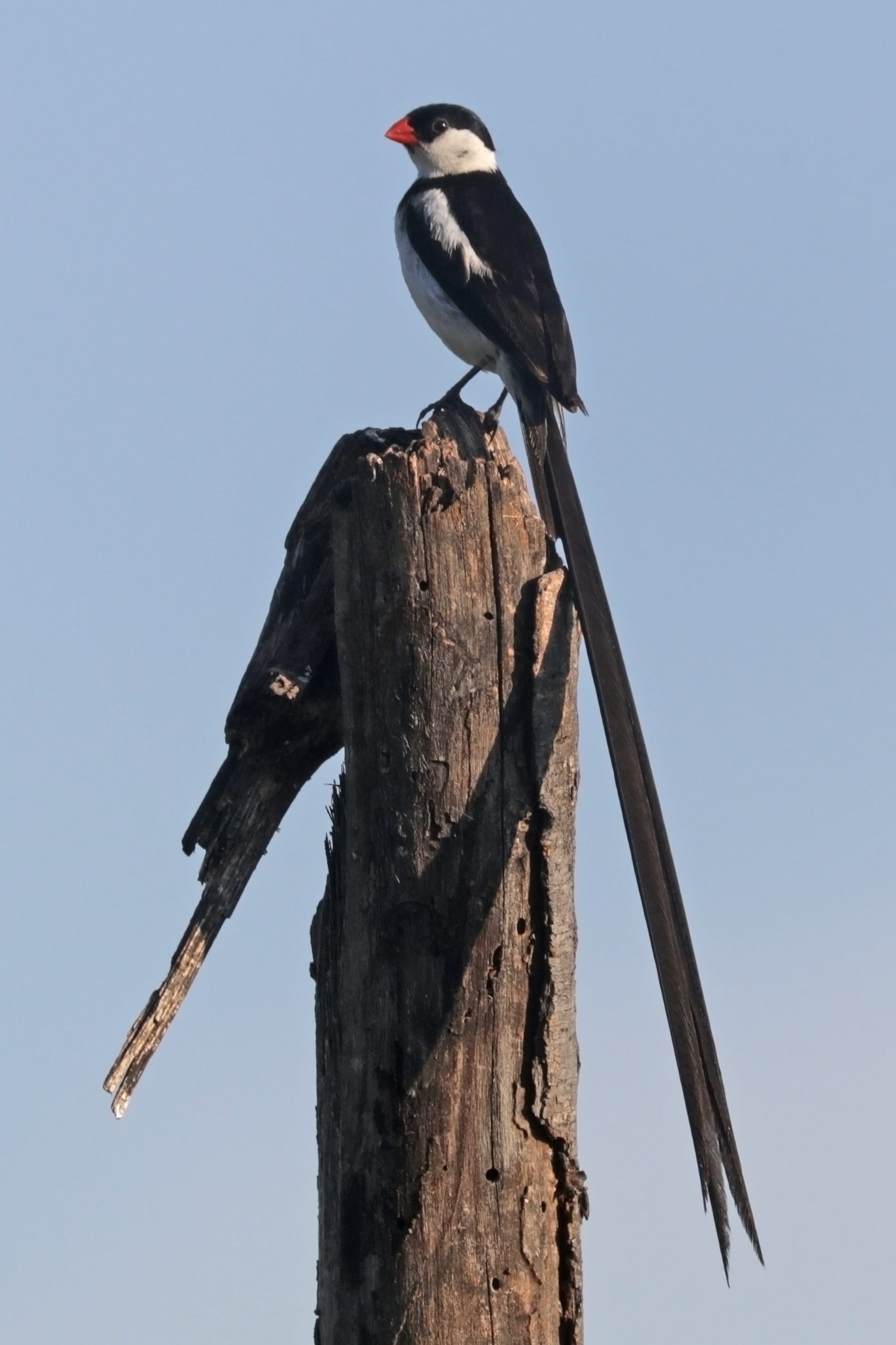
A whydah whose breeding male grows broad black tail feathers over 36 cm long, with a black head and back, a rusty breast and a buffy-yellow nape. It is known for parasitising the green-winged pytilia.
Difficulty
Advanced
Temperature
15〜30℃
Lifespan
5-8 years
Size
About 13cm, the breeding male's tail feathers exceeding 36cm
Humidity
40〜60%
Diet
Mixed seed, spray millet, greens, small livefood
About
The long-tailed paradise whydah (Vidua paradisaea) is a bird of grassland, savanna and open woodland in Africa. The breeding male has a black head and back, a rusty breast, a bright buffy-yellow nape and a white abdomen. In non-breeding plumage males are hard to tell from females, being mostly browner with black stripes on the crown and black parts on the face. Females have a grey bill and greyish-brown feathers with blackish streaks, and whiter undertail feathers. The birds usually stay away from surface water. It is a brood parasite: it builds no nest and lays in the nests of other songbirds, adding its eggs without destroying the host's. Its primary hosts are estrildid finches, in particular the green-winged pytilia. Males mimic the songs of their host and females prefer males raised by the same host, and where that preference breaks down hybrids with related paradise whydahs can occur.
Source: Wikipedia (CC BY-SA 4.0)
Lifespan of the Long-tailed Paradise Whydah
The Long-tailed Paradise Whydah lives 5-8 years.
Size of the Long-tailed Paradise Whydah
The Long-tailed Paradise Whydah grows to About 13cm, the breeding male's tail feathers exceeding 36cm.
It is about 13 cm long and weighs around 21 g, but the breeding male's broad elongated black tail feathers can exceed 36 cm.
Basic Info
Origin
Grassland, savanna and open woodland in Africa, often in bushed grassland around cultivation
Lifespan
5-8 years
Care Specifications
Semi-aggressiveGroupBreeding: Very hard
References & Sources
Edited & verified by: BreederDirect editorial team
The taxonomic, regulatory, and husbandry data on this page are compiled and verified against the authoritative primary sources below.
Taxonomy & Authority
Accepted name: Vidua paradisaea (Linnaeus, 1758)
Synonyms: Emberiza paradisaea
Authority databases: GBIF
Nomenclature follows global taxonomic authority databases.
Regulations & Conservation Status
Not CITES-listedIUCN LC · Least Concern
Vidua paradisaea. The family Viduidae is not listed in the CITES Appendices, so this species is not covered. The IUCN assesses it as Least Concern.
Sources: CITES Appendices (Viduidae not listed) / IUCN Red List
Regulations may change. Always verify the latest information with the relevant authorities.
Long-tailed Paradise Whydah Listings
Loading latest listingsFind listings for this species