Source: Wikimedia Commons
Lavender Waxbill
IntermediateGlaucestrilda caerulescens
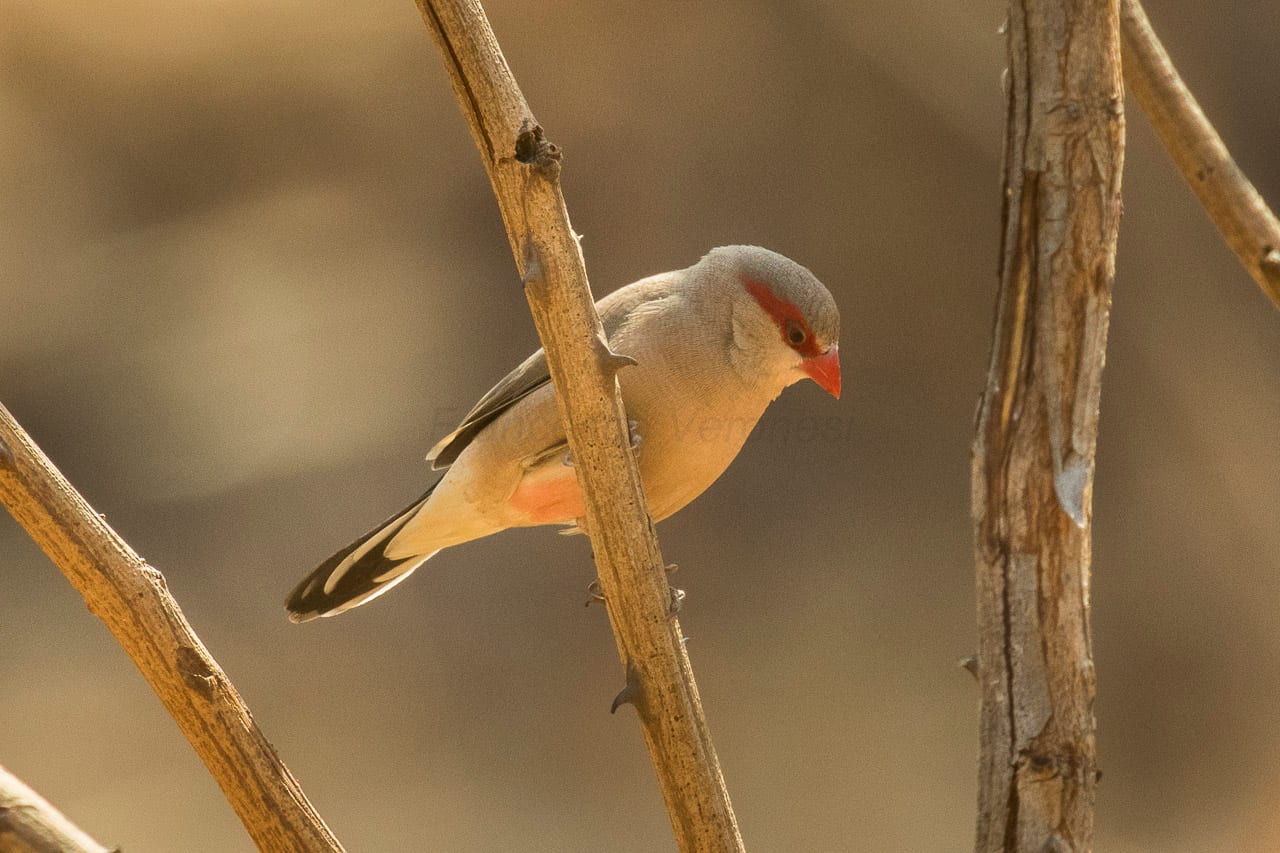
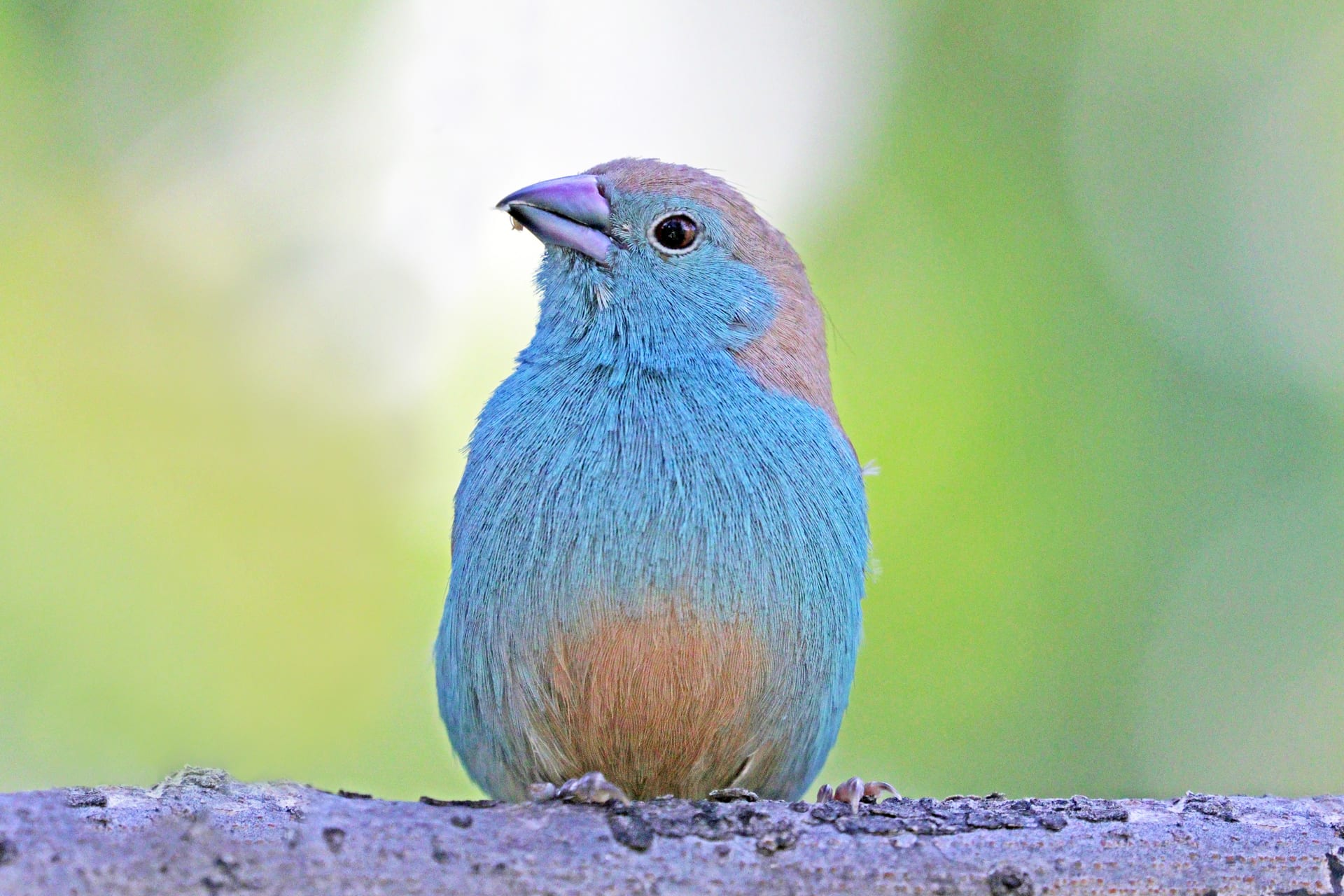
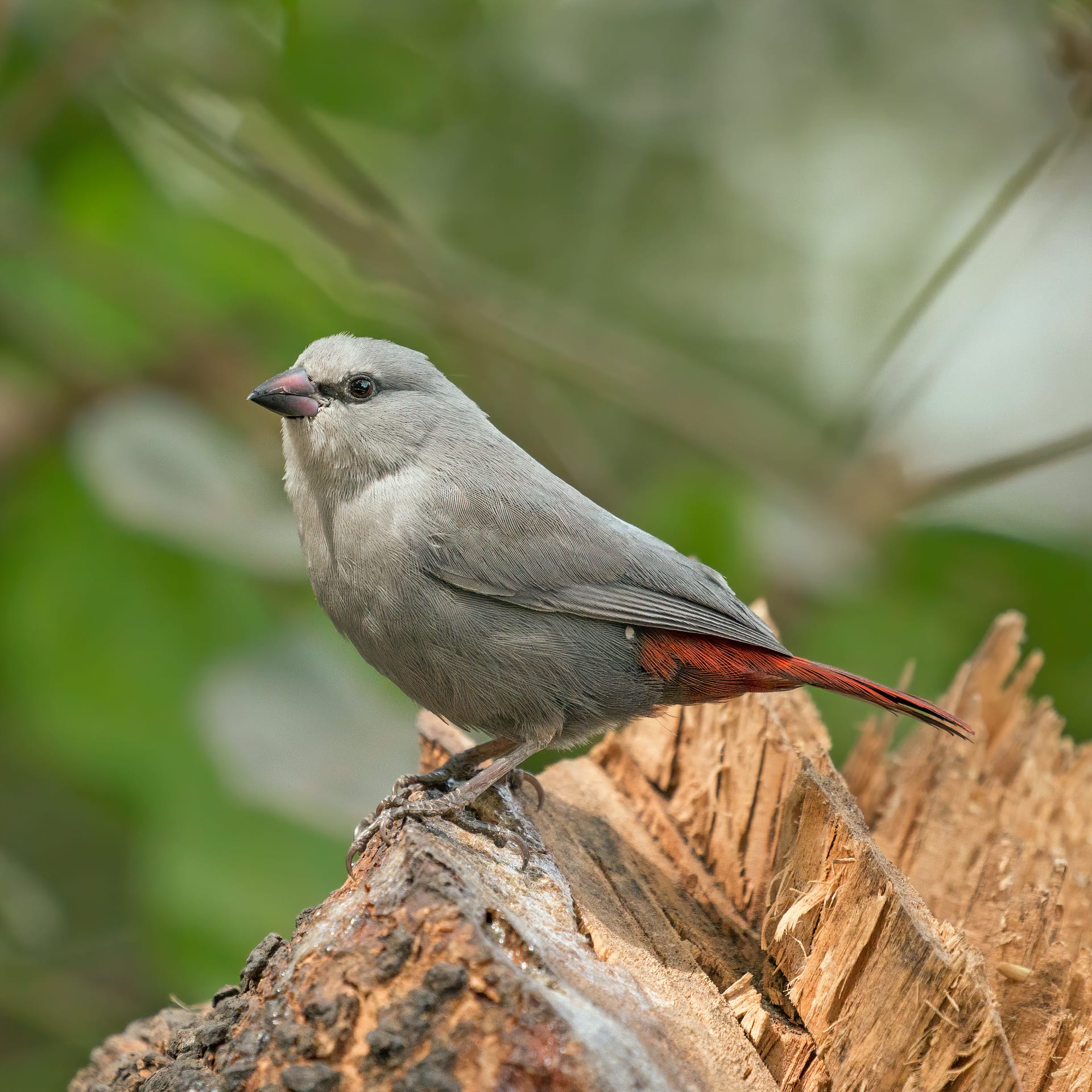
A West African estrildid clothed in soft blue-grey with a red rump and tail and white spots along the flanks. Extremely active, it needs plenty of flying space.
Difficulty
Intermediate
Temperature
15〜30℃
Lifespan
5-8 years
Size
About 10cm
Humidity
40〜60%
Diet
Mixed seed, spray millet, greens, small livefood
About
The lavender waxbill (Glaucestrilda caerulescens) is an estrildid finch of dry shrubland in West and Central Africa. The body is a uniform soft blue-grey, becoming slightly paler towards the head, with a black belly and a red rump, tail and undertail coverts. Most individuals show a row of white spots on the dark grey rear flanks, formed by white marks near the feather tips. The bill is reddish with a black tip and the legs are pale brown; juveniles are duller with a black bill. It has been introduced and established on Hawaii island. It appears in the bird trade fairly regularly, but its extreme activity means it needs a spacious aviary. Observations in aviaries holding fifty to sixty estrildids show that lavender waxbills recognise every other occupant individually, an ability also documented in the wild.
Source: Wikipedia (CC BY-SA 4.0)
Lifespan of the Lavender Waxbill
The Lavender Waxbill lives 5-8 years.
Size of the Lavender Waxbill
The Lavender Waxbill grows to About 10cm.
It is about 10 cm long and weighs 6.7-9.2 g, making it one of the smaller estrildids.
Basic Info
Origin
Dry shrubland of West and Central Africa (Senegal to Nigeria, Chad and Sudan), introduced to Hawaii island
Lifespan
5-8 years
Size
About 10cm
Care Specifications
References & Sources
Edited & verified by: BreederDirect editorial team
The taxonomic, regulatory, and husbandry data on this page are compiled and verified against the authoritative primary sources below.
Taxonomy & Authority
Accepted name: Glaucestrilda caerulescens (Vieillot, 1817)
Synonyms: Estrilda caerulescens
Authority databases: GBIF
Nomenclature follows global taxonomic authority databases.
Regulations & Conservation Status
Not CITES-listedIUCN LC · Least Concern
Glaucestrilda caerulescens. The family Estrildidae is not listed in the CITES Appendices, so this species is not covered. The IUCN assesses it as Least Concern.
Sources: CITES Appendices (Estrildidae not listed) / IUCN Red List
Regulations may change. Always verify the latest information with the relevant authorities.
Lavender Waxbill Listings
Loading latest listingsFind listings for this species