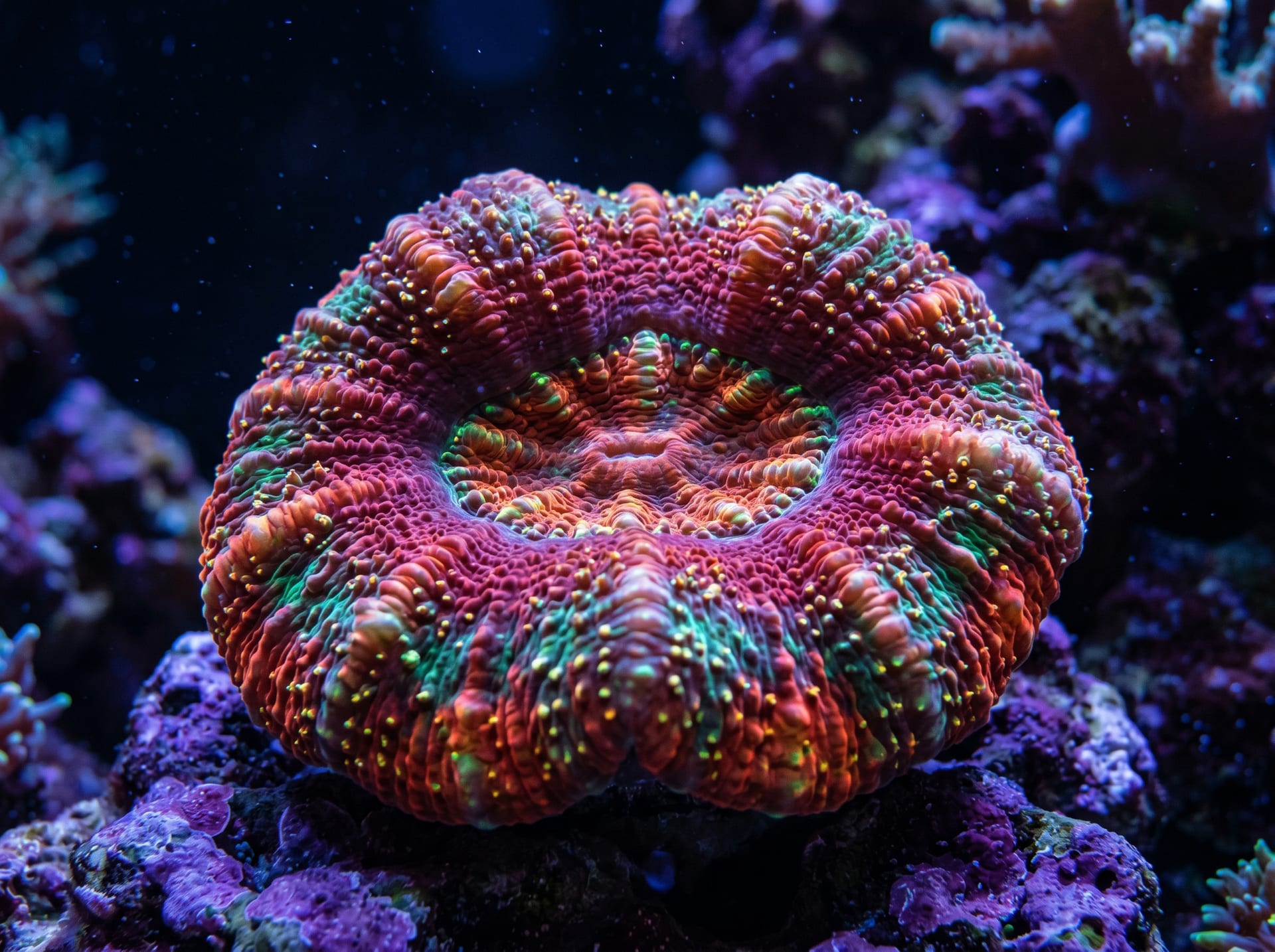
Acanthophyllia (Meat Coral)
Acanthophyllia is a large-polyp stony (LPS) coral that grows as a single, massive polyp. Its vivid colors — red, green, blue, and more — combined with its fleshy tissue that swells dramatically have earned it the nickname "Meat Coral." Watching it shift between its puffed-up and contracted states is one of its main appeals, and as a solitary coral it works well as a centerpiece in a reef layout. With a lifespan of 10 years or more, it can be a long-term companion in your tank. It's generally considered suited to intermediate keepers, so some prior experience managing water quality and lighting helps keep it thriving.
View Acanthophyllia (Meat Coral) encyclopedia →0% commission on your first sales!Register by September 30, 2026 and your first 2 sales are commission-free!
Breeder Wanted!
List on BreederDirect and sell directly to customers nationwide!
Br-Choku's 6 Transparency Standards
Our Breeder sellers disclose detailed care specs for all Coral listings. We prioritize Aquacultured/CB specimens, verify WYSIWYG photos, and provide difficulty ratings—avoiding wild-caught.
- Aquacultured
- WYSIWYG Photo
- Difficulty Disclosed
- Frag/Colony
- Care Info Included
- Trade name shown
Browse all 66 breeds
Difficulty
No listings match your filters
Adjust your filters, or get notified when new listings arrive.
Getting alerts is free with a member account. When new listings match your saved search, we'll notify you by email and in-app.
Browse other categories
Verified breeders (preview)
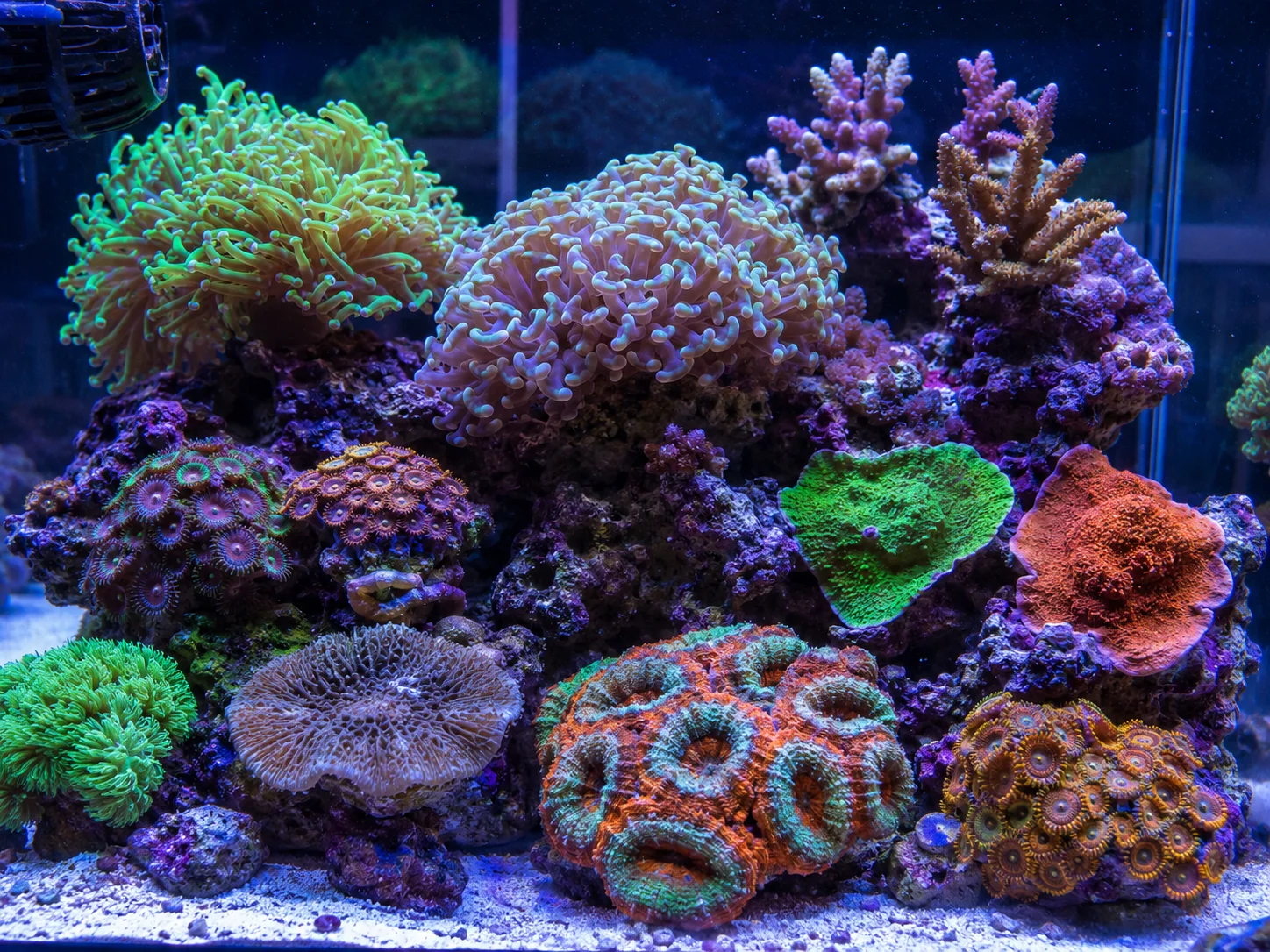
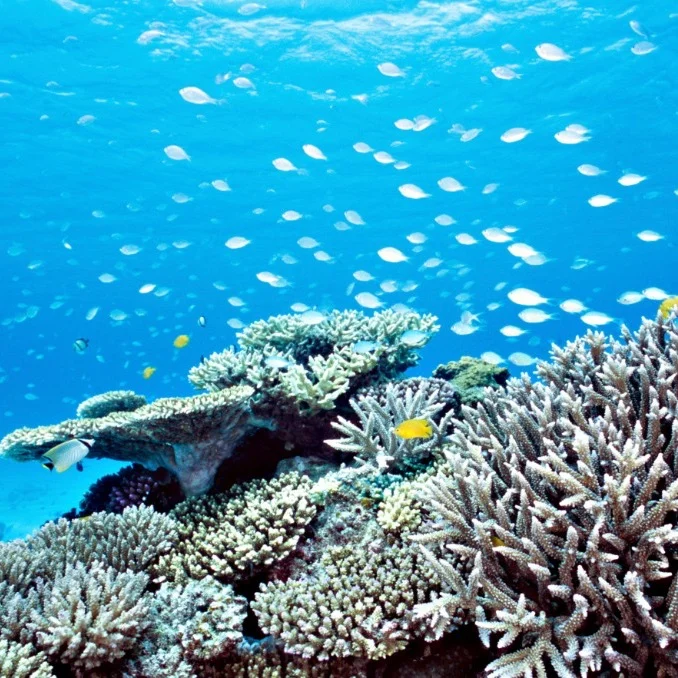
About Acanthophyllia (Meat Coral)
Acanthophyllia, the "Meat Coral," is an LPS coral known for its single massive polyp, vivid colors, and dramatic tissue swelling. It lives 10+ years and suits intermediate keepers.
7 things to know before welcoming a Acanthophyllia (Meat Coral)
1A Single Large Polyp
Acanthophyllia doesn't form colonies — it grows as a single, large polyp reaching about 10 to 20 cm at full size. Unlike colonial corals that spread over time, it stays as one distinct organism, making it easy to feature as a standalone focal point in your layout.
2Best Placed on the Sand Bed
Because its fleshy tissue expands significantly, it needs plenty of open space around it. It's best placed alone on the sand bed rather than wedged between rockwork, where it could touch other corals. Leave enough clearance to account for how large it gets when fully inflated.
3Changing Looks: Inflated vs. Contracted
Its appearance changes dramatically depending on the time of day and conditions — tissue expands fully during the day and contracts at night or when disturbed. It may arrive looking shrunken, but it typically puffs up more as it settles into its new environment.
4Moderate Light and Flow
Overly strong lighting or water flow can stress its tissue, so it tends to prefer somewhat gentler conditions than many hardier LPS corals. After placement, watch how well it expands and how its color develops, then adjust light and flow accordingly.
5Feeding Supports Condition
As with other LPS corals, direct feeding — not just nutrient uptake — helps support its overall health. Offering small pieces of food to its mouth while the tissue is well expanded tends to make it easier for the coral to take in.
6Check the Skeleton, Too
Before bringing one home, it's worth checking not just the tissue's color and how well it expands, but also the condition of the underlying skeleton for chips or damage. A stable skeleton base contributes to easier long-term care down the road.
7A Long-Term Companion
With a lifespan of 10 years or more, it can be enjoyed for the long haul once its environment is stable. While generally considered suited to intermediate keepers, it also makes a good next step for those who've grown comfortable managing water quality and lighting.
Frequently asked questions about Acanthophyllia (Meat Coral)
- Q.Is Acanthophyllia regulated under CITES?
- A.Acanthophyllia is not regulated under CITES, so there's no special procedure to be concerned about in that regard.
- Q.Can it be placed near other corals?
- A.Since its tissue expands significantly, it's best kept well away from other corals to avoid contact. Placing it alone on the sand bed is generally the best approach.
- Q.Is it a problem if it looks shrunken right after arrival?
- A.It's not unusual for it to appear contracted right after transport, and it often begins to expand more as it acclimates to its new environment. Give it some time and observe how it responds.
- Q.Should I feed it directly?
- A.As with other LPS corals, direct feeding is generally thought to help support its health. Offering small pieces of food while the tissue is well expanded tends to work well.
- Q.Is this coral suitable for beginners?
- A.Acanthophyllia is generally considered suited to intermediate keepers. It's best suited to those with some prior experience managing water quality and lighting.
Useful tools for Acanthophyllia (Meat Coral) care
Learn more about Acanthophyllia (Meat Coral) in the encyclopedia
View Acanthophyllia (Meat Coral) encyclopedia entry →
Care difficulty, lifespan, size and diet — all basics covered.
Acanthophyllia (Meat Coral) related articles
See more Acanthophyllia (Meat Coral) articles →More in this category
Can't find the one you're looking for?
Post your wishes for free and breeders with matching animals will contact you with introductions.