Acanthastrea
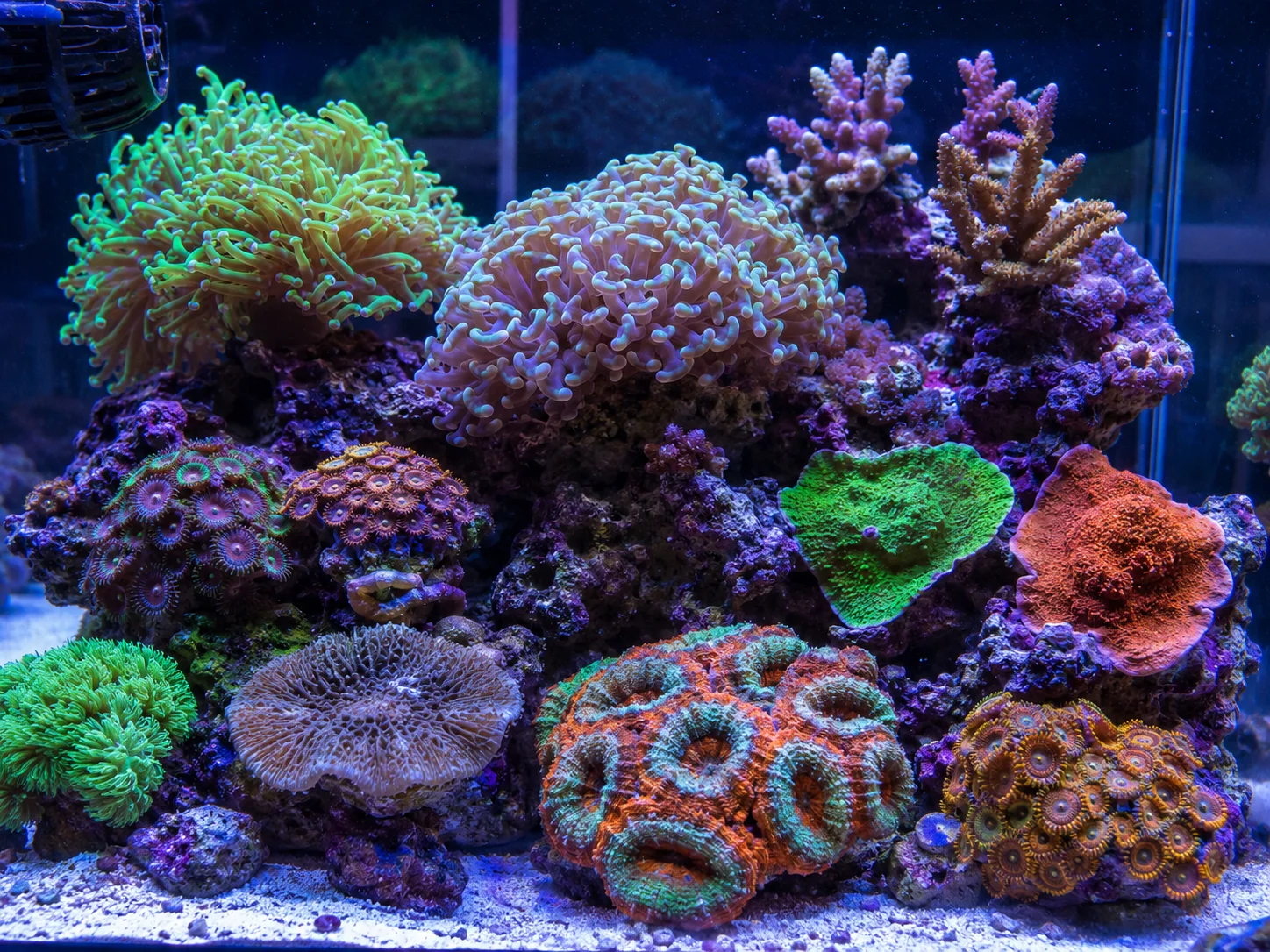
Acanthastrea is a large-polyp stony (LPS) coral prized for its thick, fleshy polyps and vivid, metallic coloration. Each polyp has real presence, giving it a bold, eye-catching look in any reef tank. It thrives primarily on photosynthesis but also accepts liquid foods, which is why it's considered beginner-friendly. Color and pattern vary widely from specimen to specimen, making it fun to compare and pick a favorite. At night it extends sweeper tentacles to probe its surroundings, so a bit of thought about spacing from neighboring corals goes a long way with this fascinating species.
View Acanthastrea encyclopedia →0% commission on your first sales!Register by September 30, 2026 and your first 2 sales are commission-free!
Breeder Wanted!
List on BreederDirect and sell directly to customers nationwide!
Br-Choku's 6 Transparency Standards
Our Breeder sellers disclose detailed care specs for all Coral listings. We prioritize Aquacultured/CB specimens, verify WYSIWYG photos, and provide difficulty ratings—avoiding wild-caught.
- Aquacultured
- WYSIWYG Photo
- Difficulty Disclosed
- Frag/Colony
- Care Info Included
- Trade name shown
Browse all 66 breeds
Difficulty
No listings match your filters
Adjust your filters, or get notified when new listings arrive.
Getting alerts is free with a member account. When new listings match your saved search, we'll notify you by email and in-app.
Browse other categories
Verified breeders (preview)
About Acanthastrea
Acanthastrea is an LPS coral with thick, fleshy polyps in vivid metallic colors. Beginner-friendly and mostly photosynthetic, it reaches 5-20cm and can live 10+ years with proper care.
7 things to know before welcoming a Acanthastrea
1Placement & Water Flow
Acanthastrea doesn't like strong direct water flow, so place it somewhere the current is gentle rather than blasting the polyps. Moderate lighting is enough for good coloration, so mid-to-lower positions in the tank usually work well.
2Space From Other Corals
At night, Acanthastrea extends long sweeper tentacles that can sting corals placed too close. Give it plenty of space from neighbors, especially in smaller tanks where corals tend to sit near each other.
3Feeding For Extra Vigor
It can survive on photosynthesis alone, but occasional liquid food often improves polyp extension and color. Start with small amounts, since overfeeding can degrade water quality.
4Every Coral Looks Different
Metallic coloration and patterning vary a lot between individual specimens, so no two look exactly alike. Part of the enjoyment is comparing colors and patterns to find one you love.
5Keep Water Parameters Stable
Sudden swings in water quality or temperature stress this coral, so keep water changes and top-offs small and frequent rather than large and occasional. Stable parameters matter more than any single ideal number.
6Watch For Health Signs
Signs like poor polyp extension, fading color, or excess mucus can indicate stress or illness. Knowing what your coral normally looks like makes it easier to catch problems early.
7Acclimating After Arrival
After bringing it home, acclimate gradually — drip acclimation works well — before placing it in the display tank, to reduce stress from the sudden change in water parameters. It's normal for polyps to stay closed for a few days after arrival, so don't be alarmed right away.
Frequently asked questions about Acanthastrea
- Q.Is Acanthastrea suitable for beginners?
- A.It's generally classified as beginner-friendly, since it can be kept mainly through photosynthesis, making it easier to manage than many other LPS corals. Still, stable water quality is essential.
- Q.How large does it grow?
- A.Mature specimens typically reach around 5 to 20cm. Growth rate and final size vary depending on the individual and tank conditions.
- Q.How long does it live?
- A.With proper care, it can live 10 years or more. Maintaining stable, well-managed tank conditions over the long term is key.
- Q.Does it need to be fed?
- A.Feeding isn't strictly necessary since it can live on photosynthesis, but occasional liquid food can improve polyp extension and color. If you do feed it, start with small amounts.
- Q.Can it be kept with other corals?
- A.Yes, it can be kept alongside other corals, but its sweeper tentacles extend at night and can sting nearby corals. Be sure to leave adequate spacing between it and its neighbors.
Useful tools for Acanthastrea care
Learn more about Acanthastrea in the encyclopedia
View Acanthastrea encyclopedia entry →
Care difficulty, lifespan, size and diet — all basics covered.
Acanthastrea related articles
See more Acanthastrea articles →More in this category
Can't find the one you're looking for?
Post your wishes for free and breeders with matching animals will contact you with introductions.