Tropical Fish Tank Layout Techniques | Creating Beautiful Aquascapes Even for Beginners
Learn how to layout a tropical fish tank as a beginner. We explain how to create triangular and concave compositions, techniques for placing rocks, driftwood, and aquatic plants, and easy-to-maintain setups.
Key Takeaways
Learn how to layout a tropical fish tank as a beginner. We explain how to create triangular and concave compositions, techniques for placing rocks, driftwood, and aquatic plants, and easy-to-maintain setups.
Related Species
The lush green aquatic plants spreading throughout the tank, the natural landscape woven by rocks and driftwood, and the graceful tropical fish swimming through it all—the true essence of aquarium keeping lies in the "aquascape." However, many beginners wonder if it's difficult without a natural sense of design, or simply don't know where to start.
In fact, there are clear "principles" to tank layout. If you master the basic composition and how to use materials, even beginners can create surprisingly beautiful aquascapes. This article systematically explains everything from choosing the right composition, techniques for arranging materials and aquatic plants, to maintenance strategies for keeping your tank beautiful long-term—all with practical knowledge current as of 2026.
3 Basic Aquascape Compositions
The most important factor determining the success of your layout is "choosing the composition." Simply learning the 3 basic compositions that professional aquascapers have systematized from years of experience will dramatically improve your tank's overall appearance.
Triangular Composition
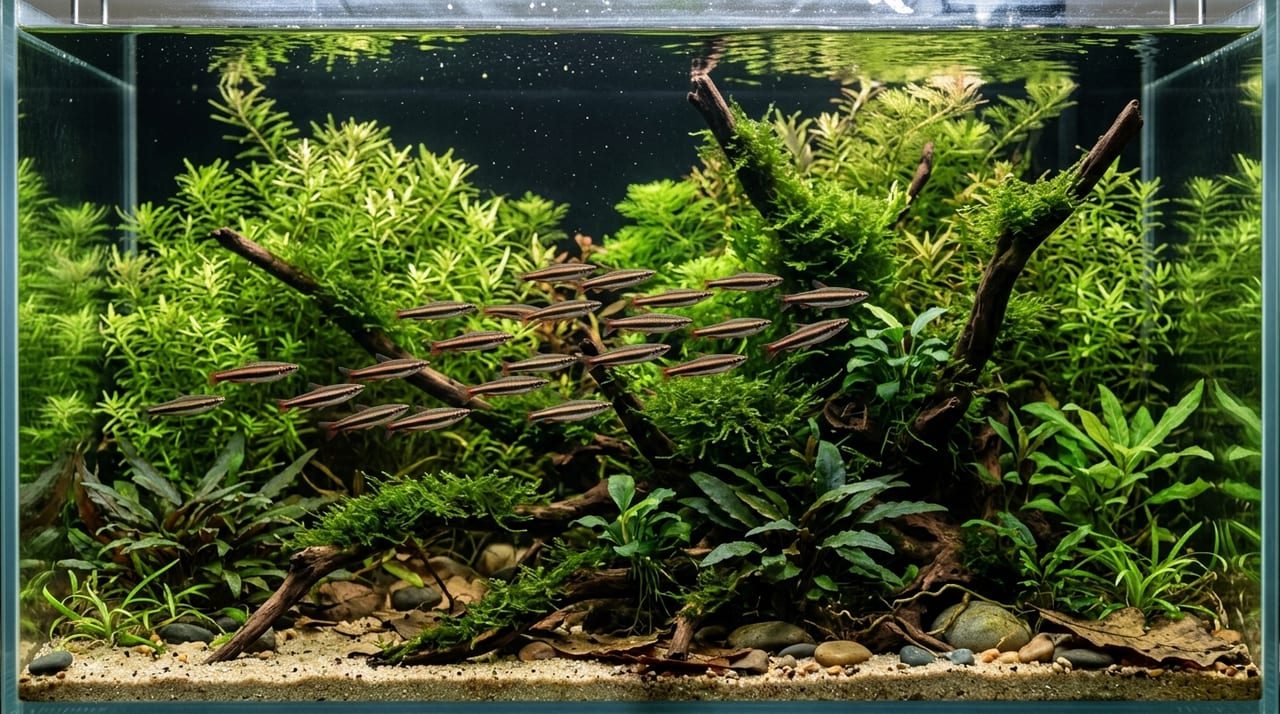
This composition places tall materials on either the left or right side of the tank and gradually slopes them lower toward the opposite side. The height difference creates natural depth and visual flow, guiding the eye naturally throughout the tank. This is the most recommended composition for beginners because it's easy to balance even with fewer materials. Since it works well whether rocks or driftwood are the main focus, it's highly versatile.
Concave Composition
This composition places tall materials at both ends of the tank while keeping the center low. Creating "walls" on the sides adds depth to the space, making the fish swimming in the open center area stand out beautifully. It's especially effective when you want ornamental tropical fish to be the main focus. However, achieving left-right balance can be slightly challenging, so you need to be intentional about matching the height and amount of materials.
Convex Composition
This composition places the tallest materials in the center and gradually slopes them lower toward both sides. It's the most dramatic of the three and ideal for dynamic layouts featuring large driftwood or rocks as the main focal point. However, since the visual weight tends to concentrate in the center, which can make it look monotonous, you need to add variation to the left and right sides.
How to Choose and Arrange Rocks and Driftwood: Essential Rules
How you choose rocks and driftwood—the foundation of your aquascape—greatly impacts the final result. The key to making it look sophisticated is balancing "cohesion" with "natural irregularity."
How to Choose Rocks
- Use only one type of rock: Mixing multiple types of rocks in your tank creates a scattered impression. The rule is to stick with one type—such as Ohko stone, ADA-style lava rock, or porous stone.
- Use an odd number of rocks: Using 3, 5, or 7 rocks creates better balance and a more natural appearance than even numbers.
- Decide on your "primary stone" first: Determine which is your largest and most prominent stone and position it as the focal point. Then arrange progressively smaller "secondary stones" and "accent stones" around it.
How to Choose Driftwood
- Branching driftwood creates better three-dimensionality and is easier for aquatic plants to attach to, making it beginner-friendly.
- Choose pre-treated driftwood to reduce the risk of water yellowing. If untreated, soak it in a bucket for several days before use.
- When combining rocks and driftwood, designate one as the "main focus" and use the other as a supporting element for a cleaner composition.
Arrangement Steps
- Slope your substrate (soil or gravel) lower in front and higher in back to create depth.
- Position your primary stone or main driftwood piece and establish your composition.
- Fill natural gaps with secondary and accent stones.
- Blend seams with small stones and sand, and reserve space for planting.
How to Choose Aquatic Plants and Planting Techniques
Dividing aquatic plants into 3 zones—"foreground, midground, and background"—creates a three-dimensional layout with depth. Selecting plants suited to each zone is the key to success.
Foreground Plants (Front, Low)
Glossostigma and Dwarf Baby Tears are classic foreground plants that spread across the substrate to create a "green carpet." With CO2 supplementation and adequate lighting, they're easy for beginners to grow and look stunning as the foundation of your aquascape. Keeping the foreground low creates striking contrast with the background.
Midground Plants (Middle Zone)
Anubias Nana and Bucephalandra, which attach to rocks and driftwood, grow slowly and require minimal maintenance once positioned. Cryptocorynes develop strong root systems and help anchor the substrate. Choose midground plants with "integration with materials" in mind for a more natural appearance.
Background Plants (Back, High)
Tall plants like Rotala, Vallisneria, and Ludwigia are ideal for filling the background and creating depth. While they grow quickly and require regular trimming, they also absorb excess nutrients in the tank.
Planting Tips
- Don't plant too densely; allow space for plants to spread as they grow.
- Group same species together for a cohesive look.
- Pairing plants with similar growth rates helps maintain balance.
Maintenance and Management Tips for Long-Lasting Beauty
Creating a beautiful layout is only the first step—without proper maintenance, your aquascape will quickly deteriorate. Making daily care and regular maintenance a habit is the secret to keeping your tank beautiful long-term.
- Design for easy cleaning: Leave some open space at the front of your tank to make substrate cleaning and algae removal easier.
- Make weekly water changes (1/3 of tank volume) your basic routine. Stable water conditions promote healthy plant growth.
- Trim early and often: When background plants grow too tall, they shade foreground and midground plants, disrupting overall plant balance.
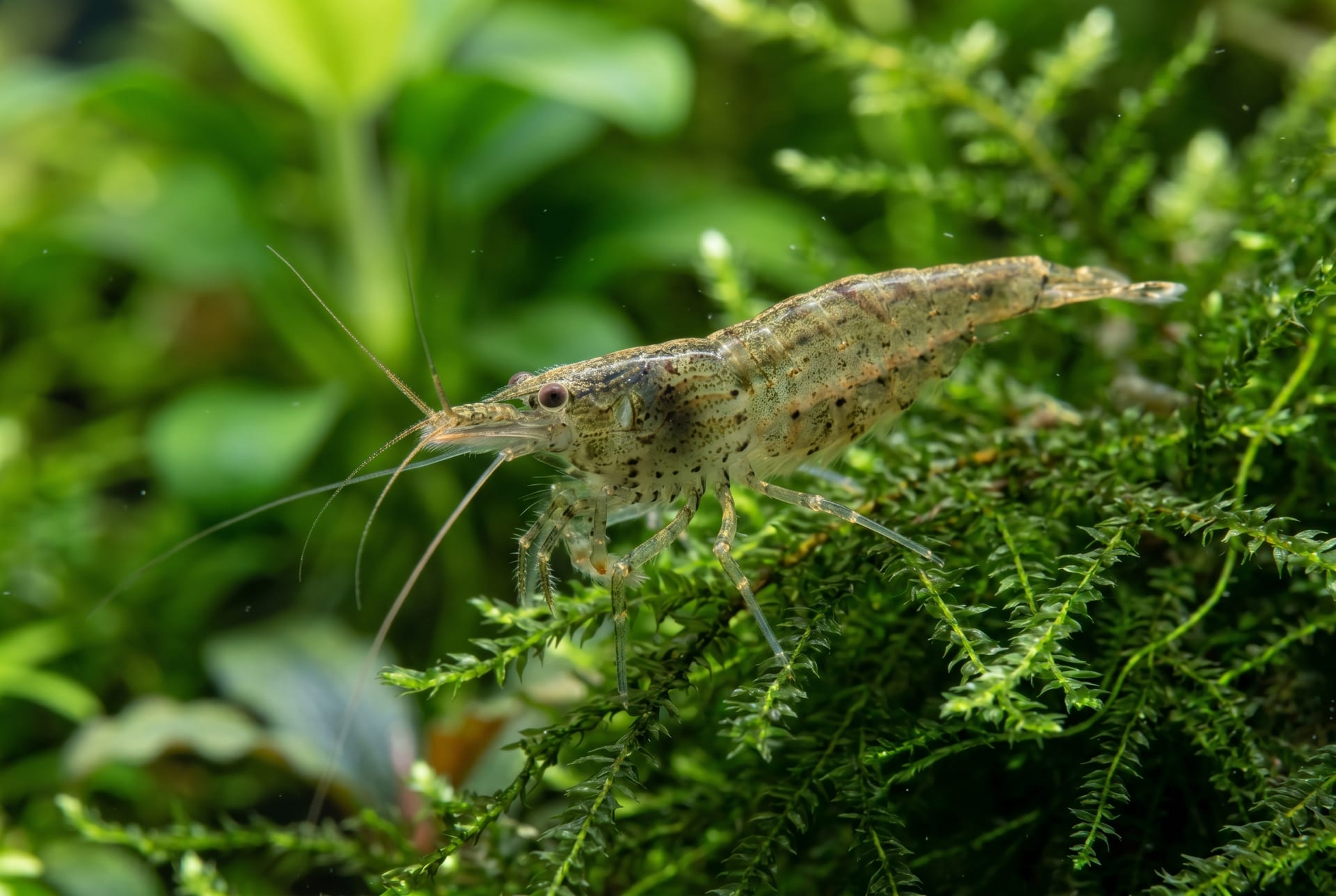
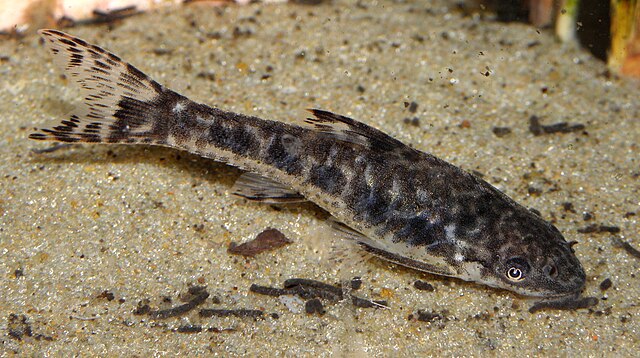
- Use algae-eating livestock like Otocinclus and Amano Shrimp to manage algae. They eat algae daily, keeping glass and driftwood clean.
- Maintain lighting for 8-10 hours per day, using a timer to ensure consistent light levels.
Conclusion | Tank Layout Isn't Difficult When You Master the Basics
Tank layout is an art form combining three elements: composition, materials, and plants. Choose from the three basic compositions—triangular, concave, and convex—establish your structure with cohesive rocks and driftwood, and plant appropriate species for each zone. Once you experience this process, your own unique style will gradually emerge.
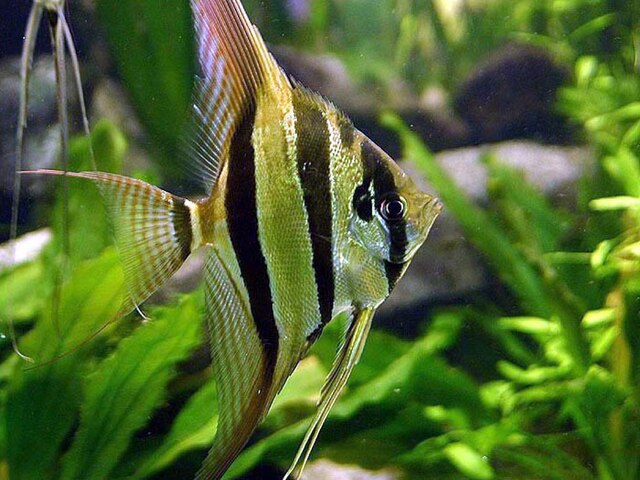
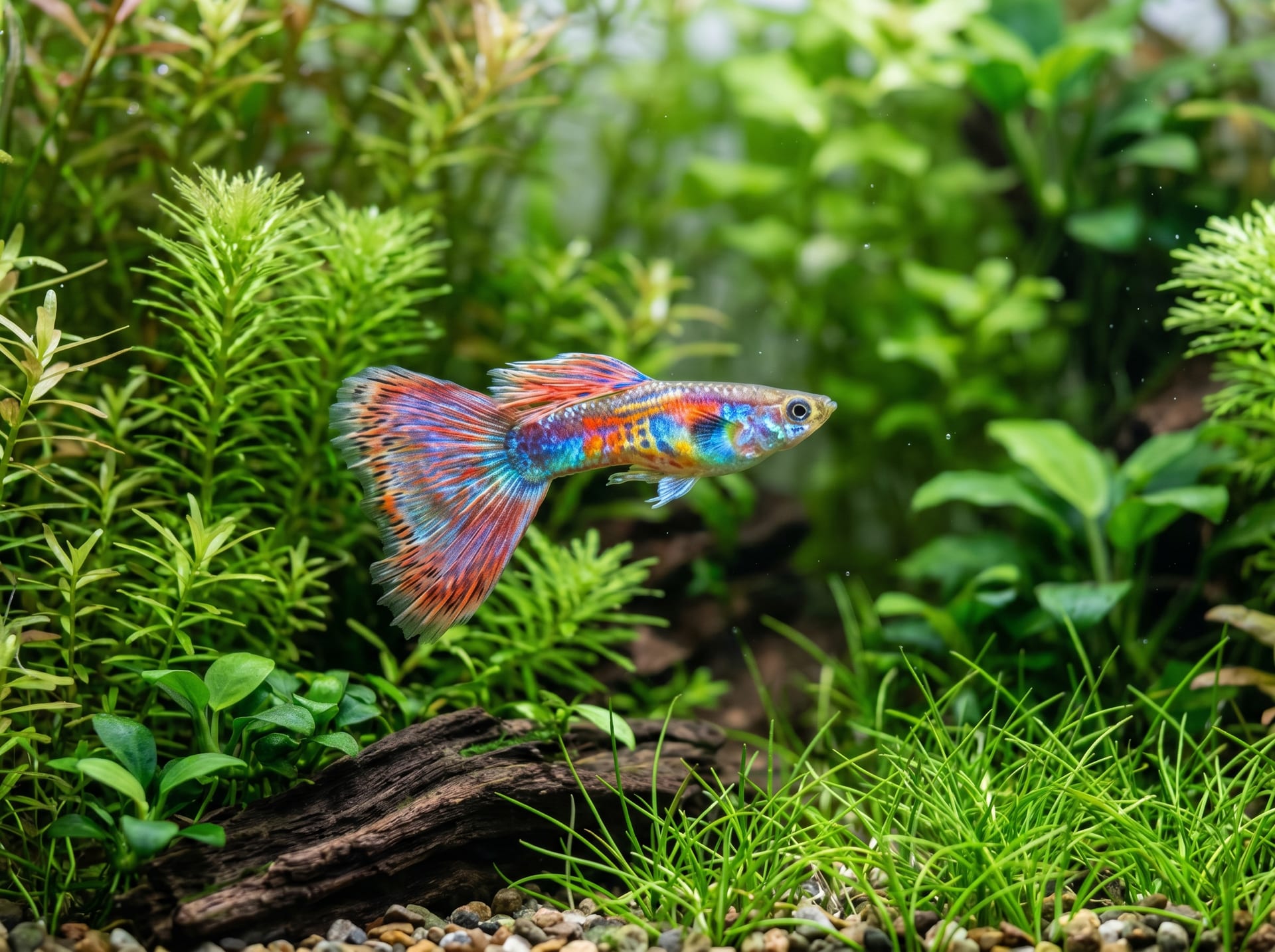
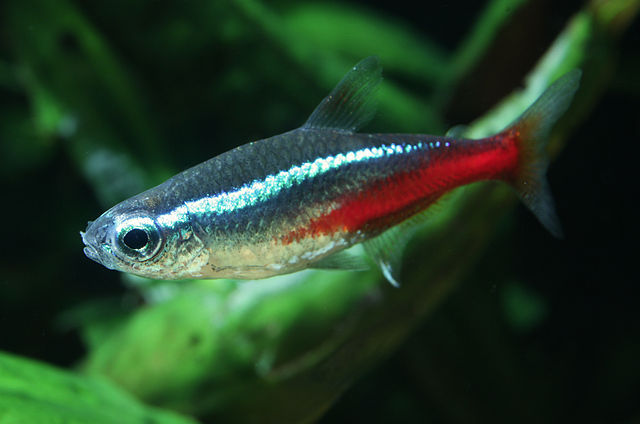
Another crucial element that elevates your layout's completion is "fish selection." Choosing fish that complement your aquascape—such as colorful Guppies, gracefully swimming Angelfish, or perfectly compatible Neon Tetras with plants—brings your entire tank to life.
BreederDirect allows you to purchase healthy tropical fish raised with care directly from breeders. Since there are no intermediaries, you can directly confirm the fish's health status and history, welcoming them with confidence. Please find the perfect fish to bring your ideal aquascape to life at BreederDirect.