A Beginner's Guide to Paludariums: Creating Naturalistic Terrariums That Blend Water and Land | ブリちょく
Tropical Fish| ✍️ BreederDirect Editorial
A Beginner's Guide to Paludariums: Creating Naturalistic Terrariums That Blend Water and Land
A beginner's guide to building a paludarium that recreates both aquatic and terrestrial ecosystems in a single tank. Covers substrate design, landscape formation, selecting aquatic plants and mosses, and key tips for co-habitation with tropical fish, frogs, and lizards.
Key Takeaways
A beginner's guide to building a paludarium that recreates both aquatic and terrestrial ecosystems in a single tank. Covers substrate design, landscape formation, selecting aquatic plants and mosses, and key tips for co-habitation with tropical fish, frogs, and lizards.
What is a Paludarium?
A Paludarium is derived from the Latin word "Palus," meaning "swamp" or "wetland." It's a layout that recreates a tropical rainforest waterside environment in a single container by establishing a water zone in the lower portion and a terrestrial zone with plants in the upper area.
✍️
BreederDirect Editorial
The BreederDirect editorial team specializes in care information for animals, covering veterinary care and breeding to deliver beginner-friendly guides.
Find Tropical Fish on BreederDirect
Buy directly from verified breeders
Browse Related Listings
Find Tropical Fish listings related to this article on BreederDirect. Buy directly from verified breeders.
Related Tools
Related Articles
Browse by Category
🪸Coral
🐠Marine Fish
🐟Tropical Fish
🐡Goldfish
🐟Medaka
🦎Reptiles
Share
It's sometimes called an "Aquaterrarium," combining elements of an Aquarium (aquatic) and a Terrarium (terrestrial). The greatest appeal is the ability to combine diverse organisms—not just fish, but also frogs, geckos, small chameleons, and crabs.
Choosing the Right Tank for a Paludarium
Vertical Tanks Are Essential
Since the space above the water surface (terrestrial and plant zone) is also important in a paludarium, a tank with vertical space is ideal.
30×30×45cm or larger in a vertical format is optimal for beginners
Transparent panels combined with reptile mesh cages are also an option
Hinged glass cages make feeding and maintenance easier
Setting the Water Level
The water level is typically set at 1/3 to 1/2 of the tank height. If too shallow, tropical fish cannot swim properly; if too deep, the terrestrial zone becomes cramped.
Terrestrial Substrate Materials
Foam Polystyrene + Floor Coating Method
The most popular sculpting method:
1. Shape foam polystyrene with a cutter to create rocks or cliff formations
2. Secure with aquarium-safe silicone sealant
3. Cover the surface with a coating agent made from cork bark, peat moss, and coconut husk charcoal
4. After complete drying, rinse and add organisms
Lava Rock and Pumice Stacking Method
Build a rocky landscape by adhering lava rock or pumice with silicone. This natural material is safe and provides good bacterial colonization.
Sump Stone (Ooyama Stone)
A simple method requiring no DIY—just stack beautiful pre-formed stones. Recommended for beginners.
Microsorum pteropus: Attaches to driftwood and stone, slow growth, easy maintenance
Willow moss: High attachment ability, thrives both submerged and at water's edge
Terrestrial Zone (Terrarium)
Ficus pumila (Creeping Fig): Spreads across glass surfaces
Pothos: Robust, fast-growing, quickly establishes greenery in terrestrial zones
Flame moss and Liverwort: Thrives in high-humidity environments
Tillandsia (Air Plants): Don't require roots, easy to attach to terrestrial crevices
Suitable Organism Combinations
Aquatic (Tropical Fish)
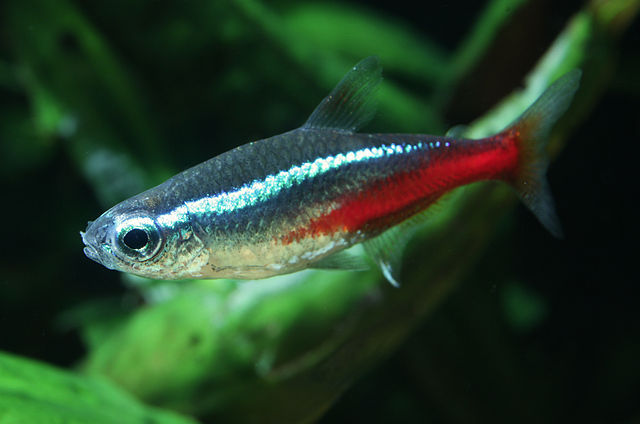
Neon Tetra and Cardinal Tetra: Wide water parameter tolerance, vibrant colors
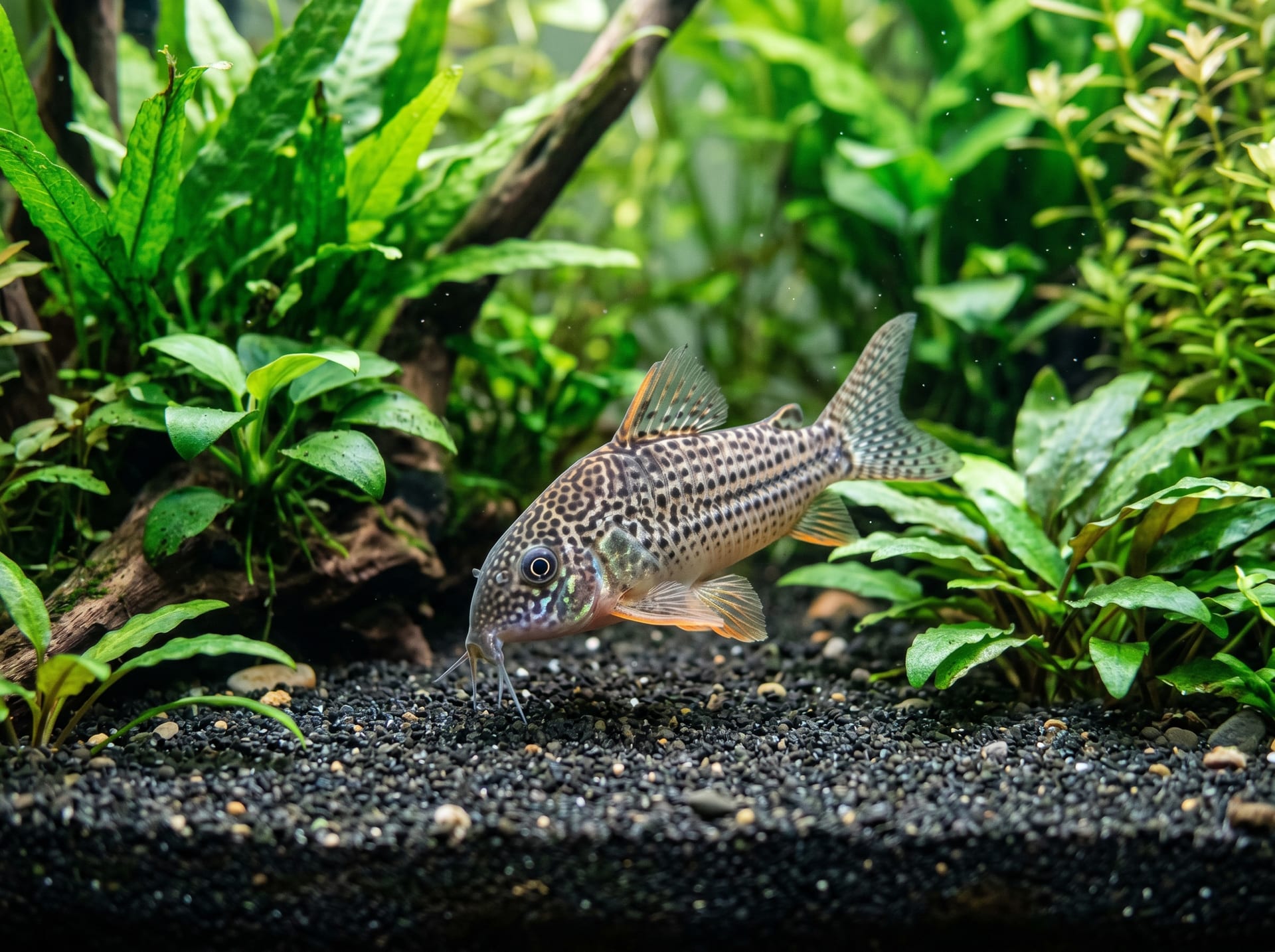
Corydoras species: Bottom swimmers that consume uneaten food
African Dwarf Frog: Fully aquatic frog that can be maintained in water (no land needed)
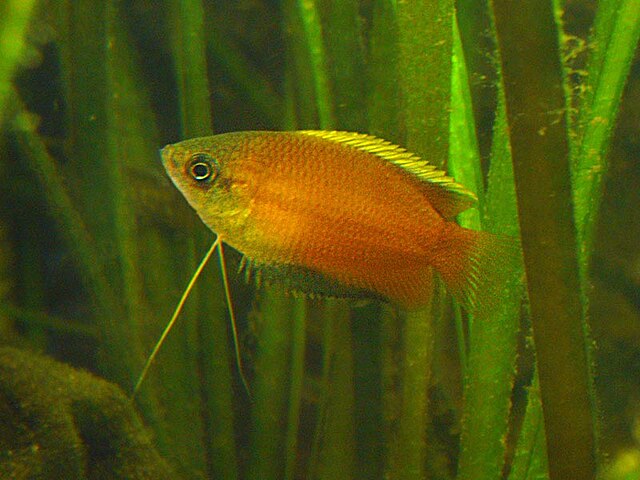
Golden Honey Gourami: Peaceful, small gourami well-suited to paludariums
Terrestrial and Waterside
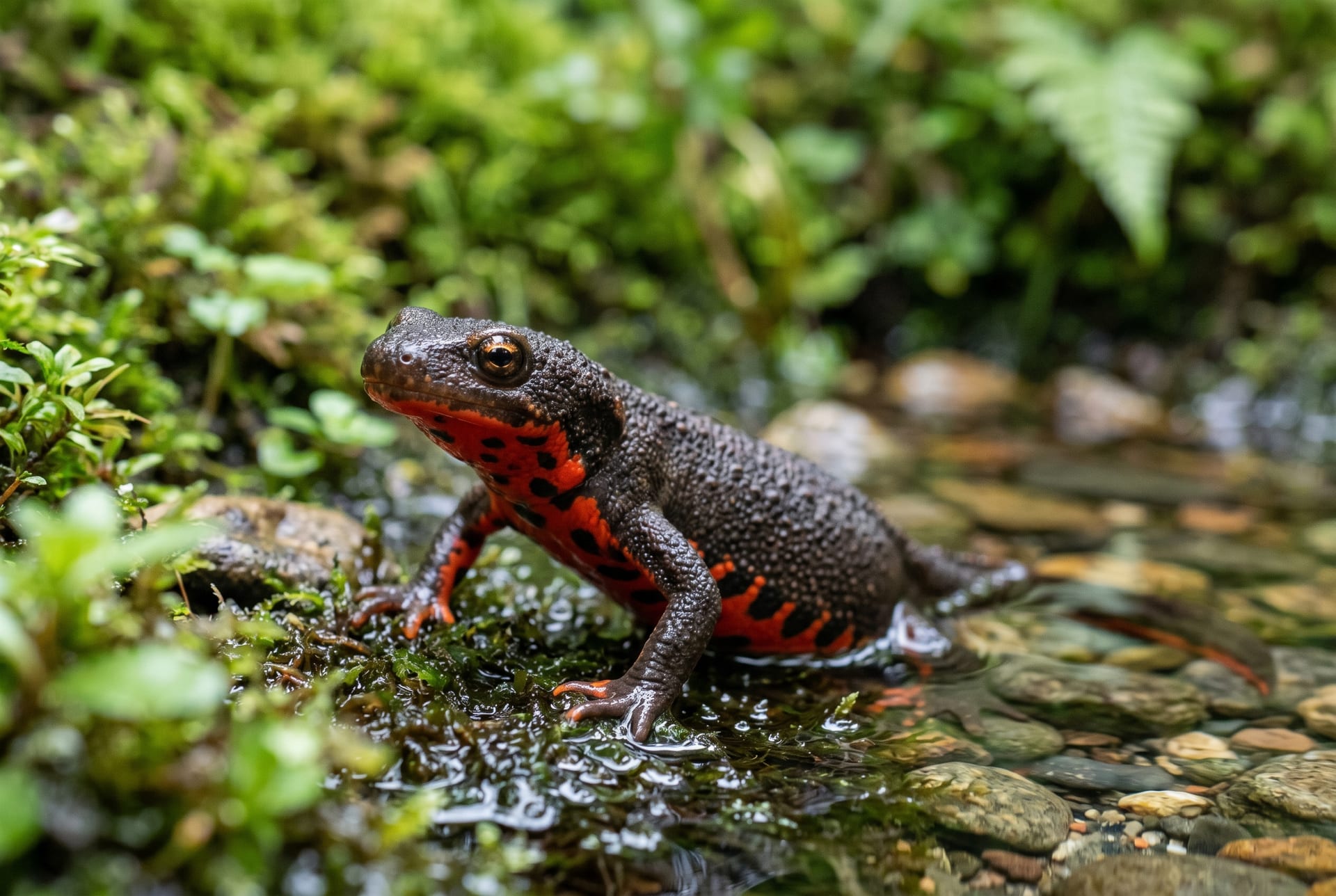
Japanese Fire-bellied Newt: Prefers waterside habitats, temperature ranges match Japan's climate
Toad tadpoles (waterside rearing)
Chinese Stripe-necked Turtle (small turtle, primarily aquatic): Provide some terrestrial area
Caution: Predation Risk
When cohabiting fish with terrestrial reptiles, verify in advance that reptiles won't eat fish. Geckos are at risk if falling into water, so maintain adequate distance between water surface and land.
Maintenance Tips
Humidity Management
In a tropical rainforest-inspired environment, 80–90% humidity is ideal. Use daily misting (1–2 times) or an automated misting system. Since prolonged humidity promotes mold, ventilation is also important.
Lighting
Growing both aquatic and terrestrial plants requires sufficient light. Use full-spectrum LEDs designed for tanks, at 10–12 hours per day. If reptiles requiring UVB lighting are present, add a dedicated UVB lamp.
Water Changes and Filtration
Small sponge filters or undergravel filters produce gentle water flow suitable for paludariums. Perform 20–30% water changes once or twice weekly. Since terrestrial sediment and organic matter easily flow into the water, regular gravel vacuuming is important.
Summary
Creating a paludarium is itself a creative process. With this aquarium style, you can hold a miniature tropical rainforest in your hands. From material selection to landscaping and plant placement, craft your own unique space. The vibrant life of the organisms offers a charm distinctly different from traditional aquariums.