A Guide to Essential Medicines and Emergency Care for Tropical Fish | From Early Disease Detection to Medication Baths
A guide to the types and uses of essential medicines that tropical fish keepers should stock on hand, explaining emergency care procedures for white spot disease, water mold disease, and bacterial infections. This home pharmacy guide comprehensively covers how to set up a medication bath tank, storage methods for medications, and how to choose among commercially available drugs.
Key Takeaways
A guide to the types and uses of essential medicines that tropical fish keepers should stock on hand, explaining emergency care procedures for white spot disease, water mold disease, and bacterial infections. This home pharmacy guide comprehensively covers how to set up a medication bath tank, storage methods for medications, and how to choose among commercially available drugs.
Related Species
What Is a Home Pharmacy for Tropical Fish Disease Prevention?
Tropical fish develop illness relatively easily due to environmental changes and immune system decline. Whether you can save a fish that suddenly deteriorates in the middle of the night or early morning when shops are closed, or on a holiday, depends on whether you have appropriate medications on hand. A "home pharmacy" is an approach to maintaining stocks of essential medicines and treatment equipment necessary for home aquarium management in advance.
This article explains the types of medicines beginners to intermediate keepers should stock, how to use them, storage methods, and emergency care procedures for representative diseases.
Essential Medicines List to Stock
Tropical fish diseases are broadly classified into three categories: parasitic, fungal, and bacterial. Simply preparing one medication for each category can address most emergencies.
Minimum Essential Medicines (for Beginners)
| Medication Name | Target Diseases | Main Active Ingredients |
|---|---|---|
| Green F Gold Granules | Bacterial infections, fin rot, hole-in-the-head disease | Nitrofurazone |
| Green F Liquid | White spot disease, fin rot symptoms, water mold disease, wounds | Methylene blue, acriflavine |
| Methylene Blue Solution | White spot disease, fin rot symptoms, water mold disease | Methylene blue |
| Salt (natural salt, refined salt) | Osmotic pressure adjustment, stamina recovery, mild bacterial suppression | NaCl |
Additional Medicines for Intermediate Keepers and Above
| Medication Name | Target Diseases | Notes |
|---|---|---|
| Erbauge Ace | Severe bacterial infections, aeromonas, columnaris | Potent but requires attention to side effects |
| Hicosan Z | White spot disease, velvet disease (pepper disease) | Malachite green |
| Prazipro (imported) | Parasites including flukes, tapeworms, and internal parasites | Praziquantel |
※Products like Tropical Gold and Lifefish may seem designed for tropical fish based on their names and uses, but their approved targets are goldfish and koi (Lifefish excludes tropical fish and marine fish), so they cannot be used on tropical fish.
Store medications in a dark place away from light and heat (such as inside a drawer), and use them within 1–2 years of opening. Granular medications lose efficacy if they harden from moisture, so store them in a sealed container with a desiccant.
How to Set Up a Medication Bath Tank (Quarantine Tank)
Medicating sick fish in the main tank causes significant damage to aquatic plants and bacteria, and destroys filtration function. You must always prepare a dedicated quarantine tank (hospital tank).
Basic Setup of a Quarantine Tank
- Capacity: A plastic container or acrylic tank of approximately 5–15 liters
- Filter: A sponge filter (resistant to medications) or aeration only
- Heater: A small heater with a thermostat
- Lid: To prevent sick fish from jumping out and to suppress temperature fluctuations
- No substrate: For easy cleaning
Precautions During Medication Baths
- Fast the fish starting the day before the medication bath (to reduce metabolic stress from medication)
- Start with 50–70% of the prescribed concentration and adjust based on the fish's condition
- Increase aeration during medication baths (dissolved oxygen drops easily due to medication)
- Perform a 1/3 water change daily and replenish with fresh medication solution (continue for 5–7 days as a guideline)
- After recovery, gradually increase water changes to reduce medication concentration before returning the fish to the main tank
Common Diseases and Emergency Care Procedures
White Spot Disease (Ichthyophthirius multifiliis)
Symptoms: White, grain-like spots on the body and fins, vigorous rubbing behavior.
Emergency Care:
- Move the affected fish to a quarantine tank
- Raise the water temperature to 28–30°C to shorten the parasite's life cycle (increase gradually over 1–2 days)
- Start with methylene blue solution or Hicosan Z at half the prescribed amount
- Continue for 5–7 days and maintain for at least 3 days after symptoms disappear
- Keeping the main tank fish-free for 48–72 hours makes it easier for larvae to die off
Water Mold Disease (Saprolegniasis)
Symptoms: White to grayish cotton-like growths on the body and fins.
Emergency Care:
- Move to a quarantine tank and begin a medication bath with Green F Liquid
- At the same time, if there are wounds, lightly wipe the affected area with a commercial disinfectant (acriflavine solution)
- Maintain water temperature at 28°C or higher to strengthen immunity
Fin Rot and Mouth Rot (Columnaris)
Symptoms: Fins appear to melt white and rot, whitening and necrosis around the mouth. Progression is rapid with high mortality.
Emergency Care:
- Isolate immediately. Columnaris is highly contagious, so watch other fish in the main tank
- Begin a medication bath with Green F Gold Granules or Erbauge Ace (Erbauge is recommended for severe cases)
- At the same time, add salt at 0.3–0.5% (30–50g/10L) to reduce osmotic stress
- If there is no improvement in 3–5 days, switch medications
How to Use Salt Baths Correctly
Salt baths are a simple and effective treatment for stamina recovery, osmotic pressure adjustment, and suppression of mild bacterial and parasitic infections. However, using the wrong concentration or purpose can be counterproductive, so caution is necessary.
Concentration Guidelines
| Purpose | Concentration | Salt per 10L |
|---|---|---|
| Stamina recovery and prevention | 0.1–0.3% | 10–30g |
| Mild bacterial support and white spot disease support | 0.3–0.5% | 30–50g |
| Emergency treatment for freshwater fish (short-term) | 1–3% | 100–300g (within 30 minutes) |
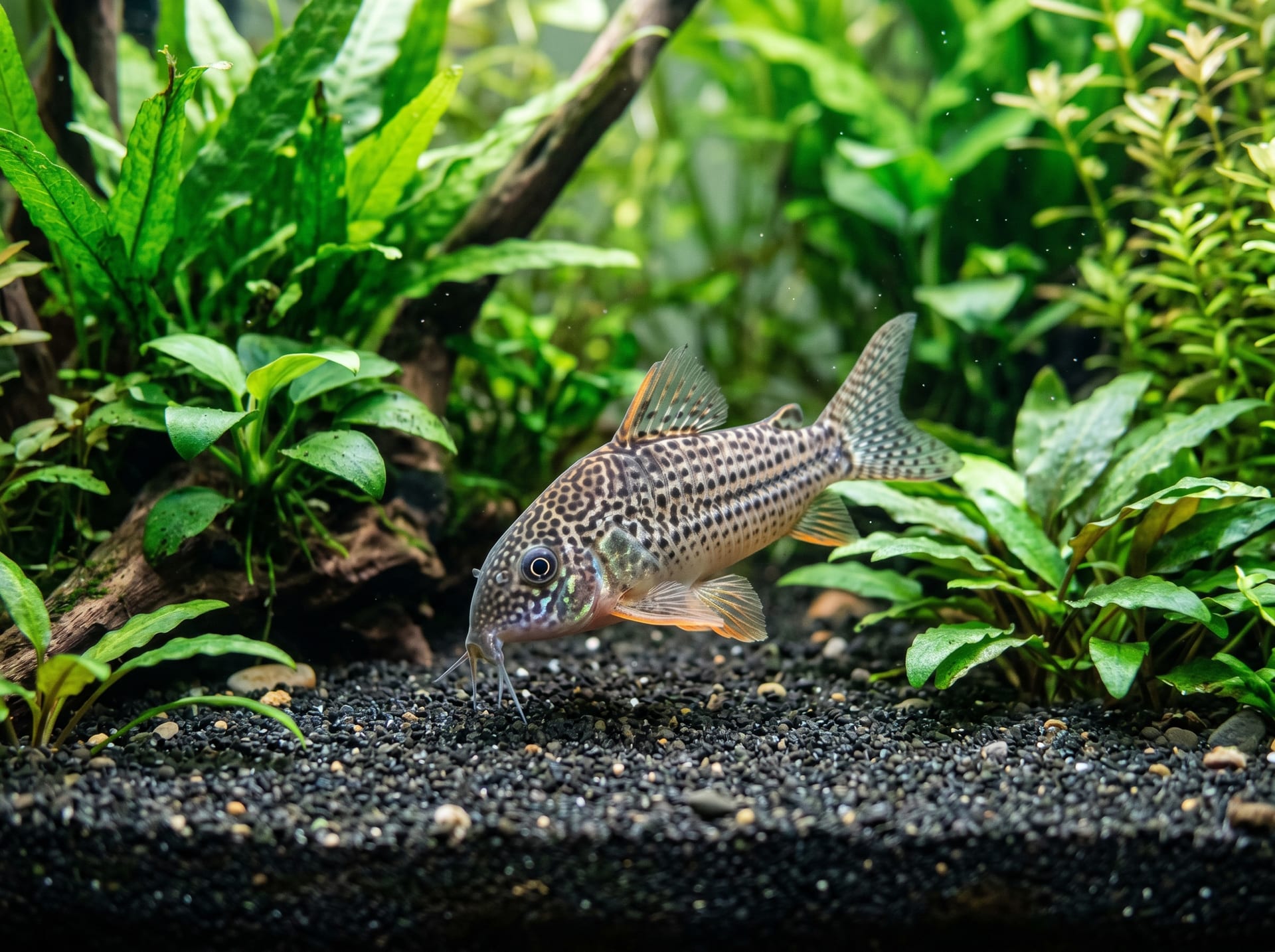
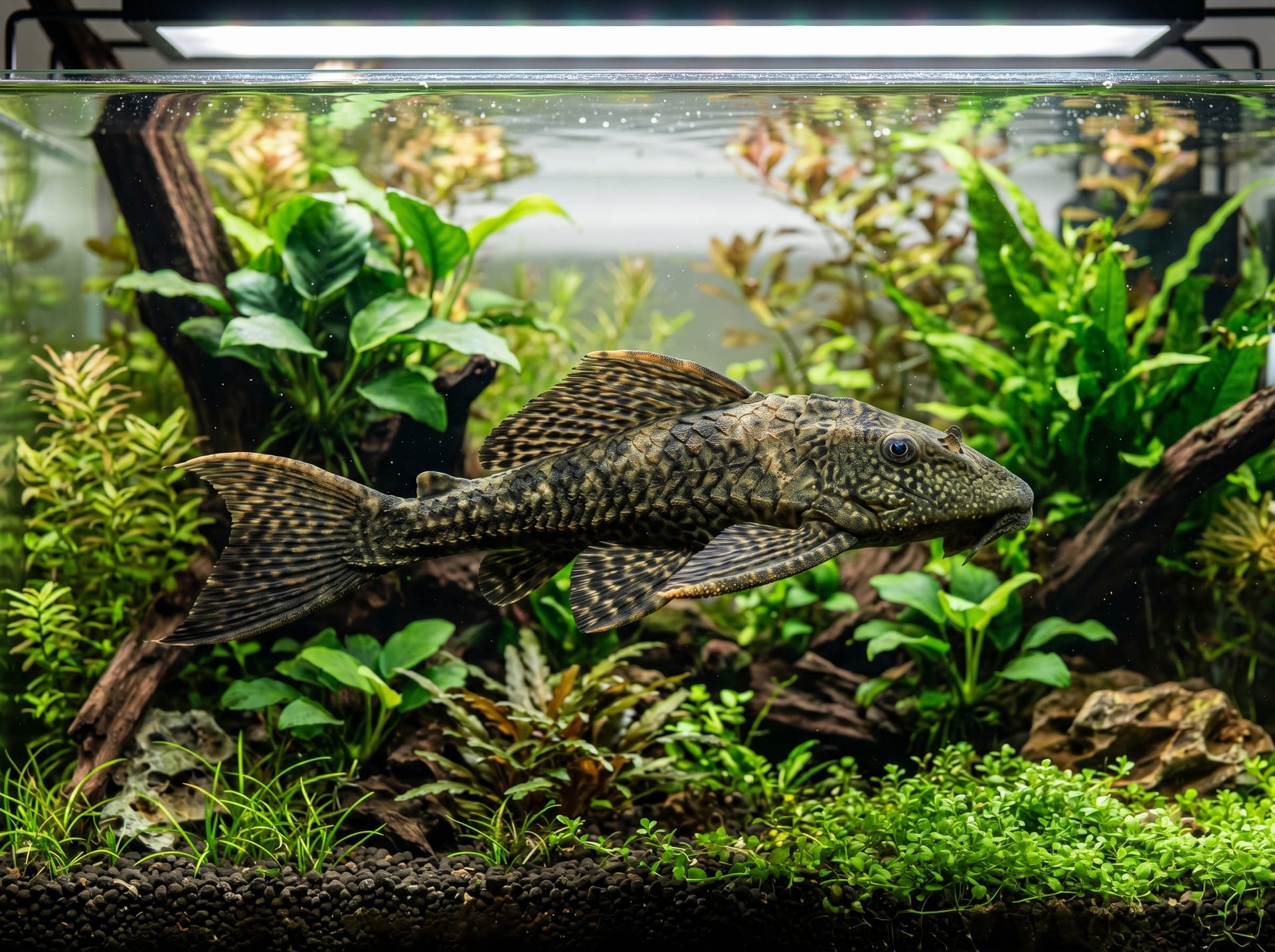
Use refined salt (sodium chloride 99% or higher) and avoid bittern-containing or mineral salts. Some species such as corydoras, plecos, and small tetras are sensitive to salt, so keep concentrations to 0.3% or below.
Early Disease Detection Checklist
The best prevention strategy is to practice early detection regularly before relying on medications.
Daily Observation Points
- Appetite (whether feeding response is poor compared to normal)
- Abnormalities on the body and fins (presence of spots, cotton-like growths, wounds, or redness)
- Swimming behavior (sinking to bottom, floating at surface, diagonal swimming, or rubbing body)
- Color and shape of feces (white, thin feces are a sign of internal parasites)
- Respiration rate (rapid gill movement indicates oxygen deficiency or gill disease)
When you notice abnormalities, prioritize isolation first, then identify the disease before starting medication. The practice of "just adding medication" should be avoided, as it can delay recovery with ineffective drugs and create an environment for antibiotic-resistant bacteria.
Summary
The core of a tropical fish home pharmacy is "using minimal medications correctly." With just three items—Green F Gold Granules, Green F Liquid, and salt—you can provide initial care for most common diseases. Keeping a quarantine tank ready and minimizing the time lag from discovering abnormalities to starting treatment is the biggest factor in improving survival rates. By combining regular water quality checks with observation habits, you can maintain a healthy tank environment that reduces the need for medications altogether.