What is a Tropical Fish Breeder? From Hobby to Side Business to Full-Time Business
A tropical fish breeder is someone who deliberately breeds fish to produce high-quality individuals. Domestically-bred (CB: Captive Bred) individuals that don't rely on pet shops or importers are hardy, adapt easily to their environment, and have high demand among enthusiasts.
Gradual Expansion of Breeder Activities:
| Stage | Details | Estimated Period |
|---|
| Hobby Breeding | Personal breeding for enjoyment; sharing surplus individuals with friends | ~Year 1 |
| Semi-Breeder | Side income from auctions and social media sales | Years 1-3 |
| Professional Breeder | Regular sales, event exhibitions, and wholesale to shops | Year 3 and beyond |
Most breeders start with the pure motivation of "wanting to raise more of my favorite fish," and as their skills improve, sales activities naturally develop.
---
Choosing the Right Species to Start With
If you aim to become a breeder, starting with species that are easy to breed and have market demand is the quickest path to success.
Recommended Species for Beginner Breeders
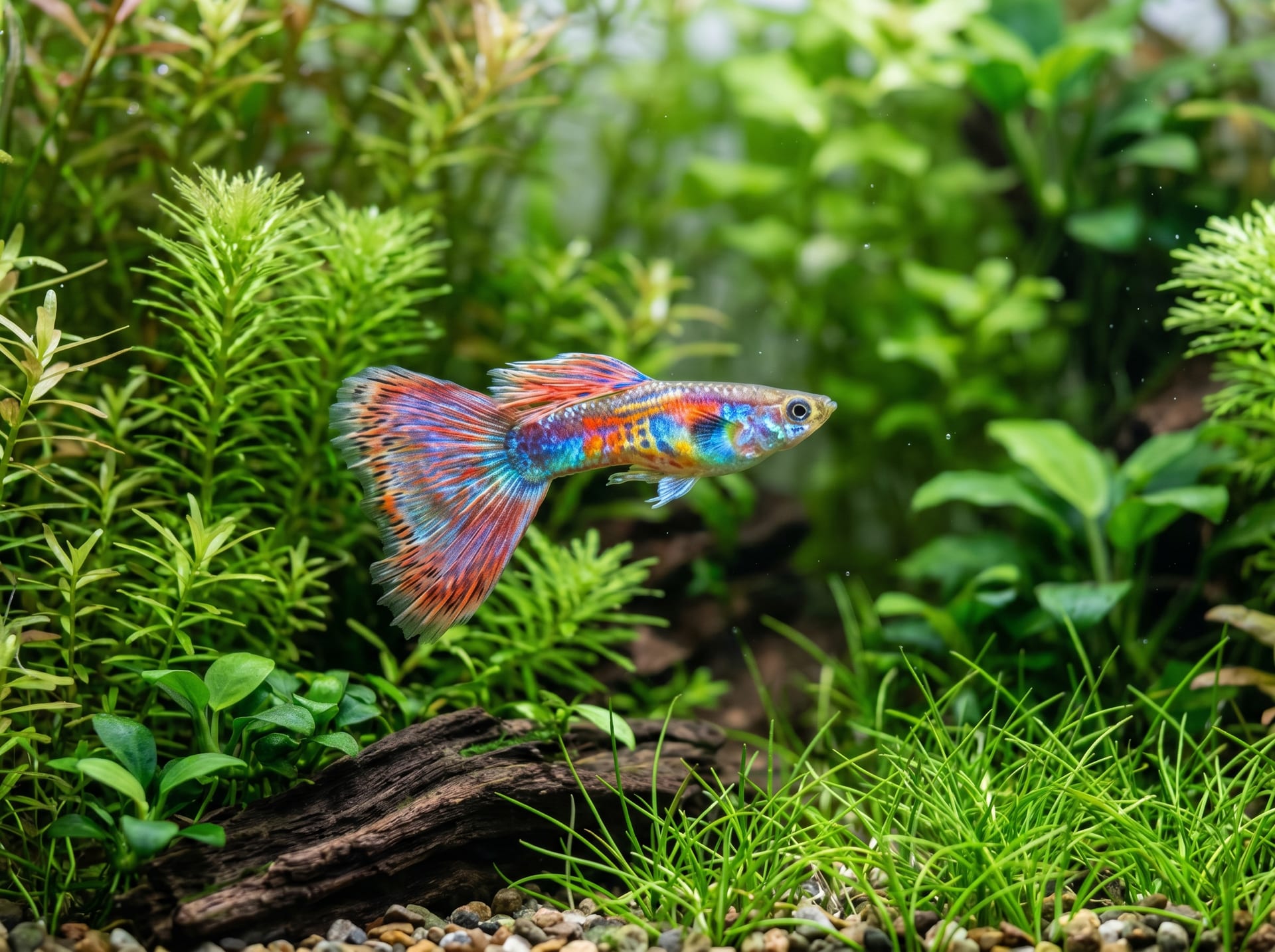
Guppy (Poecilia reticulata)
Live-bearing fish with easy reproduction. With a long history of selective breeding, domestically-bred guppies have dedicated enthusiasts. The wide variety of colors and tail fin shapes allows you to experience the joy of selective breeding from the start.
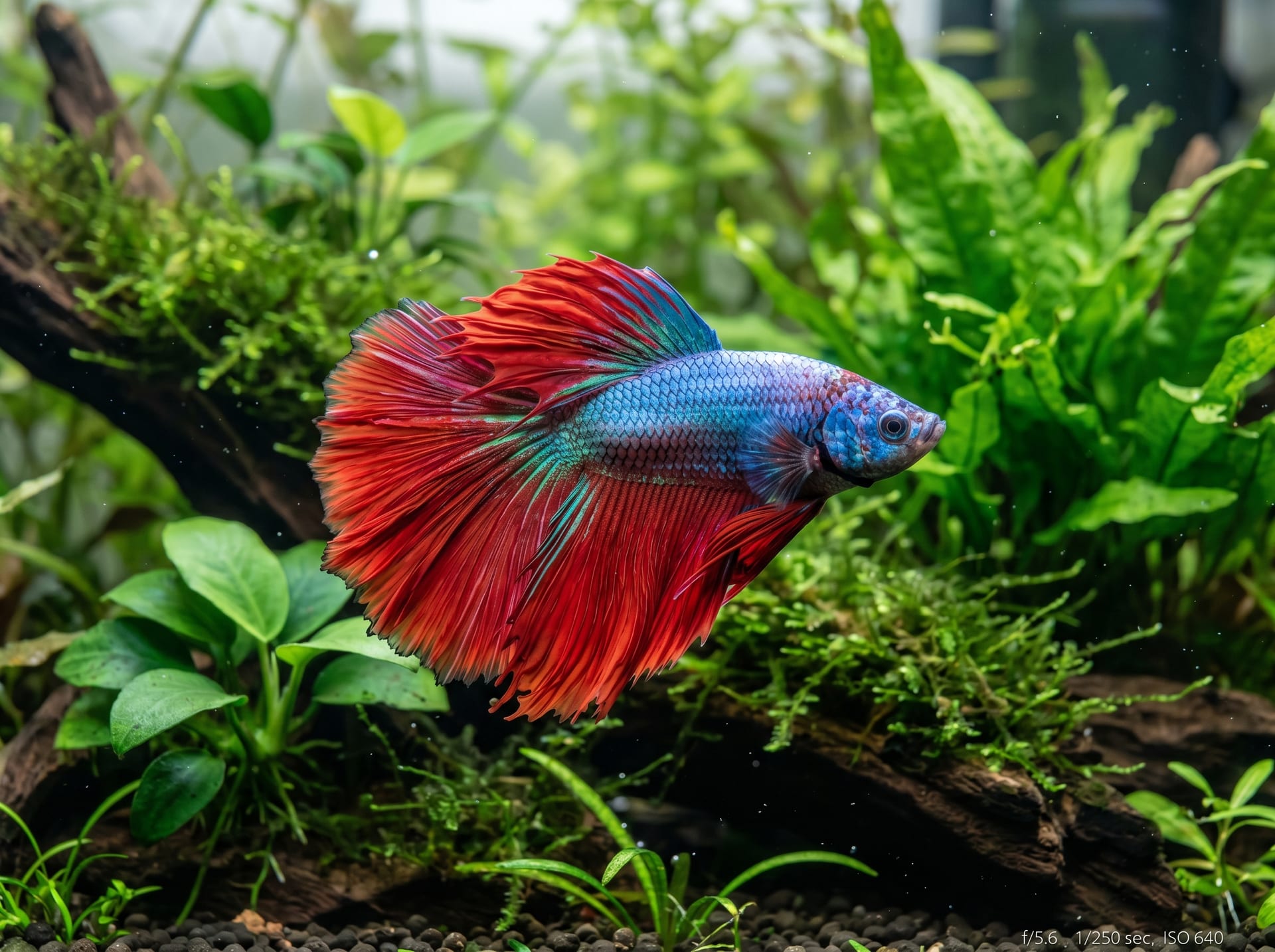
Betta (Betta splendens)
Bubble nest spawners with an easy-to-observe breeding process. The scope for selective breeding is wide (halfmoon, crown tail, double tail, etc.), and rare-colored individuals can command high prices.
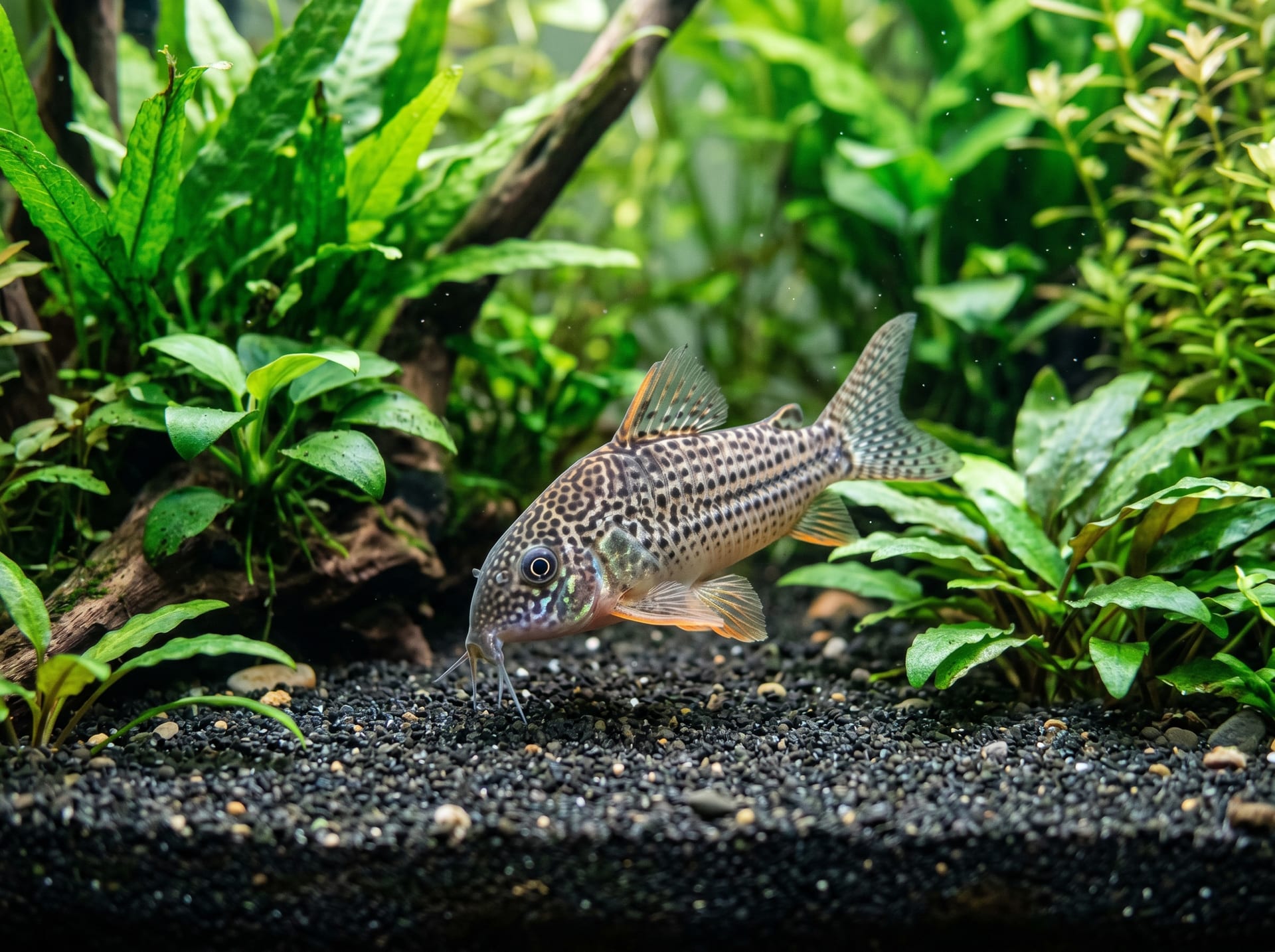
Corydoras (Corydoras sp.)
Small bottom-dwelling catfish with many enthusiasts. Their eggs, laid on the substrate, can be artificially hatched and are easy to manage. Popular species with high import volumes have stable demand.
Medaka (Oryzias latipes)
Strictly not a tropical fish, but can be raised with similar equipment and knowledge. Demand for improved varieties is extremely high. Since you can sell without breeder registration, it's ideal for beginners seeking side income.
---
Equipment and Environment Setup for Breeding
Basic Setup (When Starting with One Pair)
Spawning and Breeding Tank
At least two tanks are needed to separate parent fish from fry. Prepare a spawning tank (30-45L) and a fry rearing tank (20-30L).
Filtration System
Sponge filters are the standard for breeding tanks, preventing fry from being sucked in. Air-lift type filters create a gentle water flow suitable for fry.
Lighting and Heating
Manage the light cycle (day-night cycle) that triggers breeding. Use heaters to maintain water temperature appropriate for each species. Guppies prefer 26-28°C, bettas prefer 27-30°C for breeding.
Spawning Substrate and Shelter
For guppies, provide floating plants (willow moss, water sprite); for bettas, provide moss and spawning substrate near the surface; for corydoras, provide flat rocks or the undersides of leaves as spawning sites.
When Scaling Up as a Breeder
When managing multiple strains and species:
- Rack-type multi-tiered tanks (managing multiple small tanks with widths of 300mm or less)
- Automatic temperature control (heater + timer + thermostat)
- Centralized aeration (branching from a single air pump)
- Dedicated pump and tubing for water changes, and dedicated bucket space
---
Breeding Process and Fry Management
From Selecting Breeding Stock to Spawning
1. Selecting Breeding Stock
Choosing which parent fish (breeding stock) to use is where a breeder's skill shines. Select individuals with consistent body shape, color, fin form, and health. To avoid inbreeding, it's important to maintain multiple lines with different bloodlines.
2. Conditioning
Spend 2-3 weeks conditioning your breeding stock before reproduction. Feed nutritious live foods like frozen brine shrimp, bloodworms, and red mosquito larvae to prepare their bodies for spawning.
3. Pairing and Spawn Confirmation
Place male and female in the same tank and confirm courtship behavior and spawning. For aggressive species like bettas, the male must be removed immediately after spawning (or a divider must be installed).
Fry Management and Feeding
First 3 Days After Hatching
No feeding is necessary as fry develop while absorbing their yolk sacs.
Days 4-14
Feed infusoria (ciliates), commercial fry powder food, and brine shrimp nauplii. With a brine shrimp hatchery, you can supply fresh live food daily.
Weeks 2-4
Increase food size as the fry grow. Crushed pellets, frozen brine shrimp, and cultured rotifers are also effective.
---
Improving Quality Through Selective Breeding
Selective breeding is essential for leveling up as a breeder.
Example Selection Criteria (Guppies):
- Does the tail fin shape match the breed standard?
- Are the body color and coloration vibrant?
- Are there no issues with body shape (curved back, deformities)?
- Uniformity of body size
Individuals that don't meet the criteria are managed separately as "culled individuals" and are not used for the next breeding. By continuing strict selection, quality improves with each generation.
---
Basics of Sales and Exhibition
Methods of Personal Sales
Auctions and Marketplace Services
Personal transactions using platforms like Yahoo Auctions, Mercari, and Minne are a major sales channel for breeders. Knowledge of packing and shipping (professional packing techniques) is necessary.
Social Media Sales
Direct sales through Instagram, X (formerly Twitter), and Facebook groups. Building a fan community creates stable customers.
Specialist Sites and Breeder Registration
By registering on breeder-to-consumer platforms like Br-choku, you can directly reach tropical fish enthusiasts.
Event Exhibitions
Exhibiting at tropical fish enthusiast events (guppy contests, corydoras auctions, etc.) is an excellent opportunity to receive feedback on quality.
Legal Considerations
Animal Welfare and Management Law
Registration as an "animal handling business" may be required for sales and breeding above a certain scale. While the boundary between hobby and commercial activity can be ambiguous, confirmation with your prefecture is necessary if conducting continuous and repeated sales.
Designated Invasive Species
Certain species are prohibited from being kept or sold by law. Before beginning sales, confirm that your species is not on the prohibited list.
---
Summary: The Path to Becoming a Tropical Fish Breeder
The journey of becoming a tropical fish breeder begins with seriously engaging with a single species.
Guidelines for Stepping Up:
1. Stabilize breeding of one species (success rate 70% or higher)
2. Work on selection and quality improvement
3. Sell small quantities of surplus individuals and gauge market response
4. Expand to multiple strains and species
5. Establish a regular sales system
Progress without haste—building skills one step at a time—leads to long-term success. Participating in breeder communities and learning from experienced breeders is also an important opportunity for growth. Your passion for "your favorite fish" will eventually lead to producing high-quality individuals that bring joy to many enthusiasts.