Guide to aquascaping styles: Nature Aquarium, Dutch, Iwagumi rock layouts, and driftwood designs with step-by-step instructions.
Key Takeaways
Guide to aquascaping styles: Nature Aquarium, Dutch, Iwagumi rock layouts, and driftwood designs with step-by-step instructions.
Related Species
The allure of planted aquariums lies in the ability to create miniature natural landscapes underwater. Aquascaping encompasses multiple styles, each with its own unique aesthetics and techniques. This article provides a detailed look at four representative styles, including their characteristics and key design principles. Find the style that matches your preferences and skill level, and take on the challenge of creating your ideal aquascape.
What Is Nature Aquarium?
Nature Aquarium is a style pioneered by Japanese aquarist Takashi Amano, aiming to recreate natural landscapes within an aquarium. Using mountains, forests, and streams as motifs, this style employs aquatic plants, stones, and driftwood to create compositions with depth.
Triangle layout: A composition where the height peaks on one side and slopes down toward the other. Beginner-friendly and creates a sense of depth
Concave layout: Both sides are elevated with a low center, creating a valley-like feeling of openness when viewed from the front
Convex layout: Height is concentrated in the center with lower sides, expressing islands or mounds with strong visual impact
Golden ratio: Placing materials according to the 1:1.618 golden ratio creates a natural, harmonious layout
The beauty of negative space: Intentionally leaving unplanted areas creates visual flow and breathing room
Nature Aquarium requires CO2 injection and high-intensity lighting. The standard planting pattern involves carpet-like foreground plants such as Glossostigma and Dwarf Baby Tears, midground plants like Cryptocoryne and Blyxa, and background plants such as Rotala and Ludwigia.
The Appeal and Characteristics of Dutch Style
Dutch Style is a traditional aquascaping method developed in the Netherlands. It uses almost no hardscape elements like stones or driftwood, instead creating an "underwater flower garden" composed entirely of diverse aquatic plants.
Streets: Creating pathway-like spaces between plant groupings to add depth is a hallmark Dutch technique
✍️
BreederDirect Editorial
The BreederDirect editorial team specializes in care information for animals, covering veterinary care and breeding to deliver beginner-friendly guides.
Find Tropical Fish on BreederDirect
Buy directly from verified breeders
Browse Related Listings
Find Tropical Fish listings related to this article on BreederDirect. Buy directly from verified breeders.
Related Tools
Related Articles
Browse by Category
🪸Coral
🐠Marine Fish
🐟Tropical Fish
🐡Goldfish
🐟Medaka
🦎Reptiles
Share
Color contrast: Red, green, and yellow plants are strategically placed to create gradients and contrasts
Terracing: Planting at different levels creates a three-dimensional landscape, low in front and progressively higher toward the back
Dense planting is fundamental: Plants are packed so densely that no substrate is visible, then shaped through trimming
Variety of species: Even a 60 cm tank typically uses 10 or more plant species. Rotala, Ludwigia, Alternanthera, and Hygrophila are staples
Trimming skill is crucial in Dutch Style. Regular shaping ensures each plant grouping grows in balanced proportion. Maintaining peak beauty requires trimming once or twice a week. Understanding each plant's growth rate and color characteristics, and adjusting fertilization accordingly, is also essential.
Rock Layout Basics and Stone Selection
Rock layouts (Iwagumi) use stones as the primary design element. Many draw inspiration from Japanese dry landscape gardens, creating minimalist yet powerful aquascapes.
Main stone, secondary stone, accent stone: Arrange a large main stone (Oyaishi) as the centerpiece, with medium secondary stones (Fukuishi) and small accent stones (Soeishi). Using odd numbers (3, 5, or 7 stones) is standard
Use the same material: Stick to one type of stone per tank, such as Ryuoh stone or Seiryu stone. Mixing different types creates an unnatural look
Stone orientation and angle: Stones have natural grain lines; aligning all stones in the same direction creates visual unity
Substrate slope: Build the substrate lower in front and higher in back to enhance perspective. The rear may be built up to 10 cm or more
Use plants sparingly: In Iwagumi layouts, plants play a supporting role. Small amounts of Monte Carlo or Java moss placed between stones creates an elegant look
Popular stone materials include black, rugged lava rock; Ryuoh stone with white veins; blue-tinted Seiryu stone; and reddish-brown porous stone. Consider each stone's effect on water chemistry: Ryuoh stone raises pH and hardness, which requires caution with plants that prefer soft, acidic water.
Driftwood Layout Techniques
Driftwood-centered layouts evoke the atmosphere of forests and wetlands. Branch wood creates the look of tree canopies, while solid pieces convey the presence of sturdy trunks.
Tannin removal is important: Driftwood releases tannins underwater, staining the water brown. Boil or soak for an extended period before use to leach out tannins
Waterlogging: New driftwood tends to float. After boiling, weigh it down with stones or secure it to a base plate with stainless steel screws
Joining and fixing: Multiple pieces of driftwood can be bonded with cyanoacrylate glue or silicone to create larger structures
Epiphyte plants: Attaching Anubias nana, Java fern, Java moss, and Bucephalandra to driftwood adds a natural feel
Hanging moss curtains: Growing Weeping moss or Flame moss on overhanging sections creates an enchanting, cascading effect
Driftwood layouts can be enjoyed relatively easily without CO2 injection. Building around shade-tolerant (low-light) plants keeps maintenance effort low. For beginners attempting their first layout, starting with a simple arrangement of a few epiphyte species attached to driftwood is recommended.
Choosing Your Style: Key Points and Equipment
Which style to choose depends on budget, skill level, and available time for maintenance.
Beginner-friendly: Driftwood layout (shade-tolerant plants). No CO2 needed, works with low-light fixtures, and requires less frequent trimming
Intermediate: Nature Aquarium triangle layout. Requires CO2 injection and high-intensity lighting, but the composition is straightforward
Advanced: Dutch Style. Demands management of numerous plant species and precise trimming skills
Lighting selection: For stem plant-focused layouts, aim for 20-40 lumens per liter. LED lights are standard; models with RGB chips produce vivid plant colors
CO2 injection: Pressurized CO2 systems (large cylinders) are most economical. Small disposable cartridges are convenient but have higher running costs. Inject only during lighting hours using a timer
Substrate selection: Aqua soil is ideal for plant growth. Nutrient-rich soils (such as ADA Amazonia) and absorption-type soils (such as Platinum Soil) are available; choose based on your style
Entering Aquascaping Contests
The aquascaping world offers numerous contests where you can showcase your work to a global audience.
IAPLC (International Aquatic Plants Layout Contest): Founded by Takashi Amano, this is the world's largest contest with over 2,000 entries annually
Photography tips: Shoot head-on at water level, minimizing glass reflections. Photograph after a water change for the clearest water
Maintenance period: Contest-level layouts require 3-6 months of maintenance from creation to photography. Daily upkeep is the secret to placing highly
Even without entering contests, the process of maintaining a beautiful layout is deeply rewarding in itself. Through designing underwater worlds, you can deepen your appreciation of nature.
Create Your Ideal Aquascape with BriChoku
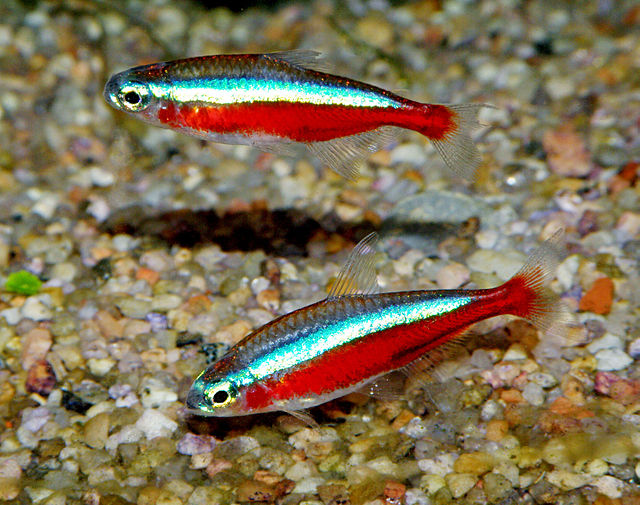
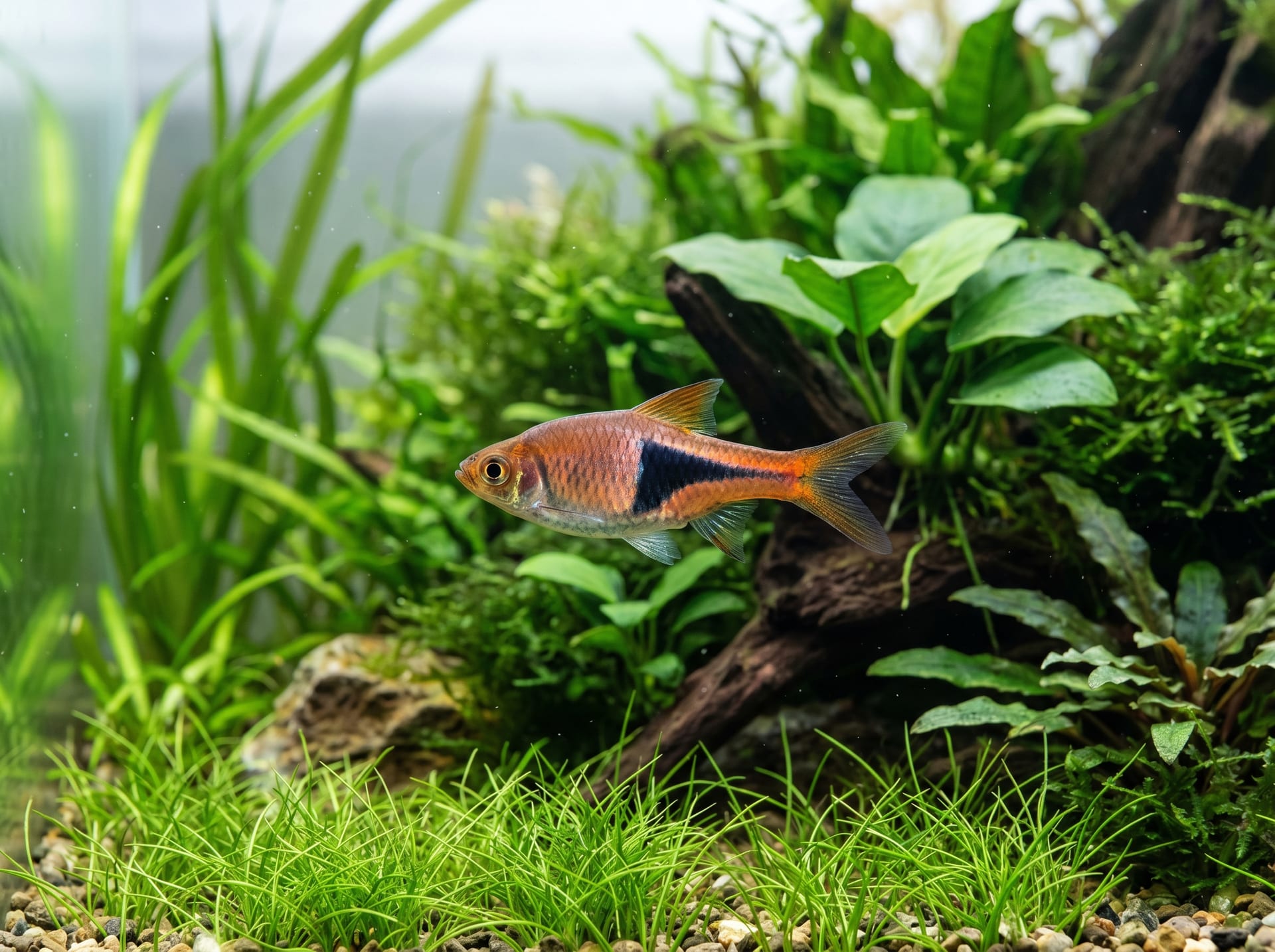
Choosing the right tropical fish is also a key element of aquascaping. On BriChoku, you can purchase healthy, beautiful tropical fish directly from trusted breeders. The ability to consult directly with breeders about which species suit your layout style is a major advantage. Whether it is Cardinal Tetras that shine in a Nature Aquarium or Rasboras that complement a driftwood layout, find your perfect fish.