Beginner's Guide to Tortoise Care | Basic Management of Hermit Tortoises and Russian Tortoises | ブリちょく
Reptiles| ✍️ BreederDirect Editorial
Beginner's Guide to Tortoise Care | Basic Management of Hermit Tortoises and Russian Tortoises
A guide to basic tortoise husbandry. We explain housing, temperature, feeding, and health management of Hermit Tortoises and Russian Tortoises, popular choices for beginners.
Key Takeaways
A guide to basic tortoise husbandry. We explain housing, temperature, feeding, and health management of Hermit Tortoises and Russian Tortoises, popular choices for beginners.
Tortoises are particularly long-lived among reptiles, and it's not uncommon for individuals to live 30-80+ years with proper care. Their unique herbivorous diet and docile temperament make them a relatively approachable pet for reptile beginners. This article explains the basic care methods for Hermit Tortoises and Russian Tortoises (Horsfield's Tortoises), popular choices for beginners.
✍️
BreederDirect Editorial
The BreederDirect editorial team specializes in care information for animals, covering veterinary care and breeding to deliver beginner-friendly guides.
Find Reptiles on BreederDirect
Buy directly from verified breeders
Browse Related Listings
Find Reptiles listings related to this article on BreederDirect. Buy directly from verified breeders.
Tortoises are long-lived creatures that become lifelong companions. Before beginning care, confirm the following:
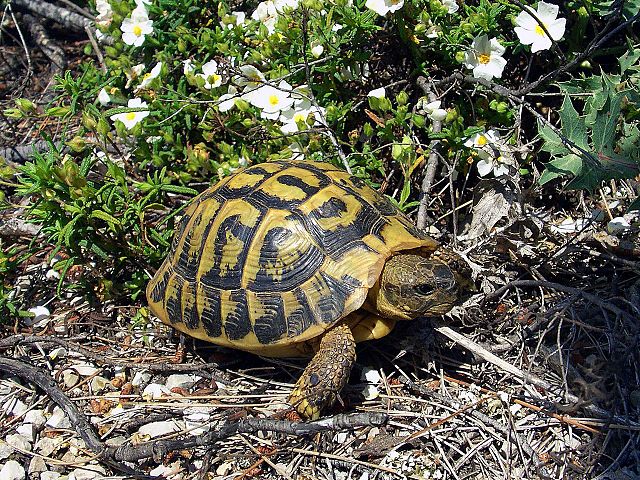
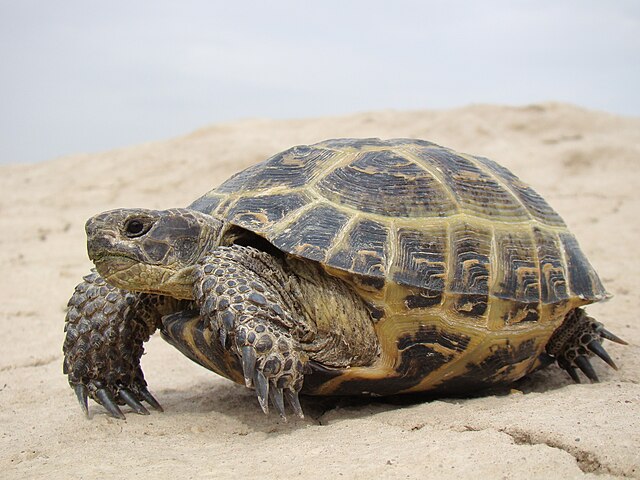
Lifespan: Hermit Tortoises can live 50-80 years, Russian Tortoises 40-60 years. You should be prepared to potentially care for them for decades or even pass them on to your children.
Enclosure size: Adults reach a carapace length of approximately 20-30cm. A minimum width of 90cm is required, ideally 120×60cm or larger.
Legal regulations: Hermit Tortoises are listed on CITES (Convention on International Trade in Endangered Species) Appendix II, and only individuals imported or bred through legitimate channels may be kept. Always verify the presence of CITES documentation when purchasing.
Enclosure and Husbandry Setup
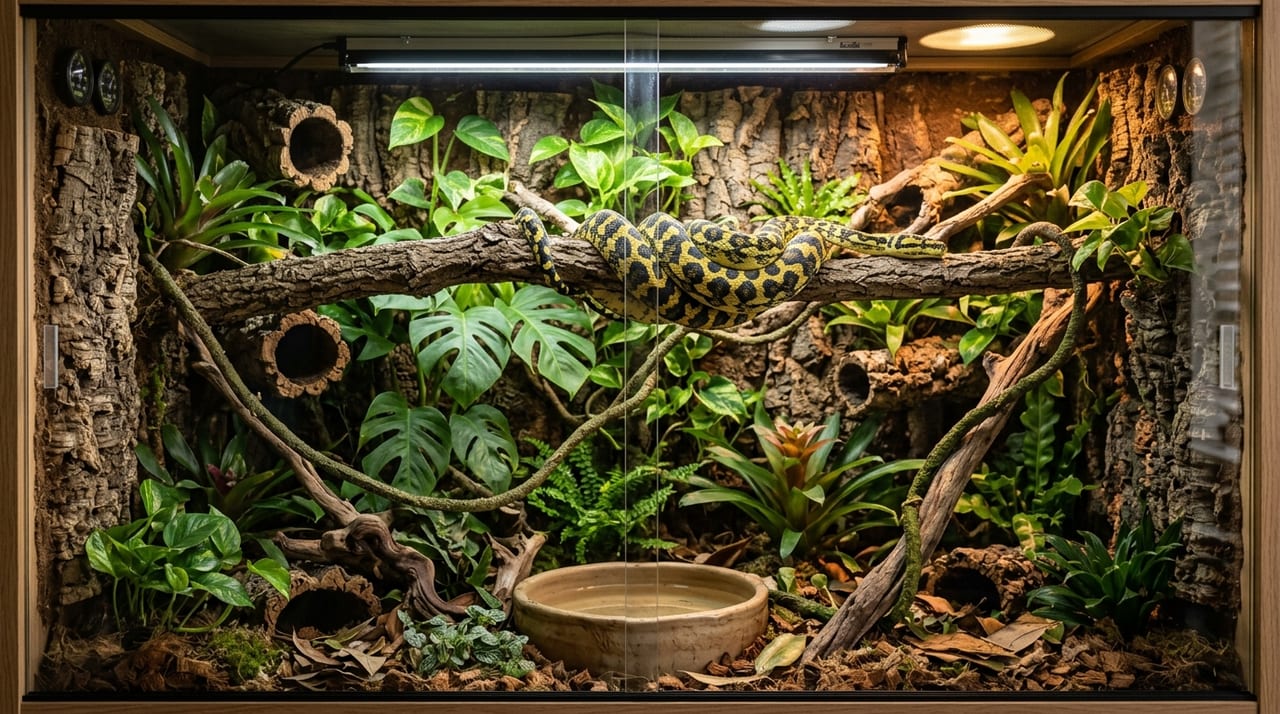
Tortoises regulate their body temperature through basking (sunbathing and hot spots). Creating a temperature gradient within the enclosure is essential.
Temperature management:
- Hot spot (basking zone): 35-40°C
- Cool spot: 22-26°C
- Nighttime: 18-22°C (as long as it doesn't get extremely cold)
Create the hot spot using a basking lamp (incandescent or halogen bulb). Ceramic heaters or heat lamps are effective for warming the entire enclosure.
UVB lighting: Tortoises synthesize vitamin D3 by exposure to UVB. Use a reptile UVB lamp (UVB 10.0 or higher) for 10-12 hours daily.
Substrate: Coconut coir, red loam, or cork chips are suitable. Use a depth of 5-10cm or more to allow burrowing. Maintain humidity at 40-60% to prevent excessive drying.
Water bowl: Provide a shallow water bowl and replace it with fresh water daily. Tortoises often defecate in their water, so regular cleaning is necessary.
Feeding and Nutrition
Tortoises are herbivores. Feed primarily vegetables and plants; fruits and animal protein are essentially unnecessary (or only minimal amounts).
Suitable primary foods:
- Leafy vegetables and plants such as mustard greens, bok choy, daikon greens, dandelion, plantain, and clover
- Kale and mustard greens in small amounts
Foods to limit:
- Spinach and lettuce (high in oxalates; excess consumption can cause kidney stones and diarrhea)
- Cabbage and Chinese cabbage (may affect thyroid function)
- Fruits (high in sugar; can cause digestive issues)
Calcium supplementation: Dust food with commercial calcium powder (containing vitamin D3) 2-3 times per week. Calcium is essential for shell growth.
Feeding frequency: Daily or every other day. Feed juveniles daily; adults approximately 5-6 times per week. Always remove uneaten food.
Differences Between Hermit Tortoises and Russian Tortoises
Characteristic
Hermit Tortoise
Russian Tortoise
Adult carapace length
Approx. 20-28cm
Approx. 15-20cm (slightly smaller)
Temperament
Relatively docile, tame easily
Active, frequently moves and burrows
Cold tolerance
Somewhat sensitive
Relatively hardy (Central Asian origin)
Hibernation
Tends to hibernate below 10°C
Hibernates (can be omitted in captivity)
Care difficulty
Beginner-friendly ★★★
Beginner-friendly ★★★
Russian Tortoises are hardy and considered easy for beginners to care for, but they are prolific diggers and prone to escaping their enclosures. A covered enclosure or heightened sides are necessary precautions.
Health Management and Common Diseases
Monitor your tortoise's health through appetite and bowel movements. If you notice any of the following signs, consult a veterinarian experienced with reptiles as soon as possible.
Warning signs:
- Significant loss of appetite (2-3 days or longer)
- Eye discharge, nasal discharge, or open-mouth breathing (suspected respiratory infection)
- Soft or deformed shell (metabolic bone disease: vitamin D3 or calcium deficiency)
- Lethargy or lack of movement (possible hypothermia or digestive issues)
Common diseases:
- Metabolic bone disease: Caused by insufficient UVB and calcium. Prevention is the best treatment.
- Respiratory infection (mycoplasma, etc.): Presents with nasal discharge and labored breathing. Antibiotic treatment is necessary.
- Parasitic infection (internal parasites): Perform a fecal test shortly after purchase for peace of mind.
Conclusion
With proper temperature, UVB, and dietary management in place, tortoises are relatively straightforward to care for. Because they become long-term companions, establishing the correct environment from the start is essential.
We recommend purchasing from breeders or specialty reptile shops and selecting individuals with CITES documentation. When buying directly from breeders, you receive guidance on husbandry and feeding alongside your purchase, allowing beginners to start with confidence.