Bird Claw and Beak Deformities: Causes and Management | Guide to Treating Malformation, Overgrowth, and Discoloration
Explains the causes of claw and beak deformities, overgrowth, and discoloration in pet birds, and introduces daily care tips and when to consult a veterinarian. A practical care guide for parakeets, macaws, Java sparrows, and other common bird species.
Key Takeaways
Explains the causes of claw and beak deformities, overgrowth, and discoloration in pet birds, and introduces daily care tips and when to consult a veterinarian. A practical care guide for parakeets, macaws, Java sparrows, and other common bird species.
The claws and beaks of pet birds are organs that act like a "mirror," reflecting daily behavior, diet, and health status. Normally, these can be maintained with regular care, but if deformities, overgrowth, or discoloration occurs for any reason, it can impair eating, movement, and perching grip. This article provides a detailed explanation of the causes of claw and beak deformities, daily prevention methods, and how to address problems when they occur.
Main Causes of Claw Deformities and Overgrowth
Improper Perch Material or Shape
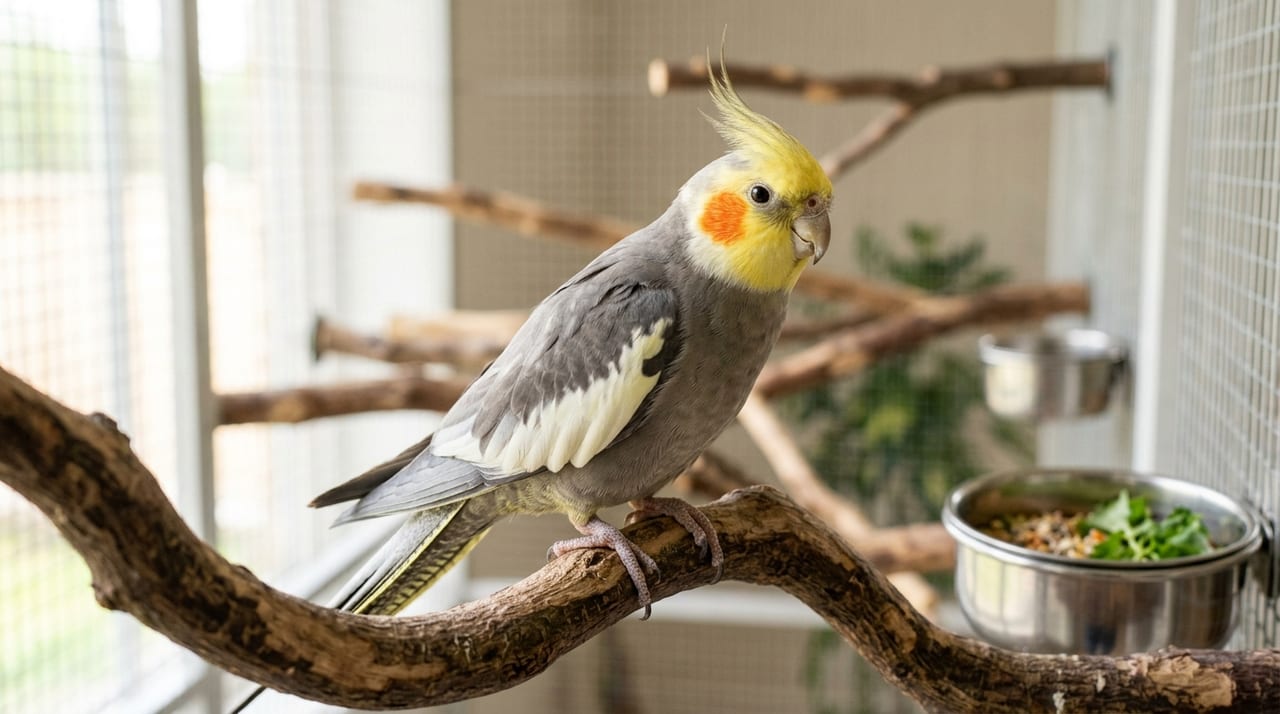
In the wild, a bird's claws naturally wear down from perching on tree branches, but using only plastic perches of uniform thickness prevents natural wear and promotes overgrowth.
Appropriate perch conditions are as follows:
- Varied Thickness: Install multiple perches of different diameters, such as thin branches, thick branches, and cork perches
- Material: Natural wood with bark has appropriate texture that allows claws to wear naturally
- Sand or Cement Perches: While these reduce the frequency of nail trimming, be aware of potential foot skin irritation
Age, Obesity, and Nutritional Deficiency
In older or obese birds, reduced blood circulation and decreased activity make claws softer and more prone to deformity. Additionally, nutritional deficiencies such as vitamin A deficiency or zinc deficiency cause brittle nail keratin. For dietary management, see also Vitamin A Deficiency Prevention Guide for Parakeets and Macaws.
Infections and Parasites
Scaly Leg Mites (Knemidocoptes) are external parasites common in parakeets and macaws that form honeycomb-like holes and white crusts on the base of claws and beaks. If left untreated, claws become deformed and the skin on the beak and legs becomes irritated and itchy.
Trauma, Breakage, and Lacerations
Claws can crack or break when caught on cage bars during out-of-cage time or on the grid of metal cages. If bleeding occurs, immediate treatment is necessary.