DIY Enrichment Toy Ideas — Low-Cost Ways to Enrich Your Pet's Life
Creative DIY enrichment ideas using everyday materials: handmade toys, hides, and foraging tools for reptiles, small mammals, fish, and birds — all on a budget.
Key Takeaways
Creative DIY enrichment ideas using everyday materials: handmade toys, hides, and foraging tools for reptiles, small mammals, fish, and birds — all on a budget.
Related Species
DIY Enrichment Toy Ideas: Low-Cost Ways to Enrich Your Animals' Lives
Enrichment — the provision of mental and behavioral stimulation — is a cornerstone of good animal welfare. Yet many keepers feel that commercial enrichment toys are expensive or unclear in their application. In fact, with a little creativity and common household materials, you can craft effective enrichment at minimal cost. This article presents practical DIY ideas organized by animal type.
---
Safety Checklist Before You Build
The most important consideration with any DIY enrichment is safety. Check every item against the following before placing it with your animal:
- No paints, adhesives, or varnish: Chemical compounds can cause toxicity if ingested or absorbed through skin
- No small parts: Any piece small enough to swallow is a choking or obstruction hazard
- Remove metal components before they rust: Rust can be harmful, especially in humid enclosures
- No sharp edges or splinters: These cause lacerations and abrasions
- Only use plants known to be safe for your species: Many common plants are toxic to small mammals and reptiles
---
Small Mammals (Rabbits, Degus, Guinea Pigs, etc.)
Foraging Hay Ball Materials: Jute twine (available at dollar stores), loose hay
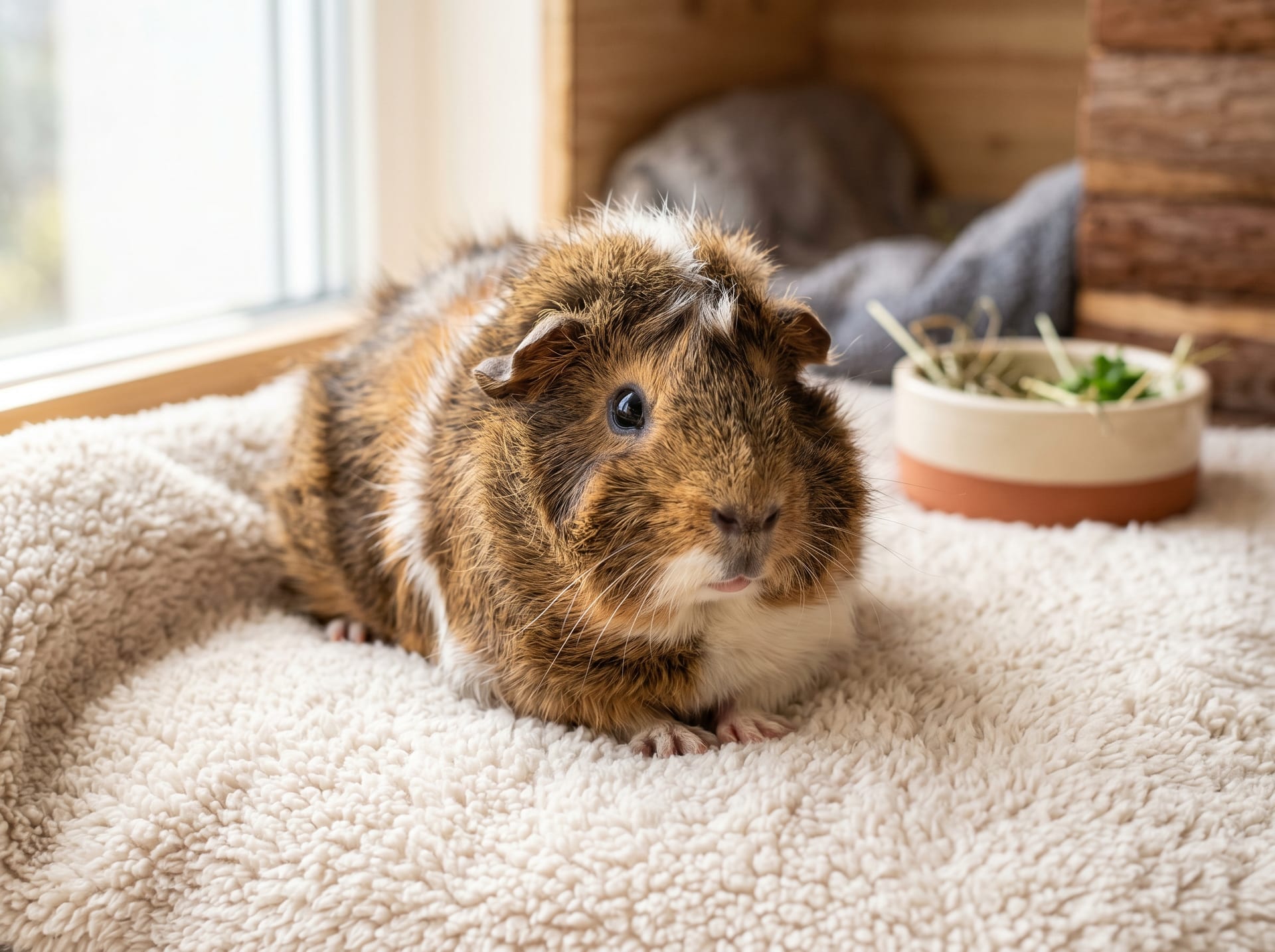
Bundle a handful of hay, wrap it loosely in jute twine, and tie it off. Rolling or batting the ball releases hay gradually, encouraging natural foraging behavior. Simple, cheap, and endlessly refillable.
Cardboard Maze / House Materials: Used cardboard boxes, box cutter
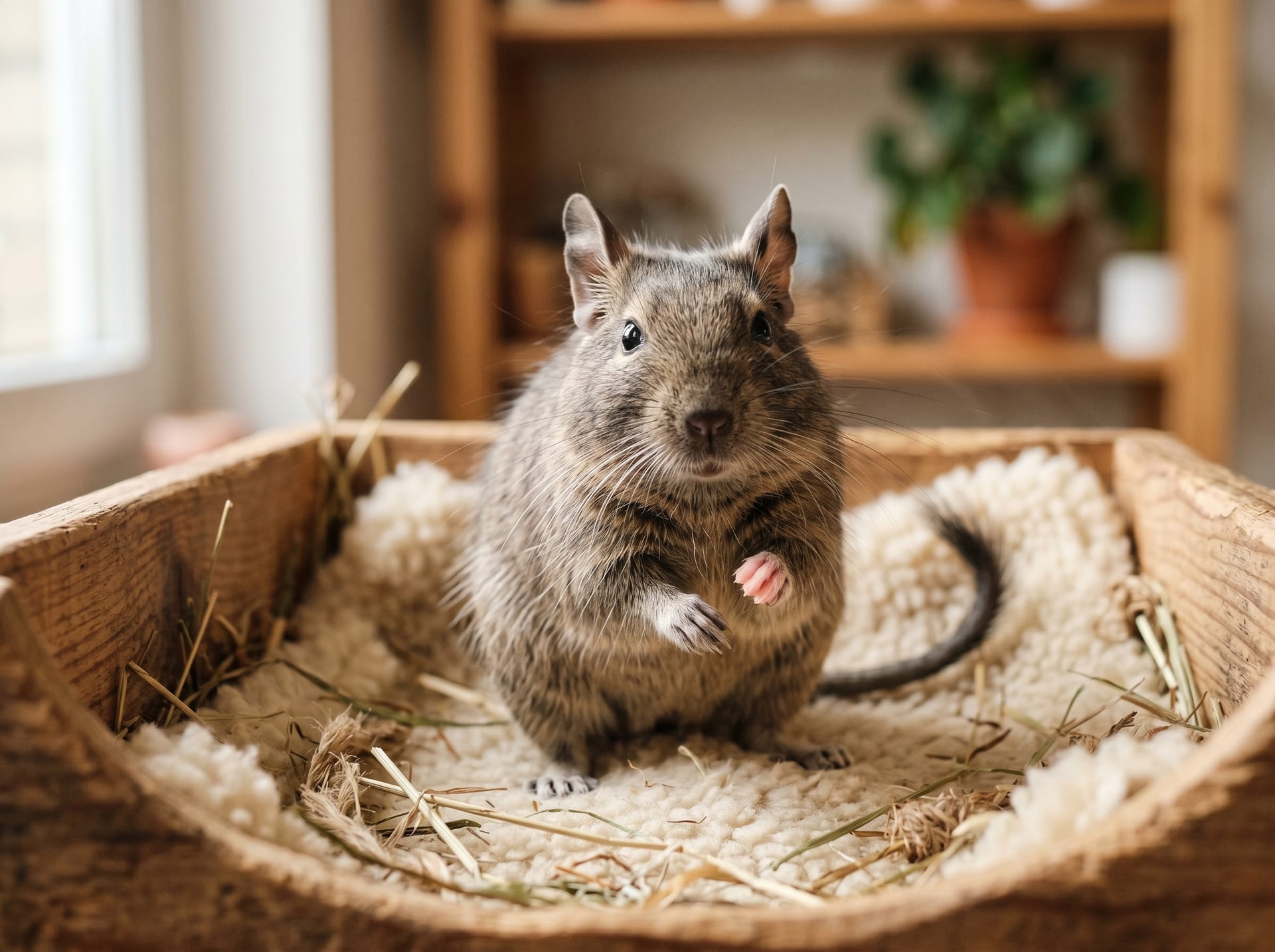
Cut and assemble cardboard boxes into tunnels, chambers, and multi-room structures. Multiple entry and exit points increase complexity. Degus and rabbits have a strong instinct to explore enclosed spaces and will investigate avidly. Replace the cardboard regularly as it gets gnawed down.
Dried Wild Grass Bedding Materials: Pesticide-free dandelion leaves, pampas grass, or other foraged grasses (dried)
Spread dried pesticide-free grasses over the cage floor for combined olfactory stimulation and foraging. Rabbits in particular love to tug, pull, and nibble dried grass. Always confirm the plant species and verify no pesticides were used in the collection area.
Treat-Dispensing Plastic Bottle Materials: Empty 500 ml plastic bottle (label removed), small amount of pellets or treats
Place a small quantity of pellets inside the bottle and secure the cap firmly. When rolled, the pellets rattle and occasionally dispense through the mouth — a classic foraging toy. Wash the cap thoroughly before use.
---
Reptiles
Reptile enrichment is best approached around two axes: foraging behavior and environmental exploration.
Cork Bark Hides Materials: Cork bark (widely available at hardware stores)
Cork bark is inexpensive, easy to shape, and completely safe for reptiles. Curving or stacking pieces creates hides of different sizes. Providing multiple hide options with different microclimates (warm/cool, open/enclosed) gives the animal choice and agency.
Foraging Tray (Lizards and Geckos) Materials: Shallow plastic tray, small amount of coconut coir or peat moss
Place a shallow layer of substrate in the tray and bury feeder insects (crickets, dubia roaches, frozen micro prey). The animal must dig and search to find food, triggering natural hunting and foraging sequences. Keep the tray clean between uses.
Rearranging Hardscape Materials: Driftwood and stones already in the enclosure
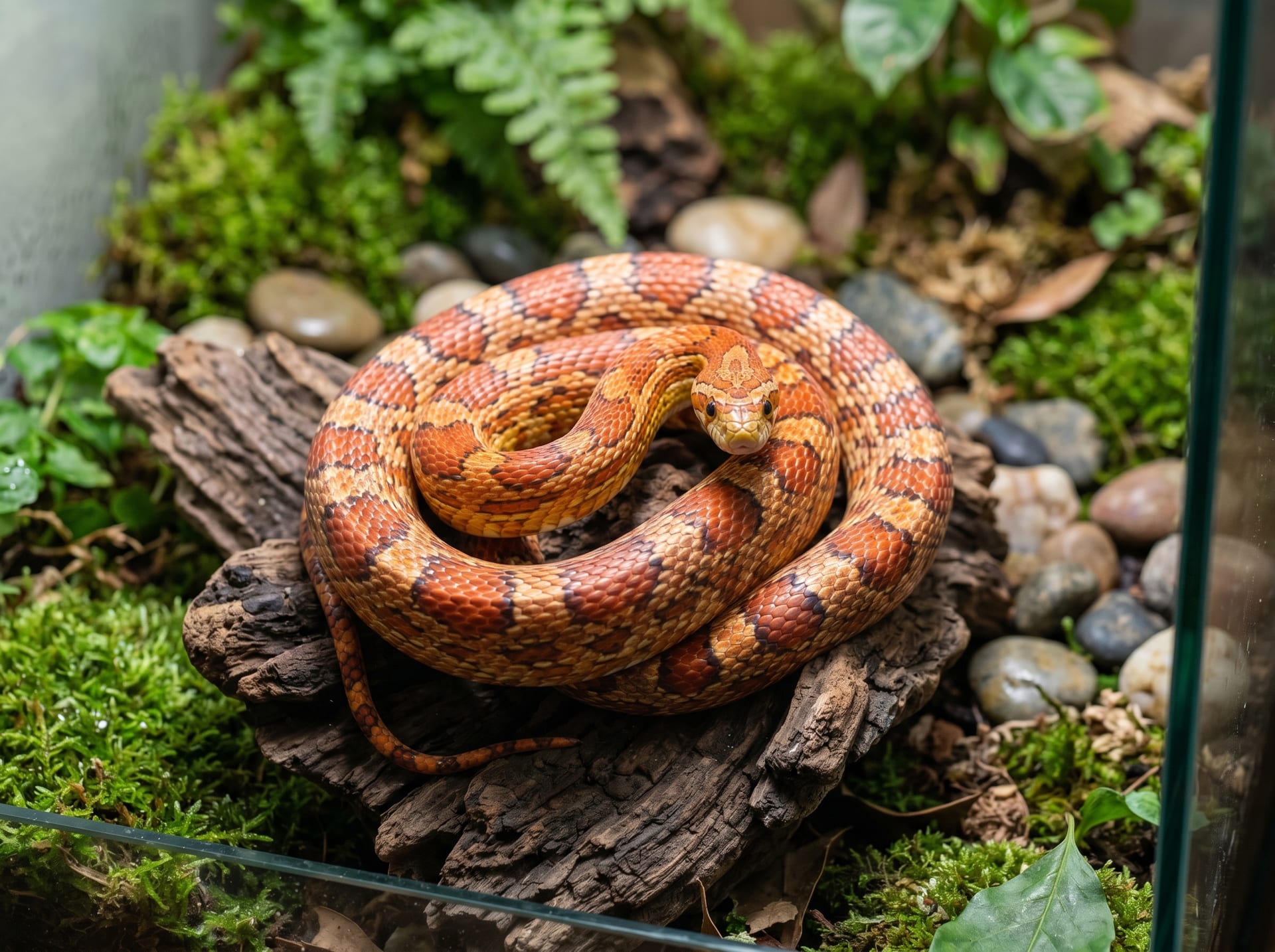
Periodically (once or twice a month) rearrange the driftwood, rocks, and hides in the enclosure. Even without introducing new objects, the changed layout triggers active exploration in most reptile species — particularly corn snakes, monitors, and many lizards. Monitor the animal after rearranging; some individuals need a day or two to settle.
Climbing Branches (Arboreal Species) Materials: Pesticide-free dead branches (dried and disinfected)
For chameleons, green tree pythons, and other arboreal species, horizontal branches at multiple heights enable full use of vertical space. If collecting branches from nature, harvest only from areas with no pesticide use, then either boil for 20 minutes or sun-dry thoroughly before introducing to the enclosure.
---
Fish and Aquatic Animals
Terracotta Flower Pot Caves Materials: Unglazed terracotta small pots (new, unused)
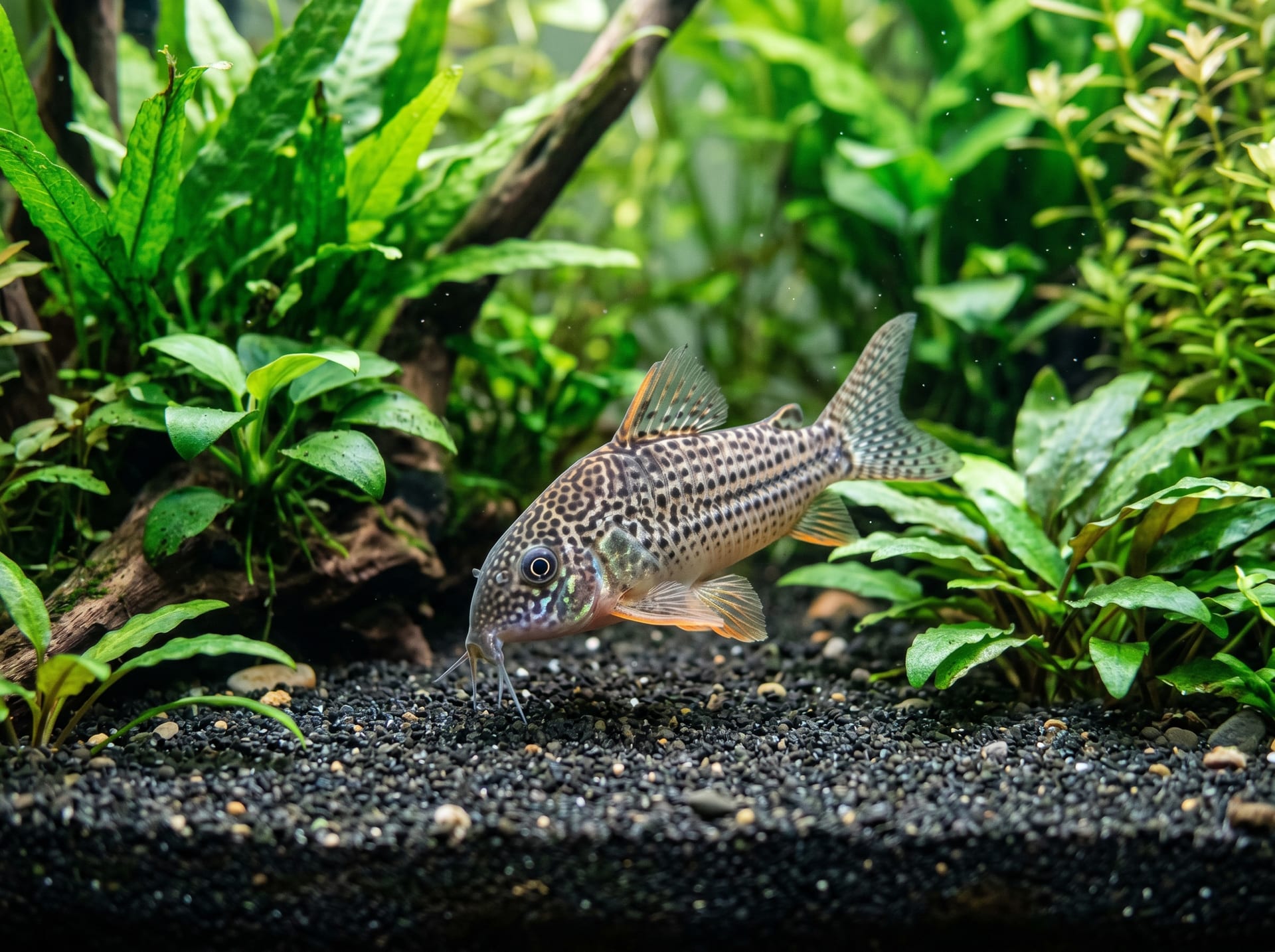
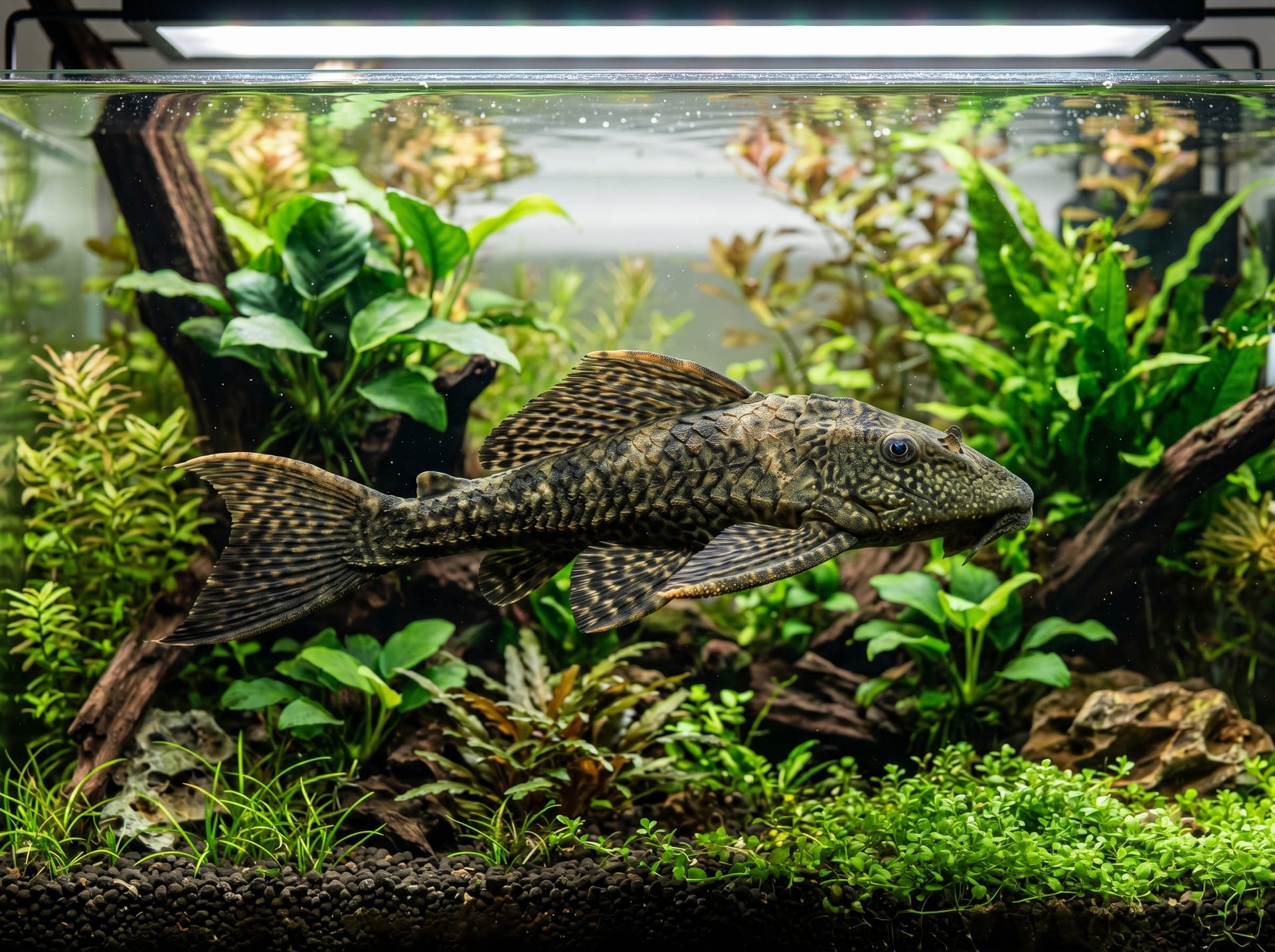
Lay an unglazed terracotta pot on its side in the aquarium. It immediately becomes a cave hideout. Always use unglazed pots — glazed ceramics may contain heavy metals that leach into water. Especially effective for bottom-dwelling species: loaches, corydoras, plecos.
Bamboo Charcoal Tube Bundle Materials: Bamboo charcoal pieces (untreated, from hardware or dollar stores)
Bundle several pieces of bamboo charcoal and lower them into the aquarium. The hollow centers create tube-shaped hides that fish investigate and shelter in. Bamboo charcoal also has mild water-conditioning properties. Introduce in small quantities and monitor water parameters.
Leaf Litter (Blackwater Effect) Materials: Indian almond leaves (Terminalia catappa), soapberry leaves, or other aquarium-safe leaves
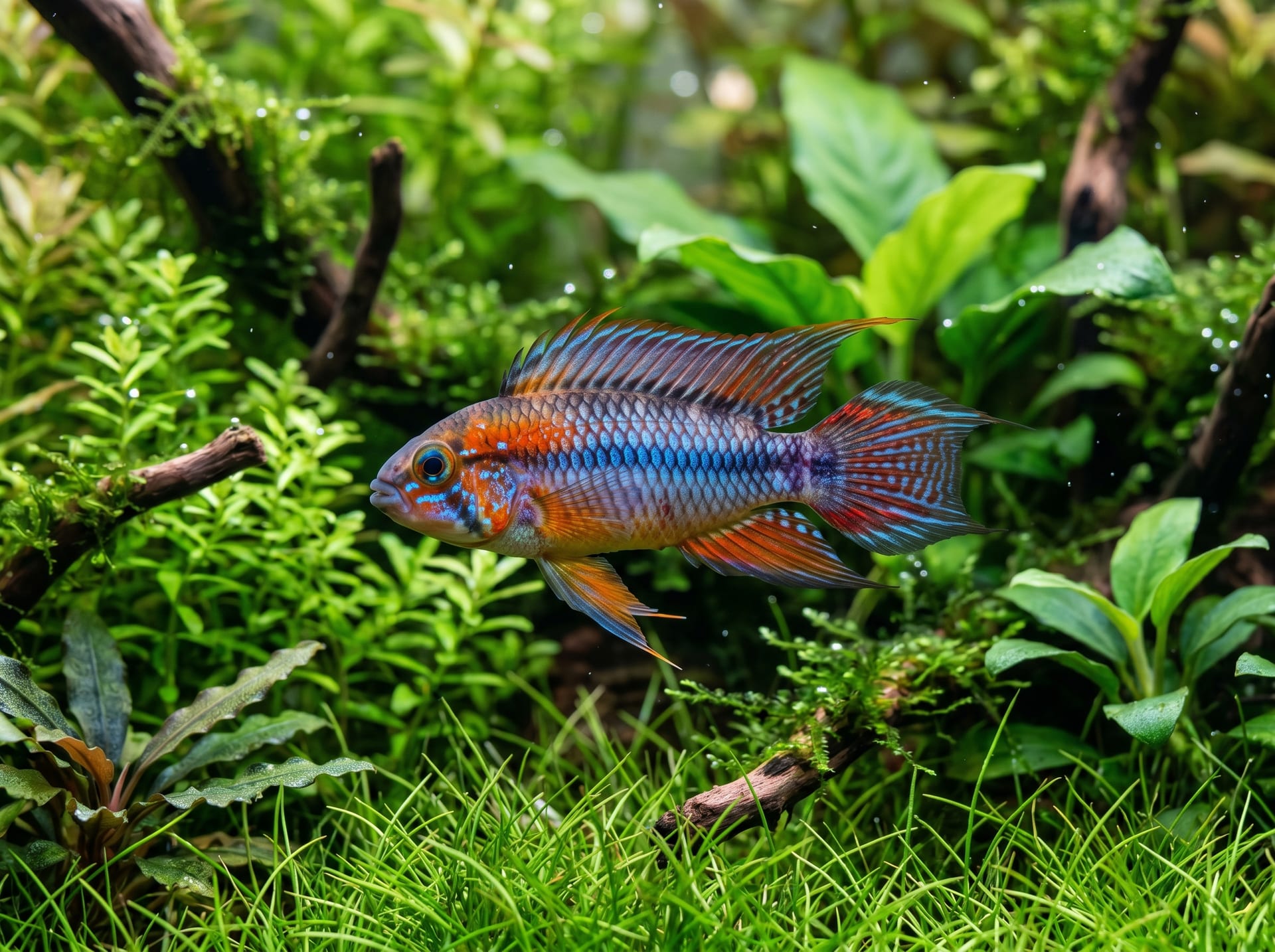
Tropical bottom-dwellers — corydoras, apistogramma, dwarf cichlids — naturally forage beneath layers of leaf litter on the substrate. A few safe dried leaves on the tank floor encourage this behavior. Commercial Indian almond (magic) leaves also lower pH slightly and release tannins beneficial to many soft-water species.
---
Birds
Newspaper Shredder Toy Materials: Plain unprinted newsprint or unused white paper, cut into thin strips
Stuff thin paper strips into the cage for the bird to shred, scatter, and carry. Species with strong nesting instincts will use the strips industriously. Replace daily.
Herbal Scent Pouch Materials: Pesticide-free dried lavender, chamomile, or other bird-safe herbs in a small cloth bag
Hang a small herb pouch in the cage for olfactory enrichment. Verify that any herbs used are confirmed safe for your specific bird species — some herbs are toxic to birds. Introduce new scents gradually to avoid stress.
---
Summary
Commercial enrichment products are not necessary for effective animal enrichment. What matters is understanding the natural behaviors of your animal and providing regular opportunities to express them. With DIY items, safety verification is non-negotiable — but once you have that foundation, the creative possibilities are wide open.
---
On br-choku, enrichment-focused breeders and keepers share their expertise alongside the animals they sell. When you purchase from br-choku, you are not just buying a pet — you are gaining access to the lived knowledge of people who prioritize animal welfare every day.