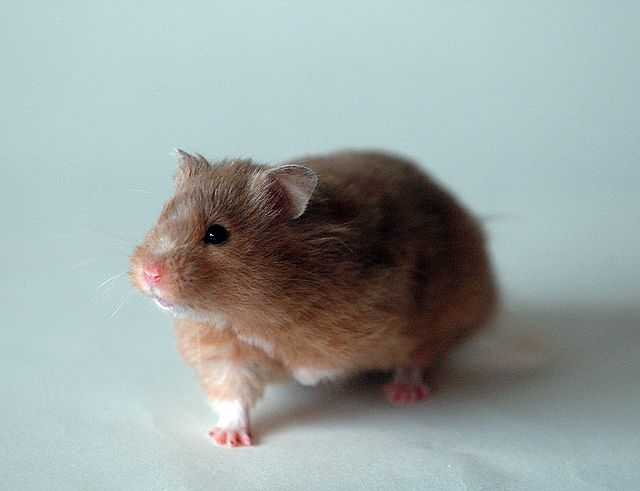
Average Lifespan and Age of Onset of Aging in Teddy Bear Hamsters
Teddy Bear Hamsters (long-haired Golden Hamsters) have an average lifespan of 1.5–3 years. They tend to live longer than smaller dwarf hamster species like Djungarian and Roborovski hamsters, though they fall within roughly the same lifespan range as standard Golden Hamsters.
Stages of Aging Guide
| Age (months) | Stage | Characteristics |
|---|
| 0–6 | Juvenile to Adult | Active; growth period |
| 6 months–1.5 years | Prime Age | Peak activity level |
| 1.5–2 years | Early Senior | Activity level decreases slightly |
| 2 years+ | Late Senior | Clear aging signs |
Teddy Bear Hamsters over 2 years old require special senior care.
Distinguishing Normal Aging Signs from Abnormal Symptoms in Senior Hamsters
Because signs of aging and disease can be similar, it is important not to miss any changes.
Changes in Appearance and Coat Condition
Normal Aging
- Coat loses its shine
- Gray or white hairs appear
- Long hair becomes slightly finer
Signs That Require Veterinary Care
- Localized hair loss (circular or multiple patches): possible allergy, fungal infection, or Cushing's syndrome
- Matted or soiled fur (inability to self-groom): possible pain or neurological disorder
- Redness or scabs on skin: possible dermatitis or mite infection
Changes in Behavior and Activity Level
Normal Aging
- Decreased frequency and duration of wheel use
- Altered eating and sleeping patterns
- Movements become slower
Signs That Require Veterinary Care
- Complete cessation of wheel use (possible hind leg paralysis or pain)
- Little to no water intake or excessive drinking
- Marked appetite loss lasting 3+ days
- Staggering, loss of balance, inability to walk straight
Common Diseases in Teddy Bear Hamsters
1. Tumors (Most Common Disease in Golden Hamsters)
Golden Hamsters have an exceptionally high rate of tumor development among all small rodents, and Teddy Bear Hamsters are no exception.
Common Tumor Sites
- Cheek pouches (tumors within pouch or pouch prolapse)
- Skin and subcutaneous tissue (lumps on flanks)
- Uterus (uterine adenocarcinoma in unspayed females)
Methods for Early Detection
- During weekly handling, gently run your hands over the entire body to check for firm lumps
- Visually inspect the face and cheeks for asymmetrical swelling
- In females, check for asymmetrical abdominal swelling
Treatment
Early-stage subcutaneous tumors may be surgically removable. If you notice a lump, seek veterinary care promptly. Waiting and watching may allow the tumor to progress.
2. Malocclusion and Dental Disease
Hamster teeth grow continuously throughout life. If a hamster has fewer opportunities to gnaw on hard objects, malocclusion (misalignment of teeth) can develop, leading to appetite loss, excessive drooling, and weight loss.
Prevention
- Keep hardwood chew toys and mineral blocks in the cage at all times
- In addition to pellets and dry food, regularly offer hard vegetables (pumpkin skin, carrots, etc.)
Suspected Symptoms
- Wet mouth area or excessive drooling
- Increased dropping of food after picking it up
- Frequent gnawing or touching at the mouth
3. Kidney Disease and Polyuria
This condition becomes more common in senior hamsters.
Signs
- Water bottle empties rapidly
- Increased or severely decreased urine output
- Poor coat condition and dehydration (skin turgor reduced)
Treatment
If symptoms persist, request blood and urine tests to assess kidney function. Switching to a kidney-support, low-protein diet may slow disease progression.
4. Hind Leg Paralysis
Hind leg paralysis can occur with age. Causes include spinal deformation, neurological disorders, or tumor compression.
Treatment
If hind leg paralysis develops, remove the wheel as it becomes dangerous. Eliminate height differences in the cage and provide shallow water dishes to create an environment where your hamster can live comfortably without using their hind legs. While complete recovery is unlikely, maintaining quality of life is possible.
Adjusting the Living Environment for Senior Hamsters
Making the Cage Barrier-Free
Consider the following changes once your hamster reaches 2 years of age.
- Wheel: Replace with a low-speed, safer design that minimizes hind leg strain, or remove it based on usage
- Bedding: Use thick (10+ cm), soft materials (hay or pulp-based bedding) to cushion joints
- Hide: Switch to a design with wide openings and no elevation differences
- Nesting material: Change weekly to maintain cleanliness. Seniors have compromised immunity and higher infection risk
Importance of Temperature Control
Senior Teddy Bear Hamsters are more sensitive to temperature fluctuations.
- Year-round: 20–24°C (68–75°F)
- Summer: Above 28°C (82°F) poses heat stroke risk. Air conditioning is essential
- Winter: Below 15°C (59°F) risks torpor (hibernation-like state), which is physically exhausting and dangerous
Dietary Adjustments for Senior Hamsters
| Item | Young Adults | Senior |
|---|
| Pellets | Appropriate amount | Reduce amount; choose high-quality brands |
| Protein | Normal amount | Reduce slightly to ease kidney load |
| Water | Standard | Provide fresh water at all times; prevent dehydration |
| Vegetables | Small amount | May increase slightly for additional hydration |
| Seeds/Fatty foods | Small amount | Further reduce to prevent obesity risk in seniors |
End-of-Life Care and Hospice
The end-of-life stage (2.5+ years) of Teddy Bear Hamsters is marked by loss of appetite, immobility, and rapid weight loss.
End-of-Life Care Principles
- Avoid unnecessary external stimulation (minimize handling)
- Switch to soft, easy-to-eat foods (steamed vegetables, gel-based supplements)
- Consult your veterinarian about palliative care (pain management)
- Maintain a clean, warm, and quiet environment
Many caregivers who have experienced end-of-life care say "in the end, they pass away quietly as if falling asleep." Creating a peaceful, pain-free environment is the final act of love.
Summary
Key points for senior care to help your Teddy Bear Hamster achieve longevity:
- Once your hamster reaches 2 years of age, begin special observation and care for the senior stage
- During weekly handling, detect tumors, weight changes, and skin abnormalities early
- Understand common senior conditions (malocclusion, kidney disease, hind leg paralysis) and seek veterinary care early
- Make the environment barrier-free and prepare for a comfortable end-of-life stage
Supporting your beloved companion carefully through their golden years is the key to achieving longevity beyond 3 years.
If you're looking for pet-friendly housing for your small animal, consider searching sumuie.jp's rental property service with filters like "pet-friendly" or "small animal accommodations."