Suzumushi are insects that produce beautiful chirping sounds from summer to autumn in Japan and are a popular autumn symbol as pets. This article explains practical methods for understanding the suzumushi breeding cycle and achieving success from egg-laying through larval management.
Understanding the Suzumushi Breeding Cycle
Suzumushi (scientific name: Meloimorpha japonica) are univoltine insects that overwinter in the soil as eggs and hatch in spring the following year. Adults lay eggs around August to October, and the eggs remain dormant in the soil until around May to June of the following year. Properly managing this dormancy (diapause) is key to successful breeding.
Identifying Healthy Adults for Breeding
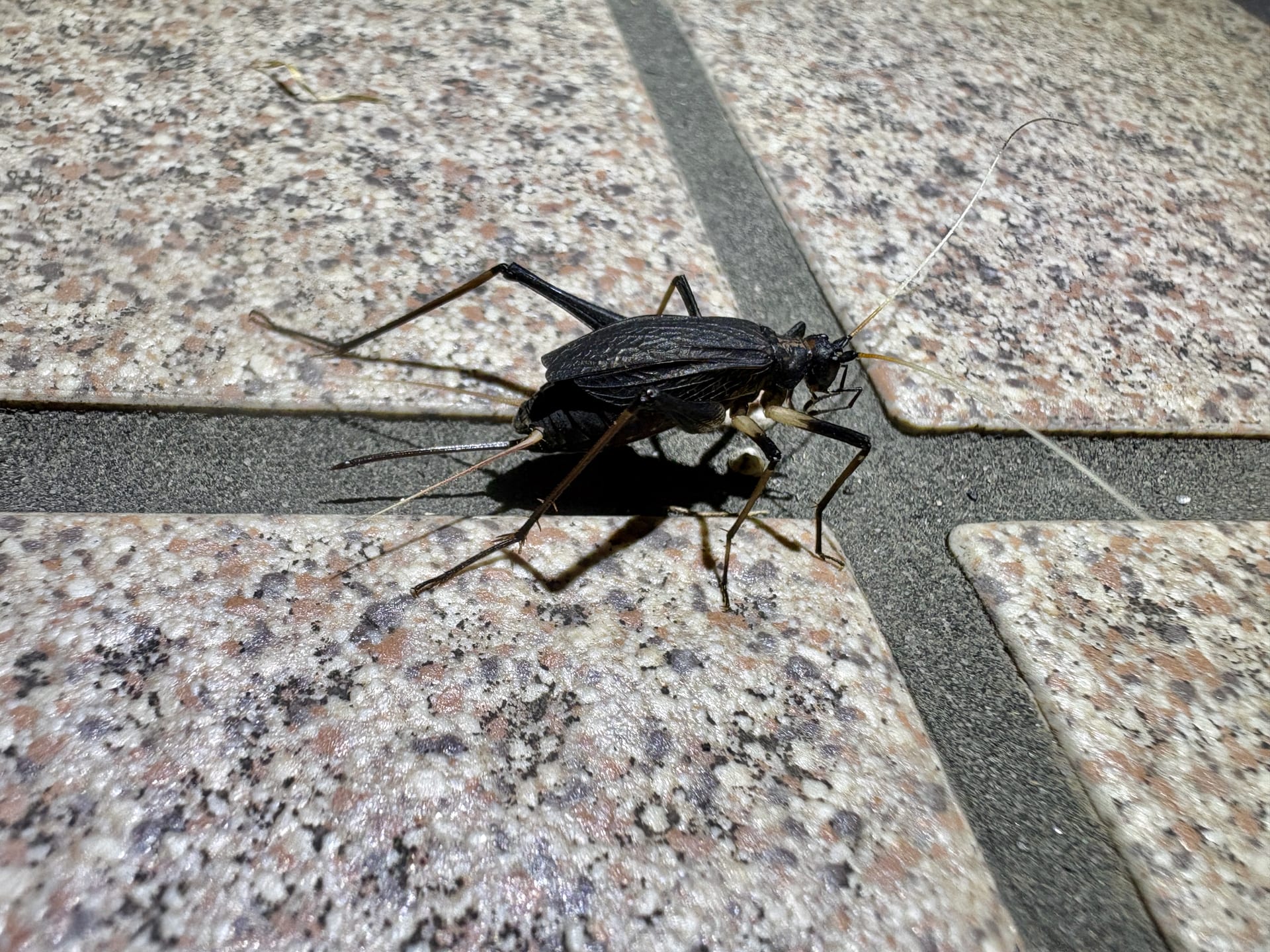
Healthy adult pairs are necessary for breeding. Males can be identified by rubbing their wings together to chirp, while females are distinguished by their ovipositor (a long protrusion at the end of the abdomen). Adults develop approximately 50-60 days after hatching, and egg-laying begins 1-2 weeks after emergence. Select individuals with active chirping and vigorous appetite for breeding.
Preparing the Spawning Bed
Suzumushi lay eggs in slightly moist soil. If the spawning bed is not properly prepared, they may not lay eggs, so establish the following conditions.
Spawning Bed Materials and Depth
Recommended spawning bed materials:
- Insect mat (fermented mat): High moisture retention and promotes egg-laying
- Red clay pellets (small): Clean and easy to manage
- Leaf mold: Similar to natural environment
Ensure a minimum depth of 5cm or more. Female suzumushi insert their ovipositors into the soil and deposit eggs at a depth of 2-3cm. If too shallow, they may refuse to lay eggs.
Humidity Management of the Spawning Bed
The spawning bed humidity should be "firm when squeezed but without water dripping." If too dry, they will refuse to lay eggs; if too wet, mold develops and eggs rot. Maintain a slightly moist surface with a spray bottle and check the condition regularly.
Management During Egg-Laying Period (August-October)
Maintaining a stable rearing environment during the egg-laying period is important.
Key points for the egg-laying environment:
- Temperature: 25-30°C is suitable for egg-laying (activity decreases above 30°C)
- Photoperiod: Follow the natural day-night cycle
- Hiding places: Add cork bark, charcoal, or driftwood to create an environment where females can settle and lay eggs
- Density: Overcrowding reduces egg-laying and causes stress. Maintain approximately 5-10 individuals per 10-20cm square container
Avoid disturbing them during egg-laying and keep them in a quiet location. Lightly mist the spawning bed to add water if it dries out.
Egg Collection and Overwintering Management
Suzumushi adults reach the end of their lifespan around September to October. Once the adults die, remove the spawning bed and transition to overwintering management.
Removing the Spawning Bed
Carefully remove the spawning bed from the rearing container without breaking it apart. The eggs are so small they are difficult to see with the naked eye (approximately 1.5mm in length) and are milky white and oval-shaped. Spreading the spawning bed thinly and checking may reveal the presence of eggs.
Overwintering Management Methods
Place the collected spawning bed in a vinyl bag to prevent drying and manage it in a refrigerator (5-10°C) or allow it to overwinter outdoors in a location protected from rain (0-10°C).
Key points for overwintering management:
- Don't allow it to completely dry out (lightly mist with water once every 1-2 months)
- Freezing is absolutely prohibited (manage so temperature does not drop below 0°C)
- Excessive moisture also causes mold, so humidity control is important
- Store in a dark, quiet place during winter
Overwintered eggs begin to hatch in spring (around May) as temperatures rise. Managing accumulated temperature is important for promoting hatching.
Determining Hatching Timing
Once May arrives, return the spawning bed to room temperature and gradually increase the temperature. Hatching begins when the temperature reaches 15°C or above and is most active around 25°C. If you want to accelerate hatching, heating to 25-28°C allows hatching from early May.
Precautions During Hatching
Hatched larvae are extremely small (2-3mm) and move quickly. Manage them with the following precautions.
- Mite control: Mites easily infest containers after hatching. Use clean, new substrate
- Drowning prevention: Use shallow water dishes or cotton soaked with water for water sources
- Escape prevention: Larvae are small and may escape through ventilation holes. Use containers with fine mesh
Rearing Larvae
Hatched larvae become adults in approximately 50-60 days. Larval management directly affects adult quality.
Feeding
Suzumushi are omnivorous and prefer to eat the following foods.
Main foods:
- Insect jelly (high-protein type for adults is optimal)
- Vegetables such as eggplant and cucumber (also provides moisture)
- Dried sardines and bonito flakes (protein sources)
- Commercially available suzumushi-specific food
Larvae grow by repeatedly molting (approximately 7-8 times). Before and after molting is a delicate period, so provide abundant food and multiple hiding places to create a calm environment.
Molting Management and Density
As larvae increase, density becomes too high, causing cannibalism and molting failure. Thin to approximately 20-30 individuals per container 2-3 weeks after hatching to maintain appropriate density.
Benefits of Obtaining Quality Individuals from Breeders
To stabilize suzumushi breeding, it is important to first secure healthy breeding stock. Through BreederDirect, you can purchase healthy suzumushi from established breeders and directly verify their rearing conditions and breeding track records. A major benefit is also receiving advice from breeders on spawning bed preparation and larval management.
Conclusion
While suzumushi breeding requires year-round cycle management, beginners can succeed by carefully managing three steps: preparing the spawning bed, overwintering the eggs, and promoting spring hatching. Breed your own suzumushi with beautiful chirping and further enjoy the charm of Japanese autumn.