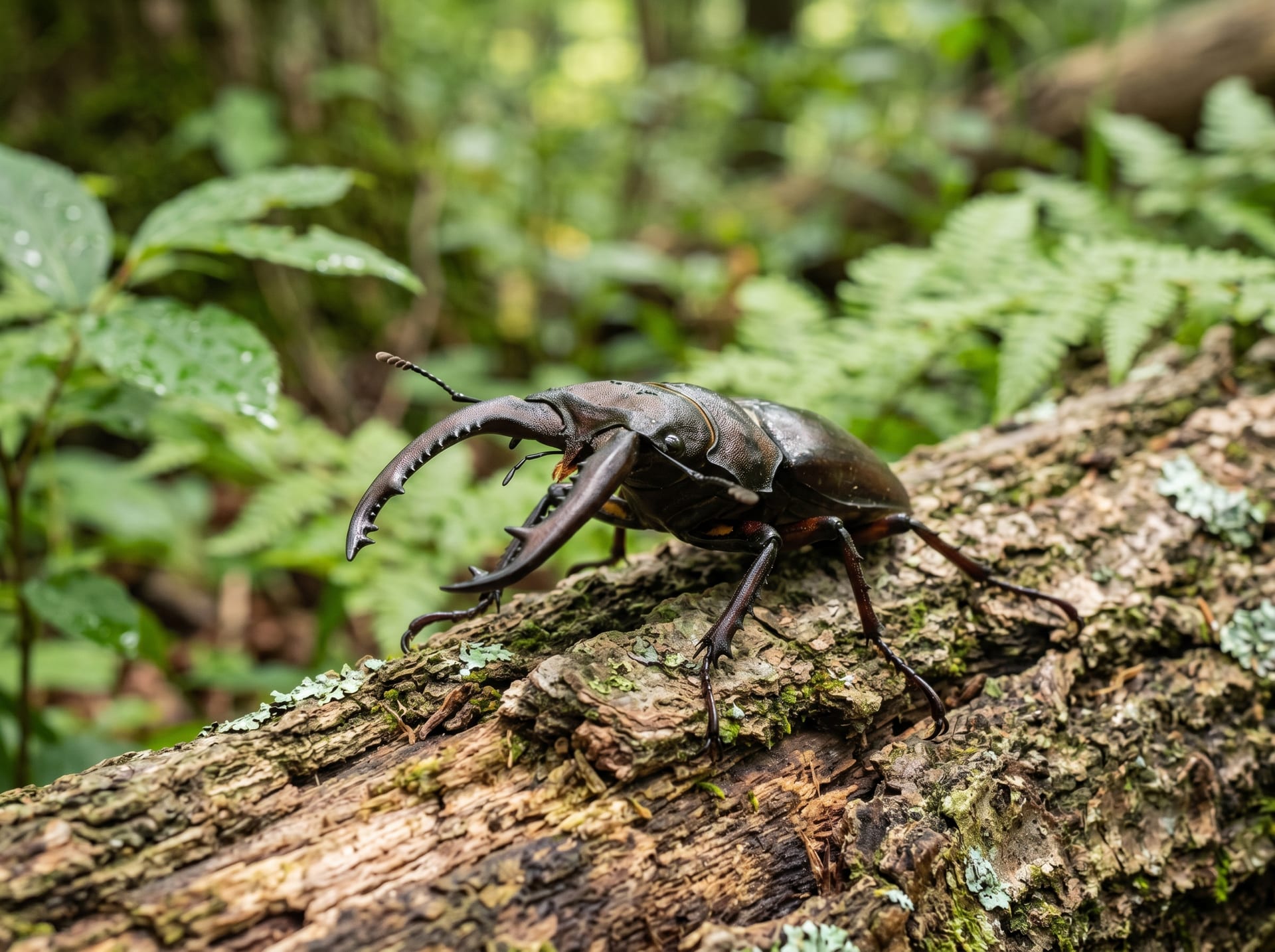
Breeding Guide for Insects | Reproduction and Larval Management of Rhinoceros Beetles and Stag Beetles
A guide to breeding methods for rhinoceros beetles and stag beetles, from setting up breeding containers to larval management. We've compiled information on selecting spawning wood and substrate, temperature control, fungal substrate bottle rearing, and key points from pupation to emergence.
Key Takeaways
A guide to breeding methods for rhinoceros beetles and stag beetles, from setting up breeding containers to larval management. We've compiled information on selecting spawning wood and substrate, temperature control, fungal substrate bottle rearing, and key points from pupation to emergence.
Breeding rhinoceros beetles and stag beetles is one of the most rewarding aspects of insect keeping. The experience of raising eggs through larvae, pupae, and finally to emerged adults in your own hands captivates people of all ages, from children to adults. However, simply housing a pair together won't result in successful egg-laying. It requires proper setup tailored to each species' habits and careful management during the larval stage to consistently raise healthy offspring. This article provides step-by-step detailed guidance from setting up the breeding container to post-emergence care, suitable for beginners attempting breeding for the first time.
✍️
BreederDirect Editorial
The BreederDirect editorial team specializes in care information for animals, covering veterinary care and breeding to deliver beginner-friendly guides.
Find Insects on BreederDirect
Buy directly from verified breeders
Browse Related Listings
Find Insects listings related to this article on BreederDirect. Buy directly from verified breeders.
The success or failure of breeding largely depends on the condition of the parent insects. First, you need to confirm post-feeding. Newly emerged adults have immature digestive and reproductive organs, so they cannot be used for mating or egg-laying until they begin eating ("post-feeding"). This takes about 1–2 months after emergence for rhinoceros beetles and can take 2–6 months for large stag beetles like the Japanese giant stag beetle.
Key points when selecting parent insects are as follows:
Males: Those without damage to legs or mandibles, moving actively
Females: Those with firm abdomens and rounded body shape (a sign they have accumulated nutrients necessary for egg-laying)
Lineage and Size: If aiming for large individuals, selecting parent insects from proven bloodlines is a shortcut to success
When purchasing directly from breeders, a major advantage is being able to confirm the emergence date and lineage information.
Preparing and Setting Up the Breeding Container
Breeding containers vary greatly by species. Using the wrong materials or environment can cause females to not lay eggs at all, so prepare your setup with a thorough understanding of the species' characteristics.
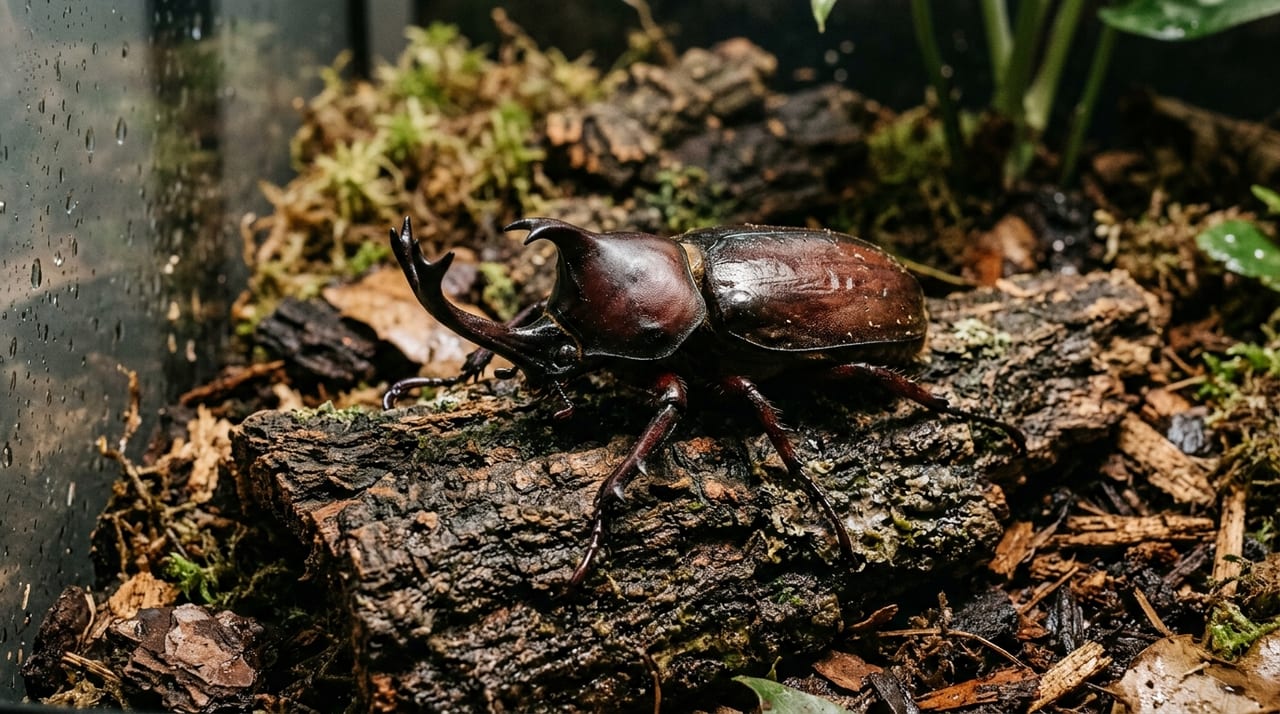
Rhinoceros Beetle Breeding Container
Rhinoceros beetles lay eggs within decomposed leaf mold substrate. Substrate selection is the most critical factor—avoid unfermented or over-additive products.
Container Size: Medium to large container (capacity of 30L or more is ideal)
Substrate Depth: 15cm or more. Press the bottom half firmly, keep the top half loose and airy
Temperature: 25–28°C is optimal for egg-laying. Egg production decreases above 30°C
Moisture: Substrate should clump when squeezed but crumble when released (squeeze test)
After setup, place in a dark, quiet location and check only the surface for dryness about once every 1–2 weeks.
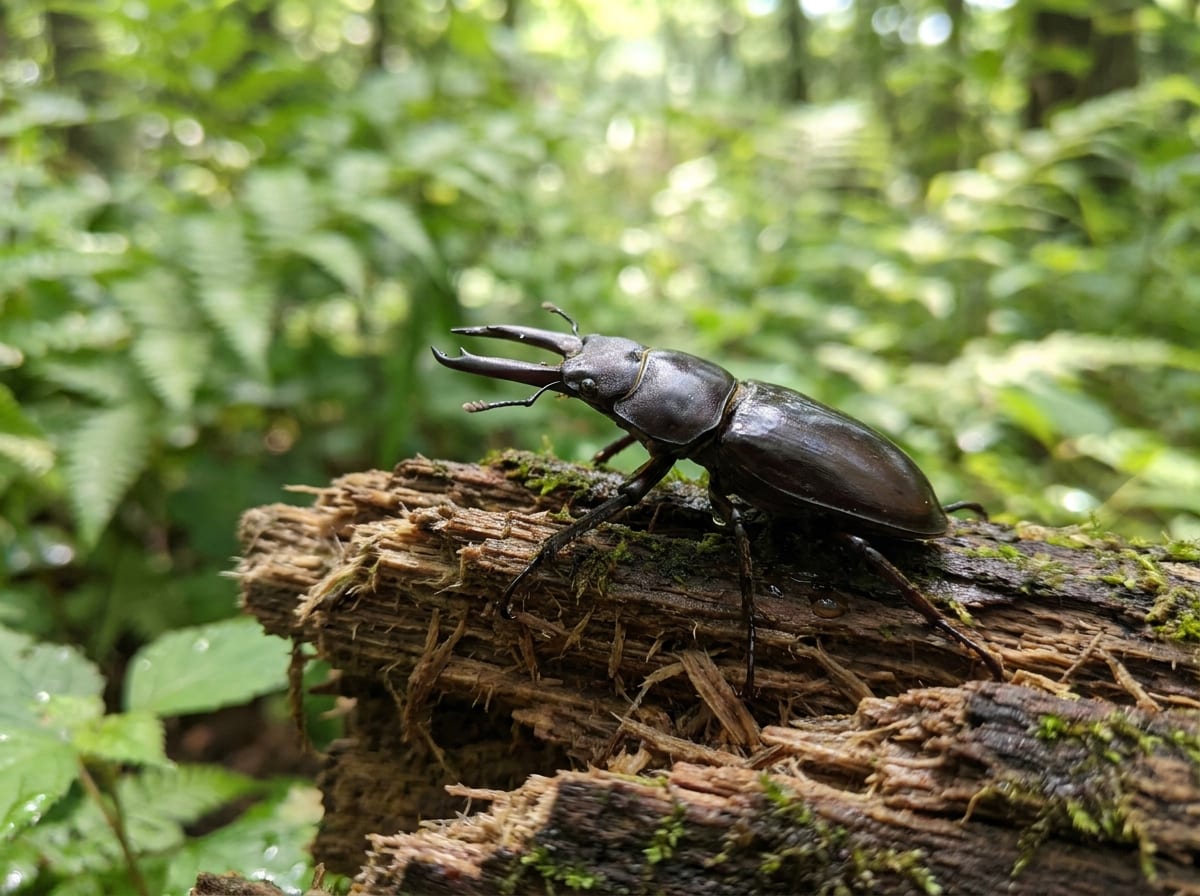
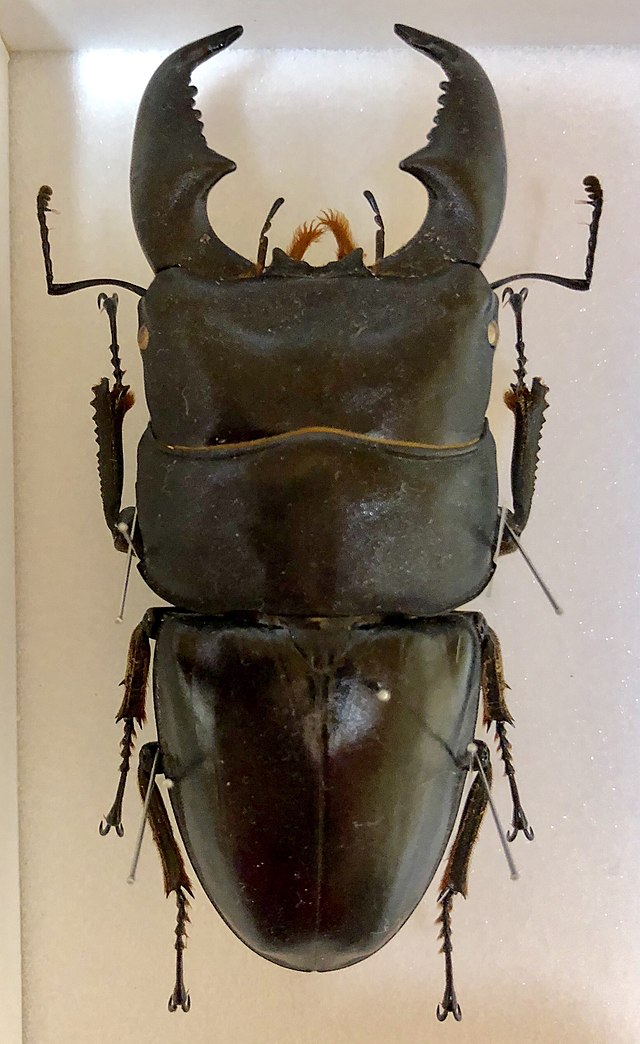
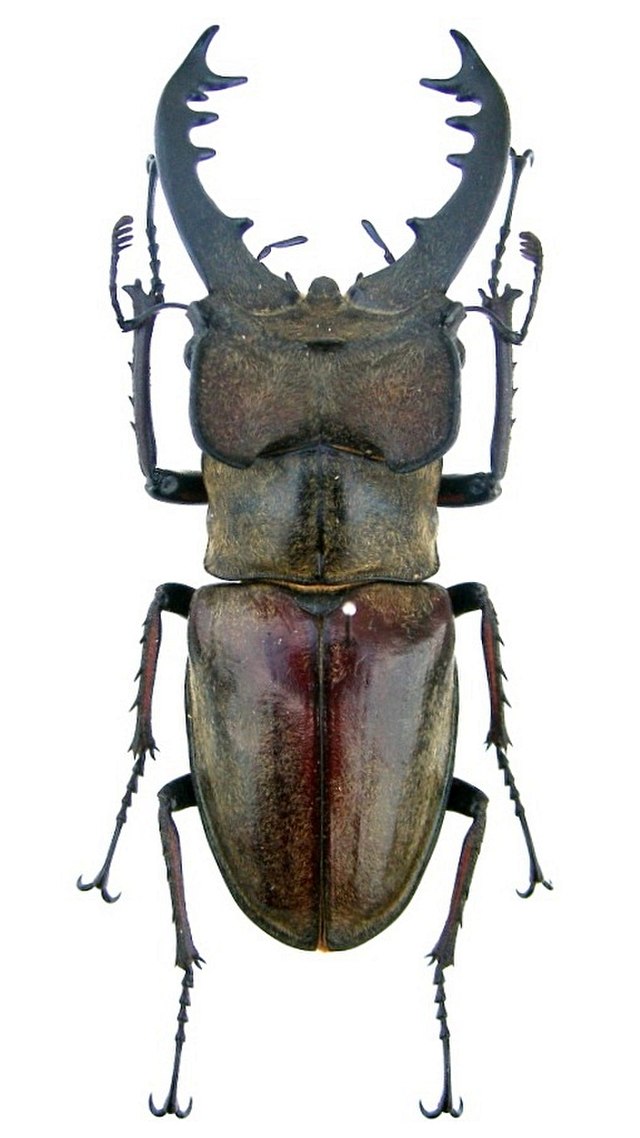
Stag Beetle Breeding Container
Stag beetles vary by species in their egg-laying method: "wood-laying," "substrate-laying," or "mixed" types.
Wood-laying Type (Japanese giant stag beetle, small stag beetle, flat stag beetle, etc.)
Soak spawning wood (oak or Japanese red pine) in water for several hours to hydrate, remove the bark, then embed halfway in substrate
Substrate hardness preference varies by species (Japanese giant stag beetles prefer medium-hard wood)
Layer 3–5cm substrate at the container base and secure the spawning wood so it doesn't move
Substrate-laying Type (Saw stag beetle, Japanese longhorn beetle, etc.)
Firmly compress and pack fully fermented substrate into the container
Ensure substrate depth of 10–15cm or more
Saw stag beetles in particular prefer firm packing, so apply pressure carefully layer by layer
For all types, the standard temperature setting is 22–25°C. Species sensitive to heat (such as Japanese longhorn beetle) require management below 20°C.
Mating Methods and Confirming Egg-Laying
Mating (Pairing) Methods
There are two types of mating methods: "co-housing" and "hand pairing."
Co-housing: Keep male and female in the same container for several days to a week. Effective for rhinoceros beetles, but caution is needed with stag beetles as the male's mandibles can injure females
Hand pairing: The caretaker holds the male and female together and directly observes mating. Particularly recommended for stag beetles. Remove the male immediately once mating is confirmed
Confirming Egg-Laying and Collecting Eggs
Three to four weeks after setting up the breeding container is the ideal timing for collecting eggs. Sometimes larval shapes are visible through the container's sides.
Egg collection should be done carefully while gradually breaking down the substrate or spawning wood. Use tweezers or fingers to gently remove white, round eggs (2–3mm diameter) or first-stage larvae without damage. Eggs are extremely delicate, so avoid holding them too forcefully with bare hands. Collected eggs should be transferred to individual containers with a small amount of the same substrate as the breeding container.
Larval Rearing and Management
Larval stage management greatly impacts the adult beetle's size and health.
Rhinoceros Beetle Larval Rearing
Rhinoceros beetle larvae grow by feeding on decomposed leaf mold substrate. As they progress through 1st, 2nd, and 3rd instars, substrate quantity and replacement timing are important.
Rearing Container: Individual containers for each larva (to avoid cannibalism)
Substrate Replacement: Change approximately every 2–3 months, or whenever feces accumulate
Temperature: 20–28°C. Avoid 30°C and above
Before Pupation: Replenish substrate as it decreases, maintaining conditions favorable for pupa chamber formation
Stag Beetle Larval Rearing
Fungal substrate bottles are extremely effective for rearing stag beetle larvae. Larvae efficiently absorb wood components decomposed by oyster mushroom or turkey tail fungi, making them more likely to develop into larger adults compared to substrate-only rearing.
Fungal Substrate Bottle Replacement: Approximately every 2–3 months. Replacement is needed when fungal culture deteriorates or feeding marks increase
Temperature Management: Varies by species, but 20–23°C suits most stag beetles
Protecting the Pupa Chamber: Once pupation occurs, avoid vibration and temperature fluctuations, keeping as still as possible. If the pupa chamber collapses, transfer to an artificial pupa chamber (sponge or base)
Common Precautions
Be Careful of High Temperatures: Both larvae and pupae can be fatally affected above 30°C. During summer, rear in a dark place or temperature-controlled room
Prevent Oxygen Depletion: Use containers with breathing holes in the lid and avoid overpacking substrate
Avoid Excessive Observation: Frequently excavating to check the pupa chamber can cause emergence deformities
Summary | Breeding Success Comes from Preparation and Observation
Breeding rhinoceros beetles and stag beetles fundamentally depends on proper preparation and continuous observation. Selecting breeding container materials, managing temperature and humidity, maintaining larval stage conditions—success in each process results in healthy adult emergence.
For beginners, starting with species that relatively easily lay eggs, such as rhinoceros beetles or small stag beetles, can lead to successful experiences. As you gain experience, expanding to more specialized species like Japanese giant stag beetles or foreign stag beetles opens up new enjoyment.
Acquiring quality parent insects is also a shortcut to breeding success. At BreederDirect, experienced breeders directly sell individuals with detailed information including lineage, size, and emergence date. Please start with reliable parent insect selection.