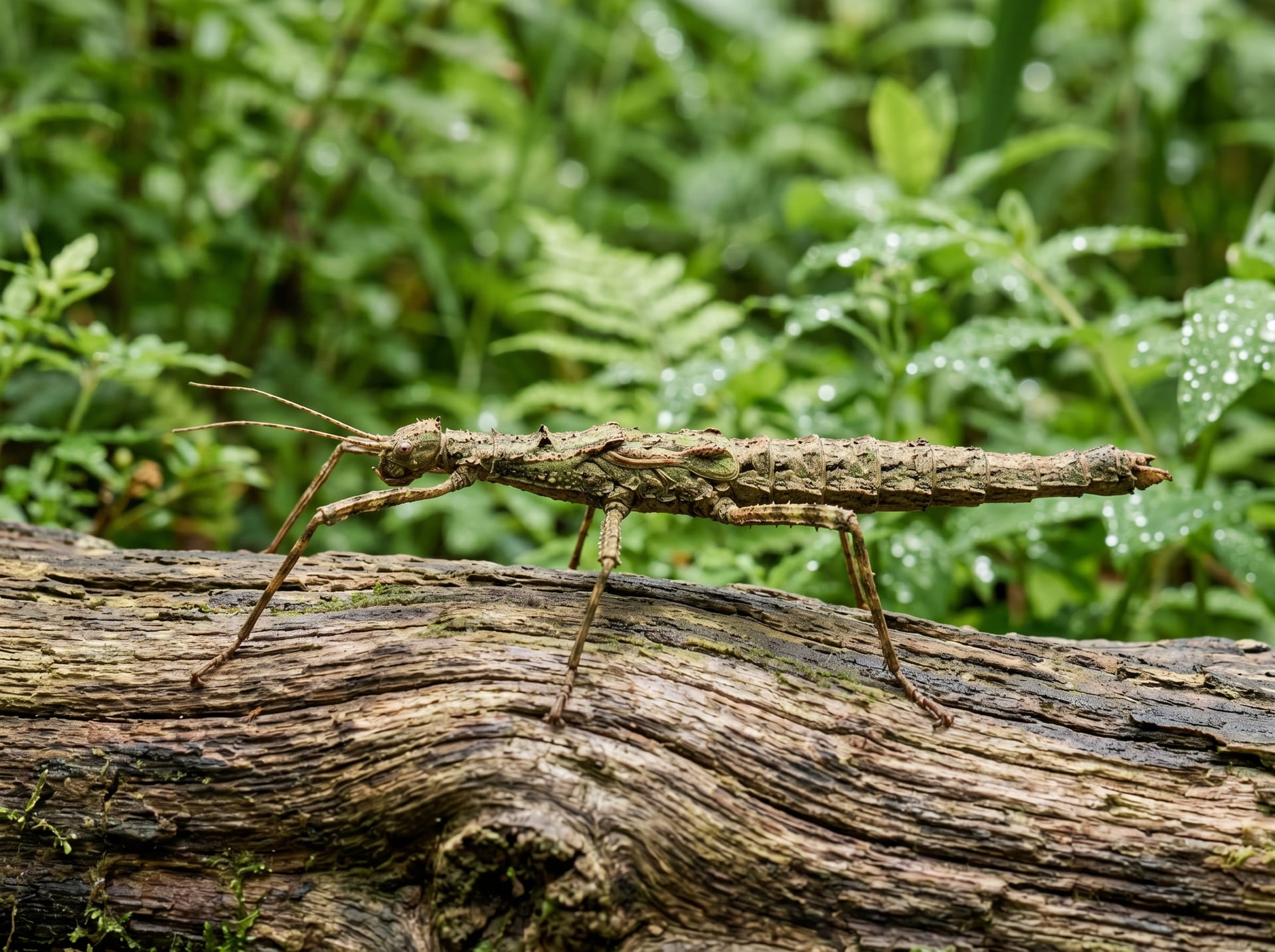
Stick insects (Phasmatodea) are insects that camouflage perfectly as tree branches and leaves, with over 3,000 species found worldwide. They possess such sophisticated mimicry that they are invisible when still, and observing them can create the surprising experience of watching a "branch suddenly walk away."
✍️
BreederDirect Editorial
The BreederDirect editorial team specializes in care information for animals, covering veterinary care and breeding to deliver beginner-friendly guides.
Find Insects on BreederDirect
Buy directly from verified breeders
Browse Related Listings
Find Insects listings related to this article on BreederDirect. Buy directly from verified breeders.
Related Tools
Related Articles
Browse by Category
🪸Coral
🐠Marine Fish
🐟Tropical Fish
🐡Goldfish
🐟Medaka
🦎Reptiles
Share
They are easy to care for, produce minimal odor, and are relatively quiet, making them ideal for beginners in insect keeping. In addition to the Japanese species like Ramulus mikado, various foreign species are available in the market, including Okinawan stick insects and Malaysian giant stick insects.
Popular Species for Keeping
Japanese Stick Insect (Ramulus mikado)
The most popular species found throughout Japan. Individuals are either green or brown, and all are female (parthenogenesis). Ideal for beginners in insect keeping.
Taiwan Stick Insect (Medauroidea extradentata)
A popular foreign species. Compact and easy to care for, also suitable for beginners with foreign species. Reproduces through parthenogenesis.
Malaysian Giant Stick Insect (Heteropteryx dilatata)
Females reach approximately 15 cm, making them a large species. Unlike the green females, males are brown with distinctly different markings.
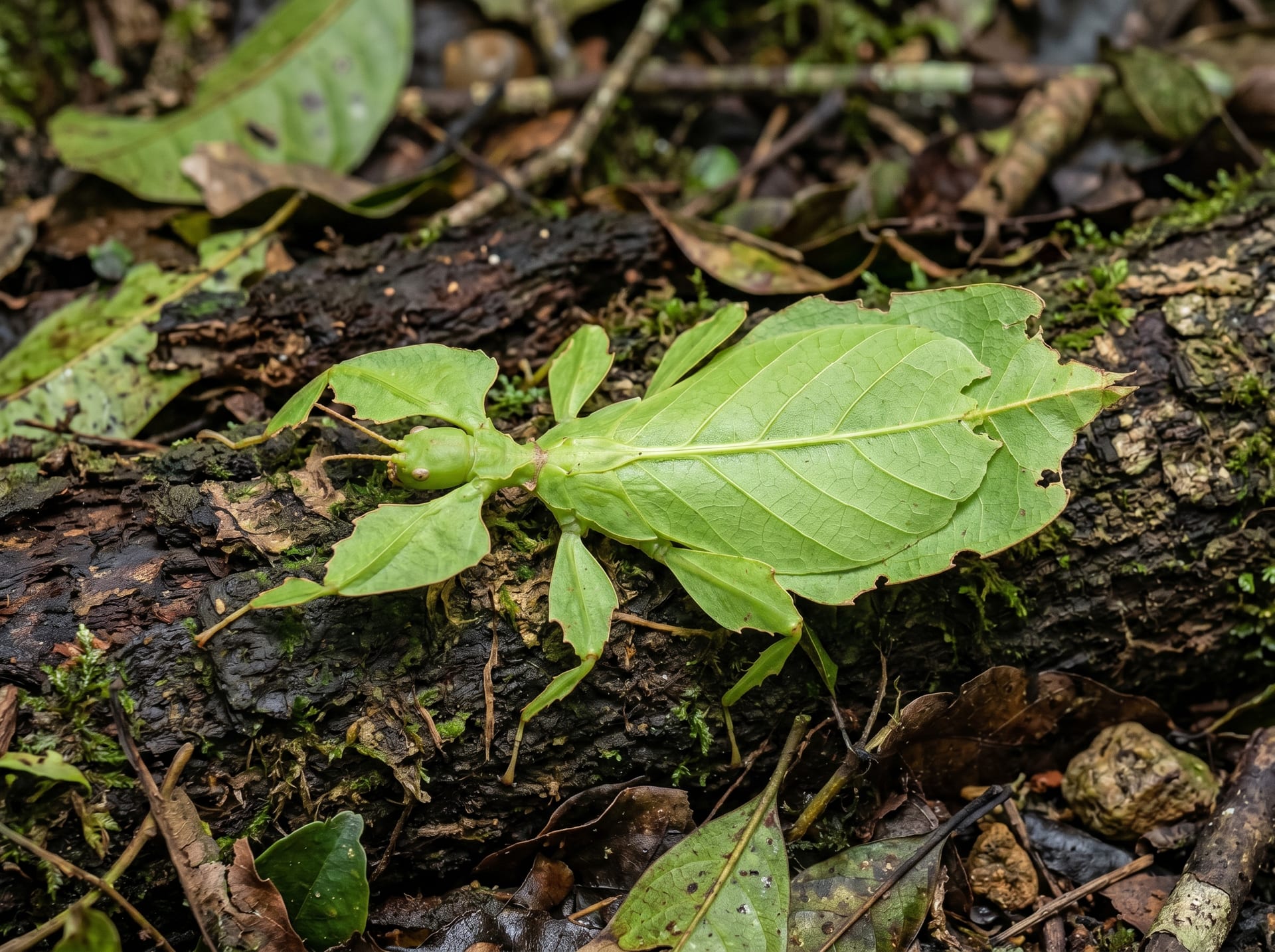
Leaf Insect (Phyllium spp.)
Leaf insects that camouflage as leaves. Care difficulty is somewhat higher, but their unique presence is exceptional.
Enclosure Setup
Case Height: Stick insects molt while hanging. Therefore, the enclosure height must be at least three times the insect's total length. Insufficient height frequently results in molting failure.
Recommended Cases: Mesh cases or containers 50–60 cm or taller in height are ideal. Clear cases that allow easy observation are also popular.
Ventilation: Excessive moisture can cause mold, but over-drying increases molting failure risk. Cases with half mesh and half clear panels offer good balance.
Humidity Management: Maintain adequate humidity with daily misting (mist the sides so the interior doesn't dry before droplets evaporate). No water dish is needed; they drink from mist droplets.
Food Plant Management
Stick insects are herbivorous (eating leaves), but preferred plants vary by species.
Food Plants for Japanese Stick Insects:
- Rosaceae family leaves (cherry, plum, rose, etc.)
- Kudzu
- Brambles
Food Plants for Taiwan Stick Insects and Most Foreign Species:
- Ivy (Hedera)
- Rubus species (raspberry and blackberry leaves)
- Eucalyptus
Provide food plants by placing branches with leaves in water. This keeps them fresh longer and is easier to manage. Change the water daily and remove old leaves.
Supporting the Molting Process
Signs before molting include decreased appetite, sluggish movement, and color change. Never touch them during molting, which can take several hours.
If molting fails (stops midway), you can gently assist with a warm water-dampened cotton swab, but be careful not to pull forcefully, as this can result in loss of legs or antennae.
Reproduction—The Mystery of Parthenogenesis
Many stick insects can reproduce through parthenogenesis, breeding with females alone and no males needed. Eggs hatch slowly (several months to a year), and all offspring are female.
Store eggs in a not-too-dry environment (moistened vermiculite) and wait for hatching. Japanese stick insect eggs tend to hatch all at once the following spring after overwintering.
Stick insects expand the appeal of insect keeping through their strange and unique charm and ease of care. They are particularly ideal for insect observation with children.