Complete Guide to Controlling Small Animal Odors | Cause-Based Deodorizing Methods and Prevention Strategies
A detailed explanation of odor causes and solutions specific to small animal species like hamsters, rabbits, and ferrets, effective deodorizing products, and tips for ventilation and cleaning.
Key Takeaways
A detailed explanation of odor causes and solutions specific to small animal species like hamsters, rabbits, and ferrets, effective deodorizing products, and tips for ventilation and cleaning.
Related Species
Odor management is an unavoidable challenge when keeping small animals. Many pet owners worry about odors being stronger than expected, and without proper measures, unpleasant situations can arise during visits from guests or even create neighborhood disputes. However, by correctly understanding the causes of odors and implementing appropriate species-specific strategies, it is entirely possible to maintain a comfortable living environment. This article explains small animal odor control based on scientific evidence.
Understanding Odor Causes by Animal Type
The main sources of odor from small animals are urine, feces, body odor (sebaceous gland secretions), and leftover food. The quality and intensity of odors vary significantly depending on the species.
Hamsters have relatively little body odor, but their urine tends to be quite strong. Males in particular have strong territorial instincts and tend to mark territory with urine in the corners of their cage. Golden hamsters, being larger than Dwarf Syrians, produce greater quantities of waste.
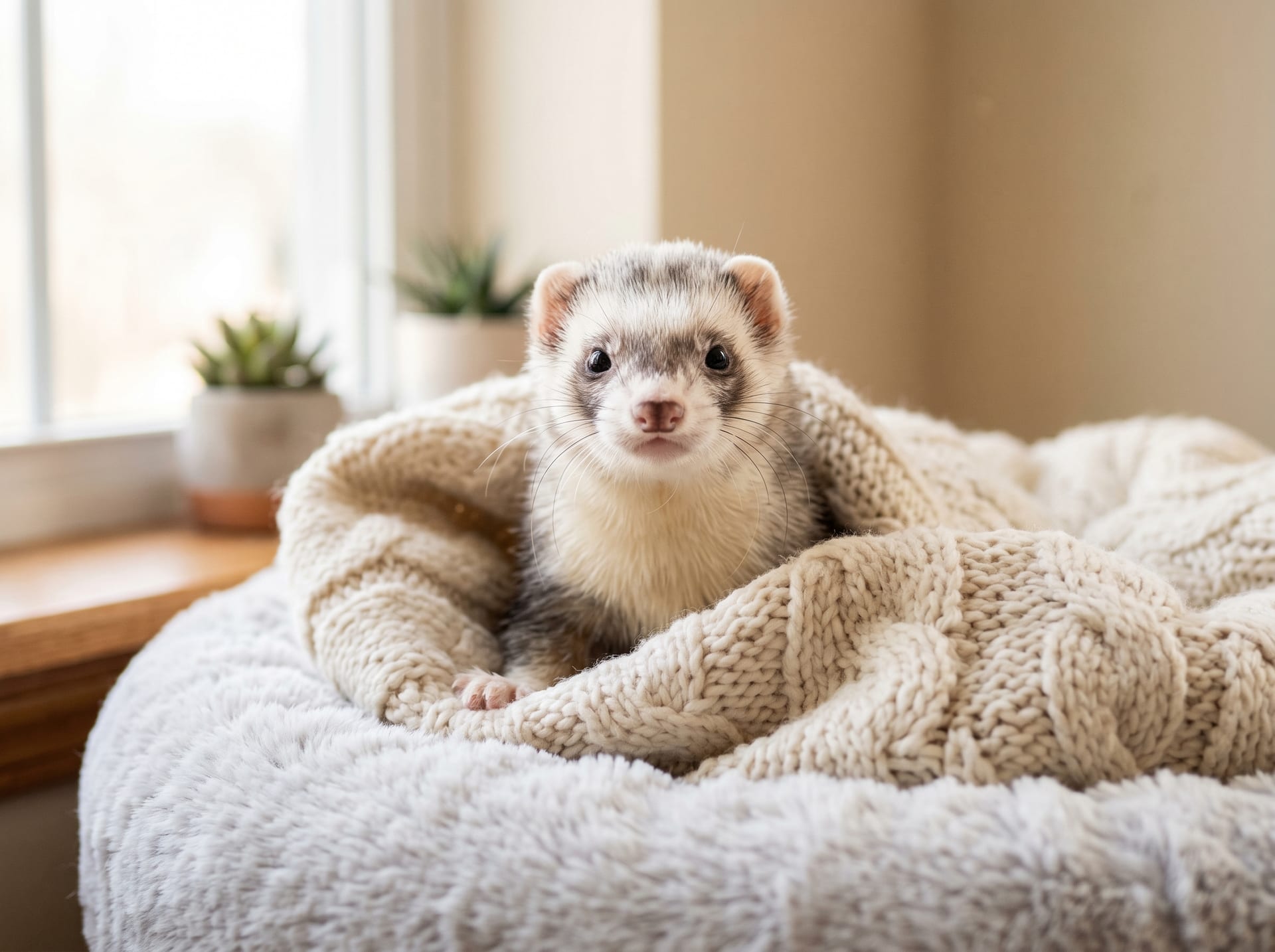
Rabbits themselves have virtually no body odor, but the urine of intact males has a powerful ammonia smell. Additionally, odor can develop if soft cecotropes (fecal pellets) are left uneaten. Ferrets secrete a distinctive musky odor from their sebaceous glands and have relatively strong body odor among small animals. Even with scent gland removal surgery, they cannot become completely odorless.
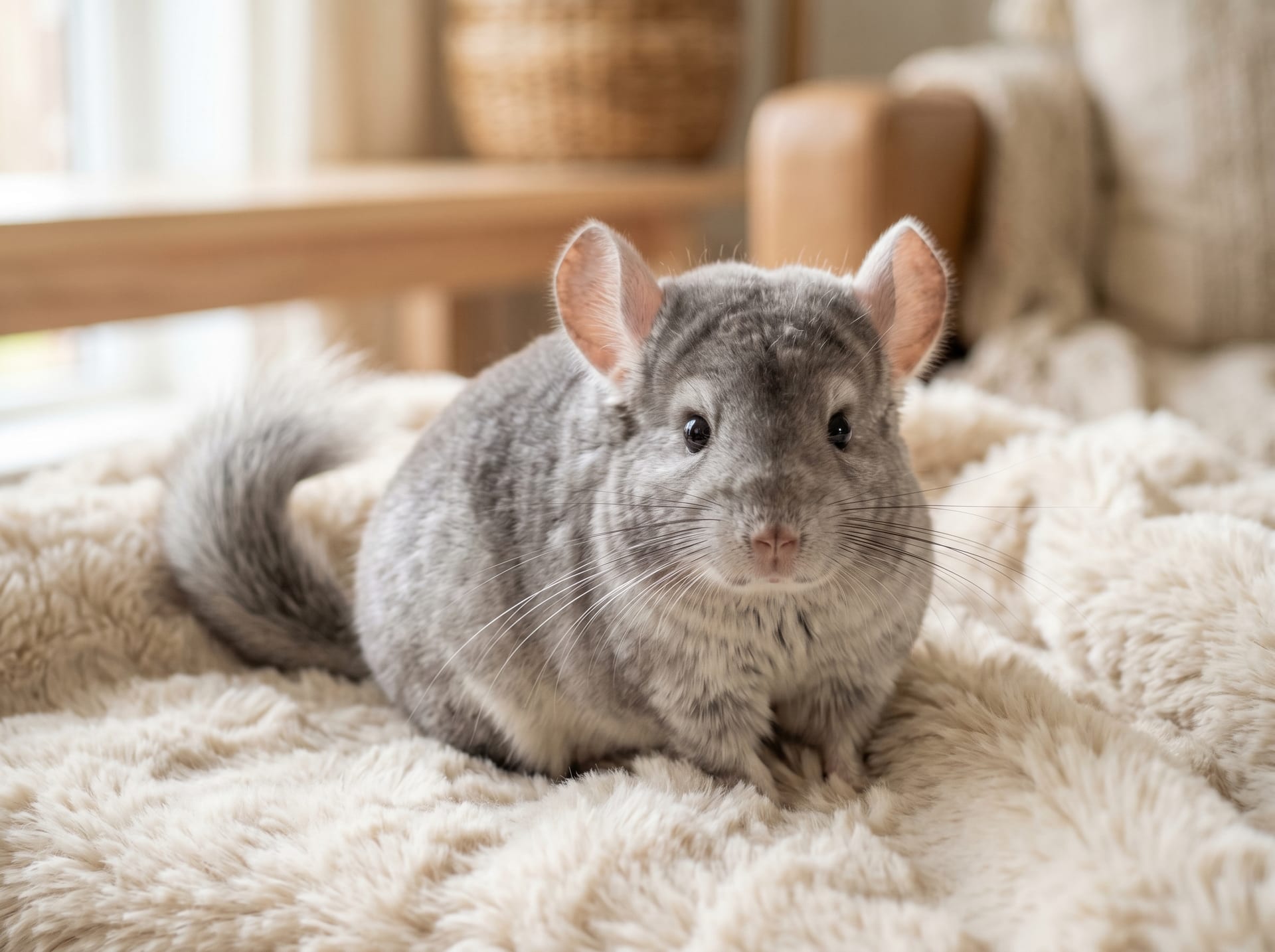
Chinchillas have dense, dry fur with minimal body odor, and their dry droppings produce little smell. Guinea pigs produce large quantities of urine, and ammonia odors intensify especially when bedding remains wet.
Effective Cleaning Schedules and Methods
The foundation of odor control is maintaining appropriate cleaning frequency. Regardless of species, follow this cleaning schedule as a guideline. Daily tasks include removing feces and urine from the toilet area, removing uneaten food, and changing water. Partially replacing soiled bedding daily prevents odor accumulation.
Perform a complete bedding change one to two times per week. Wipe the cage tray with vinegar water (water diluted 10 times) and allow it to dry thoroughly before adding fresh bedding. A complete cage wash is recommended once per month. Since urine spray also sticks to cage bars, wash them with warm water and neutral detergent, rinse thoroughly, and dry completely.
It is important not to replace all bedding at once. Hamsters in particular feel secure in an environment with their own scent. Even when doing a complete change, mixing in a handful of old bedding with new bedding can reduce stress. For rabbits, using dedicated rabbit toilet sheets makes odor absorption and replacement easier.