Complete Guide to Senior Dog Aging Signs | Addressing Cognitive Decline, Incontinence, and Reduced Mobility
Complete Guide to Senior Dog Aging Signs。When Do Dogs Become "Senior"? Dog aging progresses at different rates depending on body size.
Key Takeaways
Complete Guide to Senior Dog Aging Signs。When Do Dogs Become "Senior"? Dog aging progresses at different rates depending on body size.
When Do Dogs Become "Senior"?
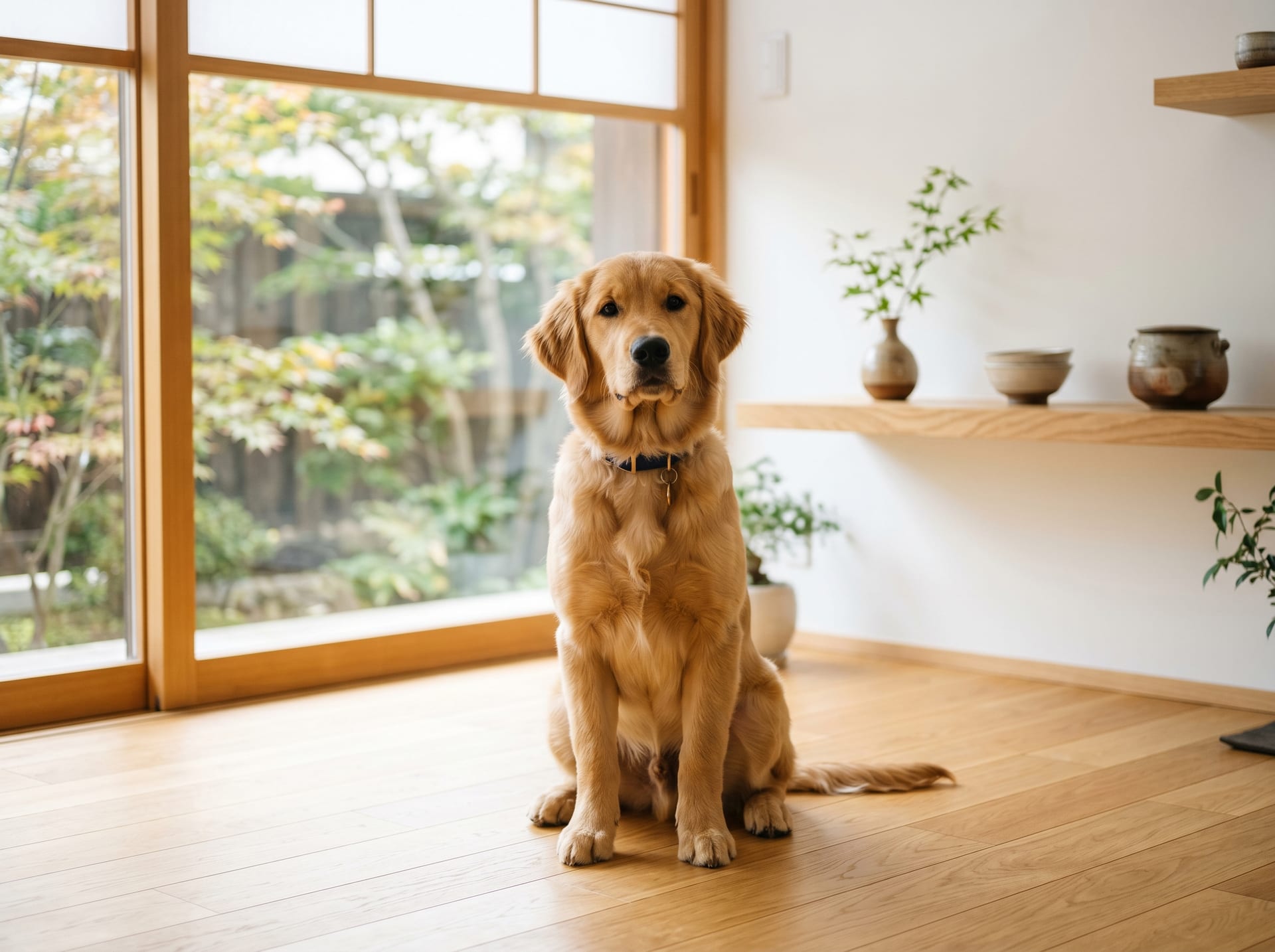
Dog aging progresses at different rates depending on body size. Generally, small-breed dogs enter their senior years around 10–12 years old, while large breeds often show signs of aging as early as 7–8 years. Giant breeds (Golden Retrievers, Great Danes, etc.) may reach middle age around 6 years old.
✍️
BreederDirect Editorial
The BreederDirect editorial team specializes in care information for animals, covering veterinary care and breeding to deliver beginner-friendly guides.
Find Dogs on BreederDirect
Buy directly from verified breeders
Browse Related Listings
Find Dogs listings related to this article on BreederDirect. Buy directly from verified breeders.
Larger dogs have faster cellular metabolism, which typically results in shorter lifespans. While individual variation exists in when you might notice your dog's aging has begun, using "7 years old as a checkpoint to start intentional observation" helps prevent missing subtle changes.
Aging doesn't happen suddenly—it appears as an accumulation of small signs. Below, I've organized representative changes by category.
Signs of Cognitive Decline (Canine Cognitive Dysfunction) and How to Respond
A condition similar to human Alzheimer's disease called "Canine Cognitive Dysfunction Syndrome (CDS)" is relatively common in senior dogs. Key signs include the following:
Nighttime vocalization and nighttime wandering The dog loses its sense of day and night, suddenly barking continuously in the middle of the night or pacing around the house repeatedly. Even when the owner speaks, the dog may respond slowly.
Weakened recognition of places and people The dog may bark at family members it has lived with for years or become trapped in a corner of a familiar room and be unable to find its way out. It may also forget where the toilet area is.
Staring blankly at walls or empty space Staring in a direction with nothing there and appearing dazed is one of the recognized signs of cognitive changes.
Not turning around when called While this can be confused with hearing loss, if the dog responds to sounds but not its name, cognitive dysfunction may be a factor.
Key points for managing cognitive decline: "Routine and environmental consistency." Keep meal times, walks, and bedtimes as regular as possible, and avoid making major changes to furniture arrangement—this reduces confusion. If nighttime vocalization becomes severe, consult an animal hospital about supplements or medication. Providing a "safe zone" with a playpen or soft bed can also help.
Addressing Incontinence and Elimination Problems
A common issue with senior dogs is loss of bladder control—"incontinence"—which was previously manageable. The cause is rarely singular; usually multiple factors are involved:
Loss of muscle strength in the bladder and urinary sphincter (hormone-responsive urinary incontinence, particularly common in females)
Cognitive decline leading to forgetting toilet location
Joint pain or muscle weakness preventing the dog from reaching the toilet in time
Increased urination from disease such as kidney disease, diabetes, or Cushing's syndrome
The first rule is "never scold." Since this is uncontrollable rather than intentional, punishment won't help and will only increase anxiety.
Practical lifestyle adjustments include laying pads over a wider area than before, placing toilets in multiple locations within the dog's living space, and placing waterproof sheets under the sleeping area. After elimination, wipe the dog promptly to prevent skin inflammation and maintain cleanliness.
When disease is the underlying cause, treatment can sometimes improve incontinence, so scheduling a veterinary visit is the priority if incontinence suddenly increases.
Signs of Reduced Mobility and Joint Problems
Most senior dogs have arthritis (osteoarthritis). Because pain is not externally visible, it often goes unnoticed, but the following signs are useful indicators:
Changes in getting up and sitting If your dog, which once stood up quickly, now rises slowly and unsteadily or needs several attempts before standing, it's a sign of increased joint stress.
Avoiding steps and stairs Your dog may no longer jump onto the sofa or bed, hesitate at small door thresholds, or avoid movements it previously performed easily.
Changes in gait Dragging hind legs, spending minimal time with weight on a foot (limping), or walking unsteadily are signs of orthopedic issues.
Shortened walking distance and slower pace While this is also a natural sign of aging, if it becomes suddenly pronounced, pain may be the cause.
Environmental modifications such as placing non-slip mats on hardwood floors, installing low-incline ramps, and switching to memory foam bedding reduce joint strain. Moderate exercise remains important for maintaining muscle mass, but shifting to multiple short walks rather than one long walk is better suited to senior dogs.
Other Aging Signs
Beyond cognition, elimination, and mobility, various whole-body changes appear:
Decline in vision and hearing "Nuclear sclerosis," where the eye lens becomes whitish and cloudy, is a natural age-related change with relatively minimal vision impact. Cataracts, by contrast, cause significant vision loss and require differentiation. Hearing loss makes the dog unresponsive to its name, sometimes leading to confusion with cognitive decline.
Changes in body shape and muscle loss With age, muscle loss becomes easier, and the dog may develop a swollen belly with thin legs. Since this also occurs with conditions like Cushing's syndrome, sudden changes warrant a veterinary visit.
Changes in coat and skin Gray hair (especially around the mouth and eyebrows), dull coat, thinning skin, and increased wart-like lumps may develop. Most lumps are benign, but distinguishing malignant tumors requires veterinary examination.
Changes in water intake and appetite Sudden increased drinking can indicate kidney disease, diabetes, or Cushing's syndrome. Decreased appetite may suggest dental disease causing oral pain or internal organ issues.
Daily Care and Regular Checkups to Support Your Senior Dog
The most effective way to detect aging signs early is "regular observation and record-keeping." Develop a habit of observing your dog for just 10–15 seconds during daily walks or meals, and if you notice changes, keep a smartphone video record—this helps when explaining to your veterinarian.
Even healthy senior dogs are recommended to have health checkups at least twice yearly. Combining blood work, urinalysis, and X-rays can help detect kidney function decline or tumors that aren't visible from the outside. After age 7, it's helpful to regularly visit an animal hospital that offers "senior checkup courses."
Regarding diet, senior dog food typically has balanced levels of protein, calories, phosphorus, and sodium. However, the ideal diet varies depending on individual health status, so consult a veterinarian or nutrition specialist before changing foods.
Living with an aging dog can bring physical and emotional demands, but it's also a way of deepening a relationship built over many years together. Understanding these signs allows you to recognize discomfort your dog experiences and provide support to maintain quality of life as much as possible. BreederDirect regularly updates columns for owners living with senior dogs.