Sakura Nishiki and Aki Nishiki Care Guide | Japanese Traditional Goldfish with Shibori Patterns and Ranchu Body Type
Sakura Nishiki and Aki Nishiki are Japan's unique premium goldfish with a ranchu body type and red-and-white "shibori" patterns. This guide details care essentials including water quality, feeding, color-enhancing techniques, and cushion growth management.
Key Takeaways
Sakura Nishiki and Aki Nishiki are Japan's unique premium goldfish with a ranchu body type and red-and-white "shibori" patterns. This guide details care essentials including water quality, feeding, color-enhancing techniques, and cushion growth management.
Related Species

What are Sakura Nishiki and Aki Nishiki?
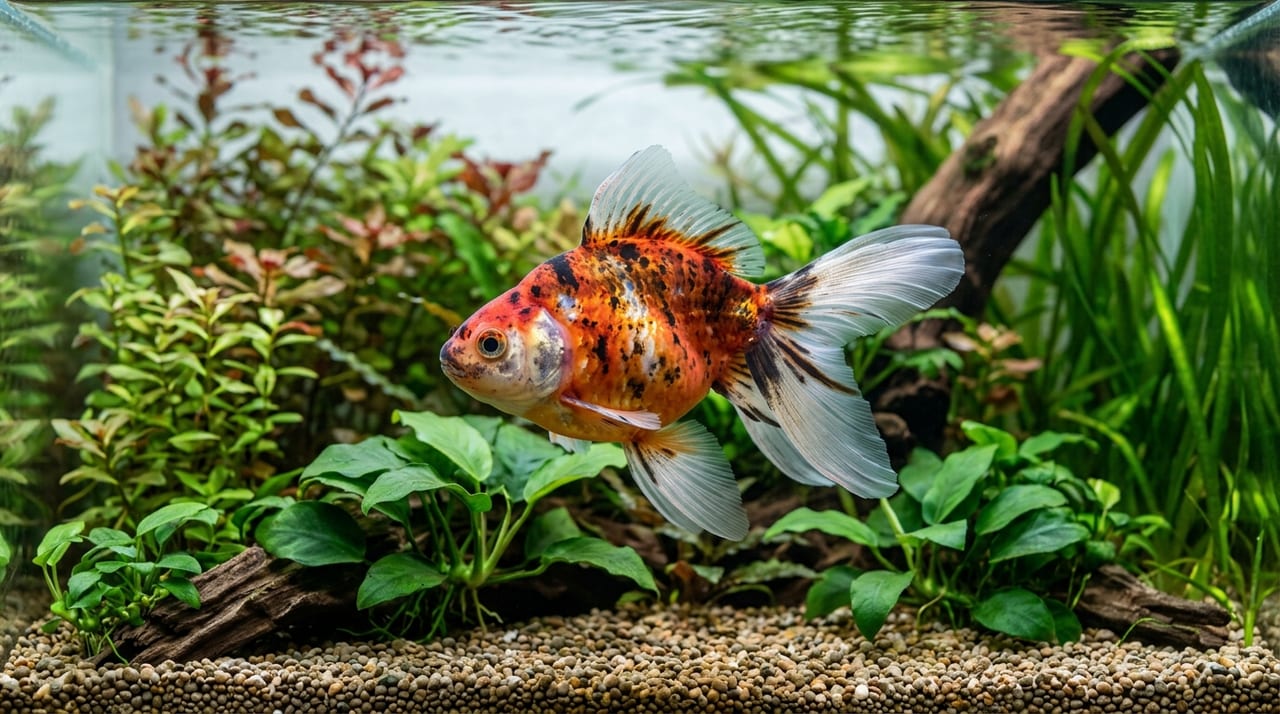
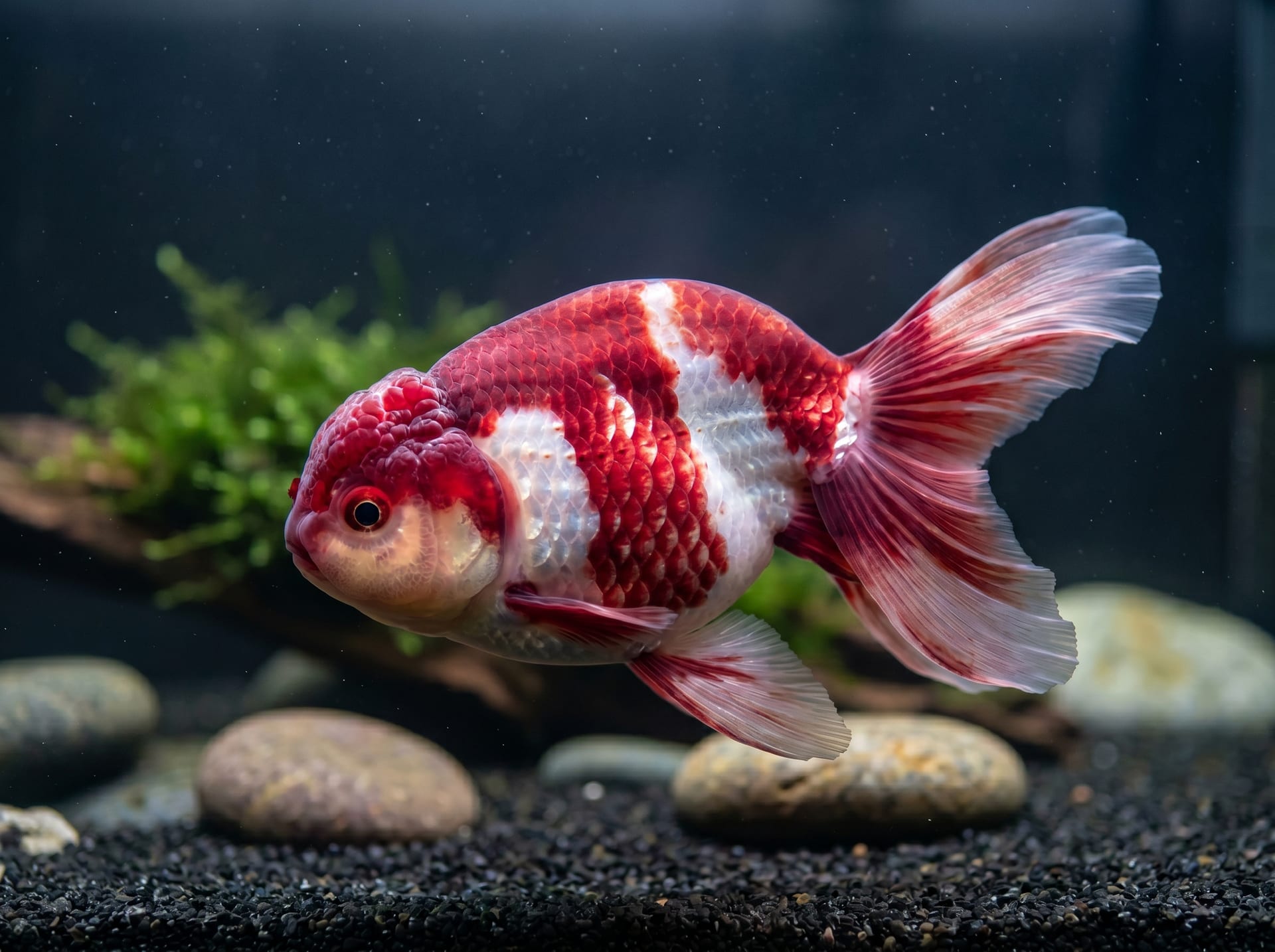
Sakura Nishiki (桜錦) and Aki Nishiki (秋錦) are both Japanese traditional ornamental goldfish based on the ranchu body type, featuring red and white "shibori" patterned markings.
Sakura Nishiki is characterized by its shibori pattern in red and white, combined with a well-developed head cushion (niku-ryū) that gives it a stocky build. The body color typically combines pale red (pale vermillion) and white reminiscent of cherry blossoms, hence its name from the graceful beauty of spring cherry blossoms. This variety is highly valued in competition circles, and premium specimens can command prices ranging from tens of thousands to hundreds of thousands of yen.
Aki Nishiki closely resembles Sakura Nishiki but features a more vibrant combination of vermillion-red and white coloring, with distinctive body thickness attributed to ancestry from bubble-eye goldfish bloodlines. Its name derives from the deep crimson autumn foliage it evokes.
Both varieties have been refined primarily in the Nagoya region and have been highly valued among goldfish breeders in the Kansai and Tokai areas.
Setting Up the Rearing Environment
Tank or Container Size
Sakura Nishiki and Aki Nishiki, with their ranchu body type, lack strong swimming ability, making water surface area more important than tank width. A 60–90 cm wide "ranchu tank" or plastic tub with top-view rearing is the standard setup. Water depth of 15–25 cm is appropriate, as excessive depth diminishes the beauty of their natural body form.
Water Quality Management:
- Water temperature: 15–28℃ (optimal 20–25℃)
- pH: Neutral, around 7.0–7.5
- Nitrate: Below 20 mg/L
- Dissolved oxygen: Robust aeration is essential
Ranchu-type goldfish are prone to swim bladder disorder, and sudden temperature fluctuations (±3℃ or more per day) should be avoided. In winter, maintain temperatures above 15℃; in summer, keep below 28℃ using fans or air conditioning. Strong aeration during hot seasons is especially important.
Filters
Undergravel filters, internal corner filters, and box filters are commonly used. Among ranchu enthusiasts, the combination of "undergravel filter + aeration" is considered most effective for water stability. External filters can create strong water currents, which may stress ranchu-bodied fish, so caution is needed.
Daily Water Changes and Acclimation
Goldfish are sensitive to water quality changes, so regular partial water changes are fundamental to prevent pollutant accumulation. When performing water changes, use dechlorinated water and match water temperature before adding it to reduce stress on the fish.
When introducing a new individual to the tank, float the transport bag on the water surface to equalize temperature, then gradually add water from the tank into the bag—this "acclimation" process reduces stress from sudden shifts in water quality and temperature. When cleaning filter media, avoid washing all media at once, as this drastically reduces beneficial bacteria and destabilizes water quality; instead, rinse media in portions or gently rinse in tank water for peace of mind.
Feeding and Color Enhancement
Basic Feeding
Feed 2–3 times daily in amounts that the fish consume within 5 minutes. Sinking pellets (ranchu-specific food) that are easy to digest are recommended. Floating feeds cause fish to take in excess air, which can trigger swim bladder disorder, so sinking food is preferred.
Color-Enhancing Supplements
To maintain and enhance the beautiful red coloring of Sakura Nishiki and Aki Nishiki, regular use of color-enhancing pellets containing astaxanthin is effective. Administer 2–3 times weekly, mixed with standard sinking feed. Frozen bloodworms and live food (daphnia, tubifex worms) also boost coloration; incorporating these monthly as supplements works well.
Caution: Overfeeding causes digestive disorders and swim bladder problems. Particularly as temperatures drop in autumn and winter, the digestive system becomes sluggish, so reduce portions accordingly.
Developing the Head Cushion
The head cushion of Sakura Nishiki develops impressively with proper management. Key points for developing the cushion are as follows:
- Rearing at elevated temperatures: Water temperatures of 22–26℃ promote cushion development. Winter hibernation at lower temperatures causes temporary shrinkage
- Nutrient-rich feeds: High-protein feeds given during the juvenile stage (first to second year) yield better development
- Water quality management: Maintaining ammonia- and nitrite-free clean water is prerequisite
- Light management: Outdoor rearing or adequate natural light near windows favors cushion development and body coloration
Bear in mind that cushion development varies by individual; even fish reared in identical conditions will show different outcomes. Rather than making frequent environmental changes out of impatience, observe progress patiently and steadily.
Tankmate Selection and Layout Tips
Sakura Nishiki and Aki Nishiki with their ranchu body type have modest swimming ability and small fins; if housed with fast-moving or aggressive fish, they may lose access to food or suffer fin damage. When keeping tankmates, pairing goldfish of similar body type and swimming ability is safest.
Regarding layout, avoid sharp or pointed driftwood and decorations that could injure the cushion or eyes; choose smooth-edged stones and gravel instead. If adding aquatic plants, goldfish may eat or uproot them, so using hardy species or protecting them in pots proves helpful.
Conditioning for Competition
Sakura Nishiki and Aki Nishiki are also recognized as competition fish. Judging emphasizes "body balance," "clarity of shibori patterning," "even cushion development," "fin condition and cleanliness," and other factors. If considering competition participation, research local goldfish clubs and the Japan Ranchu Association for information.
The accumulated effort of daily water management, feeding, and observation directly reflects in competition-day condition. Rather than making special last-minute adjustments, consistent daily care proves the surest path to a refined appearance.
Frequently Asked Questions
| Question | Answer |
|---|---|
| Which is easier to keep, Sakura Nishiki or Aki Nishiki? | Basic care methods are shared, with no major differences in water quality management or feeding philosophy. You may choose based on color preference. |
| Is outdoor or indoor rearing better? | Either outdoor or indoor rearing is possible provided water temperature and light can be managed. Monitor seasonal temperature changes carefully. |
| Can they be kept with tankmates? | They cohabitate readily with goldfish of similar swimming ability and body type, but housing with fast-moving fish may prevent even food distribution, so caution is advised. |
| How often should water be changed? | Appropriate frequency depends on tank size, number of fish, and filter capacity. Observe water clarity and fish behavior to adjust frequency as needed. |
Summary
Sakura Nishiki and Aki Nishiki transcend ordinary pet goldfish—they are living art embodying Japan's cultural heritage. Through consistent water quality management, color-enhancing feed, and careful feeding adjustments, their beauty deepens with each passing year. While beginners may find them challenging, for enthusiasts captivated by ranchu goldfish, these two varieties represent a worthwhile aspiration.