A Guide to Reptile Winter Care and Cold Weather Preparation
Temperature management is the most critical aspect of reptile keeping during winter. This guide explains how to choose heating equipment, proper installation of panel heaters and radiant heat sources, thermostat usage, and emergency heating measures during power outages.

Key Takeaways
Temperature management is the most critical aspect of reptile keeping during winter. This guide explains how to choose heating equipment, proper installation of panel heaters and radiant heat sources, thermostat usage, and emergency heating measures during power outages.
Related Species
Ensuring Successful Winter Care for Your Reptiles
Reptiles are ectothermic animals. Unlike mammals and birds, they cannot generate their own body heat, so environmental temperature directly affects their digestion, metabolism, and immune function. Even individuals that can manage without special attention during summer will develop anorexia, digestive problems, and immune suppression if not properly warmed during winter—potentially with fatal consequences.
Winter in Japan is particularly challenging, with room temperatures often dropping below 10°C during nights when heating is turned off. It's easy to assume that "room heating is enough," but severe cold snaps at night or early morning can create dangerous situations. Understanding the appropriate temperature range for your species and providing a stable environment year-round is the foundation of successful reptile keeping.
For basic knowledge about temperature and humidity management, see The Basics of Temperature and Humidity Management for Reptiles.
Understanding the Types and Features of Heating Equipment
"Heating equipment" covers various types, each with different mechanisms and appropriate use cases. Choose the right equipment based on your reptile's natural behavior and your enclosure environment.
Panel Heaters
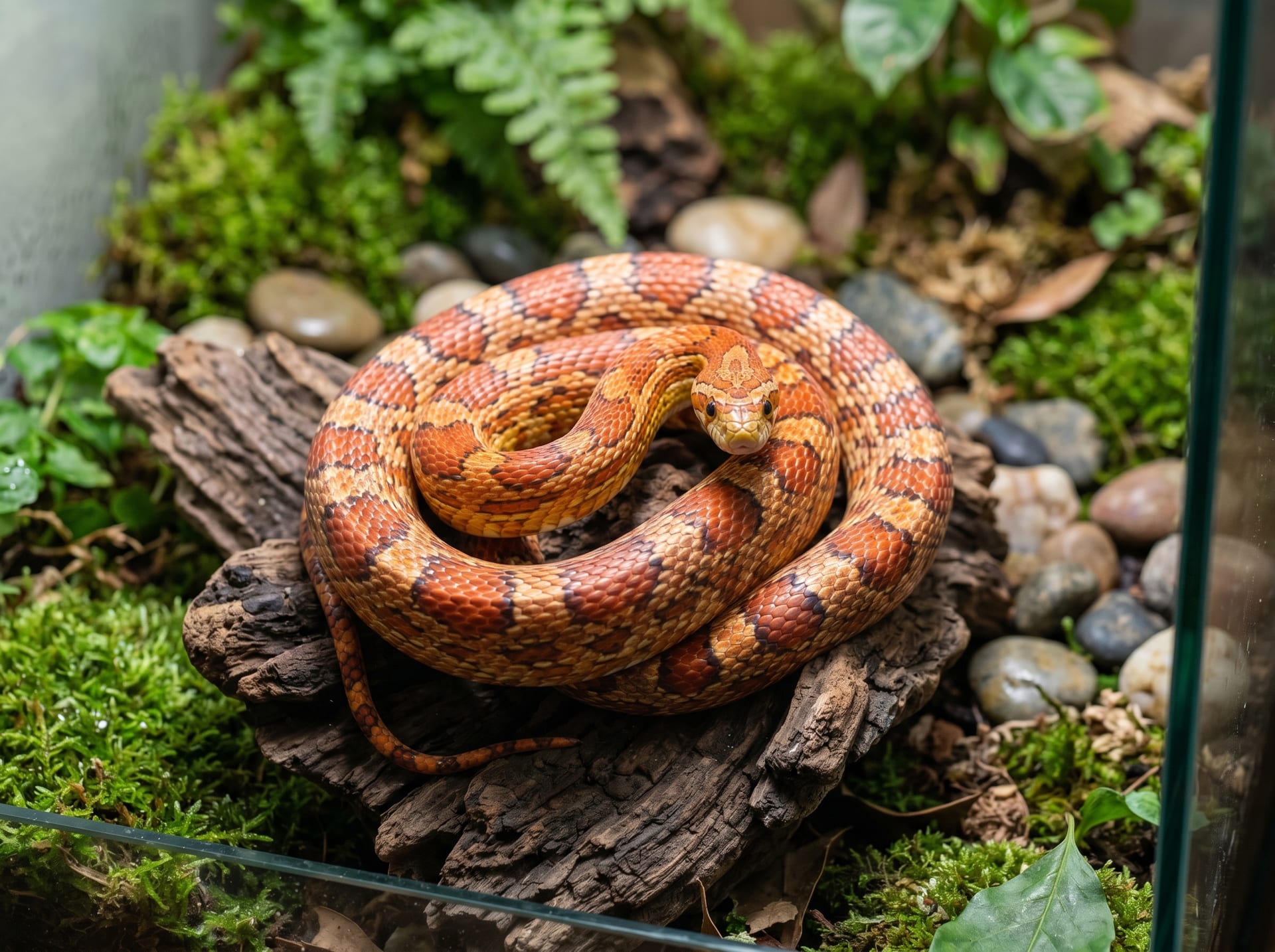
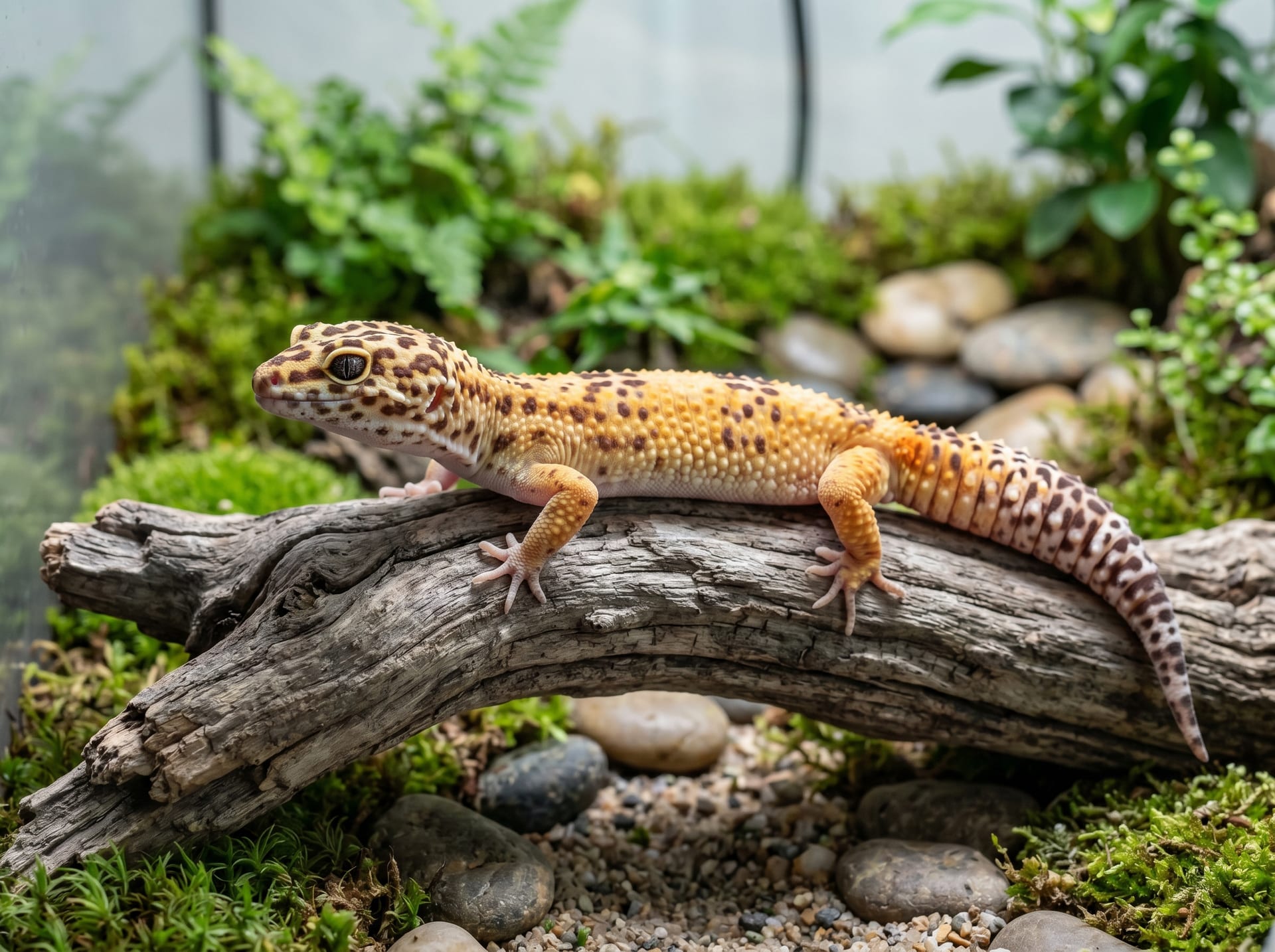
Sheet-like heaters attached to the bottom or sides of the enclosure. By warming the belly directly, they support digestion. They're particularly suited for species that spend time on the substrate, such as Leopard Geckos and Corn Snakes. However, they have limited ability to warm the entire enclosure space, so in cold environments they often serve as supplementary heating only.
Radiant Heaters (Dantotsus) and Far-Infrared Heaters
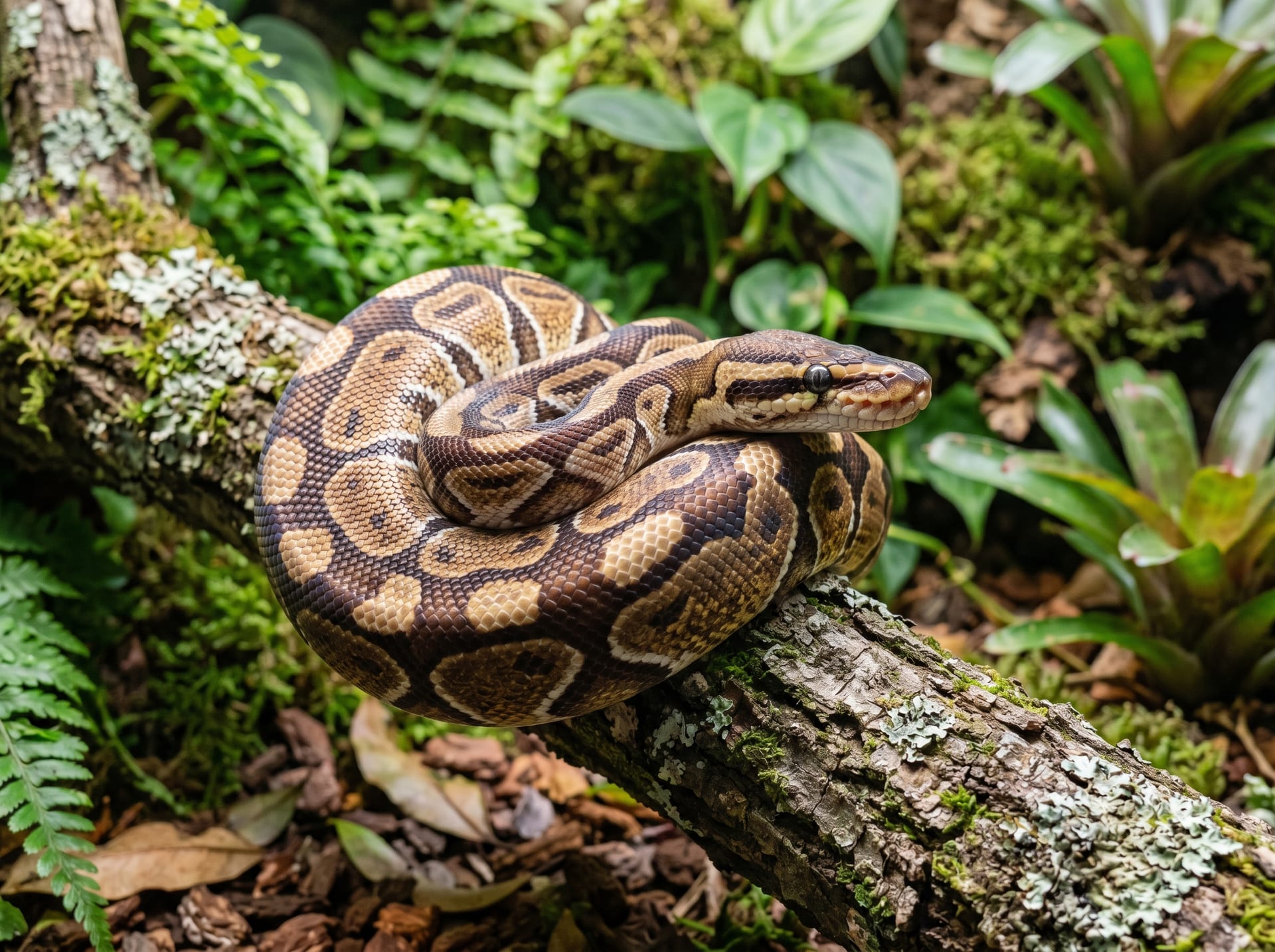
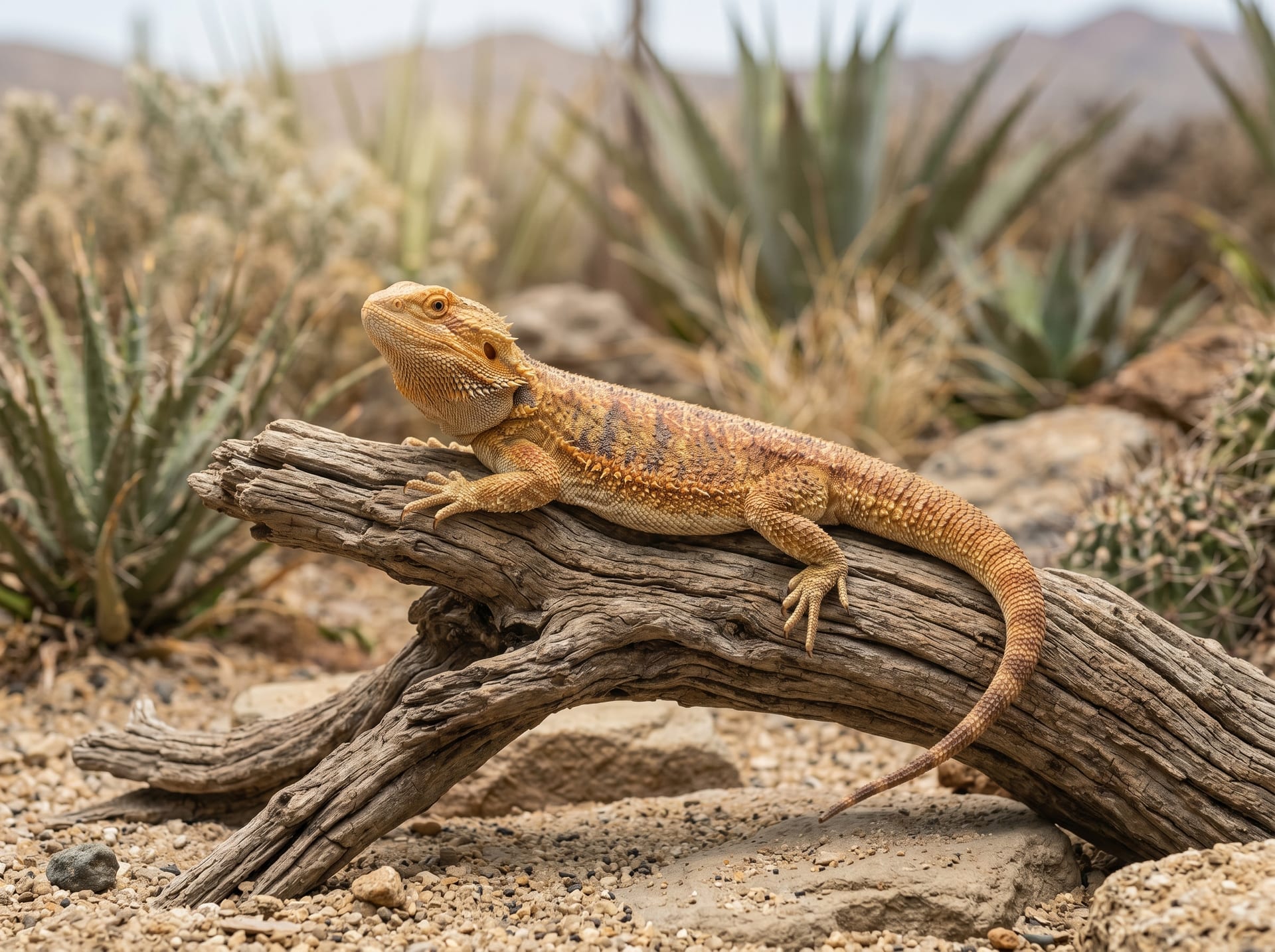
These are mounted near the ceiling and warm the entire enclosure gradually with far-infrared radiation. Since they emit no visible light, they can be used at night. They're essential for species like Bearded Dragons and Ball Pythons that require "constant heating." Combined with a panel heater, they efficiently manage temperature throughout the enclosure.
Ceramic Heaters and Heat Lamps
These attach to light fixtures. Ceramic heaters emit heat without visible light, making them ideal for nocturnal species or when you want to recreate day-night temperature variations. Heat lamps (incandescent bulbs), by contrast, produce visible light while heating, making them suitable as basking spots for diurnal species. The heating output varies by wattage, so choose according to your enclosure size.
Creating and Managing Temperature Gradients
In reptile keeping, maintaining a constant temperature throughout the enclosure isn't actually the correct approach. In nature, animals regulate body temperature by moving freely between sunny spots and shade. This is the principle of temperature gradients.
Create a gradient by setting one end of the enclosure as a hot spot (warm zone) and the opposite end as a cool spot (cool zone). This allows your reptile to select its preferred temperature.
- Hot spot: 28–38°C depending on species (higher for basking species)
- Cool spot: Around 24–27°C
- Night: Reduce overall temperature by 2–4°C to mimic natural temperature variations
Always place thermometers at both the hot spot and cool spot, and check them regularly. Especially in winter, temperatures drift easily with outdoor fluctuations, so checking twice daily (morning and evening) becomes a reassuring habit. For more on enclosure layout, see Reptile Enclosure Setup Guide: Layout and Equipment Selection.
Choosing Thermostats and Temperature Control Equipment
A thermostat is essential for safe and accurate use of heating equipment. A thermostat is a temperature controller that uses a sensor to measure temperature and automatically turns the heater off when the set value is exceeded. Without one, overheating can cause burns or, in the worst case, fire.
Thermostats generally fall into the following categories:
- On/Off (Bimetal) type: Inexpensive and simple. Temperature fluctuates because the power cycles on and off near the set point
- Proportional (PID) control: Enables precise temperature control. Particularly suited for reptile keeping, especially for egg incubation management
- Digital display type: Shows both set temperature and current temperature numerically, making it easier for beginners to manage
Additionally, check thermometer accuracy regularly. Inexpensive digital thermometers can develop errors of several degrees Celsius within months. Use reliable products or compare multiple thermometers to stay confident.
Emergency Heating During Power Outages
If a power outage occurs during winter, enclosure temperature drops rapidly. Particularly in small enclosures or poorly insulated environments, dangerous temperatures can develop within hours. Prepare emergency measures in advance.
Immediate Emergency Measures
- Place disposable heat packs (or Hakukin-style reusable heat packs, which don't get too hot) wrapped in a towel against the outside of the enclosure
- Wrap the entire enclosure in blankets or thick bath towels for insulation
- Placing the enclosure in a foam cooler significantly enhances heat retention
- Position a hot water bottle (wrapped in a towel) near the enclosure
Everyday Preparedness
- A small portable generator or power bank allows you to continue powering your heating equipment
- Keep reptile-specific portable heating cases or heating travel bags on hand for power outages
As of 2026, compact portable power sources for home use are becoming increasingly available, and more reptile keepers are using them as power outage countermeasures.
Also, don't forget that winter humidity tends to drop. Excessive dryness causes shedding problems and respiratory issues. Depending on species, maintain humidity around 40–70% using misting or wet shelters. For common reptile health problems, see Common Reptile Diseases and Prevention.
The Safety and Assurance Built into BreederDirect
The most difficult aspect of reptile keeping is that "information from texts and the internet alone makes it hard to know what's best for your individual animal." Even Leopard Geckos vary in optimal temperature settings based on age, health status, and origin. For first-time owners facing their first winter, this uncertainty can be especially stressful.
On BreederDirect, you can acquire reptiles directly from specialist breeders. Breeders intimately understand the characteristics of the animals they've raised, so they can offer specific guidance: "This individual prefers slightly warmer temperatures" or "Pay special attention to humidity during winter." Since you can continue communicating with the breeder after purchase, you have the reassurance of having immediate expert support when you need it.
The personalized professional support from someone who knows your individual animal is BreederDirect's greatest strength—something pet shops cannot provide. Whether you're a beginner or an experienced keeper, discover your breeder partner on BreederDirect. See also The Benefits of Purchasing Reptiles from Breeders.