Complete Guide to Reptile UV Lighting | Differences between UVA and UVB and How to Choose by Type
A thorough explanation of how to choose UV lighting for reptiles. We introduce the differences between UVA and UVB, the required amount by type, recommended products, installation methods, and replacement timing in detail.
Key Takeaways
A thorough explanation of how to choose UV lighting for reptiles. We introduce the differences between UVA and UVB, the required amount by type, recommended products, installation methods, and replacement timing in detail.
Related Species
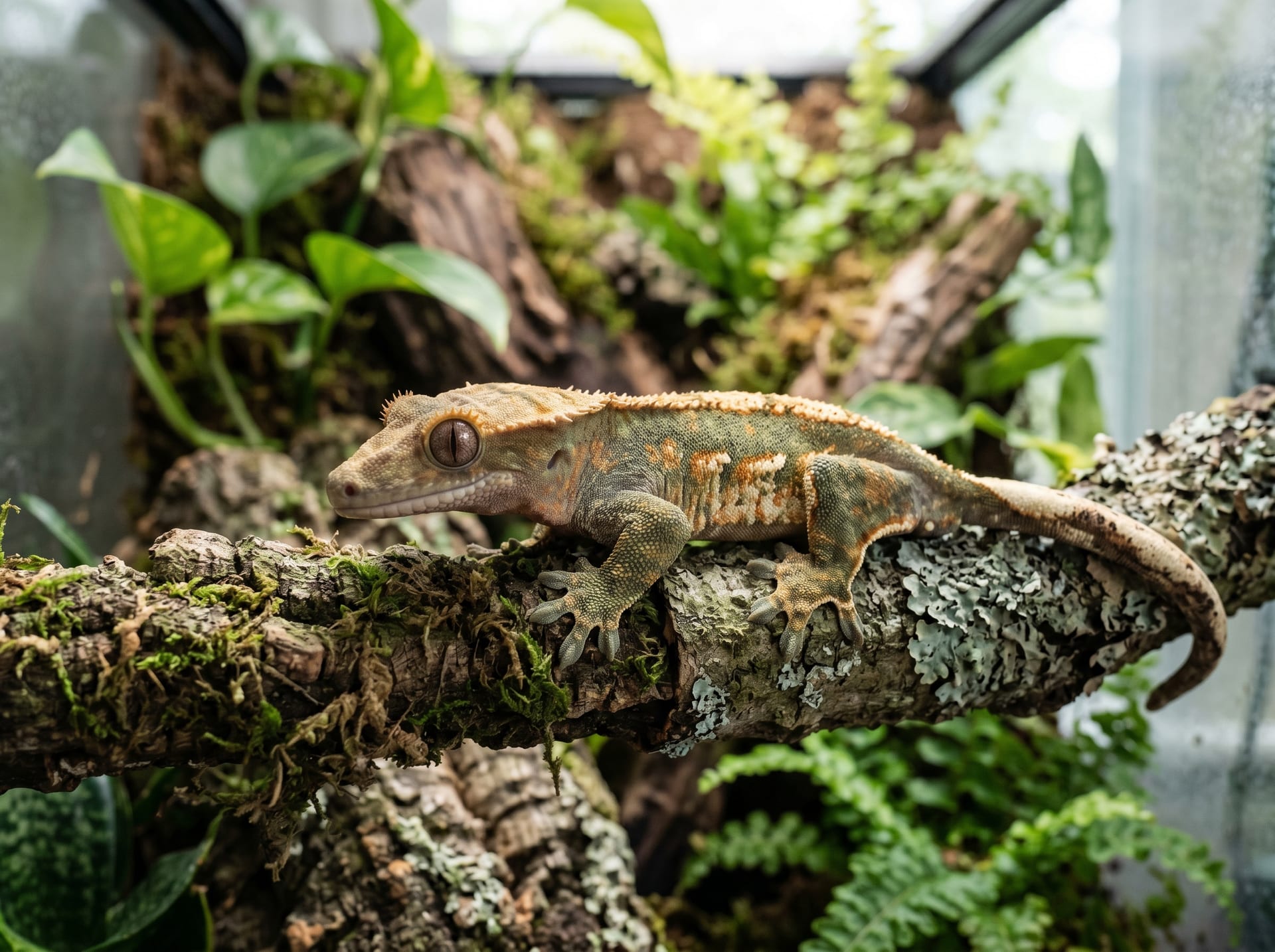
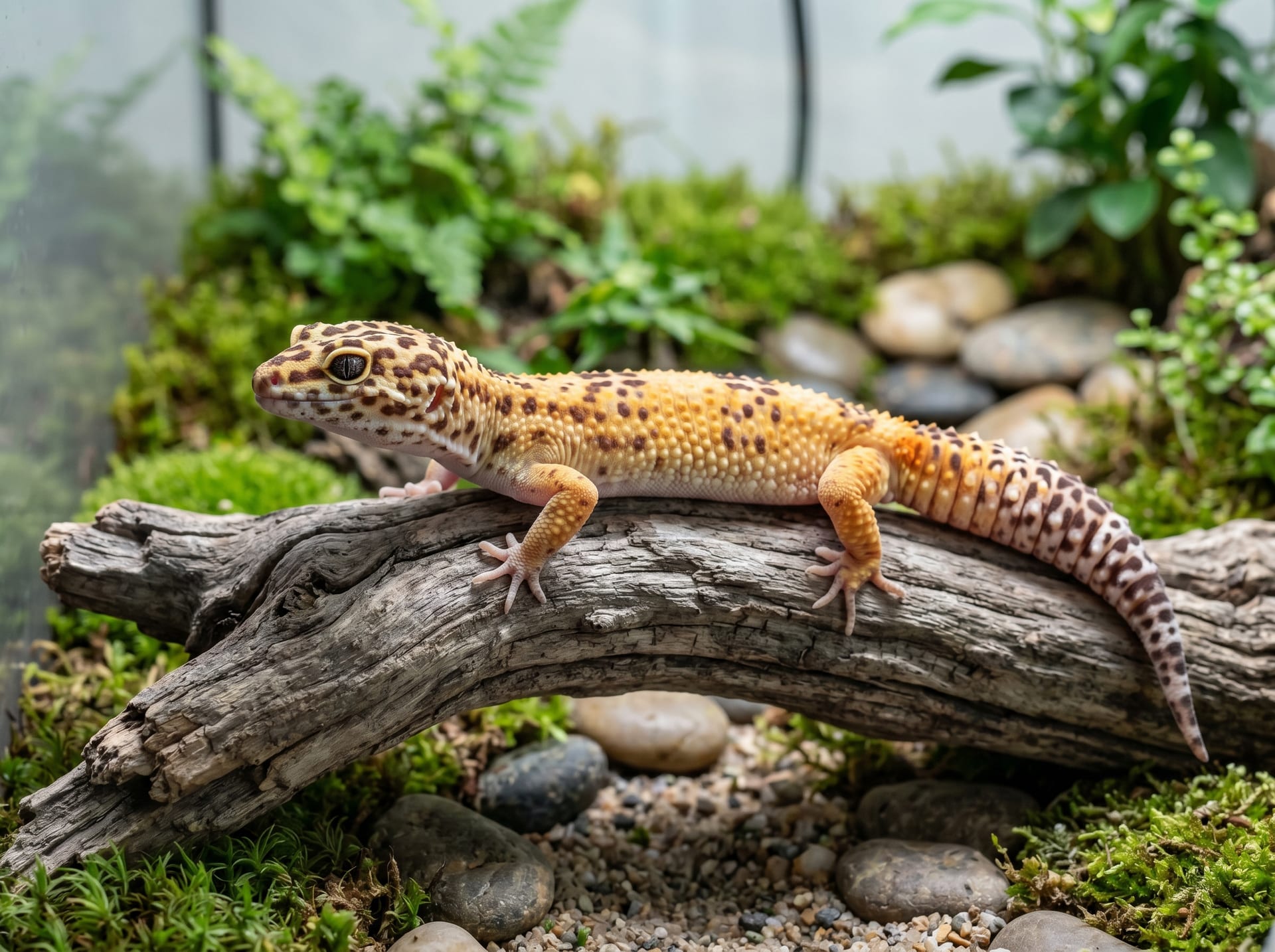
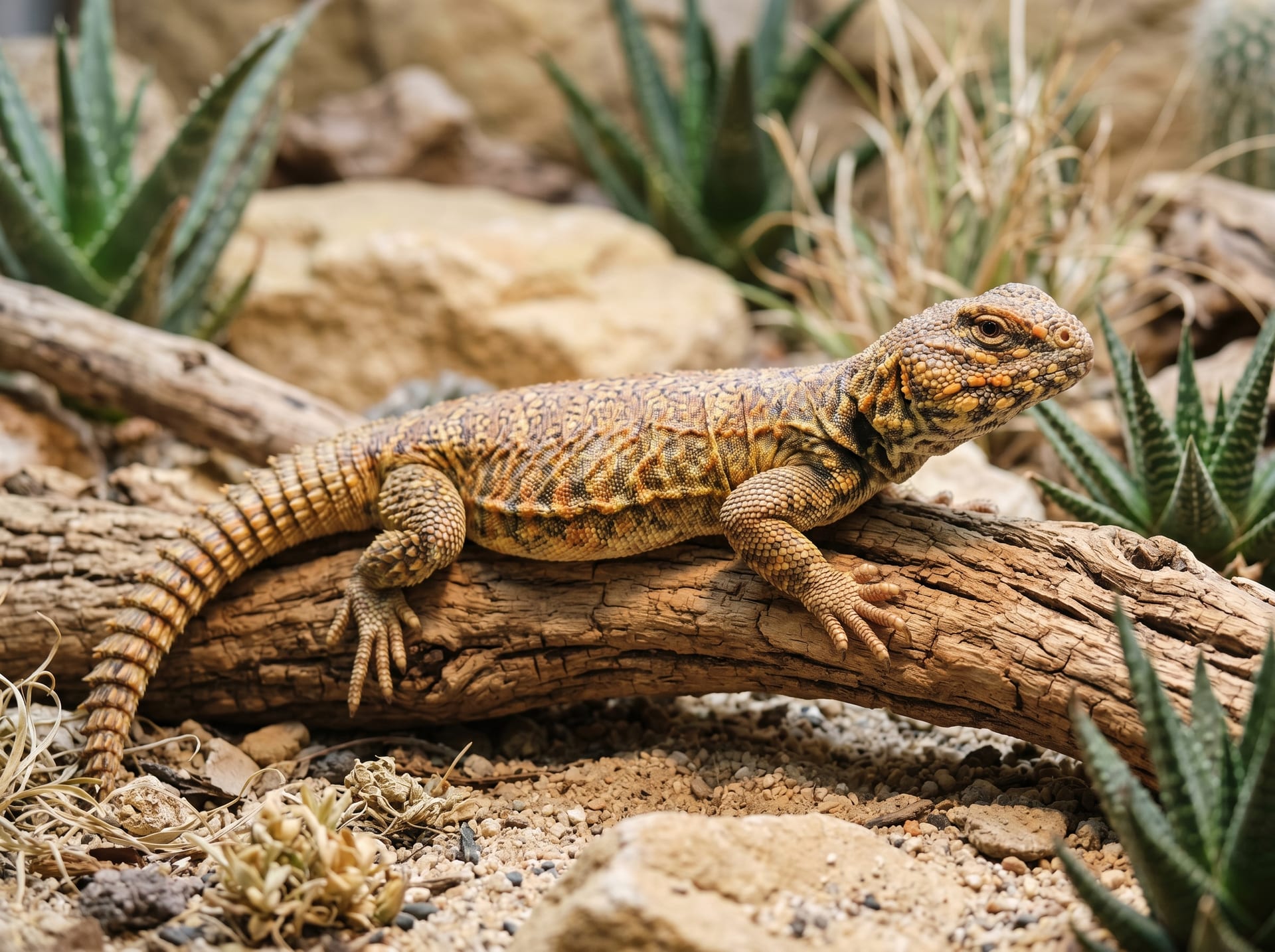
In maintaining healthy reptile husbandry, UV lighting is one of the most important factors alongside temperature management. For reptiles that bask in sunlight in the wild, ultraviolet light is not merely illumination but a lifeline for synthesizing vitamin D3 in the body and facilitating calcium absorption. Choosing UV lighting incorrectly can lead to serious diseases such as metabolic bone disease (MBD), so it is essential to make your selection with proper knowledge.
Understanding the Differences between UVA and UVB
The ultraviolet light relevant to reptiles consists primarily of two types: UVA and UVB. Each serves a different role.
UVA (wavelength 315–400 nm)
- Influences reptile vision and aids in color recognition
- Promotes appetite, activity levels, and reproductive behavior
- Important for maintaining natural behavior patterns
- Many reptiles can perceive UVA and use it for environmental recognition
UVB (wavelength 280–315 nm)
- The most important ultraviolet light that promotes vitamin D3 synthesis in the skin
- Vitamin D3 is essential for calcium absorption in the intestines
- Deficiency leads to metabolic bone disease (MBD)
- Essential for healthy skeletal growth and maintenance
Types and Characteristics of UV Lighting
There are three main types of commercially available reptile UV lighting.
Fluorescent Tube Type (Linear Lamp)
- Can evenly illuminate UV across the entire cage
- Available in two standards: T5 and T8, with T5 having higher output and longer illumination distance
- Relatively inexpensive with low running costs
- Suitable for large cages and the most common choice
Compact Fluorescent Type
- Suitable for small cages and partial illumination
- Easy to install in basking areas since it provides spot illumination
- The illumination range is narrow, so it may be insufficient for large cages
- Well-suited for small reptile and gecko enclosures
Metal Halide Lamp (Mercury Lamp Type)
- A high-function lamp that simultaneously produces ultraviolet light, visible light, and heat
- Has very strong illumination and is suitable for desert-dwelling species
- Expensive, but can function as both a basking light and UV light
- Placement distance must be carefully considered, as it can cause excessive UV if placed too close
UV Requirements by Type
The amount of UV required varies significantly depending on the reptile's natural habitat. This is often classified using Ferguson's zones.
Zone 1 (UVB 0–0.7 UVI): Nocturnal/Forest-Dwelling
- Leopard Gecko, Crested Gecko, etc.
- Weak lighting around UVB 2.0–5.0 is sufficient
- However, it is not completely unnecessary; weak UV still contributes to health
- Basic practice is to use it in combination with D3 supplementation
Zone 2 (UVB 0.7–1.0 UVI): Shade-Preferring Species
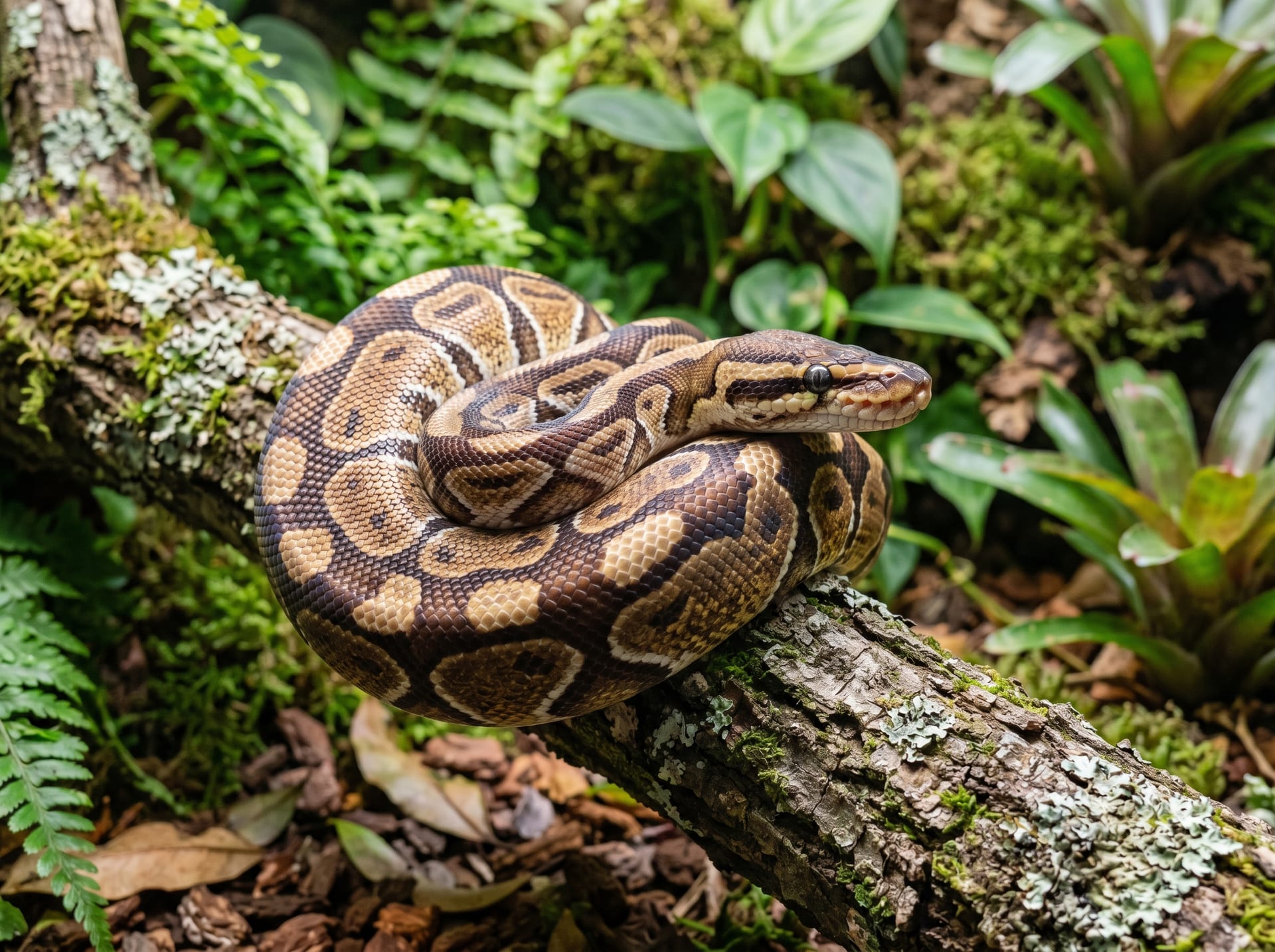
- Ball Python, tree monitors, etc.
- Lighting around UVB 5.0 is appropriate
- Be sure to also install shelters where they can avoid UV
Zone 3 (UVB 1.0–2.6 UVI): Basking Species
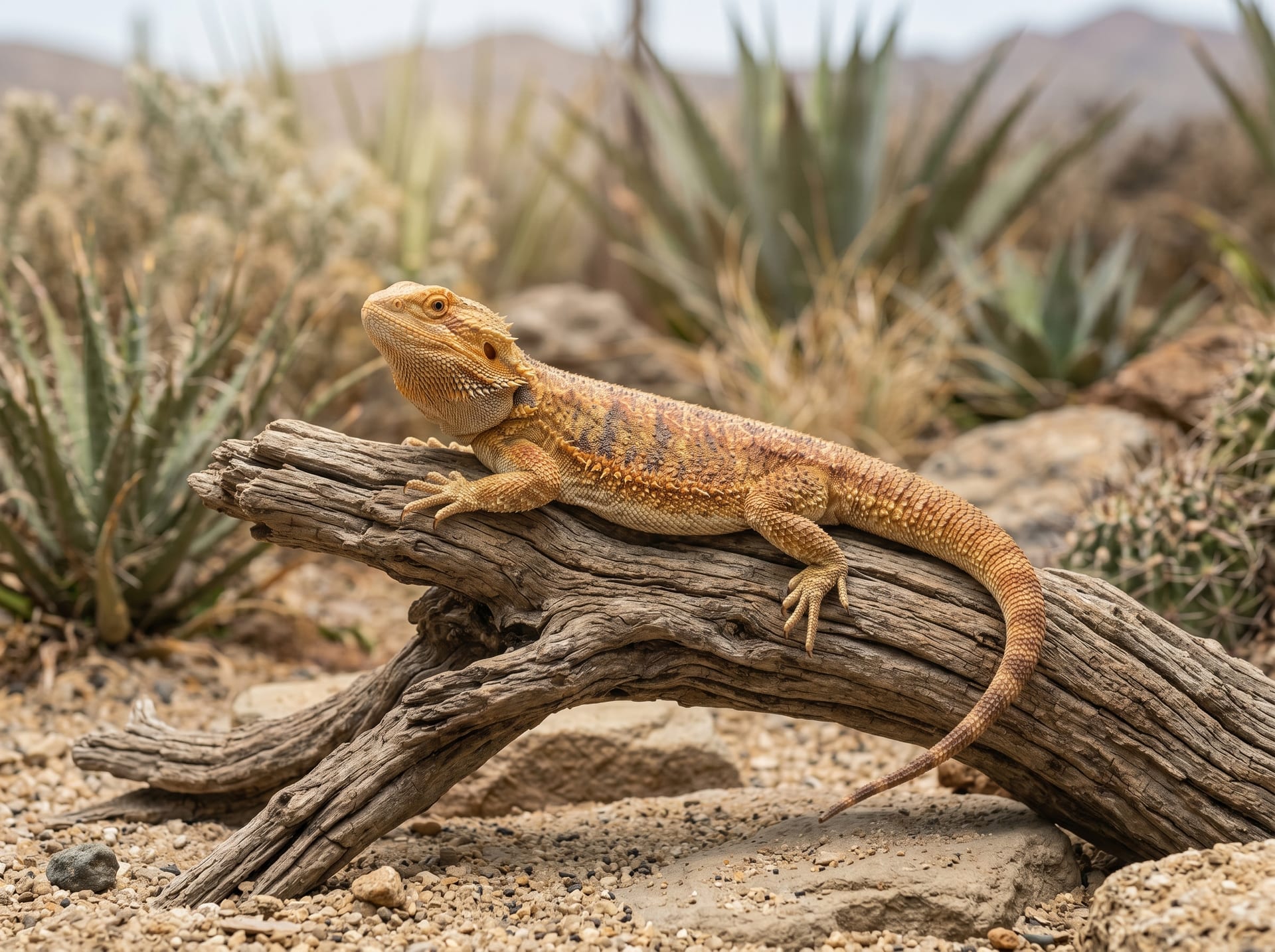
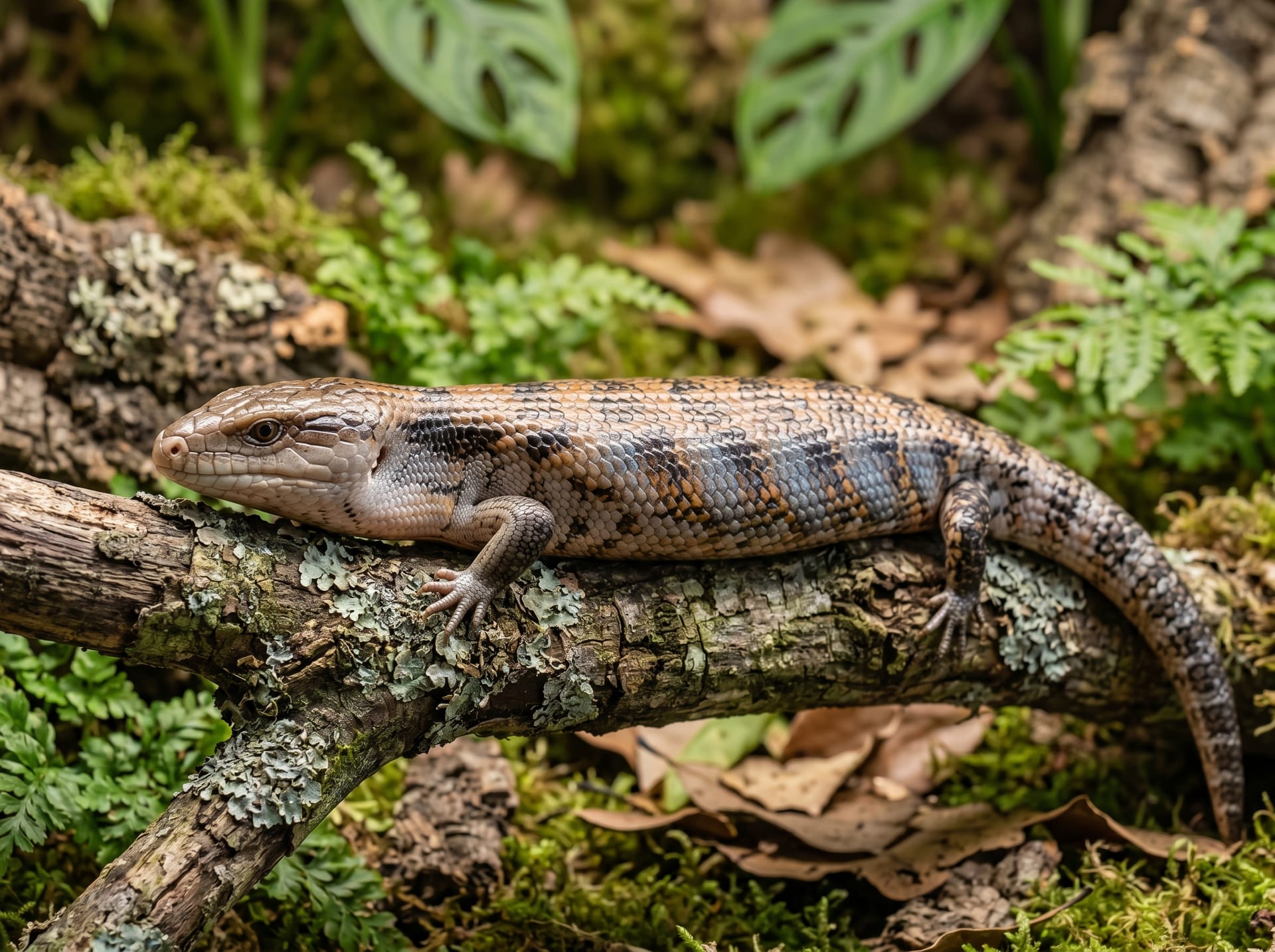
- Central Bearded Dragon, Blue-Tongued Skink, etc.
- Strong lighting of UVB 10.0 or higher is necessary
- Install directly under the basking spot
Zone 4 (UVB 2.6–3.5 UVI): Desert-Dwelling Light-Loving Species
- Uromastyx, some tortoises, etc.
- Species requiring the strongest UV
- Metal halide lamps are often appropriate
Proper Installation of UV Lighting
Installation method is crucial to maximizing the effectiveness of UV lighting.
- Ultraviolet light is significantly attenuated through a cage lid: Glass and plastic nearly block UVB, so illuminate from above a mesh lid or install it inside the cage
- Maintain appropriate illumination distance: Recommended illumination distance varies by product. Too close causes excessive UV, too far results in insufficient effect
- Combination with basking spot: Install UV light and basking light close together so reptiles can bask and receive UV simultaneously
- Create a refuge area without UV: Also ensure an area where they can avoid UV in the shade of shelters or plants
- Illumination time should be around 10–12 hours: Manage with a timer to match natural day-night cycles
Replacement Timing and Signs of Deterioration
UV light may appear bright to the eye, but its output decreases with use. This is the most commonly overlooked point.
- Fluorescent Tube Type: Replacement every 6–12 months is recommended. Follow the manufacturer's instructions
- Metal Halide Lamp: The guideline is 12–18 months
- Ideal to regularly measure with a UVB meter (solar meter, etc.): Without relying solely on subjective impressions of brightness, managing by numerical values makes it less likely to miss replacement timing
- If your reptile spends extended periods in the basking spot, the UV output may be declining
- Since light output is weaker at the edges than in the center, place the basking area near the center of the light
The Dangers of Metabolic Bone Disease (MBD) from Insufficient UV
To understand the importance of UV lighting, let's learn about metabolic bone disease caused by insufficient UVB. MBD is a disease where bones become fragile due to calcium absorption failure, and it is one of the most common diseases in reptile husbandry. Early symptoms include loss of appetite, decreased activity, trembling limbs, and jaw softening (rubber jaw). As it progresses, the skeletal structure becomes deformed, bones become more prone to fracture, and in the worst cases, death can occur. Particularly in juveniles during the growth phase, progression is rapid, so it is essential to introduce appropriate UVB lighting from the start of husbandry. Treatment of MBD requires intensive calcium supplementation and UV illumination by a veterinarian, and it may take several months for complete recovery. Prevention is the best treatment, and appropriate UV environment is not "nice to have" but "essential."
Consult with BreederDirect Breeders about UV Environment
The optimal choice of UV lighting varies depending on the species you're keeping, cage size, and living environment. On BreederDirect, you can directly ask the breeder of the reptile you're acquiring about the specific brands of lighting they use and their installation methods. By referencing the UV environment that experienced breeders practice, you can start your husbandry on a healthy footing.