Complete Guide to Choosing Reptile Substrate | Recommended Materials by Type and Replacement Frequency
Explanation of types and how to choose substrate used in reptile keeping. We introduce the characteristics of pet sheets, sand, soil, bark chips, and more, recommended substrates by species type, and replacement frequency.
Key Takeaways
Explanation of types and how to choose substrate used in reptile keeping. We introduce the characteristics of pet sheets, sand, soil, bark chips, and more, recommended substrates by species type, and replacement frequency.
Related Species
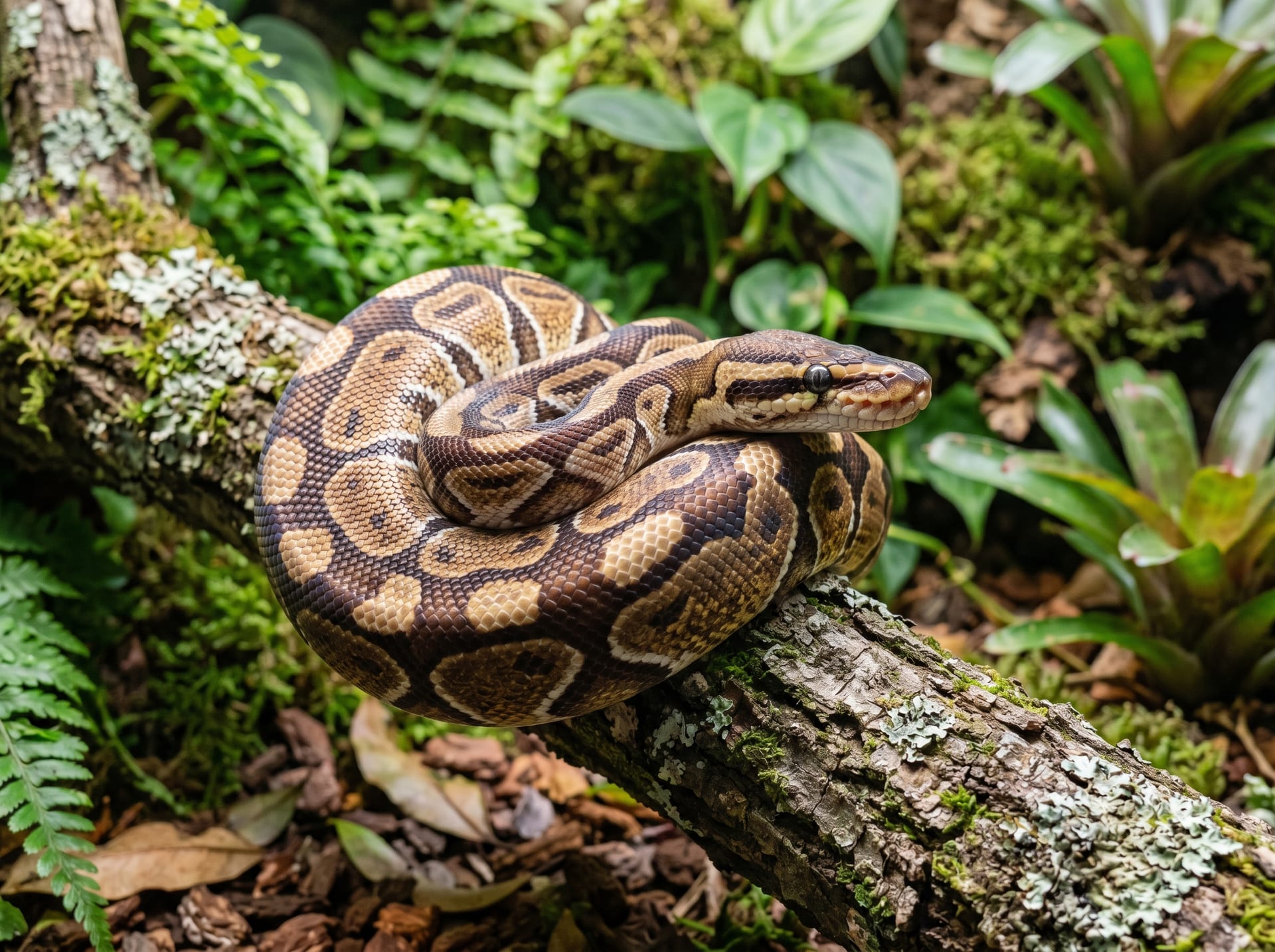
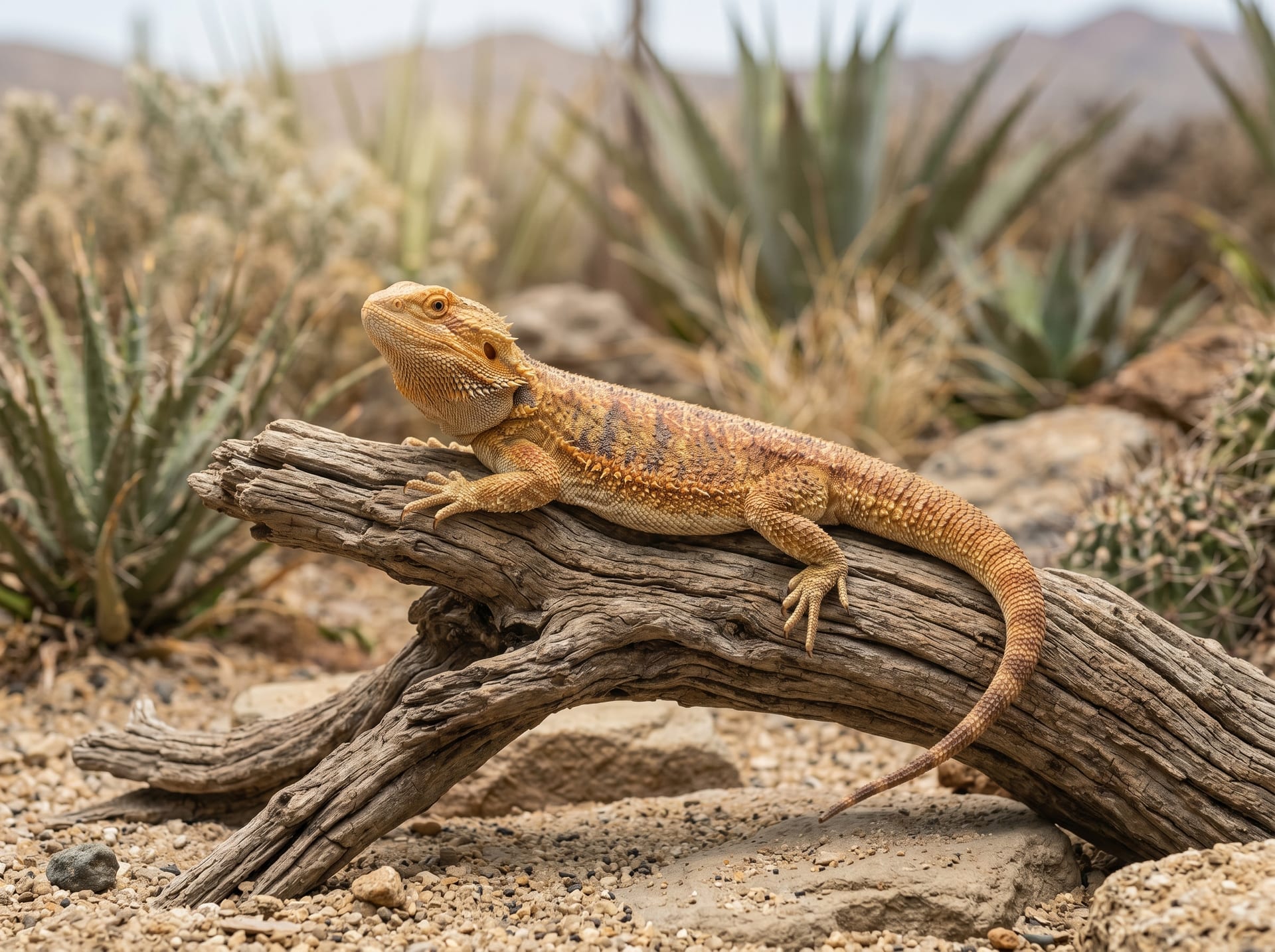
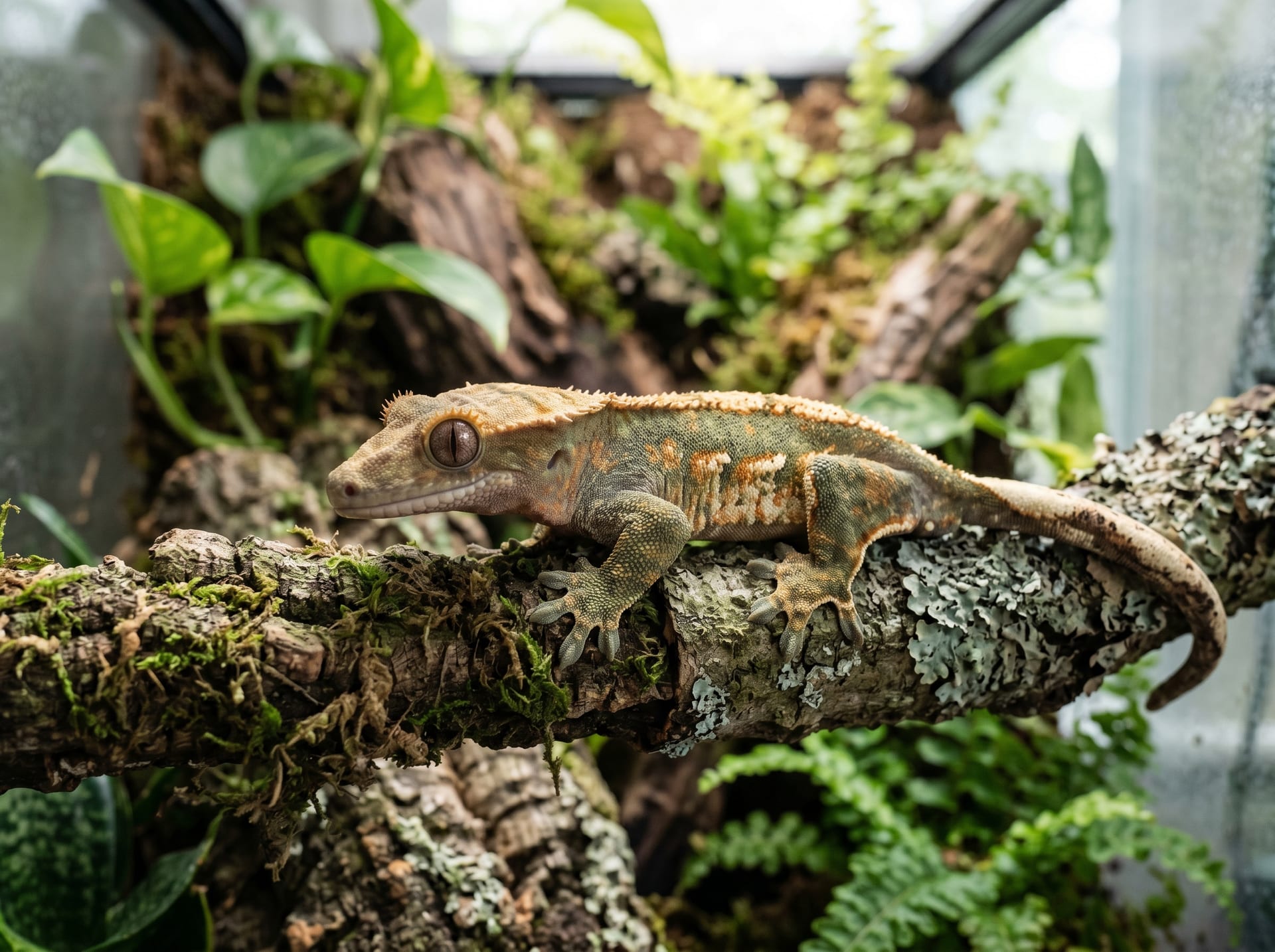
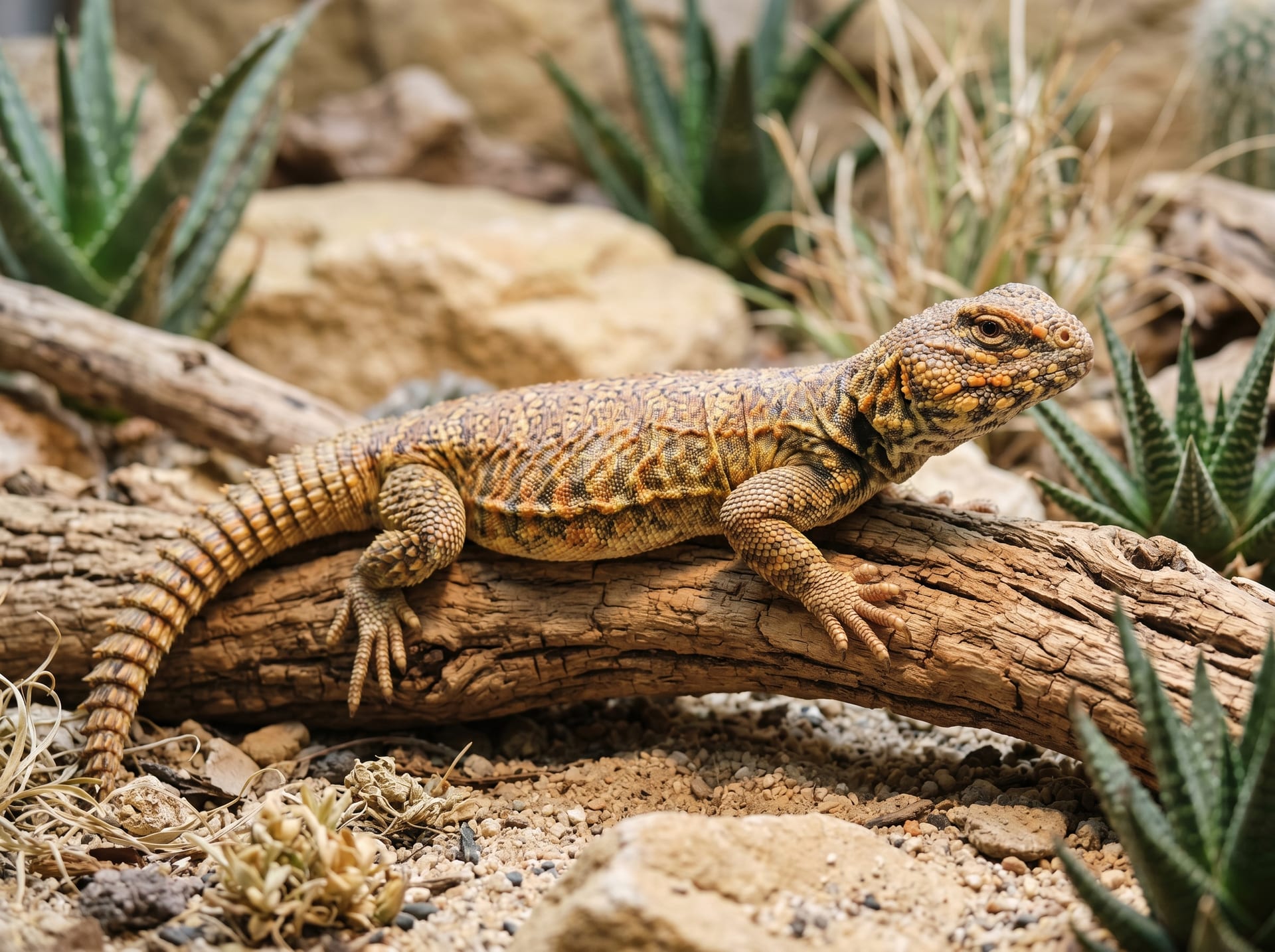
Substrate laid in a reptile enclosure is an important piece of equipment that affects not only appearance but also heat retention, moisture retention, hygiene, and the safety of your animal. The ideal substrate differs by species, and incorrect choices can lead to accidental ingestion and respiratory problems. This article introduces the main types of substrate and their characteristics, as well as recommended substrates for different reptile types.
Main Types of Substrate and Their Characteristics
Substrates used in reptile keeping can be broadly divided into the following types.
Pet Sheets (Kitchen Paper / Newspaper)
- Merits: Easy and hygienic to change, low risk of accidental ingestion, inexpensive
- Drawbacks: Does not look natural, no moisture retention, does not allow burrowing behavior
- Suitable for: All snakes, young animals, animals under treatment
Desert Sand (Sand-based)
- Merits: Recreates the natural environment of desert-dwelling species, beautiful appearance, allows digging behavior
- Drawbacks: Risk of accidental ingestion (especially in young animals), waste disposal is somewhat troublesome
- Suitable for: Bearded dragons (adults), spiny-tailed agamas, desert-dwelling geckos
Soil (Soil-based)
- Merits: High moisture retention, bacterial decomposition can be expected, allows planting of vegetation
- Drawbacks: Heavy, prone to mites and mold, produces dust when dried
- Suitable for: Moisture-loving lizards, chameleons, tree pythons
Coconut Husk (Husk Chips)
- Merits: High moisture retention, natural appearance, light and easy to handle
- Drawbacks: Small chips risk accidental ingestion, prone to mold
- Suitable for: Ball pythons, moisture-loving snakes and lizards
Bark Chips (Bark)
- Merits: High moisture retention, low risk of accidental ingestion if chips are large, good appearance
- Drawbacks: Waste easily gets trapped in gaps, somewhat expensive
- Suitable for: Terrestrial tortoises, large lizards, moisture-loving species in general
Artificial Turf (Reptile Carpet)
- Merits: Zero risk of accidental ingestion, can be washed and reused, easy to clean
- Drawbacks: Claws can get caught, looks artificial, no moisture retention
- Suitable for: Leopard geckos, bearded dragons
Recommended Substrates by Reptile Type
Snakes
- Beginners should use pet sheets, which are easy to manage. Waste is easy to check and the substrate is hygienic.
- For those prioritizing appearance, coconut husk or bark chips are good choices. Coconut husk is popular for ball pythons.
- For young snakes, pet sheets are recommended exclusively to prevent accidental ingestion.
Geckos
- Leopard geckos are safe with kitchen paper or artificial turf. Calcium sand is also an option.
- Crested geckos are best kept with soil or coconut husk to maintain humidity.
- Young geckos are safer with kitchen paper due to ingestion risk. Preventing shedding difficulty also makes it important to choose a substrate that is easy to maintain humidity with.
Lizards
- Desert sand is closest to the natural environment for adult bearded dragons.
- For chameleons, maintain high humidity with soil or coconut husk.
- Bark chips or coconut husk are appropriate for monitors (monitor lizards).
Turtles and Tortoises
- Bark chips or coconut husk are standard for terrestrial tortoises. They combine ease of movement with moisture retention.
- Aquatic turtles are easy to maintain with a bare tank (no substrate) or large-grain sand.
Substrate Replacement Frequency and Maintenance
Substrate replacement frequency varies depending on the type and substrate used.
Daily to several-day interval tasks
- Spot removal of feces (remove as soon as found)
- Partial replacement of soiled substrate
- Removal of wet substrate around water dishes
Full replacement approximately once per month
- Pet sheets should be changed immediately if soiled (typically every 2–3 days)
- Sand-based substrates should be completely replaced every 1–2 months
- Coconut husk and bark chips should be completely replaced every 1–2 months
- Soil should be completely replaced every 2–3 months
Points to consider when replacing
- When doing a full replacement, clean and disinfect the enclosure as well
- Check new substrate for debris before use
- Sun-drying natural substrate after opening helps prevent mites
- Animals may feel stressed immediately after replacement, so avoid excessive handling
Following appropriate replacement frequency is directly linked to managing cage odor. Since substrate degradation is a major cause of odor, regular maintenance is the first step toward a comfortable keeping environment.
Materials to Avoid When Choosing Substrate
Even if inexpensive and readily available, there are materials that should not be used for reptiles.
- Cedar and cypress chips: Volatile compounds are harmful to reptile respiratory systems
- Pine chips: Similarly contain harmful compounds
- Cat litter: High risk of intestinal blockage if accidentally ingested
- Garden soil: May contain pesticides or chemical fertilizers
- Sand that is too fine: Can be inhaled through nostrils and cause respiratory problems
Bioactive Substrate as an Option
The "bioactive method" is gaining attention in recent years. This is a method that reproduces the natural decomposition cycle by introducing decomposers such as pillbugs, sowbugs, and springtails to natural substrates like soil and coconut husk. Since decomposers break down waste and uneaten food, the full replacement frequency of substrate can be greatly reduced. The appearance is also close to natural, and more keepers are enjoying bioactive vivariums (enclosures that recreate ecosystems) by planting vegetation. However, implementation requires a certain amount of knowledge, and proper drainage layers and ventilation are important. Since it is somewhat unsuitable for dry-climate reptiles, research compatibility with the species you plan to keep beforehand. While initial setup is time-consuming, maintenance becomes easier once established, making it a recommended method for those seeking a natural keeping environment.
Consult with BreederDirect Breeders About Substrate
The optimal substrate varies by species and individual, so advice from actual keepers is most valuable. On BreederDirect, you can directly ask the breeder of your reptile about the brand and replacement frequency of the substrate they use. By using the same substrate that breeders have carefully selected through years of experience, you can create a safe environment for your animal.