Reptile Brumation (Hibernation) Guide | Safe Winter Care Methods
Explains fundamental knowledge of reptile brumation and safe management methods. Introduces preparation steps, management during brumation, and methods for awakening.
Key Takeaways
Explains fundamental knowledge of reptile brumation and safe management methods. Introduces preparation steps, management during brumation, and methods for awakening.
Reptile Brumation (Hibernation) Guide | Safe Winter Care Methods
When keeping reptiles, you may notice that as autumn approaches, some individuals lose their appetite and move less sluggishly. This is called "brumation," a dormant state unique to reptiles. Unlike mammalian hibernation, it is not a complete sleep; rather, it is a prolonged state of significantly reduced activity. Individuals may come out to drink water or move around occasionally.
✍️
BreederDirect Editorial
The BreederDirect editorial team specializes in care information for animals, covering veterinary care and breeding to deliver beginner-friendly guides.
Find Reptiles on BreederDirect
Buy directly from verified breeders
Browse Related Listings
Find Reptiles listings related to this article on BreederDirect. Buy directly from verified breeders.
In nature, brumation is one survival strategy, but in captivity, mismanagement can be life-threatening to the individual. This guide provides detailed explanations from basic knowledge about brumation through preparation, management, and awakening procedures.
---
What is Brumation? Differences from Mammalian Hibernation
Mammalian hibernation (in bears, squirrels, etc.) is a deep sleep where body temperature drops significantly and metabolism nearly stops. In contrast, reptile brumation is a dormant state dependent on the thermoregulation function of ectothermic animals, where metabolism naturally decreases as environmental temperature drops.
The main differences can be summarized as follows:
Mammalian hibernation: Body temperature drops significantly, no consciousness, survives on stored internal energy
Reptile brumation: Body temperature depends on environmental temperature, occasionally wakes to drink water, digestive activity nearly stops
Understanding this difference is the starting point for appropriate management.
Representative species that undergo brumation
Not all reptiles require brumation. Primarily temperate to sub-arctic native species are the targets.
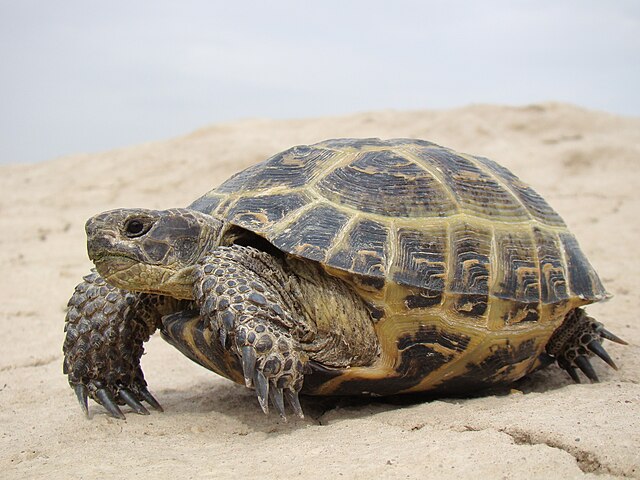
Russian tortoise (Horsfield's tortoise)
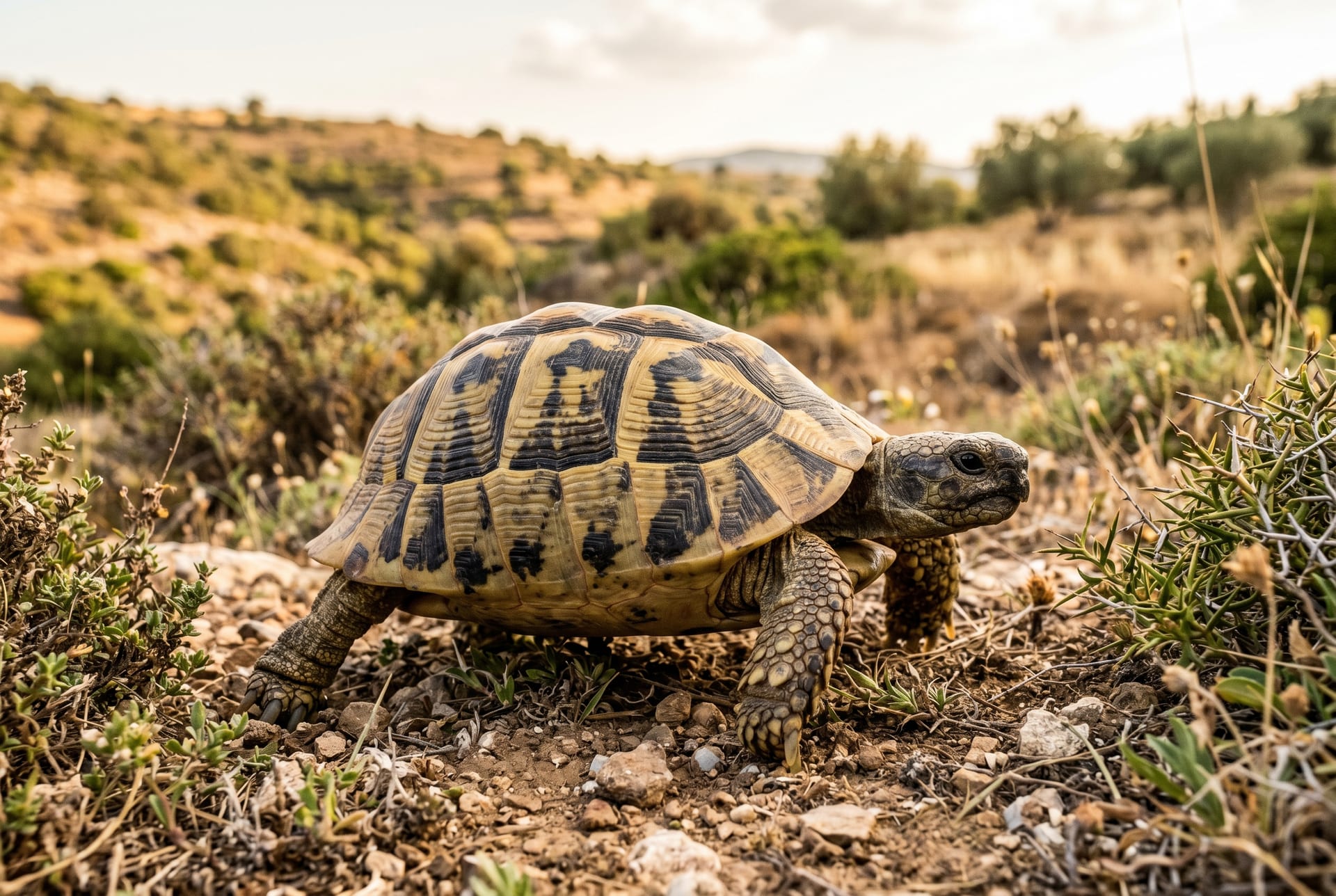
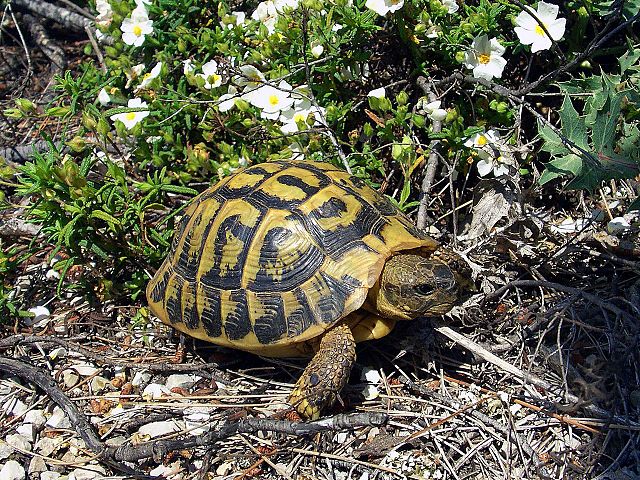
Hermann's tortoise
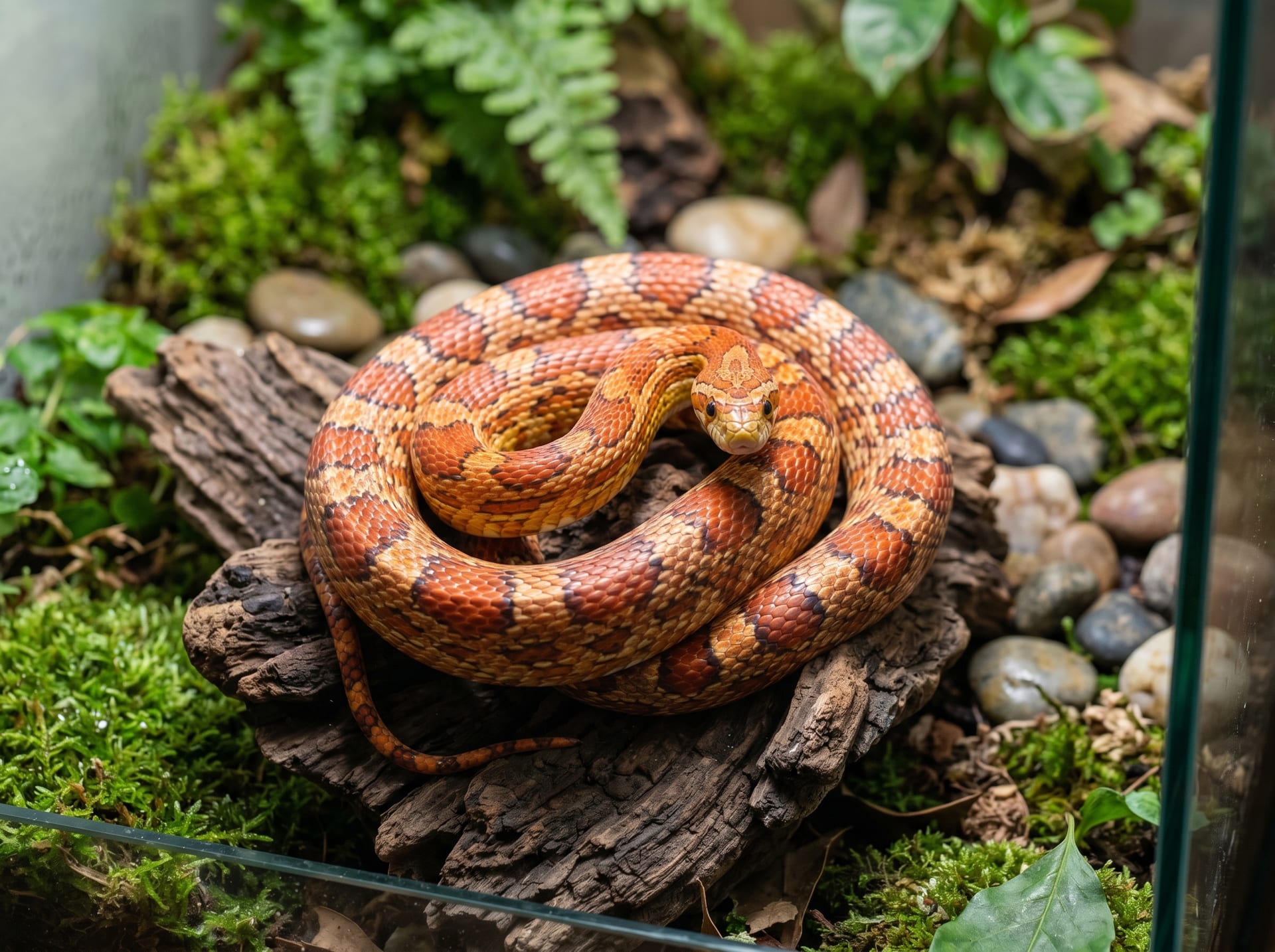
Corn snake
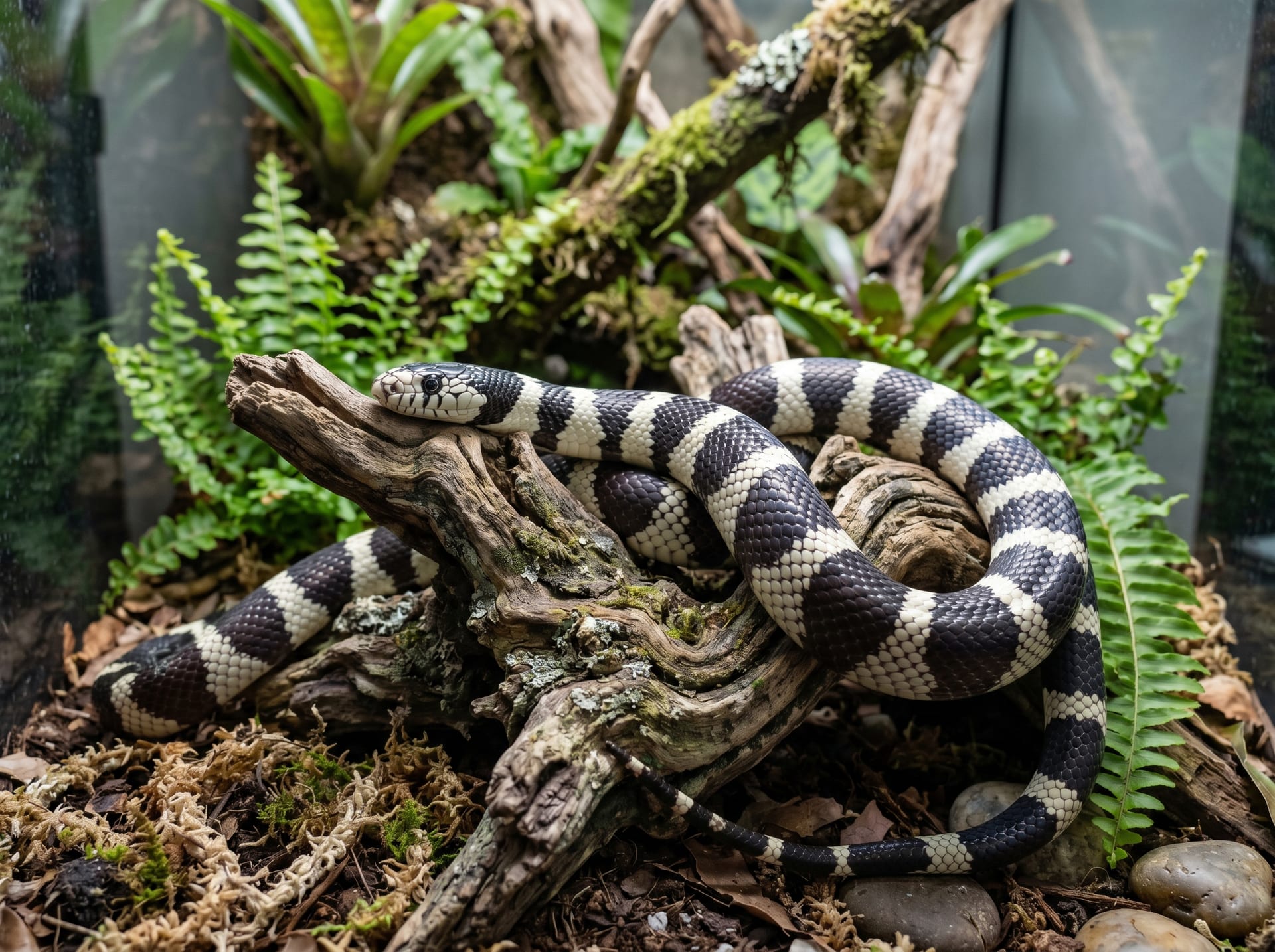
King snake
Some gecko and lizard species
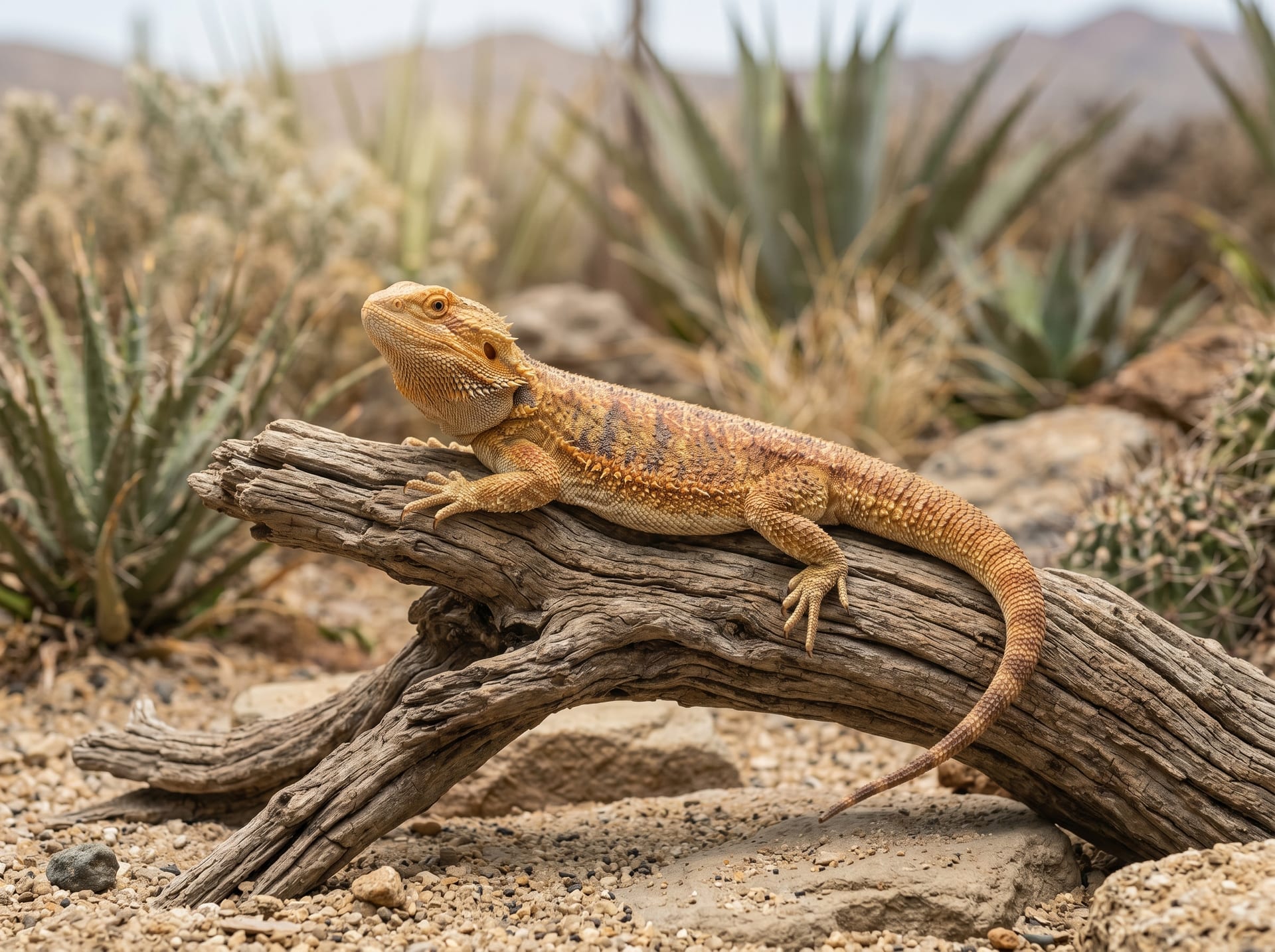
On the other hand, leopard geckos and bearded dragons are tropical to subtropical natives and can maintain health in captivity without brumation. In fact, forcing them into brumation can cause them to lose stamina, so always confirm the characteristics of each species.
---
Benefits and Risks of Brumation
Brumation has major benefits but also carries risks. It is important to understand both thoroughly before implementing.
Benefits
Improved breeding success: In temperate species (such as corn snakes), individuals that have experienced brumation often show more active breeding behavior, with improved clutch numbers and hatch rates
Maintaining natural cycles: Replicating a natural environment helps regulate physiological rhythms and contributes to long-term health maintenance
Contributing to longevity: The idea that setting a period to reduce metabolism contributes to lifespan; while scientifically still under research, most experienced breeders support this
Risks
Death from lack of stamina: Thin or diseased individuals may not have accumulated enough energy for winter survival and may weaken and die during brumation
Dehydration: Even during brumation, water is necessary. If water supply is interrupted, severe dehydration can result
Temperature management failure: If temperature is too high, metabolism does not decrease and the individual exhausts its energy; if too low, frostbite or death can occur
---
Pre-Brumation Preparation (Autumn)
Subjecting unprepared individuals to brumation is extremely dangerous. Be sure to carry out the following steps reliably during autumn.
1. Thorough Health Checks
Only well-bodied, healthy individuals should enter brumation. If any of the following apply, continue normal husbandry.
Thin, or recently lost body weight
Diarrhea, soft feces, or mucous feces continuing
Abnormal breathing sounds, or mouth held open
Suspected external injury or infection
If in doubt, we strongly recommend consulting an exotic animal veterinarian.
2. Feeding Cessation and Digestive Tract Emptying
Stop feeding 2-3 weeks before starting brumation to allow the digestive tract to empty completely. If food remains in the digestive system during brumation, it can decay and cause fatal infection.
3. Warm Water Bathing to Promote Defecation
After stopping feeding, bathe in warm water (around 30°C) to promote defecation. Once defecation is confirmed, brumation preparation is complete.
4. Record Body Weight
Be sure to weigh and record the individual before starting. This serves as a baseline for tracking weight changes during brumation.
---
Management Points During Brumation
During brumation, "hands-off" management is not appropriate; regular observation and record-keeping are essential.
Temperature Management
The appropriate temperature range varies by species, but generally 5-15°C is the guideline.
Sudden temperature changes cause significant stress to the individual
Maintain stable low temperatures in a cool room, or use a refrigerator (set to 10°C)
If using a refrigerator, ensure ventilation so the interior is not completely sealed
Water Supply
Dehydration is one of the greatest risks during brumation.
Keep a water dish constantly available, and replace with fresh water every 2-4 weeks
If the individual occasionally comes out to drink water, this is normal behavior. There is no need to forcibly return it
As needed, perform periodic warm water baths to encourage water intake and defecation
Weight Checks
Measure weight every 2-4 weeks. If body weight loss exceeds 10% from the start, consider stopping brumation, returning to a warm environment, and consulting a veterinarian.
Duration Guidelines
Typically 2-4 months is the standard, but duration varies by species, individual, and husbandry environment. Gradually adjust the environment in line with natural daylight cycles as spring approaches.
---
Awakening from Brumation (Spring)
Awakening from brumation should also be done slowly and gradually. Sudden environmental changes place stress on the individual.
Gradual temperature increase: Slowly raise temperature over 1-2 weeks
Extend lighting duration: Gradually increase lighting time in line with daylight cycles
Warm water bathing: As temperatures rise, perform warm water baths to encourage water intake and defecation
Resume feeding: Begin feeding only after confirming appetite has returned, starting with small amounts. Feeding large quantities from the start can cause digestive issues
Even after awakening, observe appetite and stool condition carefully for 1-2 weeks, and consult an expert early if any abnormalities appear.
---
Breeders Choku's Safe and Secure System
Many people feel anxious about brumation management from reading text alone. Having access to direct advice from experienced breeders would allow even beginners to attempt it with confidence.
Breeders Choku allows you to purchase individuals directly from breeders with proven expertise in breeding and raising temperate-zone reptiles such as corn snakes, king snakes, Russian tortoises, and Hermann's tortoises. After purchase, Breeders Choku's strength is the ability to easily ask breeders questions about winter care methods and daily husbandry.
If you are concerned about "not knowing how to do brumation" or "worried about winter management," we encourage you to connect with a trustworthy breeder at Breeders Choku. We provide a consistently secure environment from individual purchase through husbandry support.