Reptile Brumation & Cooling Guide — Preparing for Breeding
Managing reptile brumation for breeding: temperature schedules, feeding cessation timing, and health monitoring during cooling.
Key Takeaways
Managing reptile brumation for breeding: temperature schedules, feeding cessation timing, and health monitoring during cooling.
Related Species
For successful reptile breeding, introducing a "cooling" period (low-temperature phase) plays a crucial role in many species. In the wild, winter's cold period triggers hormonal changes in preparation for spring breeding. Reproducing this seasonal change in captivity significantly improves breeding success rates.
What Is Cooling?
Cooling (brumation management) involves intentionally lowering the keeping temperature for a set period to simulate winter. Unlike mammalian hibernation, reptile brumation does not involve complete metabolic shutdown. Activity decreases substantially, but the animal still needs water access and may move occasionally.
Cooling aids breeding because the low-temperature period promotes sperm and egg maturation and resets reproductive hormone secretion patterns.
Pre-Cooling Preparation (1 Month Before)
Health check: Confirm the individual is healthy and has adequate body reserves. Thin or sick animals should not undergo cooling. Record body weight for pre/post comparison.
Empty the digestive tract: Stop feeding 2-3 weeks before cooling begins. Lowered temperatures reduce digestive function, and undigested food can rot in the gut. Allow at least 2 weeks between the last feeding and temperature reduction.
Water access: Always provide fresh water during cooling. Reptiles can become dehydrated even at low temperatures.
Cooling Schedule
Temperature descent (2 weeks): Reduce temperatures gradually over 2 weeks. For example, lower from 28 degrees Celsius by 2 degrees every 3 days to reach 18-20 degrees Celsius.
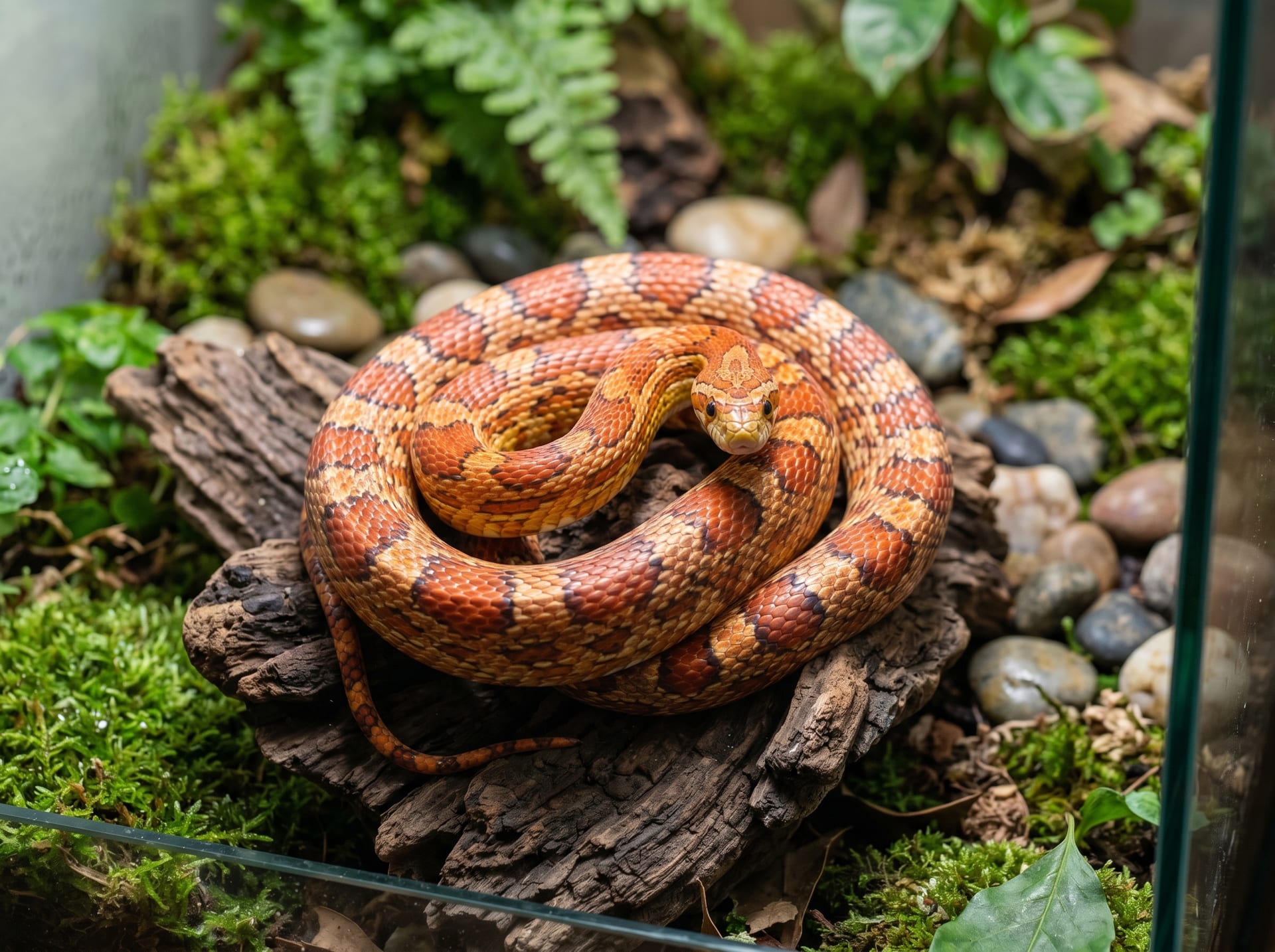
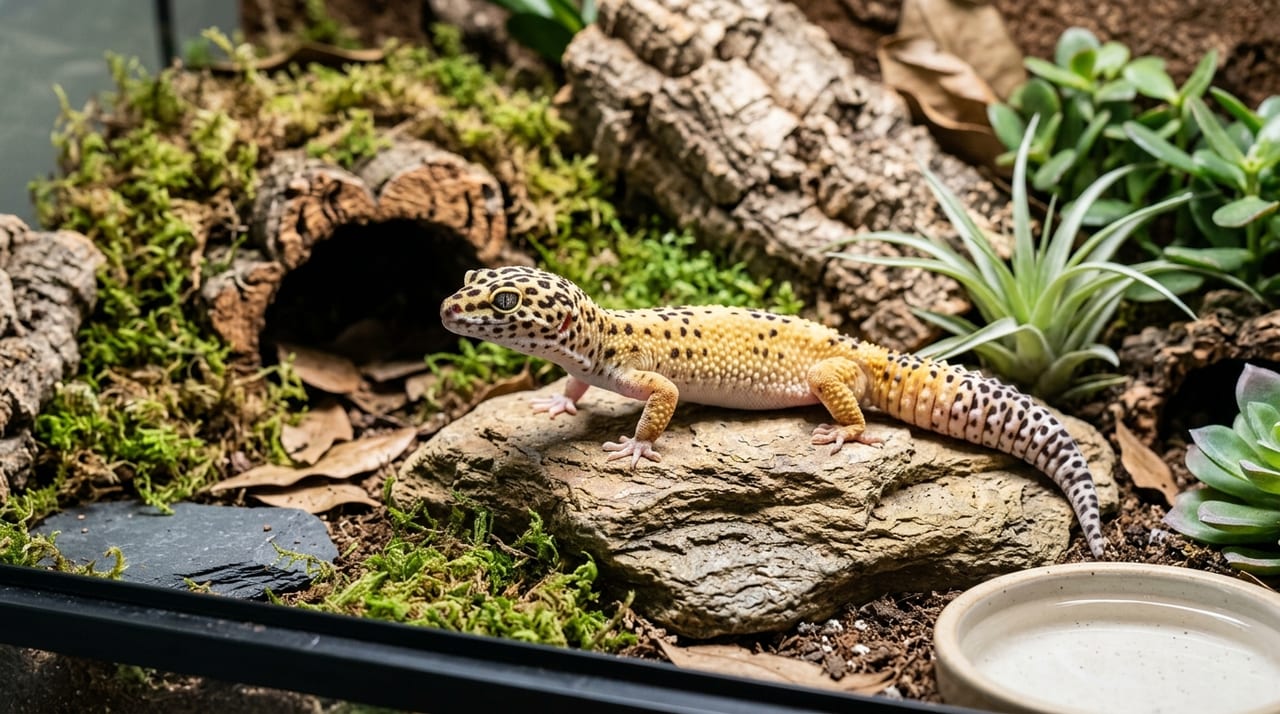
Cooling period (6-12 weeks): Duration varies by species. Leopard geckos: 6-8 weeks. Corn snakes: 8-12 weeks. Maintain 18-22 degrees Celsius. Also shorten lighting to 8-10 hours to simulate shorter winter days.
Temperature ascent (2 weeks): Raise temperatures gradually back to normal over 2 weeks. Resume feeding with small meals once temperatures recover.