Pike Cichlid (Crenicichla Genus) Care Guide | How to Keep South American Large Predatory Fish
Pike cichlids (Crenicichla genus) are among South America's largest predatory cichlids, native to the Amazon River basin. Their vibrant coloration and impressive presence are captivating, but their strong territoriality and carnivorous nature require careful management. This guide covers species-specific characteristics, tank setup, feeding, and breeding in detail.
Key Takeaways
Pike cichlids (Crenicichla genus) are among South America's largest predatory cichlids, native to the Amazon River basin. Their vibrant coloration and impressive presence are captivating, but their strong territoriality and carnivorous nature require careful management. This guide covers species-specific characteristics, tank setup, feeding, and breeding in detail.
Related Species
What Are Pike Cichlids?
Pike cichlids (Crenicichla genus) are a group of large predatory fish belonging to the Cichlidae family, distributed primarily throughout the Amazon and Orinoco river basins of South America. They are called "pike cichlids" because their elongated body shape and large mouth resemble the pike (Esox), a freshwater predatory fish.
Over 100 species are currently known, ranging from 10 to 60 cm in length, with significant size variation between species. In recent years, small to medium-sized species with vibrant coloration have begun appearing in the Japanese aquarium market, attracting considerable attention from large predatory fish enthusiasts.
Representative Species
| Species | Common Name | Length | Characteristics |
|---|---|---|---|
| C. regani | Regani Pike Cichlid | 20–30 cm | Medium-sized with beautiful lateral lines |
| C. compressiceps | Compressiceps Pike | 15–20 cm | Compact and relatively gentle |
| C. strigata | Strigata Pike | 25–35 cm | Distinctive black striped pattern |
| C. lenticulata | Lenticulata Pike | 30–50 cm | Large with impressive presence |
| C. cf. saxatilis | Saxatilis Pike | 20–30 cm | Rich color variation |
Setting Up the Aquarium Environment
Tank Size
Pike cichlids are active swimmers with strong territoriality, making large tanks essential.
| Fish Length | Recommended Tank (Single Fish) |
|---|---|
| 15–25 cm (Small to Medium) | 90 cm tank (170L+) |
| 25–40 cm (Medium) | 120 cm tank (300L+) |
| 40 cm+ (Large) | 150–180 cm tank (500L+) |
For Pair Housing: If breeding is the goal, use a tank one size larger than for single fish and distribute territory with dividers and hiding places.
Water Parameters
Pike cichlids are adapted to the soft, slightly acidic waters of South America.
| Parameter | Ideal Range |
|---|---|
| Temperature | 24–28°C (Wild-caught: 26–27°C recommended) |
| pH | 5.5–7.0 (species-dependent; Amazonian species: 6.0–6.8) |
| Hardness | 1–8 dGH (soft to moderately soft) |
| Ammonia/Nitrite | 0 |
| Nitrate | ≤20 ppm (increase water change frequency if higher) |
Blackwater Environment: Adding tannins through blackwater conditioners (such as Apio blackwater extract) reduces stress in wild-caught individuals and enhances their coloration. Submerging driftwood (such as Amazon branch wood) naturally releases tannins into the water.
Layout and Hiding Places
| Layout Element | Purpose |
|---|---|
| Large Driftwood (multiple pieces) | Territory boundaries and hiding places |
| Rock Formations | Spawning sites (for pair housing) |
| Substrate (fine sand) | Accommodating digging behavior |
| Aquatic Plants (hardy species only) | Hiding places and spawning substrates (prone to uprooting) |
Pike cichlids have a tendency to dig through substrate, so delicate stem plants are best kept in pots or avoided. Species such as Anubias and Microsorum that attach to driftwood are relatively safe.
Filtration and Water Quality Management
Because they are large carnivorous fish, powerful filtration is essential due to high waste production.
Recommended Setup
- External filter (Eheim 2217 or larger, such as Fluval FX6)
- Adding a sponge filter as a secondary filter is ideal
- Perform 25–30% weekly water changes as standard; increase frequency if nitrates are elevated
Note: Use guards on filter intake tubes (pike cichlids may collide with filter parts).
Feeding
Pike cichlids are instinctively carnivorous fish that chase live fish and shrimp. In aquarium settings, transitioning to frozen or artificial foods is recommended.
Food Types and Transition Steps
| Food Type | Use | Notes |
|---|---|---|
| Frozen Feeder Fish (small fish) | Pre-main diet | Similar to live prey; aids transition |
| Frozen Smelt/Silversides | Main diet | High nutrition; strong preference |
| Frozen Krill (large) | Supplementary/transition | Rich in iodine |
| Carnivore Pellets (Hikari Carnivore Sticks, etc.) | Long-term main diet candidate | Good nutritional balance |
Avoid live feeder fish (goldfish, medaka, etc.): This carries high disease transmission risk, and feeding exclusively one type creates nutritional imbalance.
Feeding Schedule
- Juveniles to young adults: Once to twice daily (small portions)
- Adults: Once daily or every other day (adjust based on belly fullness)
About Tank Mates
Pike cichlids are among the most difficult fish to keep with others due to their strong territoriality and carnivorous nature.
Basic Rules for Tank Mates
- Any fish small enough to fit in the mouth is considered food (do not keep fish half the pike cichlid's length or smaller)
- Same species/genus mixing is generally not recommended except for breeding pairs
- Keep them alone or use dividers in very large tanks for safety
More Compatible Tank Mate Options
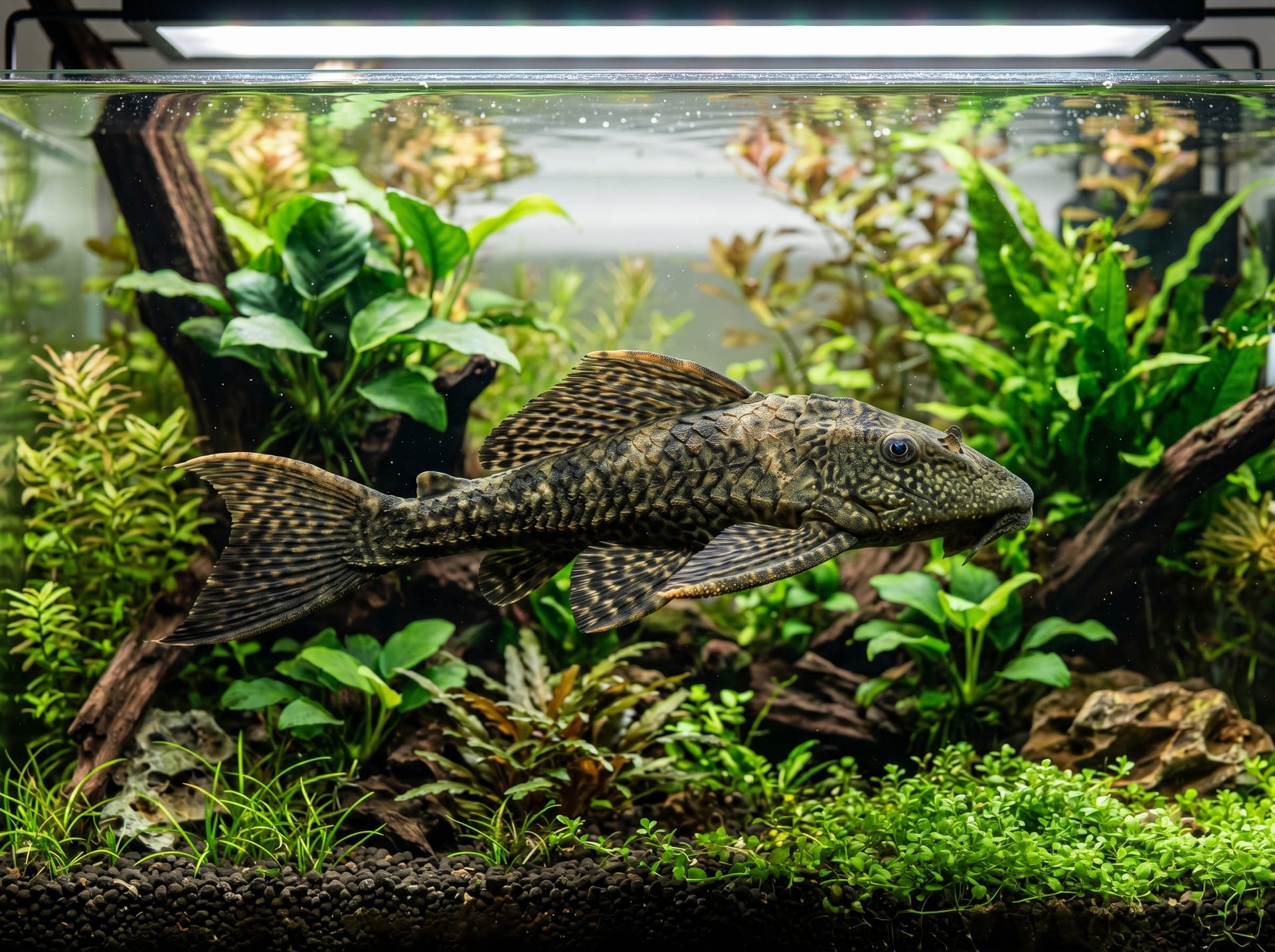
- Large plecos (Royal pleco, Tiger pleco, etc.): Live on the bottom and avoid pike cichlid territory
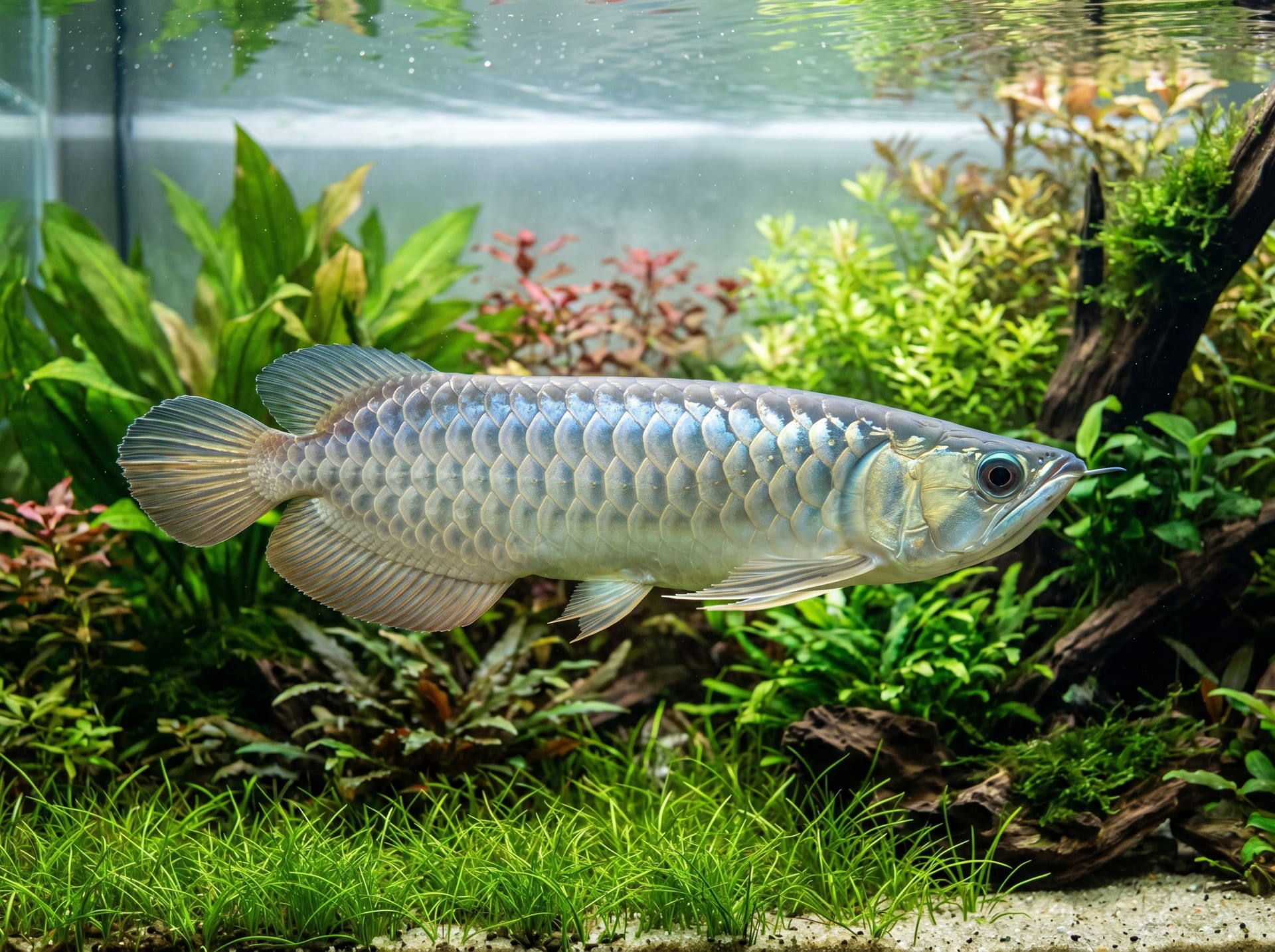
- Large tetras (Arowana, Silver dollars, etc.): Swim in mid to upper layers with minimal interaction
- Driftwood catfish of equal size or larger
Breeding
Pike cichlid breeding in aquariums is becoming more common, and reproduction can be achieved with the right pair and conditions.
Breeding Preparation
Sexing
- Females have a rounded belly and visible egg tube
- Males are larger and frequently flare their fins in display
Pairing
- Keep 5–8 juveniles together and allow pairs to form naturally (forced pairing is dangerous)
- Once a pair forms, remove all other fish to prevent aggression
Spawning and Hatching
- Once a pair forms, they spawn on flat rocks, driftwood, or caves (PVC pipe)
- Eggs are reddish and guarded by both parents (biparental care)
- Eggs hatch in 2–4 days at 27°C
- Fry absorb their yolk sac in 3–5 days post-hatch and begin swimming
Fry Rearing
- Initial food: Brine shrimp or daphnia (live) 3–5 times daily
- When fry reach 1 cm, add frozen bloodworms and fine krill
- Sort by size as they grow to prevent cannibalism
- Separate fry from parents when they reach 2–3 cm (parents may eat them)
Common Health Issues
Columnaris (Hole-in-the-Head-like Infection)
Caused by poor digestion, water quality deterioration, or secondary infection from injury. Manifests as lesions on the body. Treat with green F liquid medication.
Hexamita (Hole-in-the-Head)
A parasitic disease causing small lesions on the head. Poor nutrition and deteriorated water quality are risk factors. Treat with metronidazole-based medications.
Torn Fins
Caused by territorial conflicts or collision with other fish. Often heal naturally with isolation and clean water. Treat with salt bath or medication if secondary infection is a concern.
Summary: The Appeal of South American Large Predatory Fish
Pike cichlids require tanks of 90–120 cm or larger with limited compatibility, making them challenging to keep. However, their commanding presence and vibrant coloration provide great satisfaction to large fish enthusiasts.
Once blackwater conditions and frozen diets are established, keeping them becomes stable, and pair housing can even lead to successful breeding. For those with South American cichlid experience, pike cichlids are an excellent next challenge.