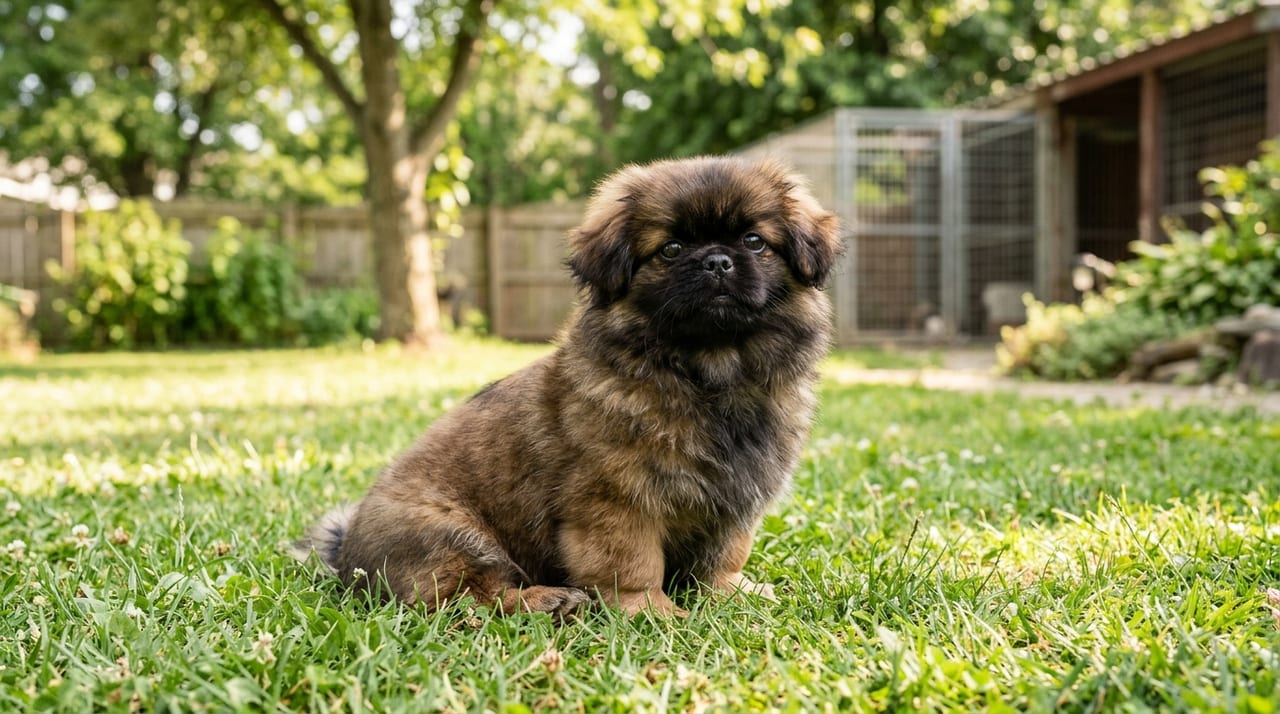
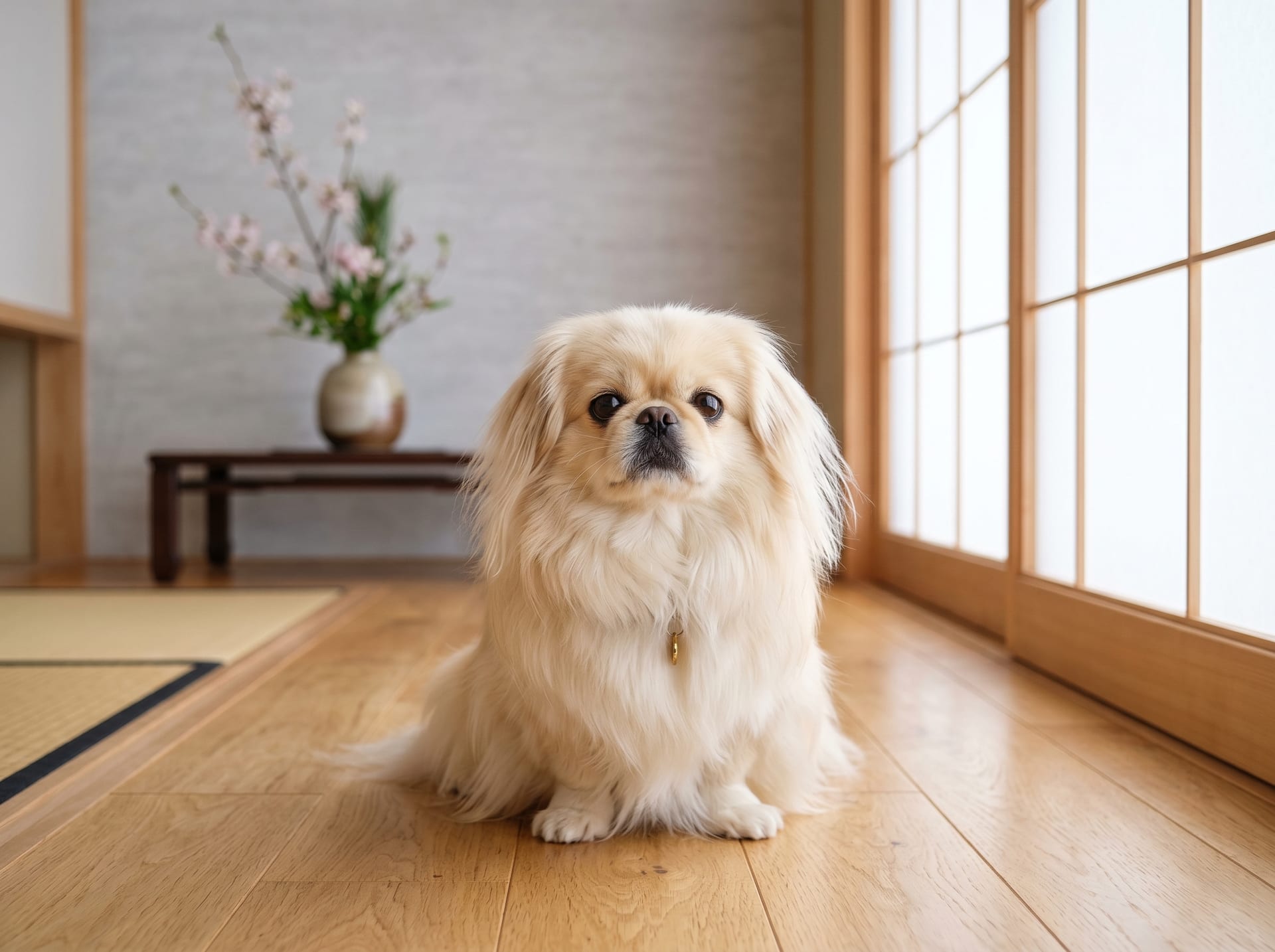
Complete Guide to Keeping Pekingese|Personality of Palace Dogs, Coat Care, and Health Management for Brachycephalic Breeds
Complete explanation of basic Pekingese care. Covers the history as a palace dog, personality, breeding environment, nutrition management, training, health risks unique to brachycephalic breeds (BOAS, exophthalmos, intervertebral disc herniation), coat care, and how to choose a breeder.
Key Takeaways
Complete explanation of basic Pekingese care. Covers the history as a palace dog, personality, breeding environment, nutrition management, training, health risks unique to brachycephalic breeds (BOAS, exophthalmos, intervertebral disc herniation), coat care, and how to choose a breeder.
The Pekingese is a small dog breed with a history of being raised in the Chinese imperial court for over a thousand years. Often called the "Lion Dog," its dignified bearing and abundant coat are beloved worldwide, and it remains consistently popular as a breed that combines a strong independent spirit with deep affection. This article systematically explains everything from personality and health management to coat care and important considerations when choosing a breeder.
✍️
BreederDirect Editorial
The BreederDirect editorial team specializes in care information for animals, covering veterinary care and breeding to deliver beginner-friendly guides.
Find Dogs on BreederDirect
Buy directly from verified breeders
Browse Related Listings
Find Dogs listings related to this article on BreederDirect. Buy directly from verified breeders.
The Pekingese originated in the Forbidden City, the imperial palace of Chinese emperors. The English name "Pekingese" derives from "Peking," the former name of Beijing, and historically the breed was strictly forbidden from being taken out of the imperial court. In the 19th century, it was brought to Europe and, following its presentation to Queen Victoria, became established in the West. Today it is recognized by the JKC (Japan Kennel Club) and is kept in Japan as well.
Adult Pekingese weigh 3–6 kg and stand about 15–23 cm tall, making them small but solidly built with muscular frames. Their lifespan averages 12–15 years, and with proper care they can enjoy a long and healthy life.
The breed is characterized by a strong independent spirit and appreciation for its own pace. While deeply affectionate toward their owners, they are not the clingy type, maintaining instead a somewhat dignified distance. They show a calm and warm side to their familiar family, but display wariness toward strangers and unfamiliar situations. They tend to be particularly well-suited to people who prefer a quiet lifestyle and to senior owners. Small children who suddenly grab or cling to them can easily cause stress, so it is important for the entire family to respect the Pekingese's pace.
Health Management Specific to Brachycephalic Breeds
The most important aspect of keeping a Pekingese is understanding the health risks associated with being a brachycephalic breed (short-nosed dogs). Be aware of the following conditions.
Brachycephalic Obstructive Airway Syndrome (BOAS)
A combination of nasal stenosis, soft palate elongation, and tracheal hypoplasia can lead to chronic respiratory distress. When symptoms are severe, surgical intervention may be needed. If your dog exhibits persistently labored breathing or severe wheezing after exercise, consult a veterinarian promptly.
Ocular Issues
The large, forward-protruding eyes make this breed particularly susceptible to corneal trauma, dryness, and irritation from trichiasis (inverted eyelashes). If you notice increased tear staining, redness, or increased blinking, seek veterinary care immediately.
Intervertebral Disc Herniation
Their long bodies and short legs place cumulative stress on the spine. Jumping from sofas or beds and frequent stair use put strain on the vertebrae. Incorporate ramps or pet steps to minimize height differences and reduce spinal stress.
Facial Fold Dermatitis
The inside of facial wrinkles easily traps moisture, making this area prone to dermatitis. Daily gentle wiping with a clean cloth and complete drying are essential for preventing inflammation.
Maintain ambient temperature at around 24–26°C year-round, and air conditioning should run continuously during summer. This breed has an extremely high risk of heat stroke, so avoid hot and humid environments at all costs. Annual or semi-annual health checkups should include comprehensive screening with ophthalmology, dental, and blood tests to enable early detection and treatment.
Care for Their Luxurious Coat
The double coat, arguably the Pekingese's most defining feature, will develop mats and skin problems without regular care. Brushing 3–4 times weekly, preferably daily, is ideal.
The basic brushing routine is as follows.
Use a slicker brush to straighten the outer coat
Gently tease out the undercoat with a metal comb
Pay special attention to areas prone to matting: behind the ears, under the armpits, and between the hind legs
Verify the comb glides smoothly through and you're done
Established mats pull on the skin and can cause pain and dermatitis, so address them promptly.
Bathe your Pekingese 1–2 times per month. Use dog-specific shampoo and rinse thoroughly to prevent residue. Dry completely from the roots using a low-heat dryer; leaving the coat damp leads directly to skin problems.
Trim nails 1–2 times monthly and clean ears weekly. Introducing both routines early helps ensure stress-free grooming in adulthood.
Nutrition, Weight Management, and Living Environment
The foundation of Pekingese nutrition is providing appropriate portions of small-breed dog food. While recommended daily calories are listed on food packages, individual adjustment is necessary based on weight, age, and activity level. Weight gain increases respiratory strain and joint stress, making obesity prevention one of the most critical aspects of Pekingese health management. Monitor weight regularly and adjust portions in consultation with your veterinarian if changes concern you.
Keep treats to 10% or less of daily caloric intake. Never give foods toxic to dogs, including onions, chocolate, grapes, and products containing xylitol. Always ensure fresh water is available. From age 7 onward, consider switching to senior dog food formulated to support kidney and joint health.
Apartments and condominium living pose no problems for this breed. While they don't require strenuous exercise, light walks of 10–20 minutes daily support mental wellbeing and weight management. However, daytime walks in peak summer carry extreme heat stroke risk, so walk in early morning or after sunset. Provide a cushioned bed for sleeping; avoid prolonged rest on hard floors to minimize spinal stress.
Training and Socialization
Because Pekingese are independent-minded, training requires patience and creativity. Forceful methods tend to backfire; the most effective approach is short, enjoyable sessions with positive reinforcement through praise and treat rewards.
While socialization is ideally concentrated during the 3–12 week "socialization window," it can be improved through continued exposure in adulthood. Gradually acclimating your dog to various sounds, environments, people, and other animals helps prevent excessive barking and guarded behavior.
Housebreaking basics involve using a crate and training pads in a designated area. Pekingese are naturally inclined toward cleanliness and tend to eliminate in set locations. The key is patience: never punish accidents, always praise successes, and repeat consistently.
Dental care is critical for all small breeds. Brushing daily, or at minimum 3 times weekly, prevents periodontal disease and bad breath. Acclimating puppies to mouth handling makes adult dental care far easier.
Key Points When Acquiring from a Breeder
Choosing a responsible breeder is essential for bringing home a healthy, confident puppy. Consider the following points.
Does the breeder disclose parent health information? Ask for results of ophthalmic and orthopedic exams and genetic screening status. Since brachycephalic syndrome severity is largely hereditary, choosing puppies from mildly affected parents reduces risk.
Can you directly observe the puppies? Verify that their eyes are clear, there is no excessive nasal discharge or eye secretions, they move actively, and their breathing is not severely labored.
Are puppies released at 8 weeks of age or older? Earlier releases result in insufficient socialization with littermates and mother, increasing the likelihood of behavioral problems.
Is the breeding environment clean? Puppies raised in hygienic conditions experience less stress and are more likely to be in good health.
Is the breeder available for follow-up questions? Choose a breeder who will provide ongoing support for health concerns and care questions after you bring your puppy home.
On BreederDirect, you can view photos of breeding environments, parent dog information, and breeder profiles directly on the Pekingese breeder pages. Messaging features allow you to connect with breeders you're interested in and prepare thoroughly before bringing a puppy home. Begin your journey with this historic palace dog—combining dignity with deep affection for family—by establishing a relationship with a responsible breeder.