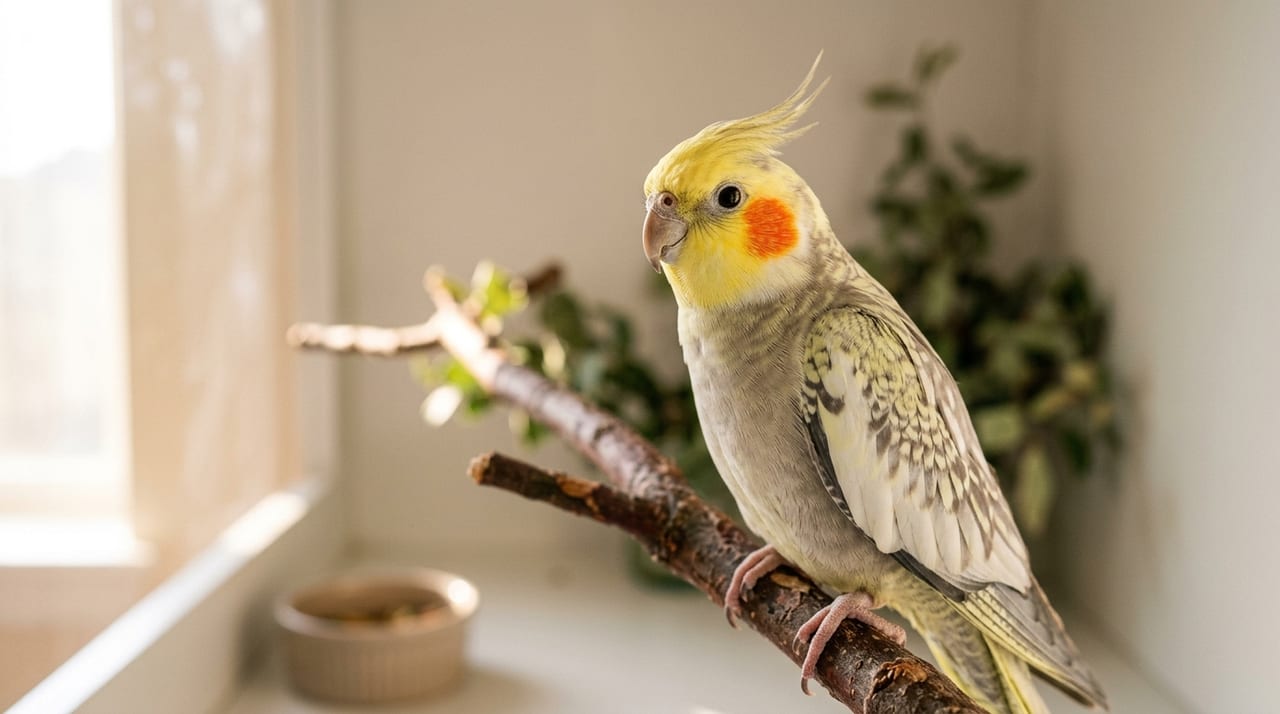
Many bird owners who keep budgies or parrots have experienced being bitten suddenly, sustaining wounds that even draw blood. Biting habits often worsen if left unaddressed and can damage the trust relationship with your bird. However, with the right approach, improvement is possible in most cases. This article explains step-by-step how to identify the causes of biting and concrete training methods.
Why Do They Bite: Understanding the Root Causes
The first step in fixing biting habits is understanding why your bird bites. Training without correctly identifying the cause will be ineffective.
Fear- or anxiety-based biting is the most common cause. If you observe body language such as stiffening when you bring your hand close, flattening feathers against the body, or pupil constriction (pinning), these are signs of fear. Avoid forcing contact or making sudden hand movements; instead, prioritize creating an environment where your bird feels safe.
Territoriality and overbreeding are especially common during spring and summer breeding seasons. If your bird bites only when you approach a specific area while defending the cage or perch, this is the pattern to watch for. Heightened aggression is often due to hormonal influences, and environmental adjustments that suppress breeding behavior (controlling light exposure, removing nest-like spaces) are effective.
Boredom and lack of stimulation can also cause biting. Highly active and intelligent parrots and budgies are prone to biting as a problem behavior when they lack sufficient exercise or mental stimulation. Many cases can be resolved by providing daily out-of-cage time and using puzzle toys.
Attention-seeking biting is another pattern. If you've previously responded dramatically to biting—screaming or pulling your hand away—your bird may learn that this reaction is entertaining. The key is to calmly ignore such behavior.
Basics of Positive Reinforcement Training
In modern animal behavior modification, the punitive approach is no longer recommended. Instead, positive reinforcement—rewarding desired behavior immediately after it occurs to encourage repetition—is the most effective method and one that preserves your relationship with your bird.
Selecting the right rewards is crucial to success. Prepare high-value treats (sunflower seeds, small fruit pieces, etc.) and reserve them specifically for training rather than offering them regularly—this increases their value as incentives.
Clicker training is an effective tool for marking correct behavior at precisely the right moment. By first teaching your bird that the clicker sound precedes a reward ('click = treat' conditioning), you can accurately mark behavior from a distance with perfect timing.
Keep training sessions short and frequent. Ideal sessions are 5-10 minutes, 2-3 times per day. If your bird becomes tired or isn't hungry, motivation for rewards decreases. Training when your bird is slightly hungry is most effective.
Specific Steps to Train "Non-Biting" Behavior
Start with step training (practicing stepping up and down). Lure your bird to step onto your finger or a perch, and the moment it steps on, pair a 'step' cue with a click and treat. Consistently reinforce stepping without biting.
The stick (target stick) method can be used as a hand alternative for severe biting. By teaching your bird to touch the tip of the stick with its beak for a reward, you can continue training while reducing opportunities for hand biting.
The timeout method is used as a response to biting. The moment you're bitten, respond with complete calm—quietly return your bird to its cage and withdraw attention for 1-2 minutes. Through repeated experience that 'biting = loss of fun interaction,' the biting behavior decreases. However, avoid scolding as punishment or jerking your hand away, as these can be counterproductive.
Breeding Season and Environmental Management
Managing light exposure directly influences hormone production. Limiting natural light exposure to 10 hours or less per day has been shown to effectively suppress breeding behavior (mimicking the shortened breeding season in the wild).
Removing nest-like spaces is also important. Eliminate dark corners in the cage, drawers, crevices in accessories, and other areas your bird might perceive as nesting sites—removing these reduces breeding behavior.
Limiting excessive physical contact is also necessary. Petting the head and back can reinforce pair-bonding recognition and trigger breeding behavior. While continuing with step training, reduce the frequency of petting.
Daily Management Tips for Reducing Biting Behavior
Daily out-of-cage time and exercise are fundamental to preventing biting. Providing free flight time outside the cage allows your bird to dissipate stress and excess energy. At least one hour per day is recommended.
Using puzzle toys and foraging toys is ideal for providing mental stimulation. Puzzle feeders and foraging balls with hidden food direct your bird's natural curiosity in positive ways.
Keeping an observation log makes progress easier to track. Recording when and in what situations your bird bites helps you identify specific triggers (particular people, times of day, locations).
Conclusion: Patience and Consistency Are Keys to Success
Biting habits in budgies and parrots won't be resolved overnight. Birds are emotionally sensitive and can detect your tension and frustration. The fastest path to success is consistent positive reinforcement training combined with proper environmental management and patient persistence. If improvement isn't visible, consider consulting with an avian behavior specialist or an avian veterinarian. A parrot or budgie with whom you've built a good relationship becomes the finest companion.