What is an Oranda Lionhead Goldfish?
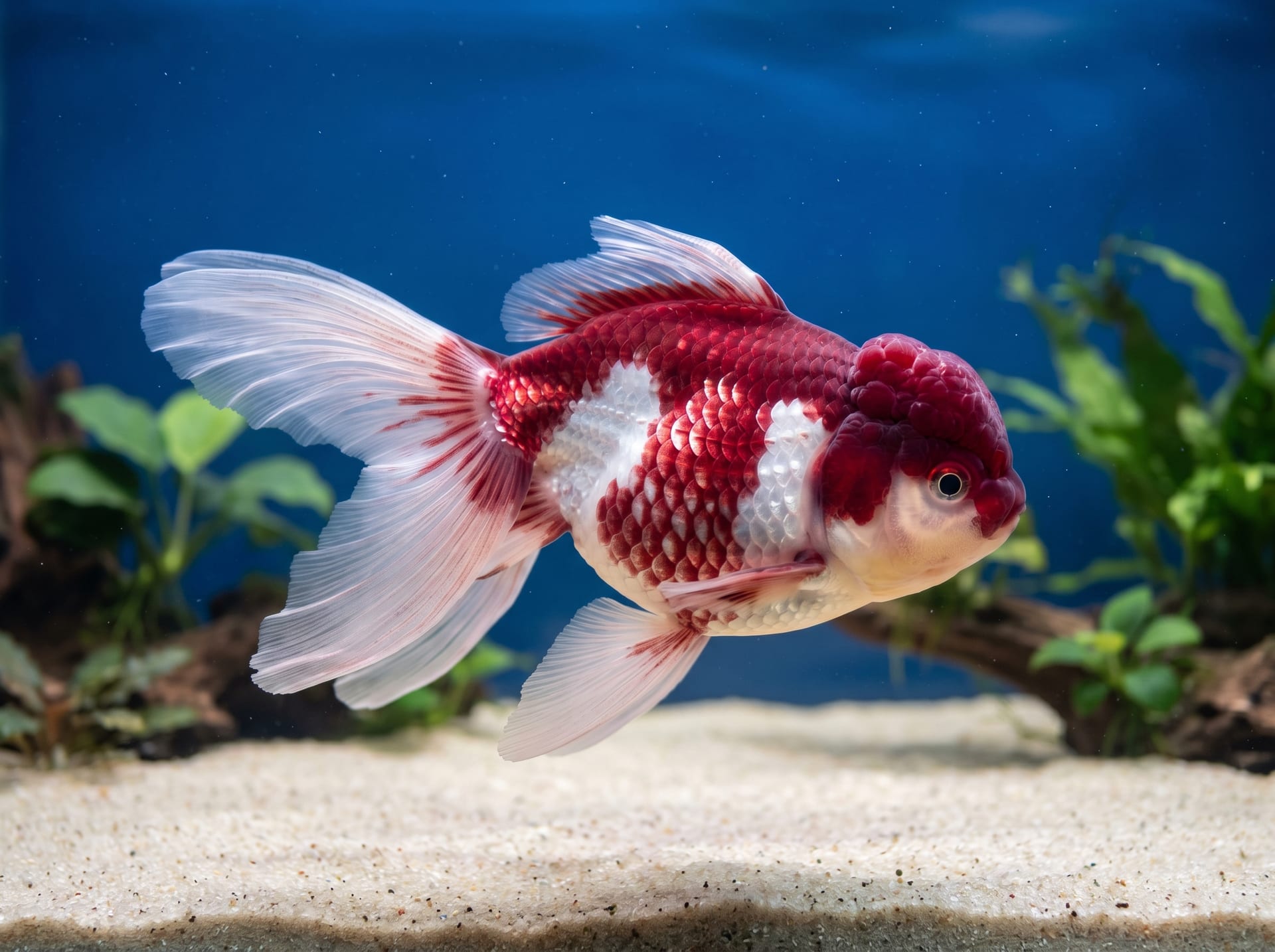
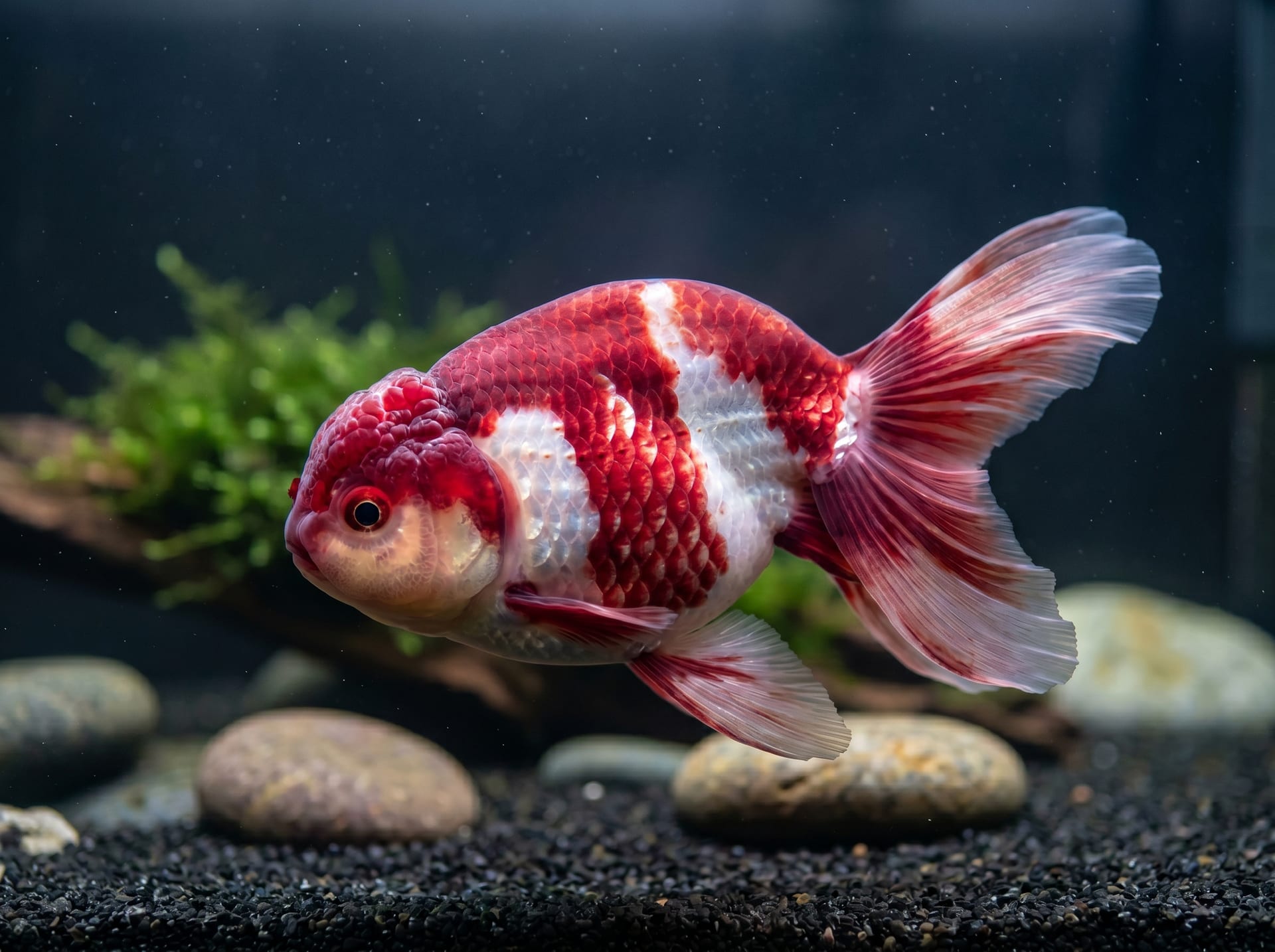
The Oranda lionhead goldfish (Oranda shishigashira) is a fancy goldfish breed most distinguished by its prominent fleshy hood that develops on the head (headgrowth/wen/fancy portion). Originating in China, the name comes from a legend that the breed was "transmitted to Japan via Holland," though it is not actually a Dutch native breed.
Physical Characteristics of Oranda Lionhead Goldfish
- Fleshy hood (headgrowth): The most defining feature—a prominent, bumpy, fleshy protrusion covering the entire head. In shows, the extent of wen development and symmetry are evaluated
- Body shape: A rounded, ryukin-style body with slow, graceful swimming movements
- Tail fins: Typically triple or quad flowing tail fins
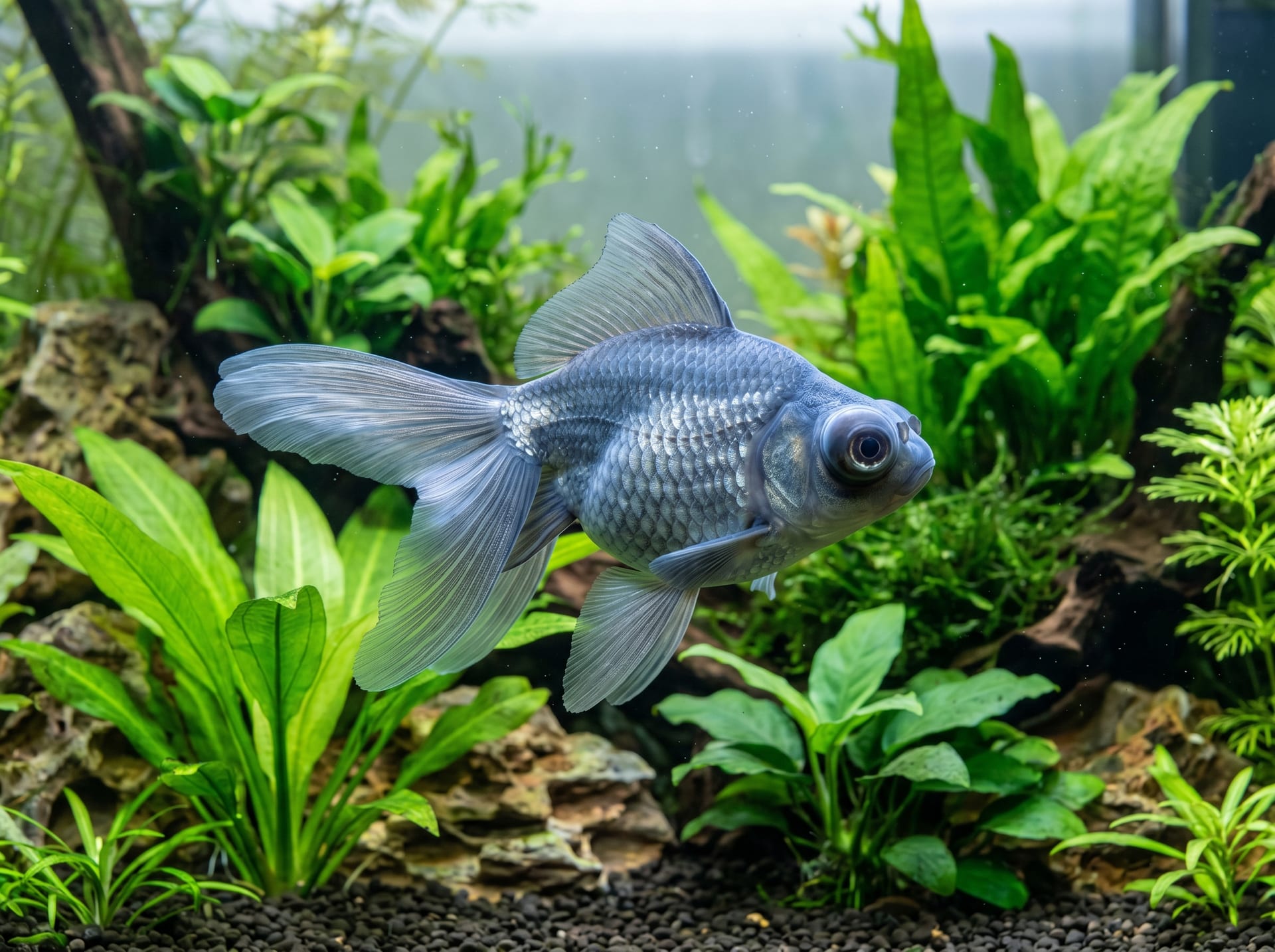
- Body color: Diverse range including red, white, red-and-white (calico/sarasa), black, and blue. Calico (red-and-white) is the most popular pattern
Differences from Related Breeds
- Ranchu: No dorsal fin; headgrowth only on the crown. A traditional breed with strong show culture
- Aofungy: A sleeker Oranda variant with smaller headgrowth
- Azuma Nishiki: A cross between Oranda lionhead and calico (tricolor) patterning
Setting Up Your Goldfish Tank
Tank Size
Like all goldfish, Orandas grow into large fish reaching 20–25 cm when mature.
- Housing 1–2 fish: 60 cm tank (approximately 60L) or larger is recommended
- Multiple fish or serious breeding: 90–120 cm tank (100L or more) is ideal
- Outdoor keeping (pond or plastic tub): The larger the water volume, the more stable the conditions and the easier it is to grow larger individuals
Choosing a Filter
Goldfish produce large amounts of waste, so powerful filtration is essential.
- Top filter (hang-on filter): Easy to maintain and the best choice for goldfish keeping
- External canister filter: Quiet with excellent filtration, though maintenance becomes more frequent with goldfish
- Air pump (bubbler): Lower filtration capacity but effective for supplementing dissolved oxygen. Use as a supplement in smaller tanks
Since goldfish require high oxygen levels, aeration in addition to filtration is recommended.
Water Temperature Management
- Ideal temperature range: 15–25℃ (goldfish are cold-blooded and adapt to temperature, but are sensitive to sudden changes)
- Winter (10℃ or below): Appetite decreases and fish enter a dormant state. Either maintain 18–20℃ with a heater or allow natural cooling
- Summer (30℃ or above): Appetite drops, oxygen becomes depleted, and disease risk increases. Use a cooling fan or provide shaded areas
Tips for Developing the Fleshy Hood
Multiple factors influence the development of the wen—the most attractive feature of Oranda lionheads.
Genetics
Genetic factors have the greatest impact on wen development. Selecting juveniles from reputable breeders whose parent fish had well-developed wens is the most reliable path to raising individuals with prominent hoods.
Importance of Water Temperature
Maintaining an optimal temperature of 20–23℃ maximizes wen development. If water temperature is too low, metabolism slows and growth stalls. If too high, disease risk increases.
High-Nutrition Diet
Quality, high-protein, high-calorie foods promote wen growth.
- High-protein goldfish pellets: Those containing color-enhancing ingredients (astaxanthin, spirulina) are effective for both body coloration and wen pigmentation
- Bloodworms and frozen tubifex worms: High in protein with excellent palatability. Use as supplementary food 2–3 times per week
- Plant-based foods: Small amounts of blanched spinach or broccoli support digestive health
Managing Tank Density
Overcrowding causes stress and poor water quality, hindering growth. Maintaining a spacious, low-density environment is crucial.
Water Changes and Maintenance for Goldfish
Water Change Frequency
- Indoor tanks with filters: 20–30% water change 1–2 times per week
- High-density setups or summer months: 2–3 water changes per week recommended
Since Oranda lionheads tend to accumulate debris in their wens, maintaining pristine water quality is especially important.
Feeding
Feed once daily, 2–3 times, in portions that can be consumed in 3–5 minutes. Always remove uneaten food immediately.
During winter (water temperature 10℃ or below), reduce feeding to once daily or every few days as metabolism slows, or fast them entirely.
Common Diseases in Oranda Lionhead Goldfish
White Spot Disease (Ich)
A protozoan infection characterized by tiny white granules on the body. Often triggered by sudden temperature changes. Treat by gradually raising water temperature to 28–30℃ while medicating with methylene blue or nitrofurazone-based treatments.
Swim Bladder Disorder
A disease specific to goldfish where the fish floats at the surface or sinks to the bottom, unable to maintain normal posture. Causes include overfeeding, constipation, swim bladder malfunction, and genetic factors. Basic treatment involves fasting, frequent small feedings, and switching to easy-to-digest foods.
Gill Disease (Branchitis)
A condition where gill function deteriorates, with symptoms including slow swimming near the surface and gill fluttering. Caused by bacterial infection, parasites, or poor water quality. Early detection, water changes, and medication are key.
Water Mold (Fungal Infection)
White, cottony fungal growth appears on body wounds. Triggered by injury, molting problems, or cold water. Treat with salt water baths (0.5%) or methylene blue medication.
Goldfish Shows and Appreciation
Oranda lionheads have a particularly strong show culture among goldfish breeds.
Show Evaluation Criteria
- Extent and symmetry of the wen (does it cover the entire head, cheeks, and areas around the eyes?)
- Body symmetry (bilateral balance and fullness of the belly)
- Vividness of body color (depth of red, clarity of white)
- Shape and spread of the tail fins
By obtaining bloodline-quality Orandas from dedicated breeders and raising them carefully using the methods described above, you can even aspire to show-quality individuals. Breeder-direct goldfish marketplaces often carry premium, pedigree individuals.
Checklist for Bringing Home an Oranda Lionhead
✅ Have a 60L or larger tank ready
✅ Installed a top filter or other powerful filtration system
✅ Added aeration (air pump/bubbler)
✅ Set up a thermometer to monitor optimal water temperature
✅ Prepared buckets and water conditioner for water changes
✅ Plan to purchase from a reputable breeder or specialty store
The Oranda lionhead goldfish, with its imposing appearance and commanding presence, fully embodies the joy of goldfish keeping. With proper environment and nutrition, these long-lived fish can be enjoyed for over 10 years.