Nile Monitor Care Guide|How to Care for a Large, Intelligent Reptile
Explains how to care for the Nile monitor (Nile monitor lizard), an intelligent species suitable for handling. Detailed introduction to necessary large-scale enclosures, temperature management, carnivorous diet, handling and habituation, and legal considerations for keeping them.
Key Takeaways
Explains how to care for the Nile monitor (Nile monitor lizard), an intelligent species suitable for handling. Detailed introduction to necessary large-scale enclosures, temperature management, carnivorous diet, handling and habituation, and legal considerations for keeping them.
Related Species
What kind of reptile is the Nile monitor?
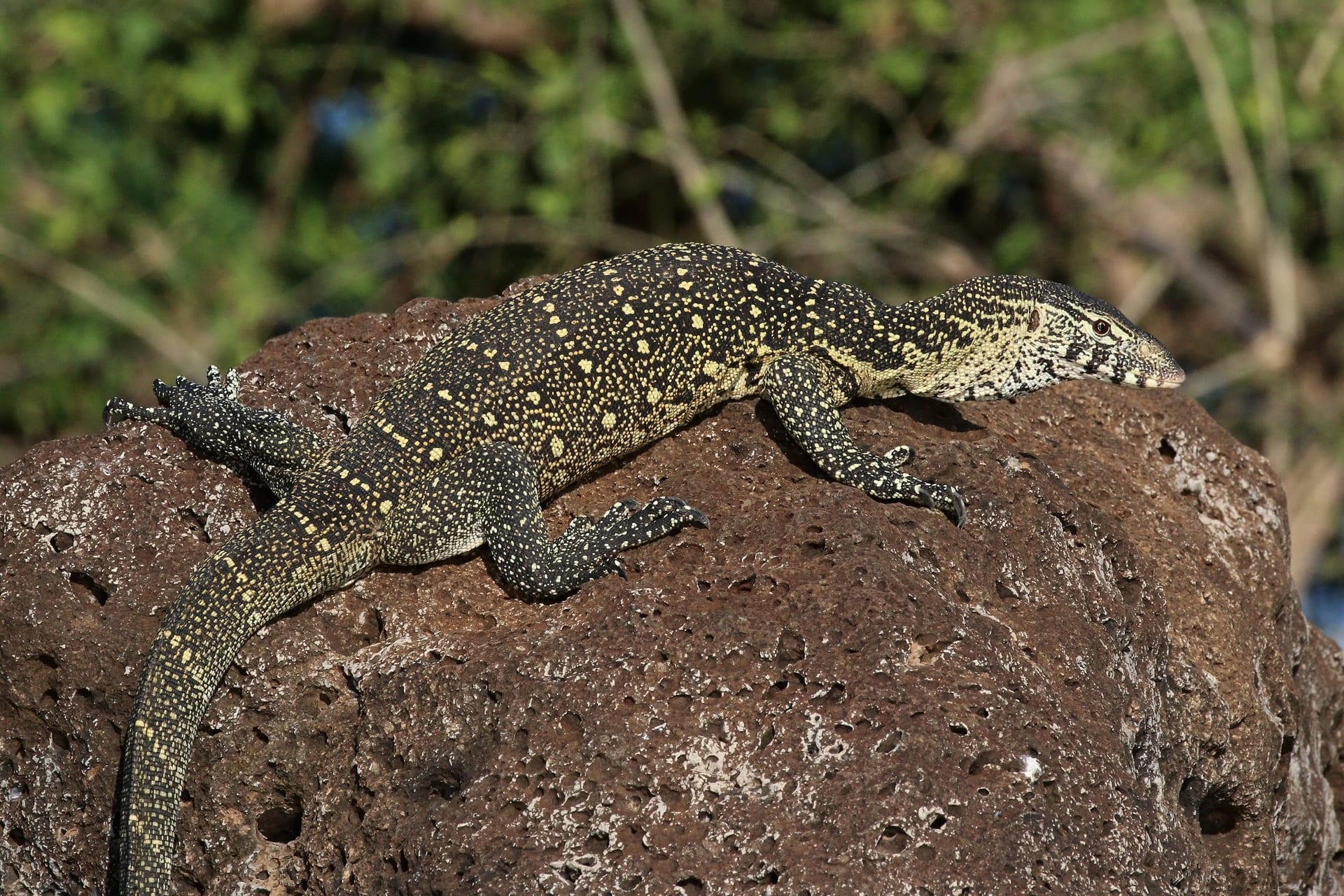
The Nile monitor (Japanese name: Nile monitor lizard, scientific name: Varanus niloticus) is a large African lizard belonging to the Varanidae family. In Japanese reptile shops, it is often distributed under the name "Nile monitor lizard," both names referring to the same species. As the name suggests, it is widely distributed across the African continent south of the Sahara Desert, centered around the Nile River basin, and has adapted to diverse environments including wetlands, grasslands, and forests.
Basic Data
- Total length: 120–220 cm in adults (records of around 240 cm exist)
- Weight: roughly 6–15 kg for large individuals (average adults are lighter)
- Lifespan: 15–20 years or longer with proper care
- Intelligence: Monitors (Varanidae) are particularly intelligent among reptiles, able to recognize and become accustomed to their keepers
- Diet: Strictly carnivorous
Appearance
- Slender, streamlined body with a long neck
- Long, thin forked tongue used to sense smell
- Dorsal surface black to dark brown with yellow spots and banding patterns
- Powerful hooked claws and muscular limbs
Difficulty level and suitable keepers
The Nile monitor is an advanced-level species among large reptiles. It is suited for keepers who meet the following conditions.
- Have space to install a large enclosure (minimum 2m × 1m × 1m or larger)
- Can source and manage varied food appropriate for carnivores (mice, rats, etc.)
- Have time for daily handling and socialization
- Can afford the high initial and ongoing maintenance costs
- Have access to a reptile specialist veterinarian if needed
Enclosure and environment setup
Enclosure size
Adult Nile monitors require an enclosure of at least 240 cm × 120 cm × 120 cm (W × D × H). Standard commercial reptile enclosures cannot accommodate this, so typically custom builds or made-to-order options are used.
| Growth stage | Recommended enclosure size |
|---|---|
| Hatchling (–30 cm) | 60 × 45 × 45 cm (small enclosure acceptable) |
| Young (30–80 cm) | 90 × 60 × 60 cm |
| Subadult (80–120 cm) | 150 × 80 × 80 cm |
| Adult (120 cm–) | 240 × 120 × 120 cm or larger |
Temperature settings
| Area | Target temperature | Equipment |
|---|---|---|
| Basking spot | 55–60°C | Basking light (150–250W) |
| Warm side overall | 35–40°C | Ceramic heater, panel heater |
| Cool side | 25–28°C | None (room temperature) |
| Night overall | 22–25°C | Ceramic heater (low) |
Use a rock or stone platform for the basking spot, ensuring sufficient area for the body to warm through to its core.
Humidity
Nile monitors prefer water environments, so maintain 50–70% relatively high humidity.
- Install a water container (bathtub or basin large enough to submerge in): sized so the entire body can fit inside
- Supplement humidity with regular misting
- Use moisture-retaining substrate such as coco husk or bark chips
Importance of water areas
Since Nile monitors enter water, it is strongly recommended to provide a water area within the enclosure large enough for full submersion. Water is extremely important for metabolism, shedding, and stress reduction, and since they defecate here, cleaning is needed 1–2 times per week.
Feeding (carnivorous diet management)
Nile monitors are strictly carnivorous and eat a variety of foods.
Recommended foods
| Food type | Frequency | Notes |
|---|---|---|
| Frozen-thawed mice/rats | Main diet (2–3 times per week) | Choose size appropriate for growth stage |
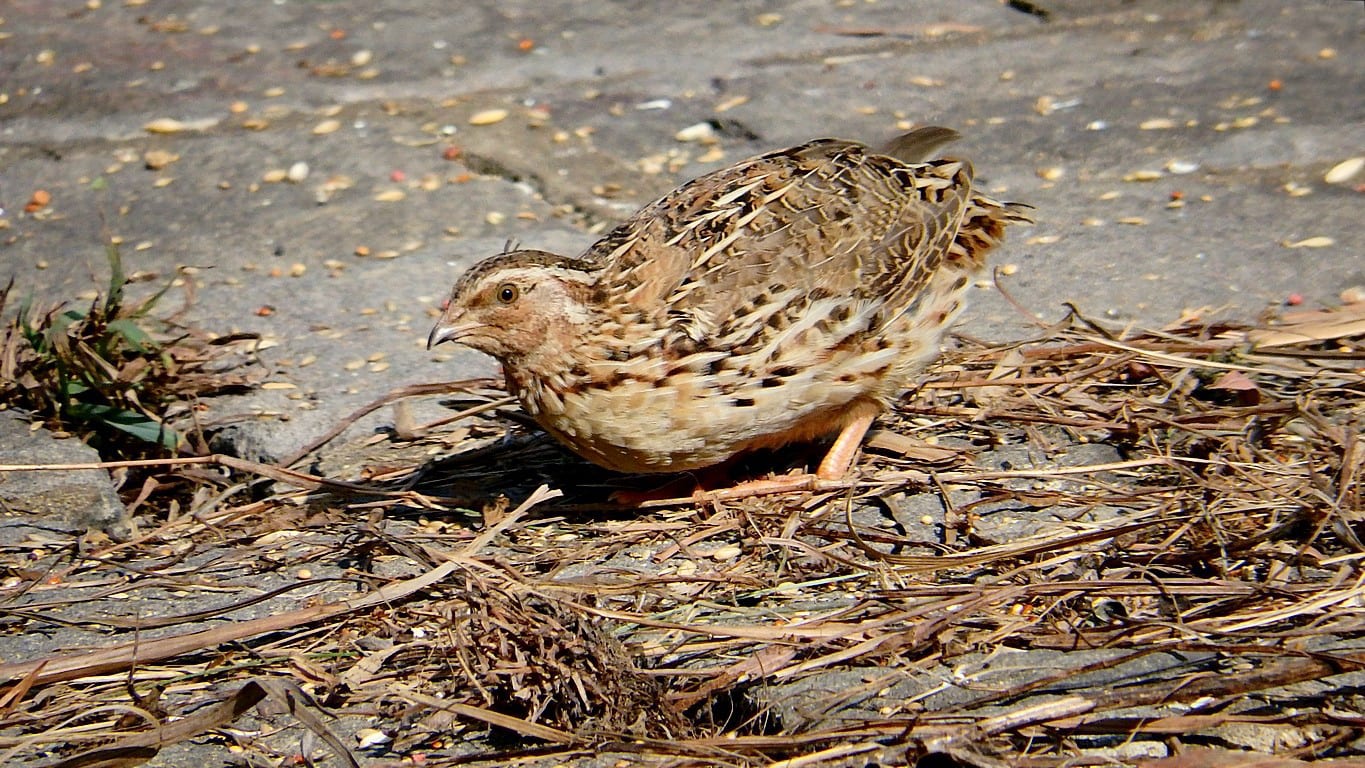
| Frozen-thawed quail | 1–2 times per week | Provide with bones and organs for calcium |
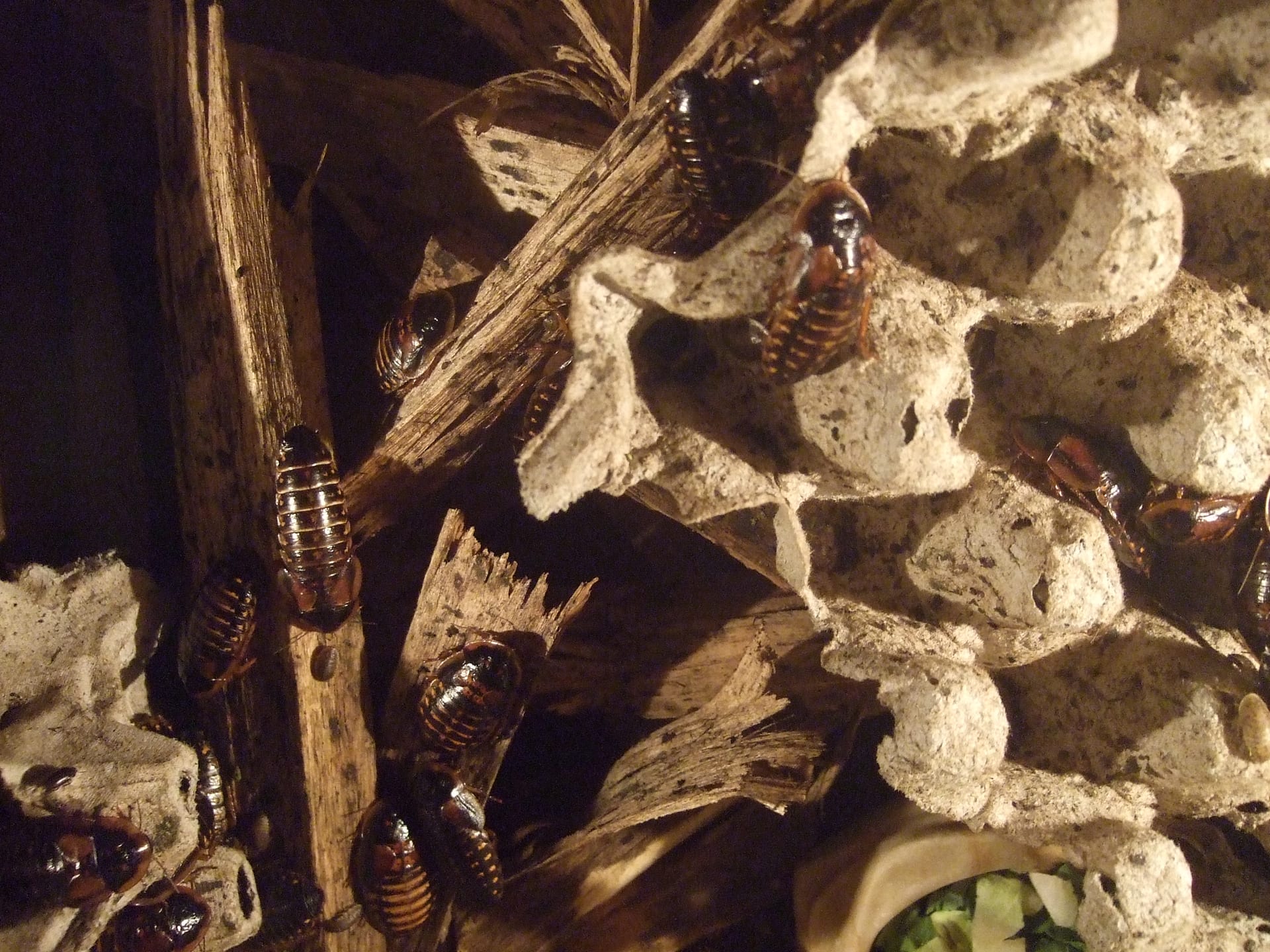
| Live insects (crickets, dubia roaches) | 2–3 times per week for juveniles | Lower palatability in adults |
| Frozen-thawed small fish | 1–2 times per week | Omega-3 supplementation |
| Eggs (quail eggs, chicken eggs) | About once per week | Very high palatability |
Feeding frequency guidelines
- Hatchling (–1 year): Daily to once every 2 days
- Young (1–3 years): Once every 2–3 days
- Adult (3 years–): Once every 3–5 days
Overfeeding causes obesity. After feeding, maintain body condition so the ribs are just palpable.
Calcium and vitamin supplementation
Dust calcium powder on 30–50% of each feeding. Add multivitamins once per week. Whole prey feeding (bones and organs included) is the most efficient source of calcium and vitamins.
Handling and habituation
Nile monitors, though with individual variation, can become accustomed to humans through continuous contact from youth. Habituated individuals recognize their keepers and may voluntarily climb onto hands.
Age to begin handling
The ideal age to start is around 2–4 months (approximately 25–35 cm in length). Habituation from youth makes adult handling much smoother.
Gradual habituation process
- Stage 1 (1–2 weeks): Show your hand near the enclosure and let it smell. Avoid sudden movements.
- Stage 2 (2–4 weeks): Place your hand inside the enclosure. Do not force contact.
- Stage 3 (1 month onward): Place it on your hand with full body support. Start with short sessions (5–10 minutes).
- Stage 4 (ongoing): Gradually extend handling time. Short daily sessions are most effective.
Handling precautions
- Support the entire body firmly (do not suspend by the tail)
- The tail is used as a defensive whip and strikes are very painful
- Claws can cause scratches on arms (long sleeves recommended)
- If warning signs appear (mouth opening, body inflation, attempting to escape), return it immediately
Legal considerations for keeping
In Japan, keeping Nile monitors is not currently prohibited, though there are several points to note.
- Invasive Alien Species Act and designated animals: The Nile monitor is currently not designated as an Invasive Alien Species, nor as a specified animal (特定動物) under the Animal Welfare and Management Law (among varanids, only the Komodo dragon and the Gray's monitor are designated). Regulations may be revised, so confirm the latest information from the Ministry of the Environment before keeping one.
- Animal Welfare and Management Law: Improper care or abandonment of reptiles may constitute a violation of animal welfare law.
- Local ordinances: Some municipalities have their own regulations.
Summary
The Nile monitor (Nile monitor lizard) is an advanced species in reptile keeping, but with proper environment and continued handling, it is a highly attractive animal with which to build a deep relationship with an intelligent reptile. By securing the four pillars—a large enclosure, steep temperature gradient, water area, and varied carnivorous diet—and gradually socializing from youth, it can become a long-term companion. When considering keeping one, be sure to confirm the latest regulations, and undertake the commitment with the environment and resolve for lifelong care.