Nankin Goldfish Care Guide | Characteristics of Nara's Traditional Goldfish and How to Keep Them in Wooden Tubs
A comprehensive guide to Nara's traditional goldfish breed, the "Nankin," a candidate for Japan's Cultural Property designation. We explain its characteristics, history, and care methods, including its beautiful rounded body and short tail fins, how to choose the right containers (wooden tubs and plastic basins) for top-view appreciation, key points on water quality management, feeding, and color enhancement, as well as the differences from Izumo Nankin and how to obtain them.
Key Takeaways
A comprehensive guide to Nara's traditional goldfish breed, the "Nankin," a candidate for Japan's Cultural Property designation. We explain its characteristics, history, and care methods, including its beautiful rounded body and short tail fins, how to choose the right containers (wooden tubs and plastic basins) for top-view appreciation, key points on water quality management, feeding, and color enhancement, as well as the differences from Izumo Nankin and how to obtain them.
Related Species
What Kind of Breed is Nankin Goldfish?
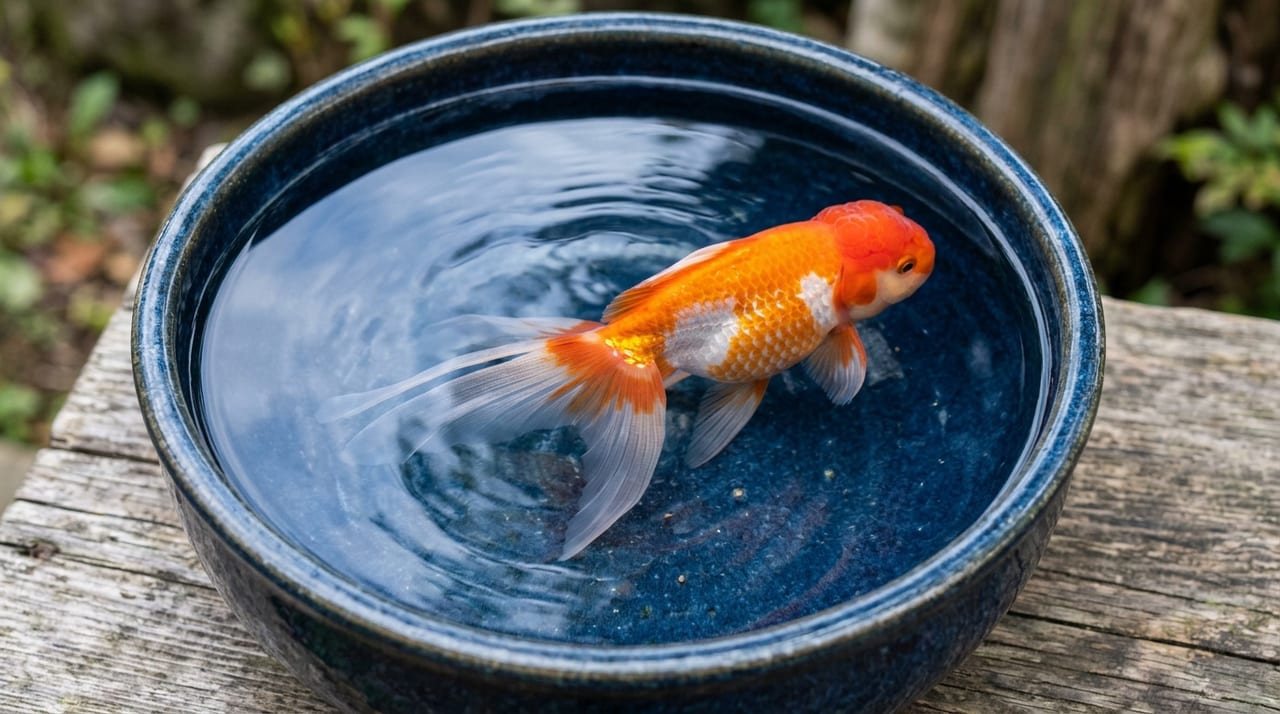
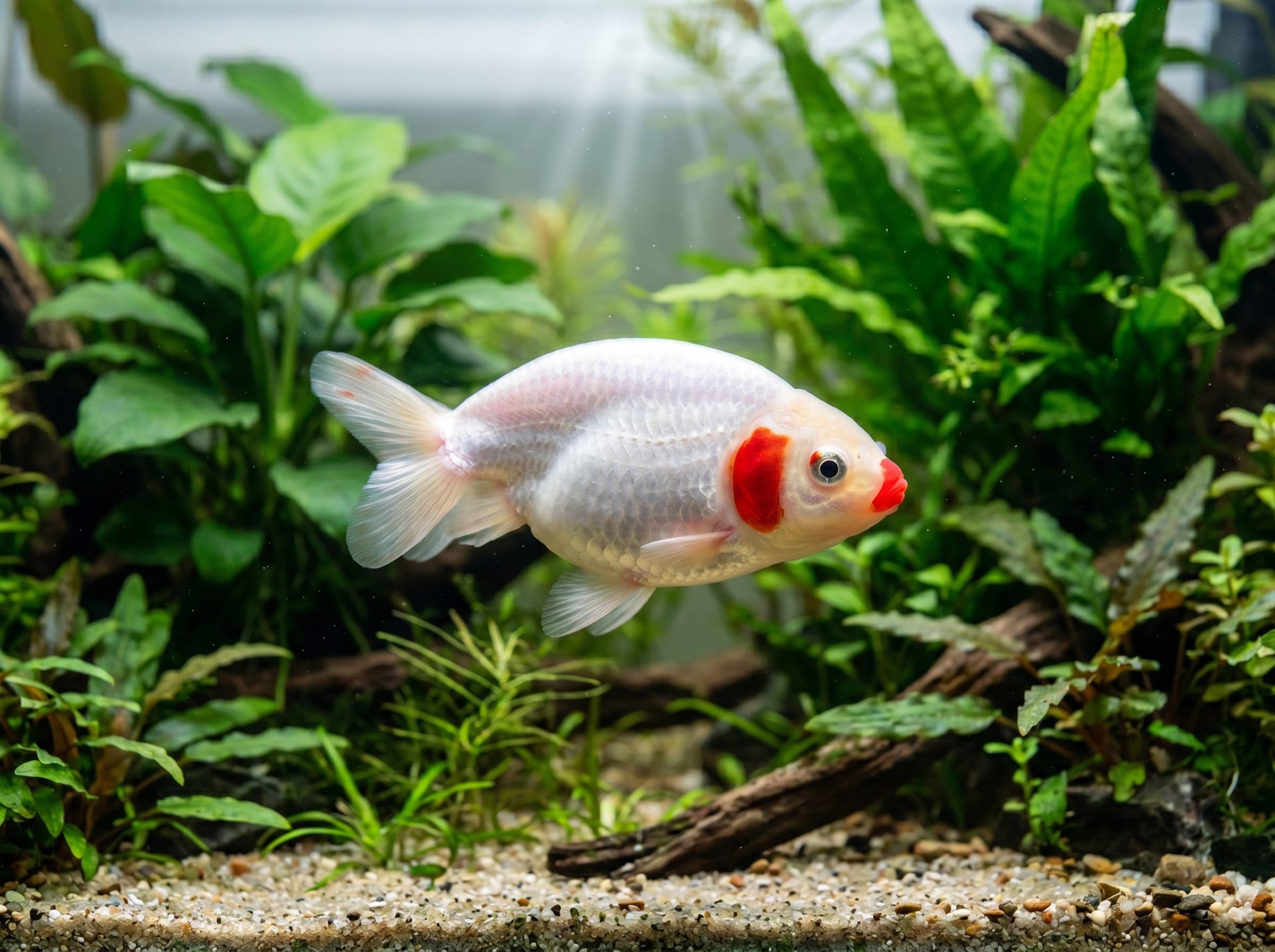
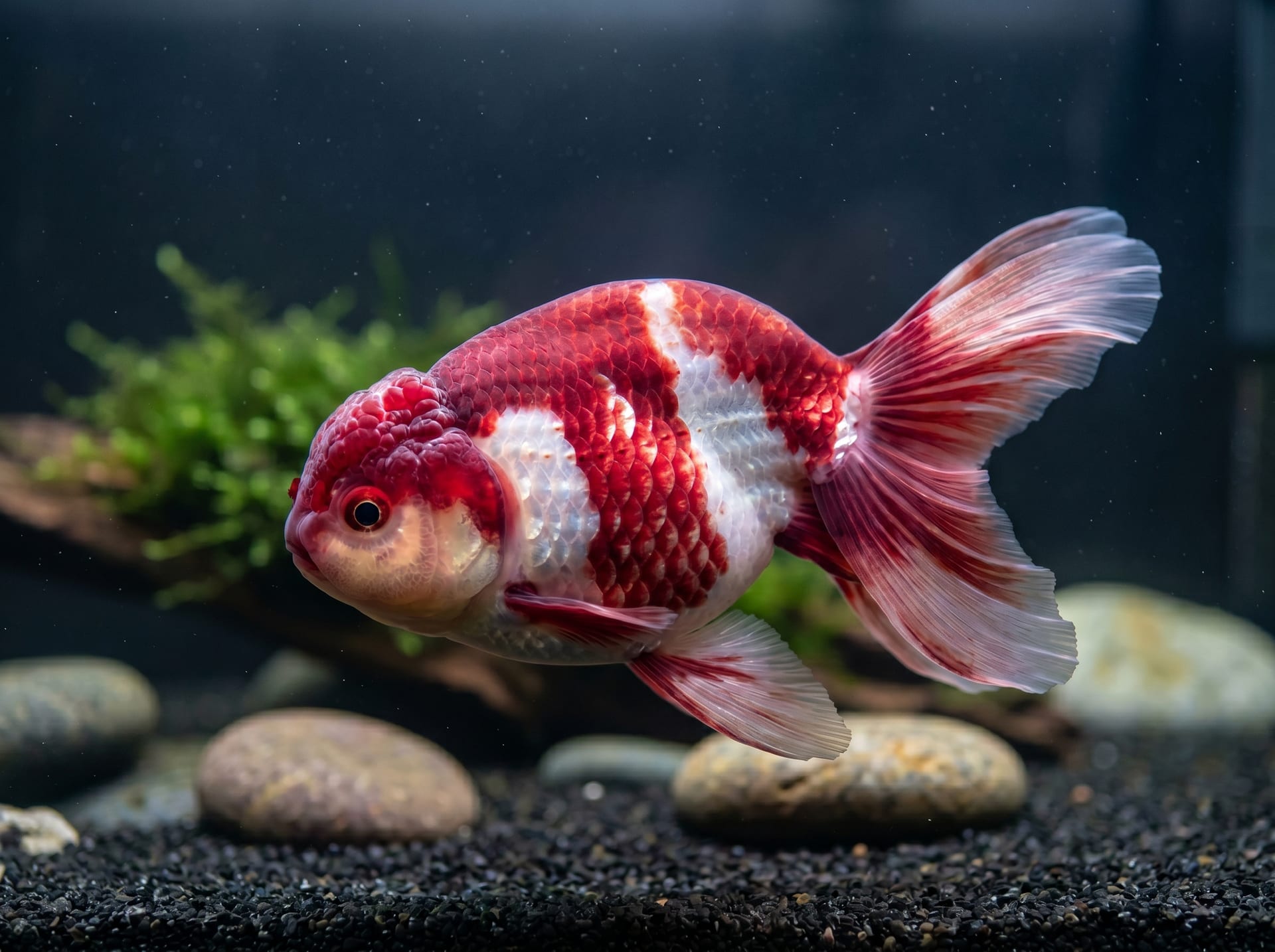
Nankin goldfish is a premium Japanese goldfish breed that has been raised in Nara Prefecture since ancient times. Its most distinctive features are its rounded, compact body shape and its four-lobed or three-lobed tail fins. In exhibitions, the official viewing style is "top-view appreciation," where the fish is admired from above.
It is said to have been bred in Nara since the Edo period, with enthusiasts continuing its lineage primarily in Nara City. Like ranchu, it lacks a dorsal fin, and the balance between body roundness and tail shape are key evaluation criteria.
Main Characteristics of Nankin
| Item | Description |
|---|---|
| Body Shape | Short, round egg-shape (roundness when viewed from above is important) |
| Tail Fin | Four-lobed or three-lobed; short and compact is preferred |
| Dorsal Fin | Absent (ranchu type) |
| Body Color | White with red patterns (sarasa) is typical; solid white (silver) varieties also exist |
| Size | Mature fish approximately 10–15 cm |
| Viewing Style | Top-view (wooden tubs, plastic basins, or lily ponds) |
Izumo Nankin (Shimane Prefecture; Japan's Designated Cultural Property) shares a similar name but is a different breed with distinct origins, body shape, and tail form. Nankin (Nara) has a slightly lower body height and a slenderer build, while Izumo Nankin is rounder and more compact.
Choosing the Right Breeding Container
Since Nankin is a breed specialized for top-view appreciation, shallow containers with a wide water surface are optimal.
Recommended Container Types
| Container | Features | Recommendation |
|---|---|---|
| Wooden Tub (wafune) | Traditional breeding container; rounded shape is ideal for top-view | ◎ |
| Rectangular Plastic Basin (60–120 L) | Easy to obtain and manage; sufficient water volume | ◎ |
| Lily Pond (ceramic/FRP) | Blends well with garden landscapes; smaller capacity | ○ |
| Standard Aquarium Tank | Side-view orientation does not showcase Nankin's beauty | △ |
The water depth should be approximately 15–25 cm. Because Nankin lack a dorsal fin, they are sensitive to water currents, making undergravel filters or bottom filters with gentle flow ideal.
Water Surface Area and Stocking Density
The recommended stocking density is 15–20 liters of water per fish. Insufficient water volume accelerates ammonia accumulation and causes health deterioration.
Basics of Water Quality Management
Proper Water Quality Parameters
| Item | Ideal Range | Notes |
|---|---|---|
| Water Temperature | 15–28°C | Avoid sudden changes (±3°C per day maximum) |
| pH | 7.0–8.0 | Slightly alkaline is stable |
| Ammonia | 0 ppm | Highly toxic; immediate action required |
| Nitrite | 0 ppm | Usually not a problem after bacteria colonization |
| Nitrate | 40 ppm or less | Maintain through regular water changes |
Perform water changes once to twice weekly, replacing 20–30% of the total water volume. During summer (water temperature 25°C or higher), increased fish metabolism and waste production require more frequent changes or larger change volumes.
Precautions for Outdoor Breeding
When breeding in wooden tubs or outdoor plastic basins, protect against rapid water temperature increases from direct sunlight, especially in summer. Use shade cloth or sun-blocking nets to create a semi-shaded environment and keep water temperature below 33°C.
Feeding and Digestive Management
Recommended Feed Types
Nankin, lacking a dorsal fin and with their rounded body shape, are prone to swim bladder disease (buoyancy disorder). Selecting easily digestible feed is crucial.
| Feed Type | Features | Caution |
|---|---|---|
| Sinking Pellets | Minimizes air intake; effective for swim bladder disease prevention | Ideal as primary food |
| Live Daphnia | Excellent digestibility; suitable for fry | Seasonal and availability issues |
| Frozen Bloodworms (Tubifex) | High palatability; nutrient-rich | Use as supplemental food 1–2 times weekly |
| Floating Pellets | Appetite verification is easy | Risk of air intake |
Feed the amount that will be consumed within 5 minutes, once to three times daily. Below 15°C, digestive function declines; reduce feeding by half or stop temporarily.
Color Enhancement and Body Shape Maintenance
To maintain Nankin's beautiful red and white pattern (sarasa) long-term, managing diet and light exposure is essential.
Effective Methods for Color Enhancement
- Color-enhancing feed: Regularly use specialized color-food rich in carotenoids (astaxanthin and canthaxanthin)
- Moderate sunlight exposure: Outdoor breeding exposed to morning sun or soft daylight in the morning tightens body coloration
- Green water (phytoplankton-rich) breeding: Environments rich in plant plankton enhance color and boost immunity
In exhibitions, individuals with large white areas (approximately 70% white, 30% red) and distinct red patches are highly valued.
Common Diseases and Treatments
Swim Bladder Disease (Transvection Disease)
A common condition in round-bodied goldfish like Nankin. Early symptoms include tilted swimming or floating at the water surface after feeding.
- Treatment: Fasting (2–3 days), gradually raising water temperature (25–28°C), switching to sinking food
- Prevention: Avoid floating feed; prevent overfeeding
Pop-eye (Exophthalmos)
Caused by water quality deterioration or bacterial infection; one or both eyes protrude.
- Treatment: Salt bath (0.3–0.5%) + medicated bath (furan compounds or oxytetracycline)
- Prevention: Maintain water cleanliness through regular water changes
Exhibitions and How to Obtain Them
Nankin are exhibited at goldfish shows nationwide, but they have lower distribution than Izumo Nankin, making purchase directly from specialized breeders or Nara goldfish specialty shops the most reliable option.
Tips for Selecting When Purchasing
- Body roundness and left-right symmetry when viewed from above
- Tail fin shape and balance
- Color contrast and clarity (in sarasa varieties)
- Whether the fish swims vigorously (not floating at the surface)
When purchasing directly from breeders, confirming the lineage, photos of parent fish, and breeding environment increases the likelihood of obtaining a quality individual.
Summary
Nankin goldfish is a uniquely Japanese breed that carries Nara's tradition, offering the pleasure of top-view appreciation. Due to their characteristic rounded body lacking a dorsal fin, the fundamentals of care include using shallow containers, gentle water flow, and sinking feed to prevent swim bladder disease. Because this rare breed has limited distribution, we encourage you to fully appreciate its beauty and charm through direct purchase from breeders or participation in exhibitions.