Medaka Indoor Breeding Setup Guide | From Tank Selection to Layout
A guide to setting up an indoor medaka breeding environment. Covers tank size, filter and lighting selection, and layout.
Key Takeaways
A guide to setting up an indoor medaka breeding environment. Covers tank size, filter and lighting selection, and layout.
Related Species
The Appeal of Indoor Medaka Breeding
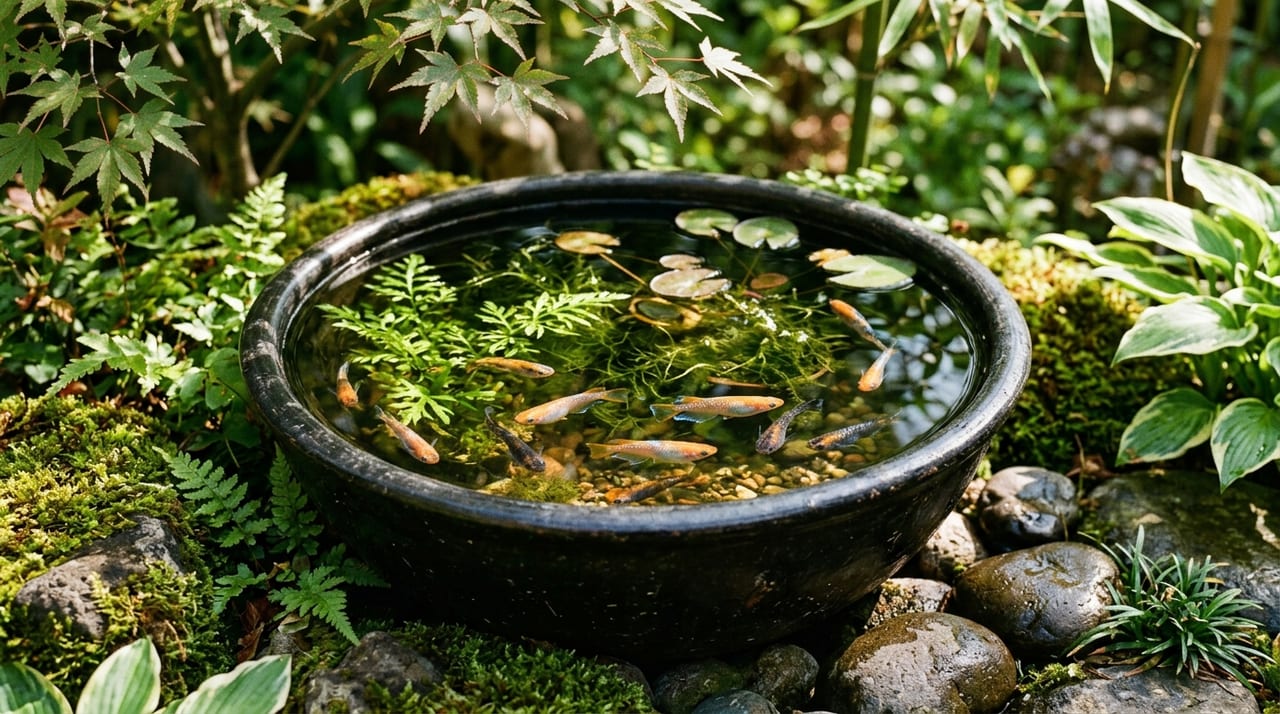
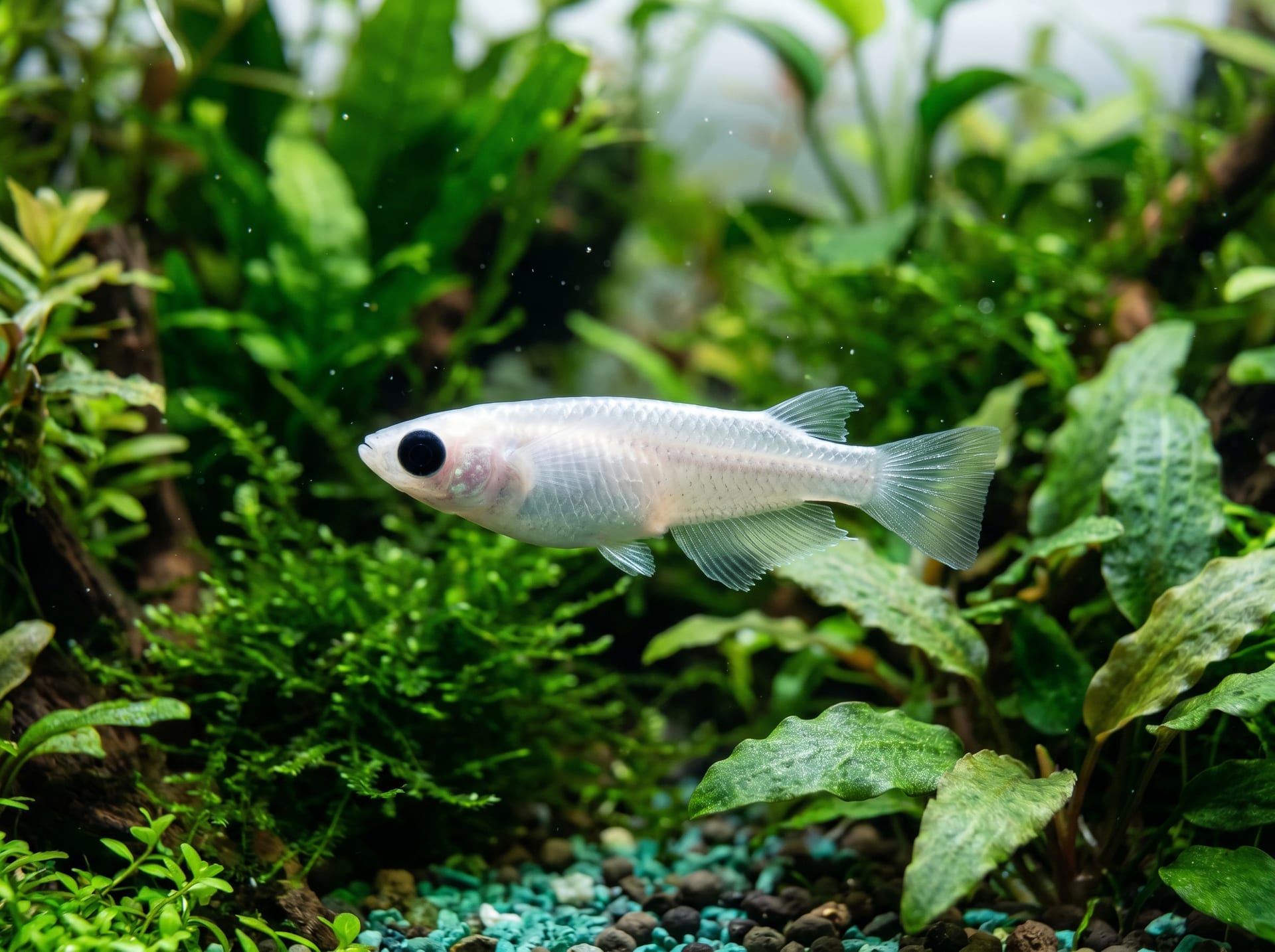
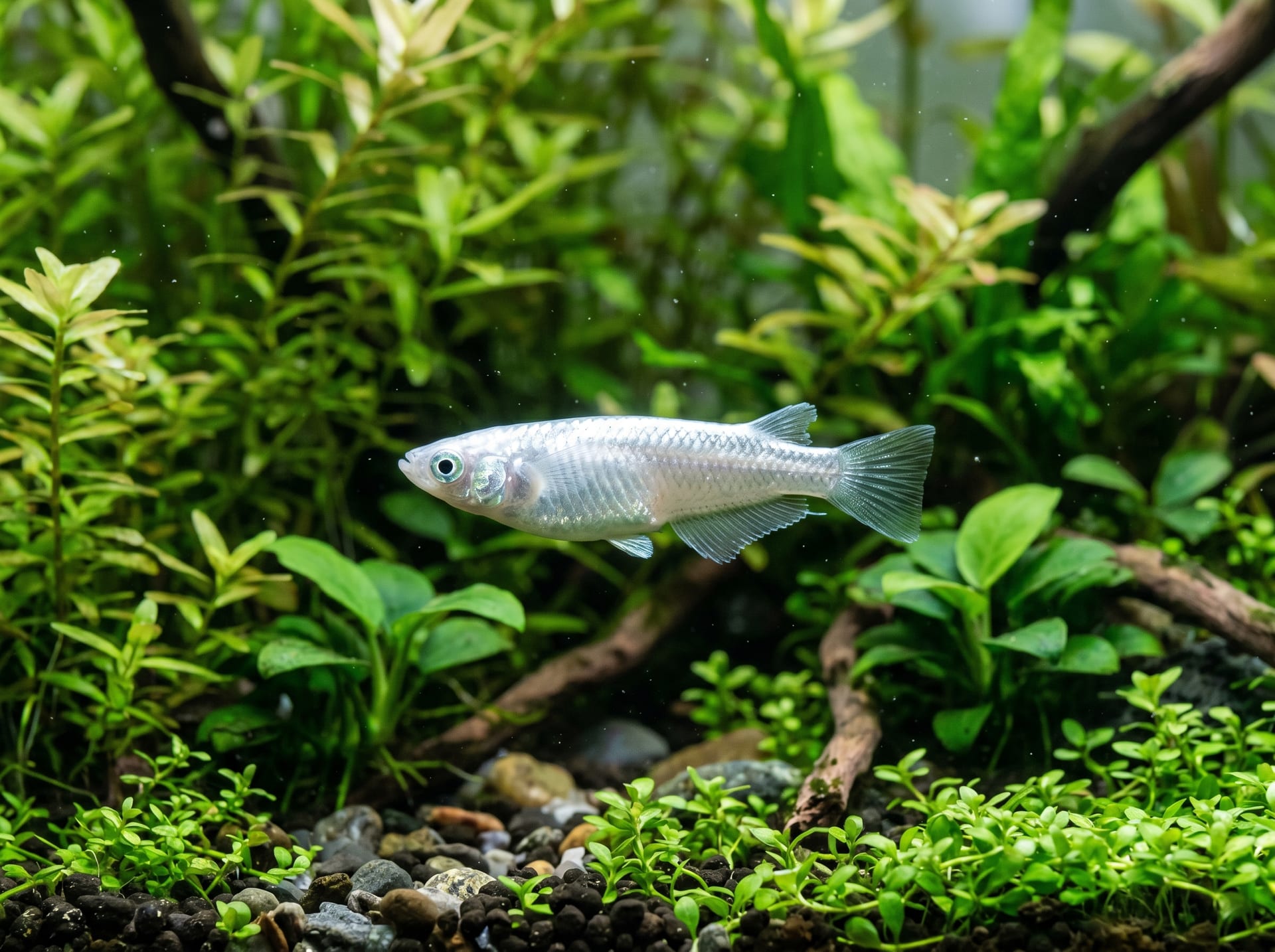
Many people associate medaka with outdoor biotopes or water lily pots. However, in recent years, more and more enthusiasts have been enjoying indoor aquarium breeding. The reasons are clear: indoor breeding allows you to create beautifully landscaped tanks, maintain a stable environment year-round regardless of weather or season, and get up close to rare varieties like black-scaled Mikino and five-color medaka to admire their delicate coloring and luster.
While outdoor breeding requires dealing with rainwater and predators, these concerns are largely eliminated indoors. Temperature control is easier, and breeding can continue even in winter. In a small tank placed in a living room or study, gracefully swimming medaka will become a source of healing.
Choosing a Tank | The Pleasures of Front and Top Views
The first step in indoor breeding is choosing a tank. Medaka viewing styles fall into two main categories: "front view" and "top view." The tank shape varies depending on which you choose.
Front-View Tank (Standard Tank)
A standard rectangular glass or acrylic tank. You observe the medaka from the side, which pairs beautifully with aquatic plant layouts.
- Size guidelines: 30–45 cm tanks are ideal. Tanks that are too small have unstable water conditions, while overly large tanks tire the medaka.
- Water volume: Aim for 1–2 liters per fish. A 30 cm tank (approx. 12 liters) is suitable for 6–10 fish.
- Viewing pleasure: You can observe fin shape, body patterns, and graceful swimming from the front.
Top-View Tank and Glass Bowl
You use a shallow, wide container and view the medaka from directly above. Varieties like black-scaled Mikino and platinum medaka show their most beautiful sheen when viewed from above, with the lustrous shine on their backs standing out distinctly.
- Recommended containers: Shallow wide-mouth glass bowls, square trays, top-view specialized tanks.
- Drawbacks: Filter and lighting installation is somewhat challenging. Water evaporation is faster.
- Beginner tip: Maintaining a water depth of 15–20 cm makes water quality management easier.
Essential Equipment and Selection Tips
Medaka breeding requires little equipment, but choosing incorrectly stresses the fish. By gathering the following equipment, you can establish a stable breeding environment.
Filter
Medaka dislike strong water currents. Choose filters with gentle water flow over powerful external filters.
- Sponge filter: Most recommended. High filtration capacity, used with an air pump. No risk of fry being sucked in.
- Undergravel filter: Convenient and affordable. Suitable for small tanks.
- Hang-on filter: Tends to create strong flow, so reduce the flow rate when using.
Lighting (LED Light)
Lighting substitutes for sunlight in indoor breeding. It's essential for growing aquatic plants.
- 8–10 hours of light per day is appropriate.
- Using a timer to automate on/off cycles makes management easier.
- Direct sunlight eliminates the need for lighting, but be careful as algae growth increases.
Substrate
Substrate also serves as a place for beneficial bacteria to colonize.
- Red soil: Slightly acidic and helps create water conditions ideal for medaka. Inexpensive and readily available.
- Aragonite sand: Neutral to slightly alkaline. Easy to rinse and reusable.
- Soil: Excellent for aquatic plant growth, but requires replacement every few years.
Aquatic Plants
Aquatic plants provide medaka with hiding places and help purify water and serve as spawning surfaces.
- Hornwort and waterweed: Hardy and easy to grow. They grow well even with low light.
- Willow moss: Attach to driftwood or stones as layout accents.
- Vallisneria: Using as a background plant creates depth.
Heater
While you can breed at room temperature, heaters help promote breeding and maintain health in winter. Maintaining water temperature at 25–26°C enables spawning year-round.
How to Create Layouts | From Beginners to Advanced
Tank layout is one of the highlights of indoor medaka breeding. Don't overthink it; start with a simple layout.
Simple Layout (Beginner)
- Lay substrate and add a few floating plants (hornwort or water lettuce).
- Placing 1–2 pieces of driftwood creates a natural atmosphere.
- Maintenance is simple and water changes or cleaning are easy.
Planted Layout (Intermediate to Advanced)
- Place vallisneria in the background, driftwood with willow moss in the midground, and hair grass in the foreground.
- Enjoy the striking contrast between the green plants and medaka colors.
- CO2 injection is generally unnecessary. Choose varieties that grow well with CO2 from medaka respiration and natural light (or artificial lighting).
Basic Layout Rules
- Make the background tall and foreground short: Placing tall plants or stones in the back creates depth.
- Think in odd numbers: Using an odd number of rocks or driftwood (3, 5, etc.) looks more natural.
- Leave open space: Don't overcrowd; ensure space for medaka to swim.
Tips and Precautions for Indoor Breeding
Daily Maintenance
- Water change frequency: Change about 1/3 of the water once every 1–2 weeks. Use dechlorinated water.
- Flow adjustment: Direct filter outlets toward the glass to distribute the flow.
- Avoid overcrowding: Water quality deteriorates rapidly and disease risk increases.
- Avoid direct sunlight: Algae blooms can occur and water temperature can rise sharply in summer.
Tips for Promoting Breeding
One major advantage of indoor breeding is that you can breed even in winter.
- Maintain water temperature at 24–26°C with a heater.
- Set lighting for 13 or more hours daily (longer "daylight" triggers spawning).
- Install a spawning surface (commercial egg-catching wool or plants) permanently.
- Move eggs to a separate container once spawning is observed. Parent fish may eat eggs or fry.
- Feed fry with powder food 3–5 times daily in small amounts.
Conclusion | Enjoy Indoor Breeding More with BreederDirect
Medaka indoor breeding is enjoyable for beginners if you have the right equipment. Start by choosing a tank, then combine filters, lighting, substrate, and plants to create your own beautiful aquarium. With careful heater and lighting management, you can even breed year-round.
On BreederDirect, you can purchase various improved varieties such as black-scaled Mikino, five-color medaka, and panda medaka ideal for indoor breeding directly from experienced breeders. You can ask breeders directly about breed characteristics and care methods, so even first-time indoor breeders can feel confident. Only health-verified individuals are listed, and comprehensive after-sales support is provided.
Swaying aquatic plants in an indoor tank and beautiful medaka swimming among them. Please start creating that healing space with BreederDirect.