A Guide to Science Education with Medaka Fish: Observation Themes and Breeding Methods
A guide for elementary and junior high students on observation themes, egg development observation, genetics learning, and how to compile independent research projects.
Key Takeaways
A guide for elementary and junior high students on observation themes, egg development observation, genetics learning, and how to compile independent research projects.
Related Species
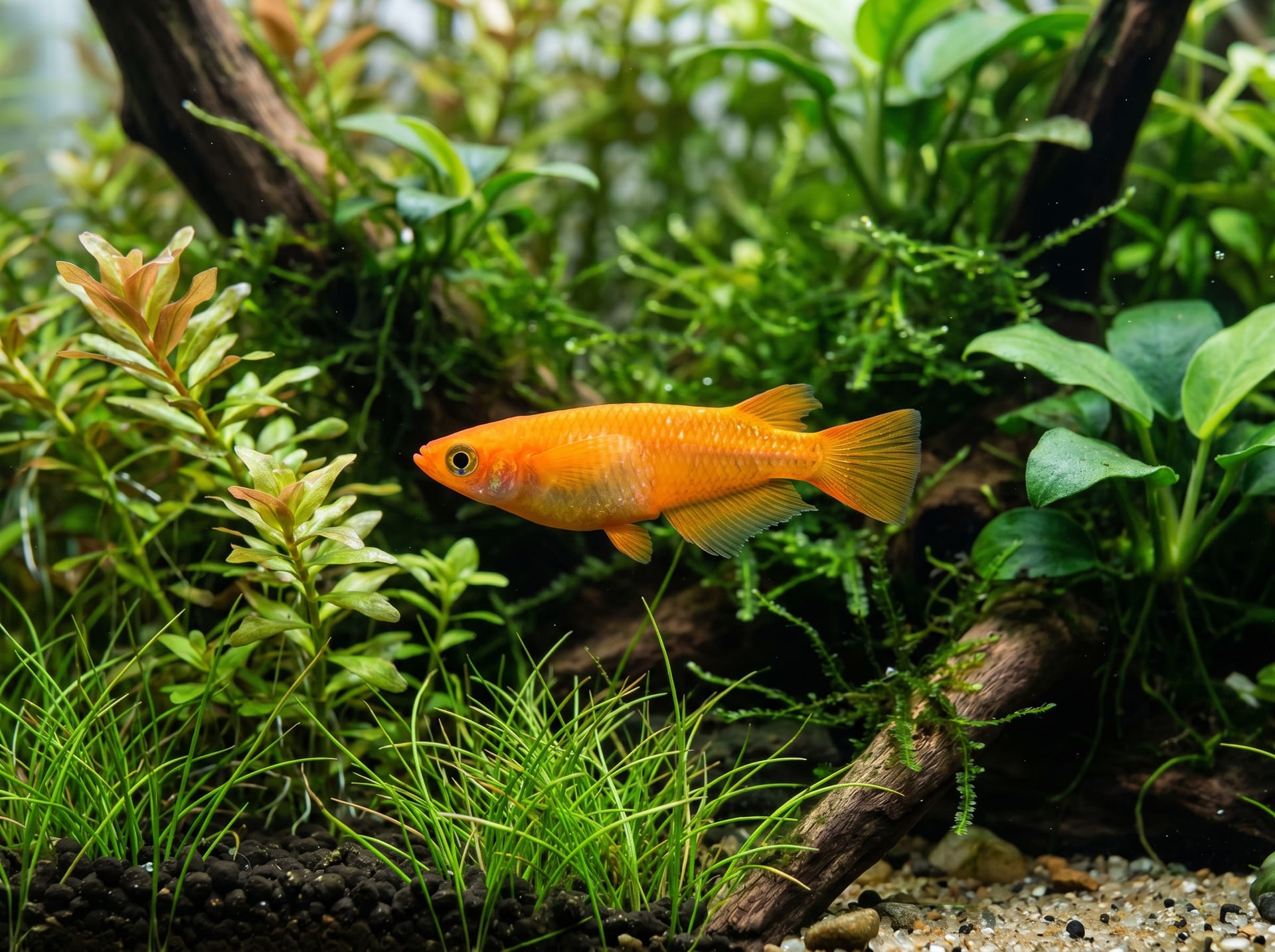
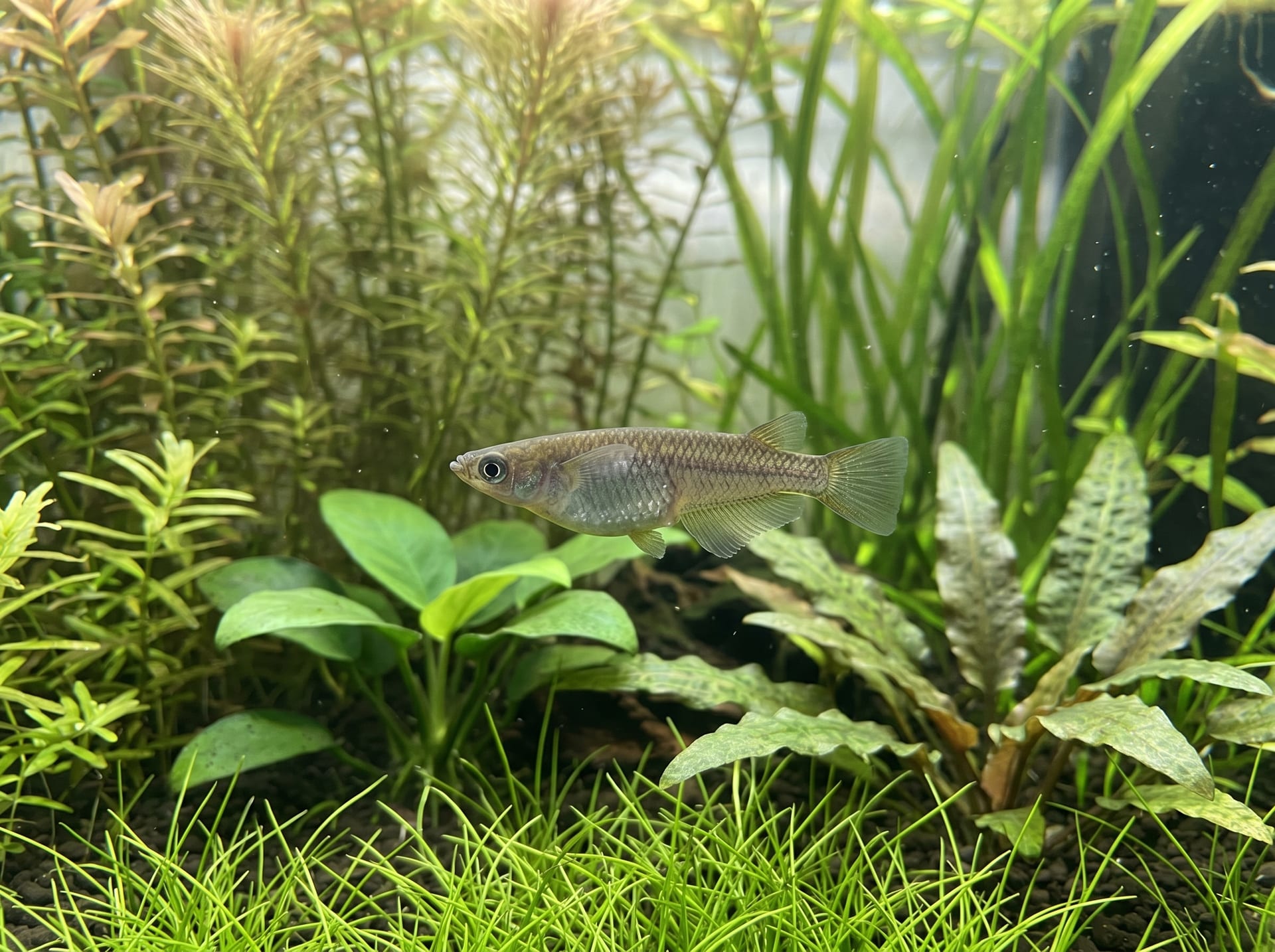
Medaka fish are an indispensable part of science education in Japan. In elementary school fifth-grade textbooks, "medaka egg growth" is featured, and in junior high school, they appear as material for learning "the laws of inheritance." With easy care requirements and easily observable reproduction, medaka are the ideal teaching material for learning about the mysteries of life. This article provides a detailed explanation of observation themes and breeding methods for medaka that can be used in educational settings and independent research projects. Comparing Southern medaka (wild-type) with Himeda medaka helps students intuitively understand the differences in body color genetics.
Why Medaka Fish Are Suitable for Education
There are clear reasons why medaka have been chosen as material for science education for many years.
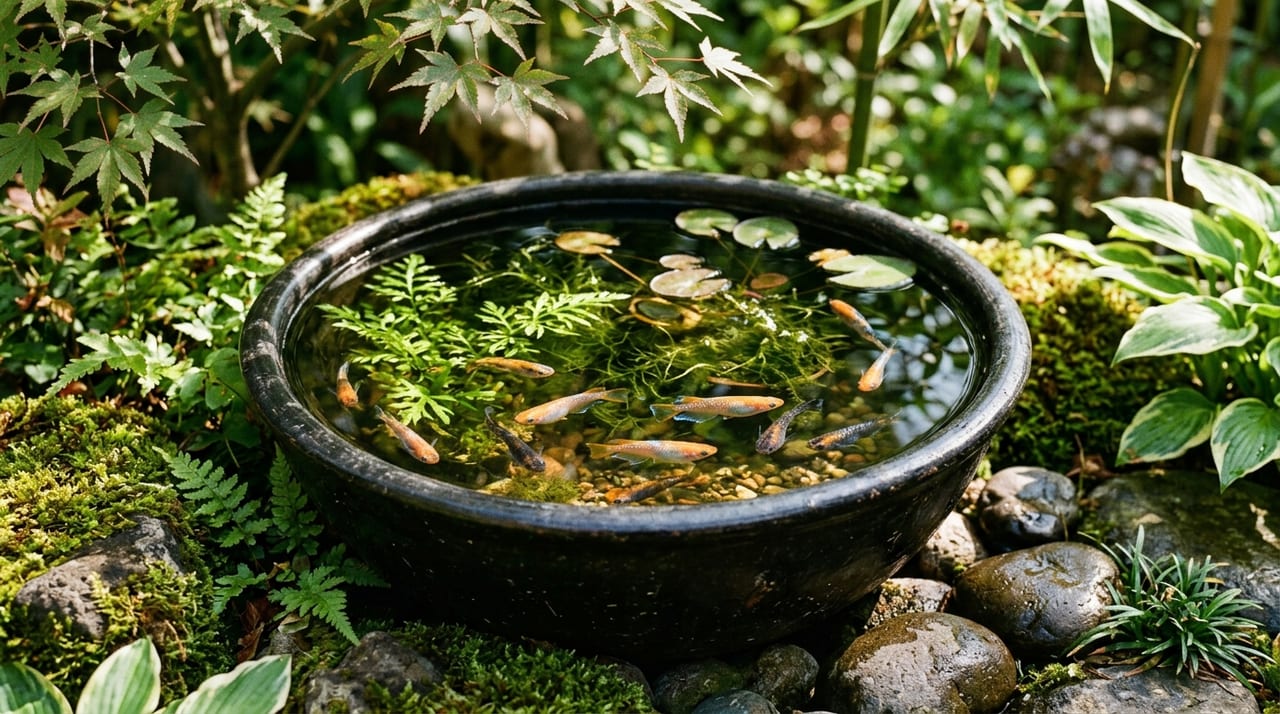
- Easy to raise: They can be easily bred in aquariums or plastic containers without special equipment. They are manageable even in a classroom setting
- Easy to breed: If the water temperature is 18°C or higher and the daylight period is 12 hours or more, they spawn almost daily from spring through autumn
- Transparent eggs: Medaka eggs are transparent, allowing observation of the internal development process under a magnifying glass or microscope. The heartbeat and blood flow are also visible
- Fast generation time: They mature in approximately 3-4 months, allowing multiple generations to be observed in a short period. Ideal for genetics learning
- Easy to distinguish males from females: Males and females can be differentiated by the shape of their dorsal and anal fins. This also provides learning about sexual differences
- Native Japanese freshwater fish: As a familiar organism, they connect well to learning about ecosystems and environmental issues
Through medaka, students can experientially learn many areas of science, including the birth and growth of life, ecological connections, and the mechanisms of inheritance.
Observation Themes for Elementary Students
Here are observation themes for medaka that can be tackled in elementary school science and independent research projects.