Medaka Pest Control Guide — Eliminating and Preventing Snails, Planaria, Hydra, and Dragonfly Larvae
Identifying and controlling common pests in medaka keeping: snails, planaria, hydra, dragonfly larvae, mosquito larvae, and tubifex worms, with practical prevention and elimination methods.
Key Takeaways
Identifying and controlling common pests in medaka keeping: snails, planaria, hydra, dragonfly larvae, mosquito larvae, and tubifex worms, with practical prevention and elimination methods.
Related Species
Keeping medaka often involves dealing with pests and unwanted organisms that sneak in through aquatic plants and substrate. Snails (pond snails), planaria, hydra, and dragonfly nymphs are particularly troublesome as they directly harm medaka eggs and fry. Once they establish a breeding population in a tank, complete eradication becomes difficult. It's essential to manage them through three stages: "prevention," "early detection," and "appropriate treatment."
This article provides a detailed explanation of common pests and unwanted organisms in medaka keeping, their characteristics, removal methods, and prevention strategies.
Managing Snails (Pond Snails)
What are snails?
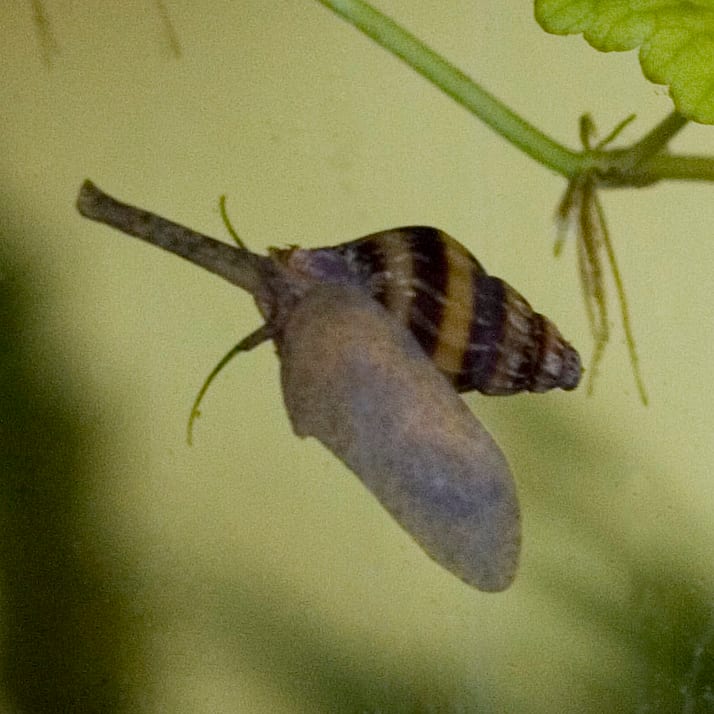
Snails refer to small pond snails that unintentionally enter aquaculture tanks. Common types include:
- Physa acuta (Bladder snail): Has a reversed shell spiral (sinistral coiling). Body length approximately 5–10mm with extremely high reproductive capacity
- Lymnaea stagnalis (Great pond snail): Right-coiled thin shell. Reproductive capacity comparable to Physa acuta
- Ferrissia (Limpet snails): Flat, cap-shaped shell that clings to glass and aquatic plants. Extremely small (2–3mm) and difficult to spot
Snail damage
Although snails don't directly attack medaka, they cause several problems:
- Population explosion and aesthetic degradation: Lay gelatinous egg clusters on tank walls and plants, spreading explosively
- Water quality degradation: Large snail populations excrete organic matter that worsens water conditions
- Interference with medaka eggs: Crawling over eggs can dislodge them from spawning substrates or allow bacteria to attach to egg surfaces
- Aquatic plant damage: Feed on soft plant shoots and leaves
Snail removal methods
Physical removal:
- Remove visible snails with tweezers or by hand. They congregate on glass at night, making them easier to collect with a flashlight
- Snail traps (commercial products) or overnight lettuce leaf soaks are effective—collect snails with the trap the next morning
- Tank reset (replacing all water and substrate, sun-drying the tank) is most reliable
Biological control:
- Assassin snails can be introduced, but tank conditions may not suit medaka tanks
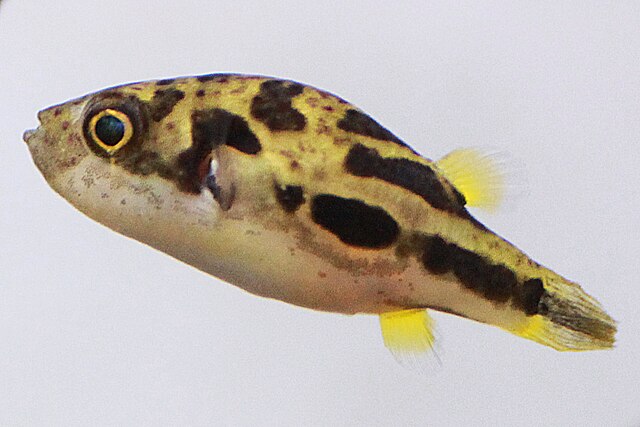
- Not suitable for fry containers, but pufferfish (Dwarf pufferfish) effectively consume snails in adult tanks. However, mixing with medaka isn't recommended due to aggression risk
Chemical removal:
- Treat aquatic plants with cleansers like "Before Aquatic Plants" before introduction
- Copper-based removal products exist, but move medaka to separate containers before use to protect them
Snail prevention
- Always treat aquatic plants before introduction: Rinse thoroughly in tap water and visually check for egg clusters. Soaking in carbonated water for 10–15 minutes is also effective
- Use new substrate: Transferred substrate from other tanks may contain snail eggs
- Avoid reusing tank water: Moving water between tanks risks introducing snail larvae
Managing Planaria
What is planaria?
Planaria are flatworms 5–15mm long, characterized by a whitish semi-transparent body, triangular head, and two black eye-like dots. They possess extraordinary regenerative ability—cutting their bodies doesn't eliminate them since each fragment regenerates into a new individual.
Planaria damage
- Feed on medaka eggs: Gather on spawning substrates and plants, dissolving egg membranes to consume contents
- Predation on weak fry and hatchlings: While healthy adults are mostly safe, slow-moving hatchlings can become prey
- Visual unpleasantness: Mass outbreaks severely degrade tank aesthetics
Planaria removal methods
Trap method:
- Cut raw chicken liver or lean sashimi into small pieces, wrap in gauze, and sink overnight
- Collect planaria with the gauze the next morning and dispose
- Repeat over several days to weeks to significantly reduce populations
Chemical removal:
- Planaria ZERO (commercial product) has relatively high safety for medaka but move them to separate containers before use
- After treatment, use activated charcoal to absorb remaining medication and perform large water changes
Tank reset:
- Complete tank reset is most reliable for total planaria eradication
- Discard all substrate and disinfect the tank with hot water or sun-drying
- Replace aquatic plants with new ones or thoroughly treat existing ones, as eggs may be attached
Planaria prevention
- Frozen bloodworms and live foods may contain planaria—choose reputable brands
- Thoroughly treat aquatic plants upon introduction
- Don't leave uneaten food (it becomes planaria food)
Managing Hydra
What is hydra?
Hydra are cnidarians 5–20mm long with thread-like tentacles that catch plankton and microscopic organisms. Translucent green or white, they attach to plants and glass surfaces. Their radial structure resembles sea anemones.
Hydra damage
- Predation on hatchlings and fry: Hydra tentacles contain stinging cells (nematocysts) that capture and consume tiny hatchlings. Largely harmless to adults
- Catastrophic damage in fry containers: Since fry foods like PSB and paramecia are also hydra food, fry containers are particularly susceptible to outbreaks
Hydra removal methods
Physical removal:
- Remove individual hydra with tweezers. Ensure complete removal from the base as fragments regenerate
- Tank reset is most reliable
Salt bath method:
- Move medaka to separate containers and dissolve salt at 2–3% concentration in the tank (20–30g per liter)
- Hydra die within 24 hours
- Perform extensive water changes afterward to remove salt before returning medaka
Chemical removal:
- Planaria ZERO is reportedly effective against hydra
- Diluted bleach can disinfect tanks, but always move medaka first and rinse thoroughly afterward
Hydra prevention
- Avoid overfeeding PSB and paramecia to fry containers (reduces hydra food)
- Treat aquatic plants before introduction
- Thoroughly wash tools (nets, pipettes) between tanks
Managing Dragonfly Nymphs (Yago)
What are dragonfly nymphs?
Dragonfly nymphs are aquatic larvae of dragonflies and damselflies—carnivorous aquatic insects. They enter tanks when adult dragonflies lay eggs on water surfaces. In outdoor setups, they're an almost unavoidable pest.
Dragonfly nymph damage
- Direct predation on medaka: Nymphs are ambush predators, capturing passing medaka with swift mandibles
- Predation extends to adults: Large species (Anisoptera, Sympetrum) can consume adult medaka
- Single specimen causes serious loss: Requiring daily feeding, even one nymph can cause medaka to disappear
- Detection difficulty: Camouflaged in substrate and motionless during day, making them hard to spot
Dragonfly nymph removal methods
- Immediate removal upon detection: Capture with tweezers or net. Lightly stirring the substrate can flush hidden nymphs
- Substrate reset: Remove all substrate and sift through if nymphs may be present
- Suspect nymphs if medaka populations drop unnaturally: Nymphs laid in autumn grow through winter, requiring vigilance even in cold months
Dragonfly nymph prevention
- Install mesh netting: Cover tanks with fine-mesh netting (window screen) to prevent dragonfly access. Most effective prevention method
- Lean screen panels at angles: Makes water surface access harder. Not complete protection but somewhat effective
- Regular substrate checks: Monthly substrate stirring to check for hidden nymphs
Managing Mosquito Larvae (Bou Fura)
What are mosquito larvae?
Mosquito larvae hang from the water surface with breathing tubes—characteristic of their appearance. They develop when mosquitoes lay eggs in outdoor tanks.
Relationship with medaka
Interestingly, mosquito larvae are excellent live food for adult medaka. Adults readily consume them, so they rarely become a problem in established tanks.
However, caution is needed in fry and hatchling containers. Large larvae (4th instar) can injure hatchlings with their puncture, and they also compete for hatchling food.
Management
- Leave larvae in adult tanks (become medaka food)
- Install mesh netting on fry containers to prevent mosquito egg-laying
- Aspirate found larvae with pipettes and transfer to adult tanks as food
Managing Aquatic Worms (Mizumimizu)
What are aquatic worms?
Aquatic worms are white, thread-like organisms 1–3cm long that squirm through substrate and water. Often disliked for appearance, they actually cause minimal direct harm to medaka.
Cause of outbreaks
Major causes of aquatic worm blooms are overfeeding and substrate fouling. Uneaten food and organic matter become their nutrition.
Management
- Adjust feeding amounts: Eliminate uneaten food portions
- Thoroughly clean substrate: Use pipettes or gravel vacuums to remove substrate waste
- Increase water change frequency: Change from weekly to twice-weekly
- No need for excessive worry if worms persist. Population naturally decreases as water quality improves
Complete Summary of Pest and Unwanted Organism Management
In medaka keeping, prevention is paramount. Once infestations establish, removal becomes time-consuming, and fry containers can suffer irreversible damage.
Three prevention principles:
- Thoroughly treat plants and substrate: Wash and disinfect all new introductions before use
- Install mesh netting on outdoor tanks: Most effective for preventing nymphs and mosquito larvae
- Never skip daily observation: Monitor carefully during feeding for unfamiliar organisms
By incorporating these practices into daily care, you can protect medaka from pests and parasites, enjoying safe breeding.
Safe Medaka Keeping with BreederDirect
BreederDirect connects you directly with medaka breeders, who can offer detailed husbandry advice. Questions like "Are snails mixed in?" or "Hydra appeared in my fry container—what should I do?" are answered by experienced breeders. Find a trusted breeder on BreederDirect for confident medaka keeping.