Albino Medaka Care Guide | Caring for Light-Sensitive Individuals and Management Methods
Explains the precautions for keeping albino medaka. Introducing UV countermeasures, feeding techniques, and considerations for keeping them with other fish.
Key Takeaways
Explains the precautions for keeping albino medaka. Introducing UV countermeasures, feeding techniques, and considerations for keeping them with other fish.
Related Species
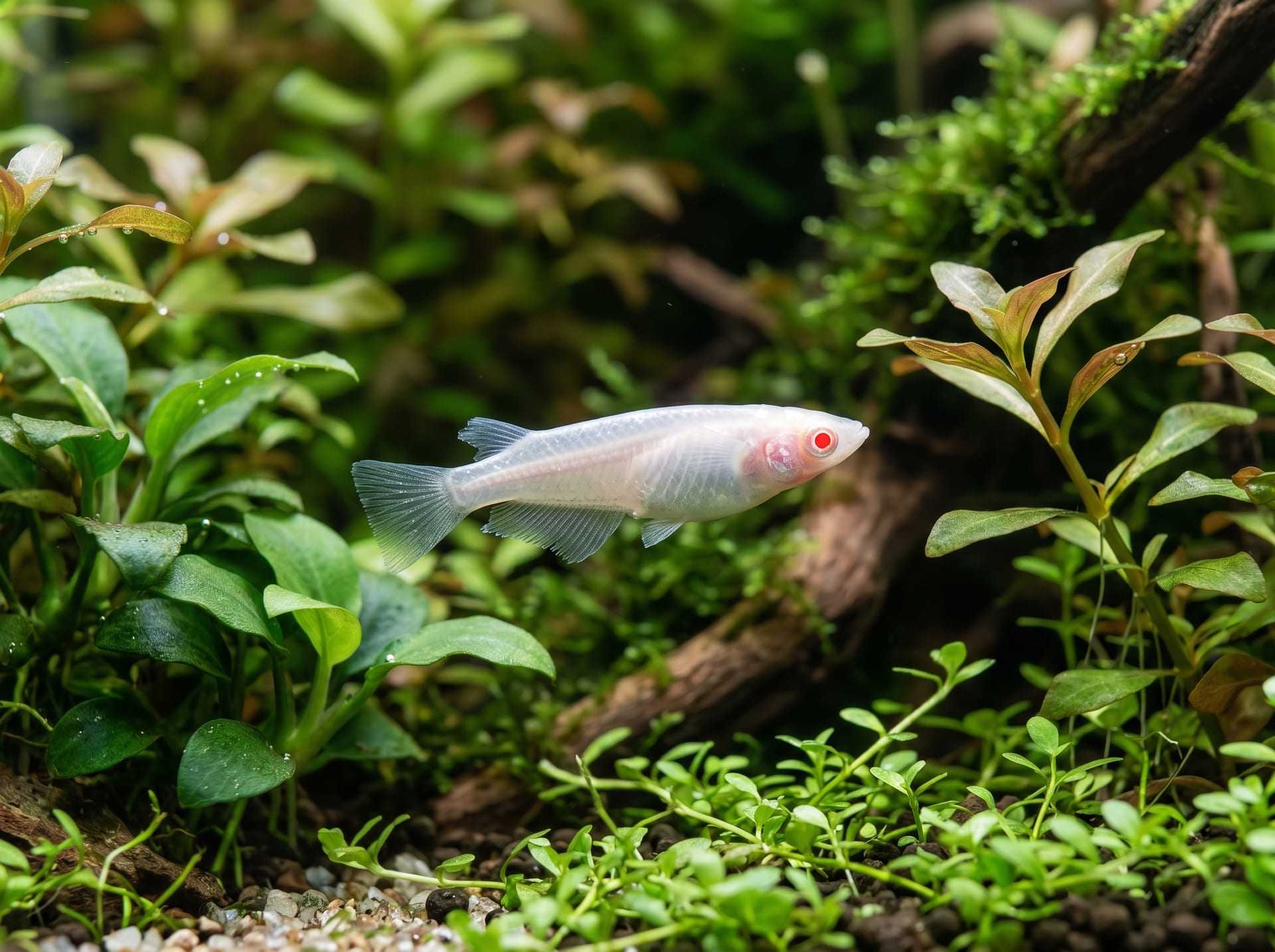
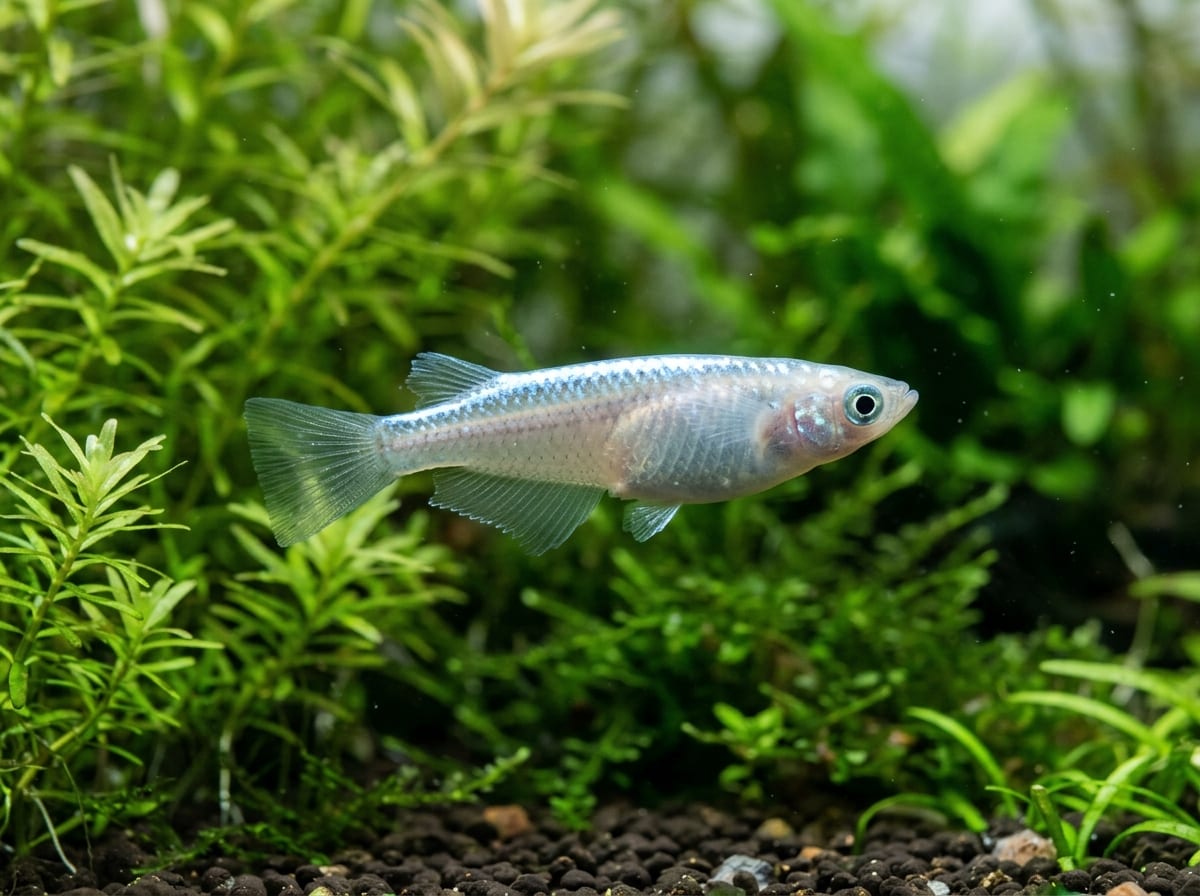
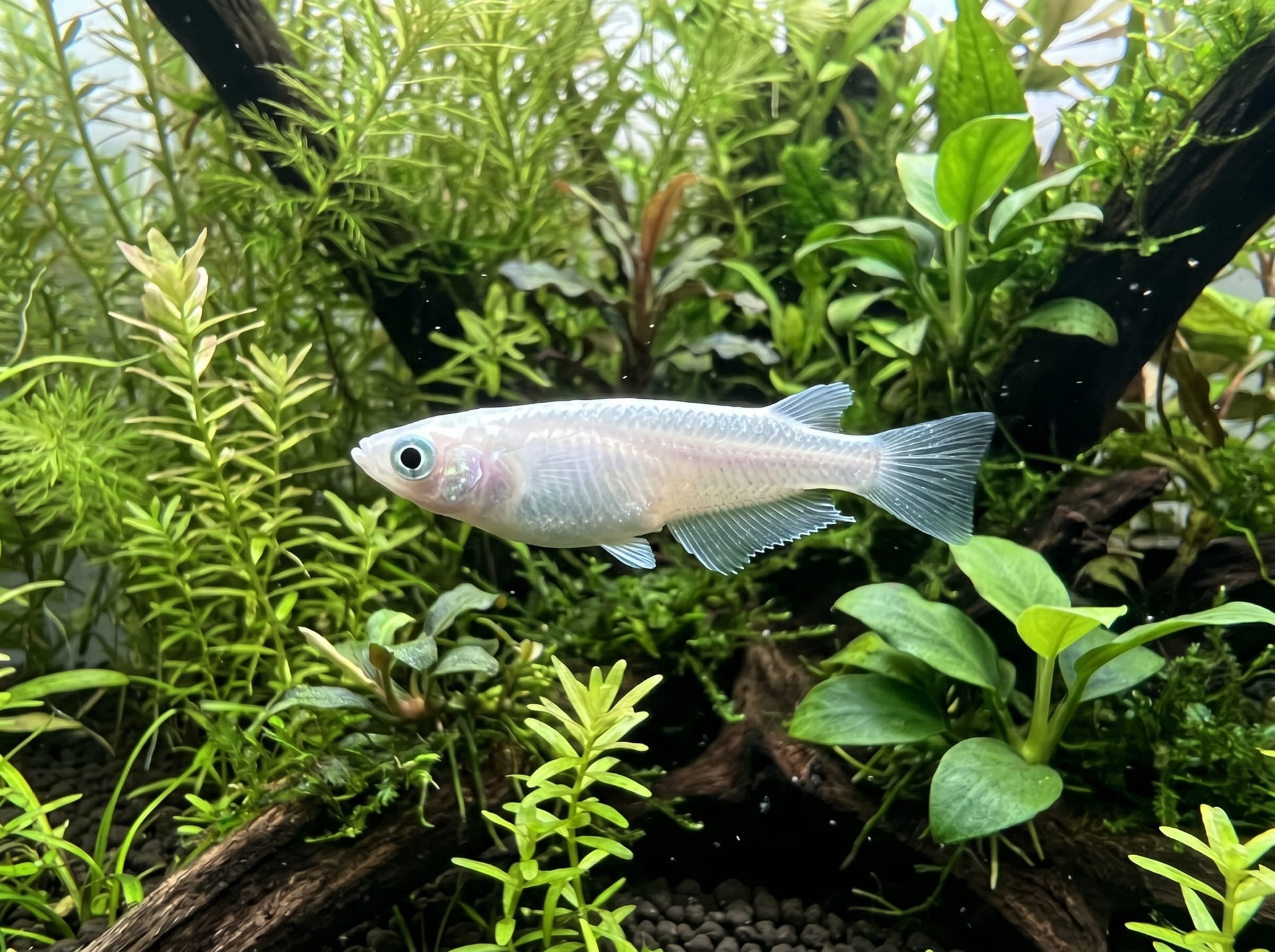
Albino medaka are a distinctive variety of medaka that captivate enthusiasts with their ethereal white coloring and red eyes. The unique translucence that comes from lacking melanin pigment creates a quiet presence in the aquarium. However, behind their beauty lies a delicate side different from typical medaka. Correctly understanding albino-specific traits—such as sensitivity to light and reduced vision—is the first step toward keeping them healthy and long-lived.
In this article, we provide clear explanations for those keeping albino medaka for the first time, covering everything from setting up the right environment to feeding techniques, and considerations for tank mates and breeding. Those who want to compare appearance with other varieties may also find Medaka Variety Guide | Characteristics of Popular Varieties and Selection Guide helpful.
What Are Albino Medaka?
Albino refers to a genetic condition where melanin pigment cannot be synthesized. In medaka, among the black melanophores, xanthophores, and iridophores in the body, the black melanophores containing melanin fail to function, resulting in a white to cream-colored body, while the eyes appear red due to blood vessels showing through.
Albino medaka are popular as ornamental fish due to their unusual appearance, with varieties such as "albino Hikarimiyuki" (crosses with white medaka or Hikarimiyuki medaka) also in circulation. While physical robustness varies somewhat by variety, albino individuals are generally more sensitive to environmental changes than normal individuals, requiring careful management.
Setting Up the Ideal Habitat | Light and Water Quality Are Key
Prioritizing Light Protection
The most important aspect of albino medaka care is protection from UV radiation and intense light. Melanin pigment normally protects cells from ultraviolet radiation, but albino individuals lack this protective function. Prolonged direct sunlight can damage the skin and eyes, leading to poor health.
- Indoor keeping: Avoid direct sunlight from windows; use indirect light or aquarium-specific LED lighting. Aim for 8–10 hours of lighting per day, and using a timer helps maintain stability.
- Outdoor keeping: Create shade using bamboo blinds (sudare) or floating plants (such as water sprite), reducing the time the water surface is exposed to sunlight. Be especially careful during intense summer sun.
Water Quality and Temperature Management
While this applies to medaka in general, rapid temperature changes and water quality deterioration cause significant stress. Albino individuals have somewhat lower stress tolerance, so pay attention to the following points.
- Temperature: Optimal range is 18–28°C. In summer, watch for high temperatures (above 30°C); use cooling fans or bamboo blinds.
- pH: Maintain slightly acidic to neutral (pH 6.5–7.5).
- Water changes: Perform weekly, changing approximately 1/3 of the total water volume. Dechlorination is essential.
- Filtration: Excessive water flow stresses medaka, so use gentle filtration or a sponge filter.
Feeding Tips | Adjusting for Reduced Vision
Albino medaka have poorer vision than normal individuals and take longer to find food. They are at a disadvantage in feeding competition within the tank and may become malnourished without appropriate measures.
Feed Small Amounts Multiple Times Daily
- Feeding large amounts at once increases uneaten food and deteriorates water quality.
- Feed 2–3 times daily, providing only what the fish can consume in 2–3 minutes.
- Use floating flake or powder-form foods so the fish can eat before the food sinks.
Pay Attention to How You Dispense Food
Dispensing food at one point allows normal fish and others to eat first. Spread food widely across the water surface or drop it directly in areas where albino individuals gather to make feeding easier for them.
Live foods (daphnia and brine shrimp) are difficult for them to track visually, making them harder to eat than prepared foods. If using live foods as supplements, choose those with minimal movement.
Considerations for Tank Mates and Outdoor Keeping
Ideal Tank Mates: Same Species and Variety
Due to their poor vision and white coloring, albino medaka are at a disadvantage when kept with other fish.
- Keeping albino medaka together in groups is safest. Fish with the same conditions compete equally for food.
- When kept with normal medaka, food is often eaten first by the others, and albino individuals may become thin.
- If you must keep them together, spread food widely across the water surface and check at each feeding to ensure the albino fish are eating.
Risk Management for Outdoor Keeping
The white coloring makes them stand out to predators (birds, cats, etc.) in the water and increases vulnerability to attack.
- Install netting or metal guards to prevent damage from birds (herons, kingfishers, etc.).
- Provide plenty of aquatic and floating plants for hiding places.
- Use deeper containers (15 cm depth or more) for the breeding tank.
Enjoying Breeding | Genetics and Spawning Management
Albino inheritance is recessive, and only individuals that inherit the albino gene from both parents will express the albino phenotype. It's helpful to understand basic genetics when planning breeding. Those wanting to learn more about color inheritance can see Introduction to Medaka Genetics | Genetic Basics for Selective Breeding.
Primary Cross Patterns
| Parent Cross | F1 (Offspring) Result |
|---|---|
| Albino × Albino | 100% albino |
| Albino × Normal | All normal (het albino) |
| Het albino × Het albino | Approximately 25% albino, 75% normal |
"Het (heterozygous) albino" refers to a normal-appearing individual carrying one copy of the albino gene. Although they look normal, they can produce albino offspring.
Spawning and Hatching Management
- Separate eggs laid on spawning media (willow moss or commercial spawning mats) from parent fish before they are eaten.
- Fry are especially delicate; raise them in an environment completely protected from direct sunlight.
- For the first week after hatching, infusoria (microscopic protozoa) and PSB (photosynthetic bacteria) are effective as initial foods.
Summary | Enjoying Albino Medaka Long-Term
Here's a summary of key points for keeping albino medaka.
- Light management: Avoid direct sunlight; provide indirect light and shaded areas.
- Feeding strategy: Feed small amounts multiple times daily, spreading food widely to ensure albino fish eat adequately.
- Tank mate considerations: If possible, keep albino medaka together to reduce competitive stress.
- Outdoor predator protection: Use netting, aquatic plants, and adequate water depth to minimize risk.
- Enjoy breeding: Understand genetics and plan pairings strategically.
Albino medaka are certainly delicate, but they reward careful attention with great satisfaction. Individuals carefully managed by breeders have higher environmental adaptability and are suited for long-term keeping.
At BreederDirect, you can purchase carefully-raised albino medaka directly from breeders specialized in various varieties. You can consult directly with breeders about questions regarding habitat setup and feeding methods, making it reassuring for first-time albino medaka keepers. Because you're buying directly from breeders who allow you to verify individual health and breeding history, you can expect to meet with healthy specimens.