Aggression in Tangs (Surgeonfish) and Required Tank Size | Breeding Requirements by Species
Explain aggression in tangs by species. Introduce required tank sizes, compatible species combinations, and how to handle fighting.
Key Takeaways
Explain aggression in tangs by species. Introduce required tank sizes, compatible species combinations, and how to handle fighting.
Related Species
Aggression in Tangs (Surgeonfish) and Required Tank Size | Breeding Requirements by Species
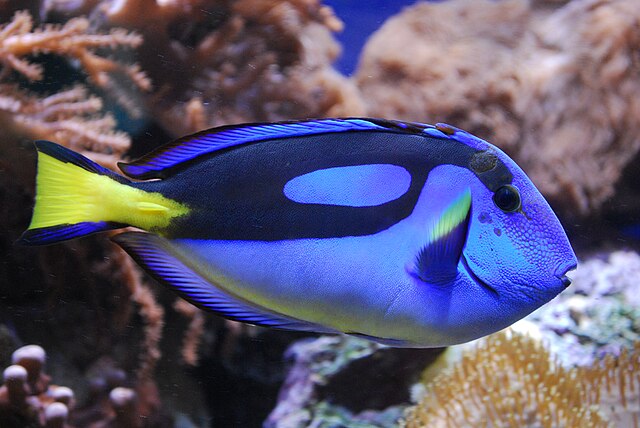
Tangs are iconic residents of saltwater aquariums, known for their vibrant colors and graceful swimming style. Since the blue tang became famous through movies, they've become popular with beginners, but keeping tangs presents two major challenges: securing adequate tank size and managing their aggression. Tangs are naturally reef-dwelling fish that swim across vast areas; when confined to small spaces, they develop stress-induced aggressive behavior. This article explains the required tank size and aggression characteristics by species, along with practical methods for successfully keeping tangs with other fish.
---
Characteristics of Tangs and Basic Husbandry
Tangs are a collective term for fish of the family Acanthuridae, order Perciformes, and are also called "surgeonfish" in English. The name comes from the sharp, bone-like spines (called caudal spines) located at the base of their tail fin. These spines are more developed in males than females and are used for territorial disputes and defense against predators. Handling them bare-handed can result in deep cuts, so care must be taken when working in the tank.
The most distinctive features of tangs are their strong territorial behavior and high activity levels. In their natural habitat, they swim tens of meters or more daily and maintain large territories. If these instincts aren't satisfied in captivity, tangs develop problem behaviors such as attacking other fish and ramming the glass. They are also known to be highly susceptible to ich (white spot disease), making quarantine treatment and water quality management especially important upon introduction.
Their diet is primarily herbivorous, actively grazing on algae on live rock and glass surfaces. While this habit makes them useful for algae control, if they're not constantly grazing, hunger increases their aggression.
---
Required Tank Size and Aggression by Species
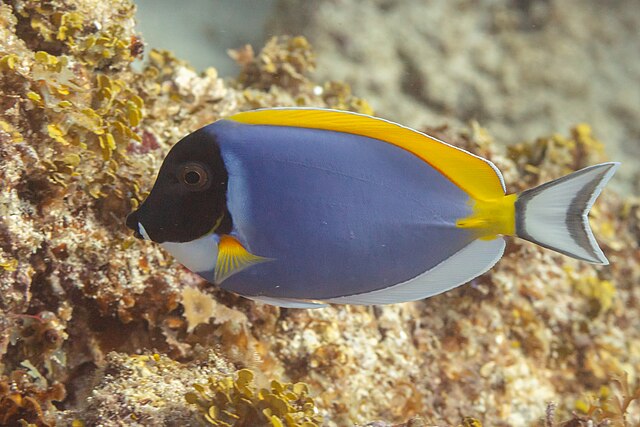
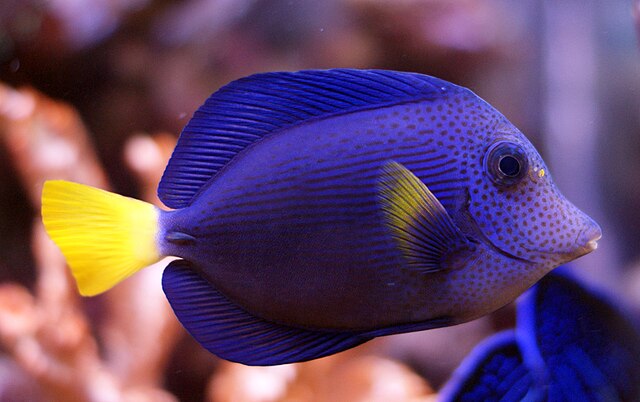
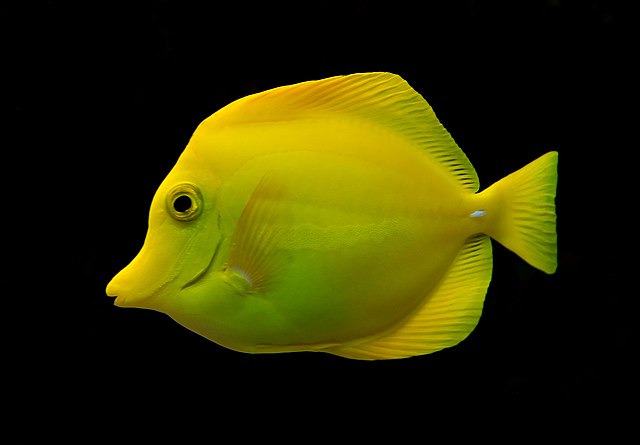
Tangs don't all have the same husbandry requirements; body size, space demands, and aggression vary significantly by species. It's important to understand each species' characteristics before introducing them.