Nano Reef Tank Fish Selection and Stocking Guide|Understanding the Limits of 30-45cm Tanks
Explains the number and types of fish that can be housed in nano reef tanks. Introduces stocking capacity limits by water volume and suitable small species.
Key Takeaways
Explains the number and types of fish that can be housed in nano reef tanks. Introduces stocking capacity limits by water volume and suitable small species.
Related Species
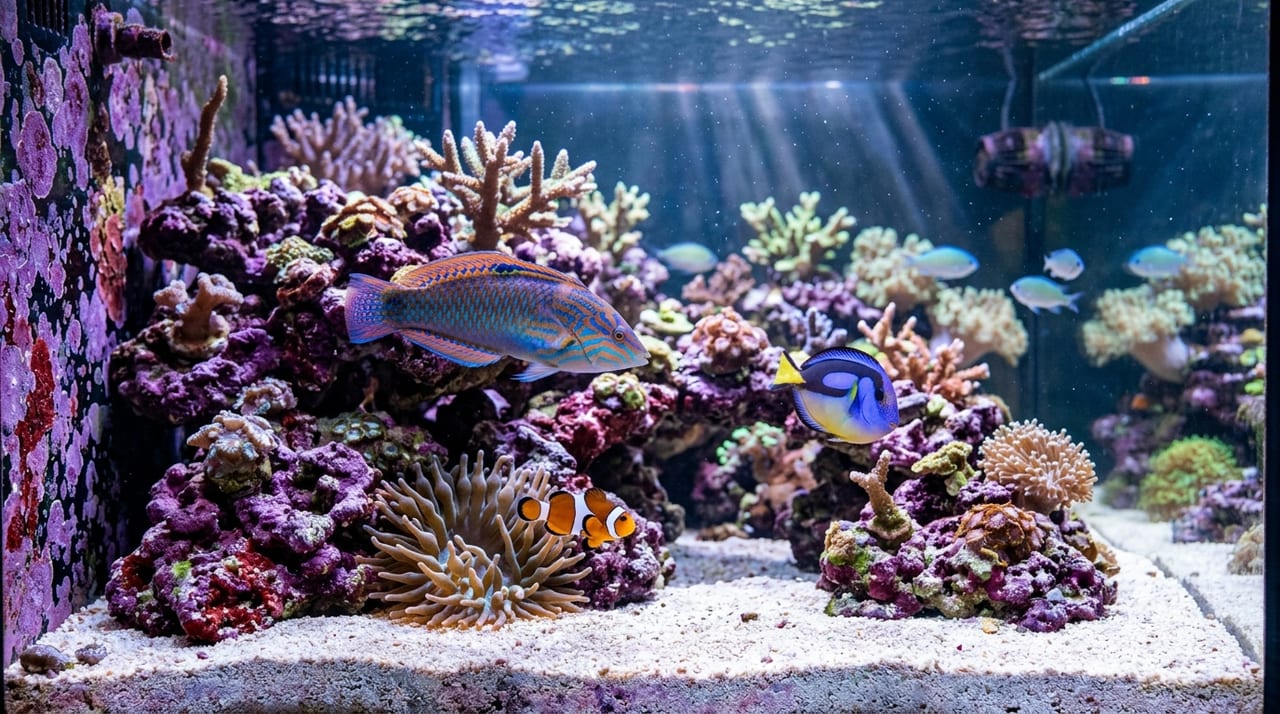
A concentrated oceanic world unfolds within a small aquarium. Nano reef tanks (30-45cm) have become increasingly popular for allowing serious saltwater fish keeping while saving space. However, the smaller water volume also means stricter management requirements. Adhering to proper stocking capacity and selecting compatible species are among the most important factors in maintaining a beautiful tank long-term. This article explains the basic stocking capacity of nano tanks, recommended small fish species, and daily water quality management in an easy-to-understand way for beginners.
Understanding Water Volume and Stocking Capacity Guidelines
When discussing nano tanks, the relationship between water volume and stocking capacity is the first thing to grasp. Saltwater fish keeping follows an ironclad rule: "the greater the water volume, the more stable the water quality, and the lower the difficulty level." With limited water volume, water quality changes become dramatic, placing significant stress on fish.
The following shows recommended stocking guidelines by typical nano tank size.
Tank Size
Water Volume
Recommended Stocking
30cm Cube
Approx. 27L
1-2 fish
36cm Cube
Approx. 45L
2-3 fish
45cm Standard
Approx. 35L
2-3 fish
✍️
BreederDirect Editorial
The BreederDirect editorial team specializes in care information for animals, covering veterinary care and breeding to deliver beginner-friendly guides.
Find Marine Fish on BreederDirect
Buy directly from verified breeders
Browse Related Listings
Find Marine Fish listings related to this article on BreederDirect. Buy directly from verified breeders.
The "recommended stocking" figures shown here are merely guidelines based on small species. The actual numbers vary depending on fish size and species, filter performance, and presence of coral. Particularly for the 30cm cube with only about 27L of water, it is strongly recommended to limit yourself to essentially one species (or a pair).
When calculating stocking capacity, it is essential to consider the "adult size" of fish. Many species that are small as juveniles will outgrow the nano tank as they mature. Always verify the adult length before purchasing.
Top 10 Small Saltwater Fish for Nano Tanks
The ideal traits for nano tanks are: "small (adult size 5cm to around 8cm)," "peaceful temperament," and "not overly territorial." Below are 10 beginner-friendly species I recommend.
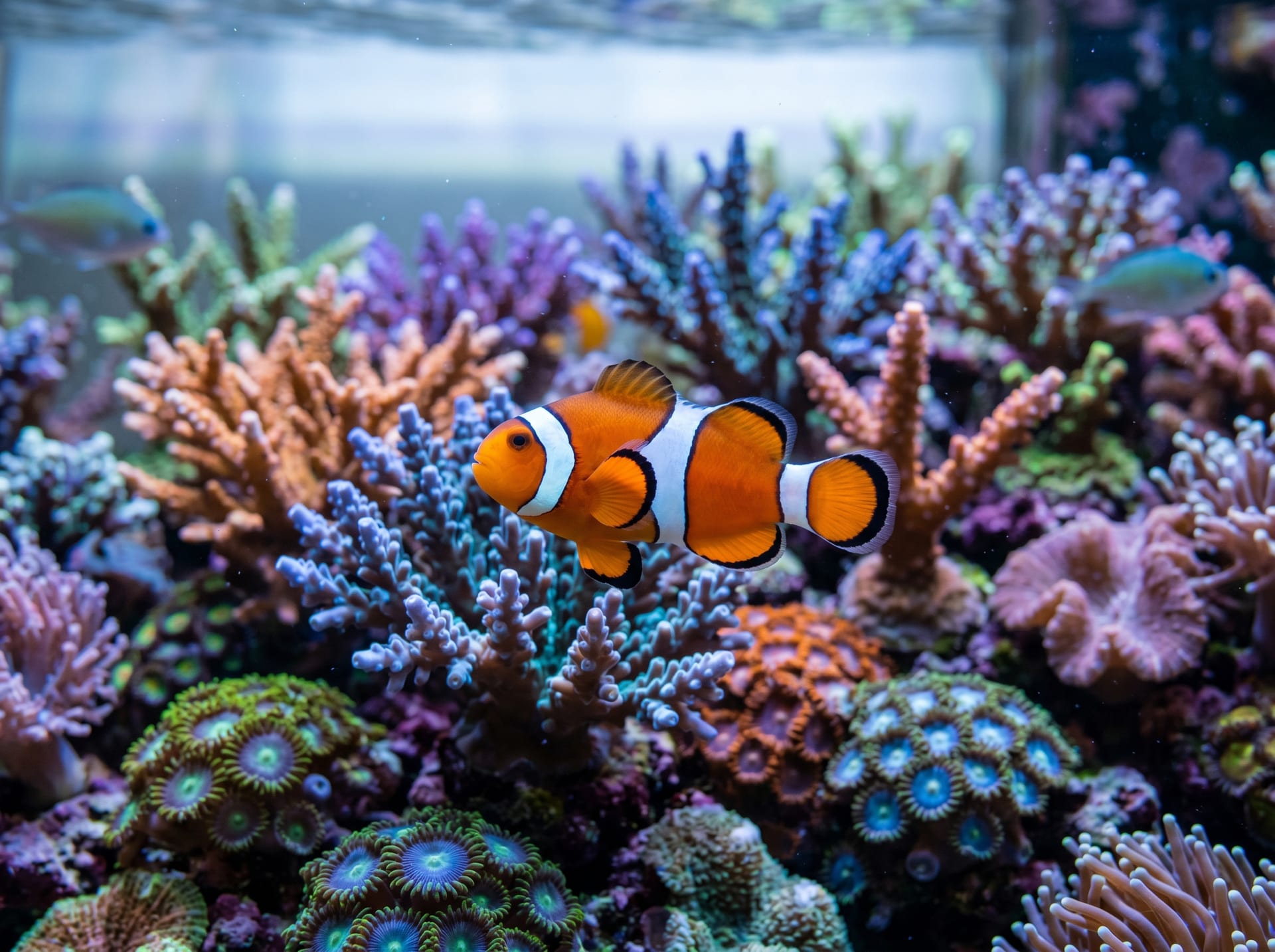
1. Ocellaris Clownfish
The quintessential saltwater fish. Can be kept as a pair, and symbiosis with an anemone brings the tank to life. However, they quarrel with their own kind, so keep to one pair only.
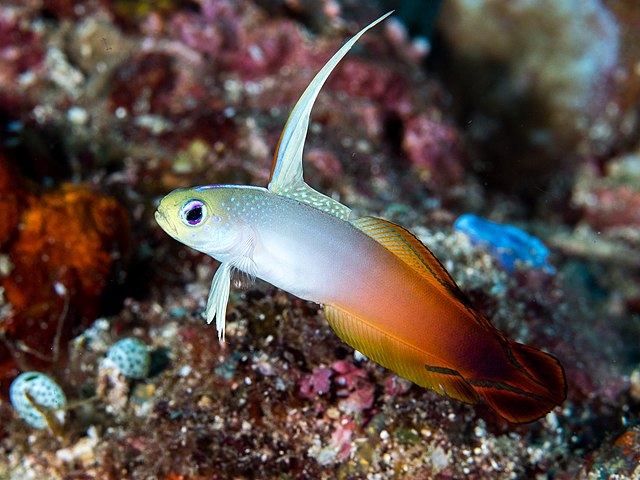
2. Red Firefish
A small goby that hovers elegantly through the water. The sight of its raised dorsal fin is distinctive and makes a perfect centerpiece for a nano tank. Though peaceful, they may jump when startled, so a cover is essential.
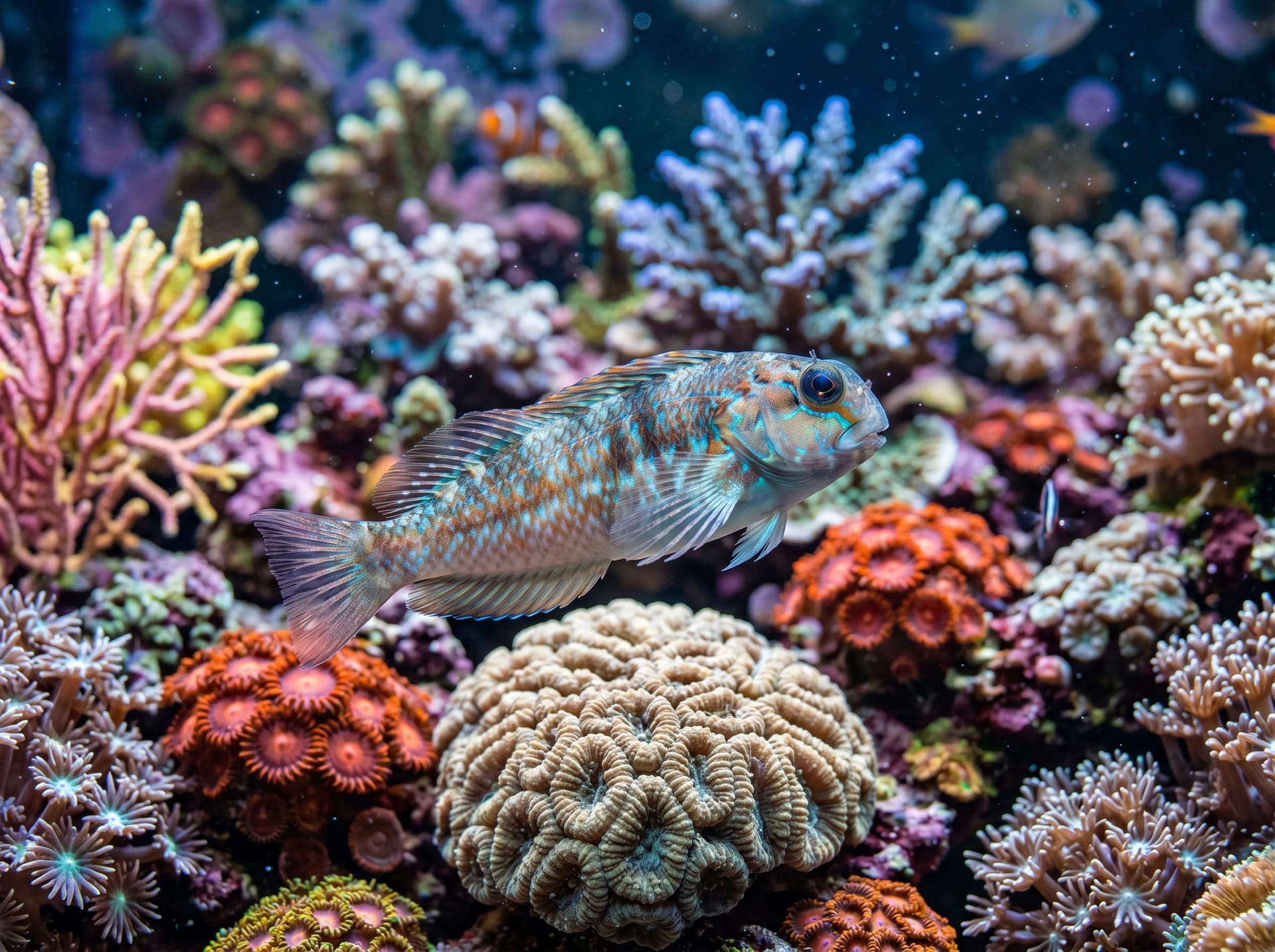
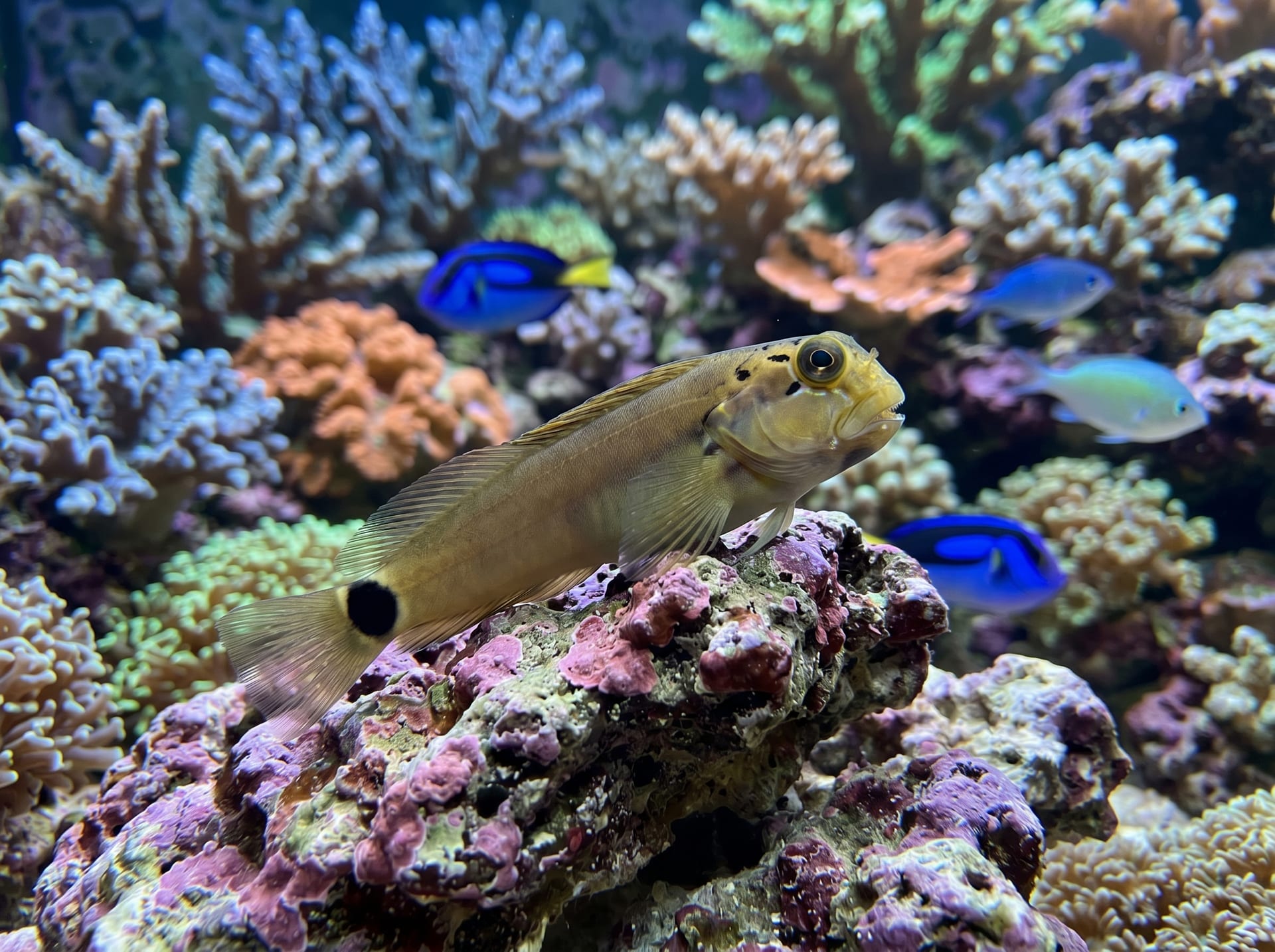
3. Tail Spot Blenny
A bottom-dweller that also eats algae, offering practical value. With a gentle temperament and few conflicts with other fish, its habit of hiding among rocks is endearing.
4. Yellow Wrasse
A small wrasse that eats pests like nudibranchs and small crustaceans, serving as the tank's cleanup crew. Its active movements are never boring to watch.
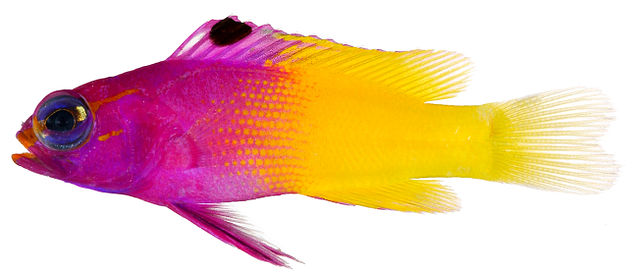
5. Royal Gramma
A small saltwater fish with striking purple and yellow contrast. Best kept singly, it tends to claim rock crevices as territory. Its vivid coloring stands out even in a nano tank.
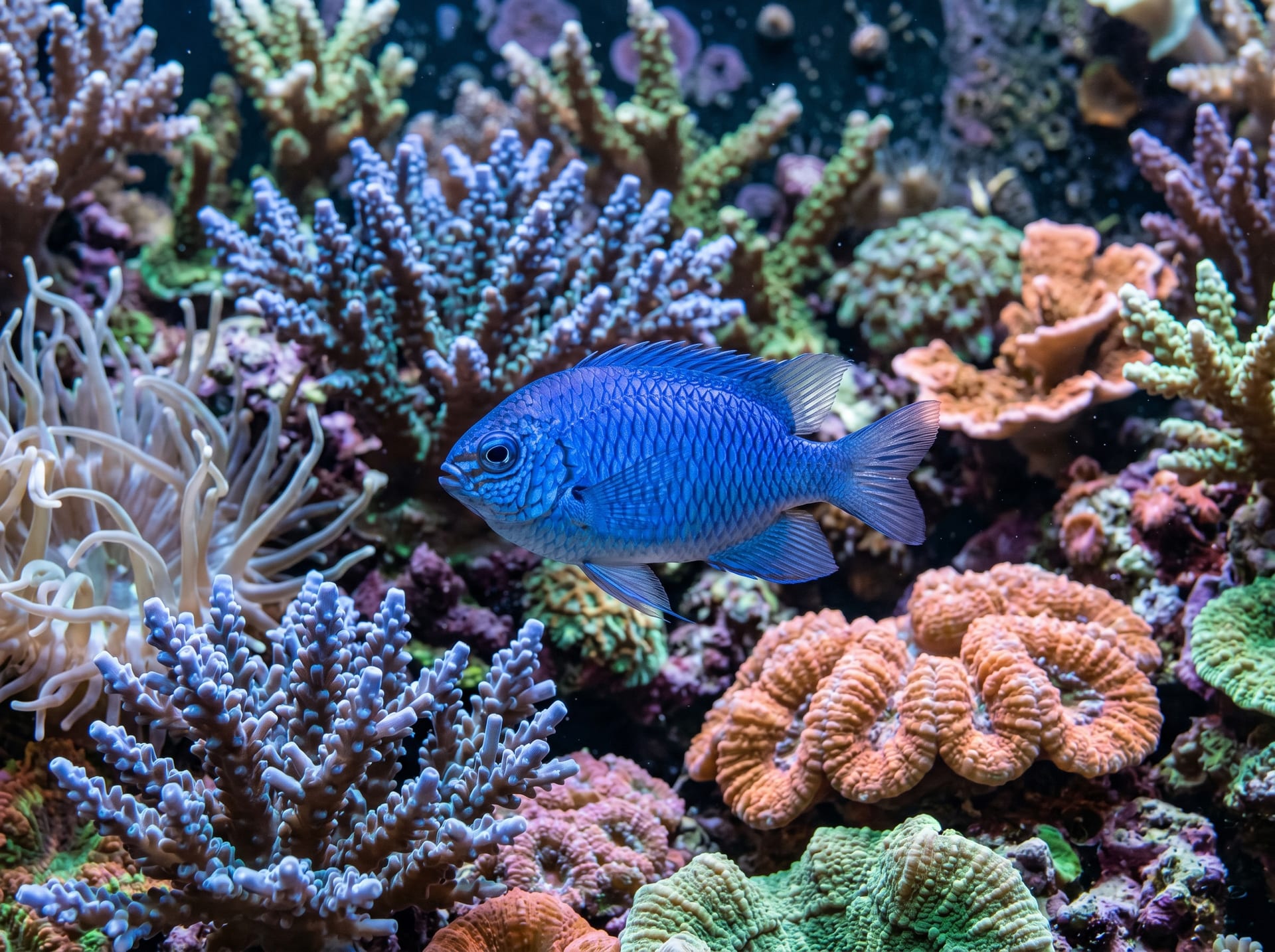
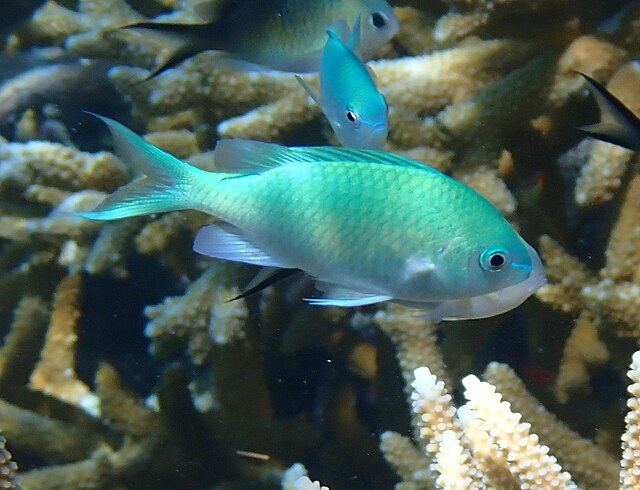
6. Blue Damselfish
A member of the damselfish family with a cool, pale blue body. Relatively peaceful and can be kept in small groups for schooling display. However, consider multiple individuals only if you have a 45cm cube or larger.
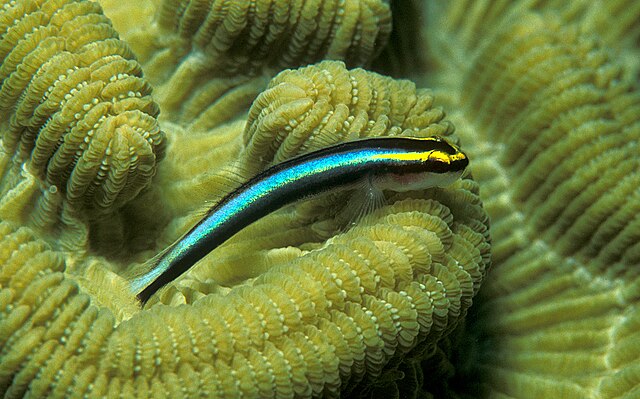
7. Neon Goby
A small goby with a stunning neon blue stripe on a black body. It establishes cleaning stations and can function as a "cleaner fish," eating parasites off other fish.
8. Scarlet Damselfish
A small damselfish that draws attention with its vivid red coloring. Tank-bred individuals reared under breeder management are more peaceful than wild-caught specimens and adapt to aquarium conditions more quickly.
9. Red Spotted Cardinal
A nocturnal, peaceful cardinalfish. It spends the day quietly hidden among rocks and becomes active at night. Its calm movements make it ideal for coral tanks.
10. Bicolor Blenny
Excellent at algae removal and helps maintain the tank as a supporting player. Its comical face is popular with many hobbyists and beginners alike.
Although any single species may be docile on its own, territorial conflicts often arise when multiple individuals of similar types are added. Always carefully assess compatibility before adding new fish.
Risks and Warning Signs of Overstocking
"One more fish shouldn't hurt" can sometimes cause catastrophic collapse of the entire tank. In nano tanks, overstocking carries risks even more severe than in larger systems.
Water Quality Degradation Risk
Ammonia from fish waste is broken down by bacteria into nitrite, and further into nitrate. In overcrowded conditions, this decomposition cycle cannot keep up, and toxic ammonia and nitrite accumulate in the water. Even small amounts are lethal to fish.
Recognizing Signs of Overstocking
Watch for the following symptoms as indicators of overstocking or water quality problems.
Ammonia or nitrite is detected by test kits
Fish gasping at the water surface (sign of oxygen depletion)
Increased "flashing" behavior—fish scraping their bodies on substrate and rocks
Frequent chasing and aggressive behavior between fish
Reduced appetite and fish retreating to corners
If these signs appear, immediate water changes and identification of the cause are necessary. In severe cases, all fish can die overnight.
Water Quality Management in Nano Tanks: Daily Habits Protect Your Tank
In nano tanks with limited water volume, consistent daily care is directly linked to water stability. Keep these points in mind.
Regular Water Changes
The standard practice is to perform 15-20% water changes 1-2 times per week using synthetic seawater. Changing too much at once causes rapid water quality swings, so aim for "small, frequent" changes. Always pre-adjust the synthetic seawater's specific gravity and temperature before adding it.
ATO (Automatic Top-Off) System
Nano tanks are susceptible to evaporation, and specific gravity can rise rapidly. An ATO (Auto Top-Off) device automatically tops off evaporated water with fresh water, making it especially effective for nano tanks. It greatly contributes to specific gravity stability.
High-Performance Protein Skimmers
A protein skimmer is an essential device that removes organic matter as bubbles, critical for water quality maintenance. Many small skimmers designed for nano tanks are commercially available. Combined with regular water changes, this dramatically improves water stability.
Watch for Nitrate Accumulation
Nitrate is relatively harmless but accumulation weakens fish and coral vitality. Regular water changes and absorption using macroalgae (such as Chaetomorpha) are effective.
BreederDirect's Safe and Reliable System
Selecting the right fish for a nano tank requires understanding the condition and individual size of the livestock. BreederDirect is a platform where you can purchase fish directly from breeders. By eliminating middlemen, livestock freshness and health are well-maintained, and transport stress is minimized.
When purchasing, communicate specifically: "I have a 30cm cube tank" or "I want a small individual suitable for a nano tank." Breeders can then suggest individuals that fit your tank size. This greatly reduces the risk of accidentally purchasing fish that will outgrow your nano setup—a major advantage unique to direct breeder sales.
Additionally, tank-bred and captive-bred individuals adapt to aquarium environments more quickly than wild-caught specimens and tend to have lower disease risk. The individuals listed on BreederDirect are all healthy stock raised in carefully managed environments. Because a nano tank is such a delicate environment, purchasing from a trusted breeder is the first step toward long-term success.