Jawfish Care and Burrow Behavior Guide | Substrate Layout Tips
Explore Jawfish burrow-digging behavior and care methods. Learn about proper sand depth, the importance of tank lids, and breeding behavior.
Key Takeaways
Explore Jawfish burrow-digging behavior and care methods. Learn about proper sand depth, the importance of tank lids, and breeding behavior.
Related Species
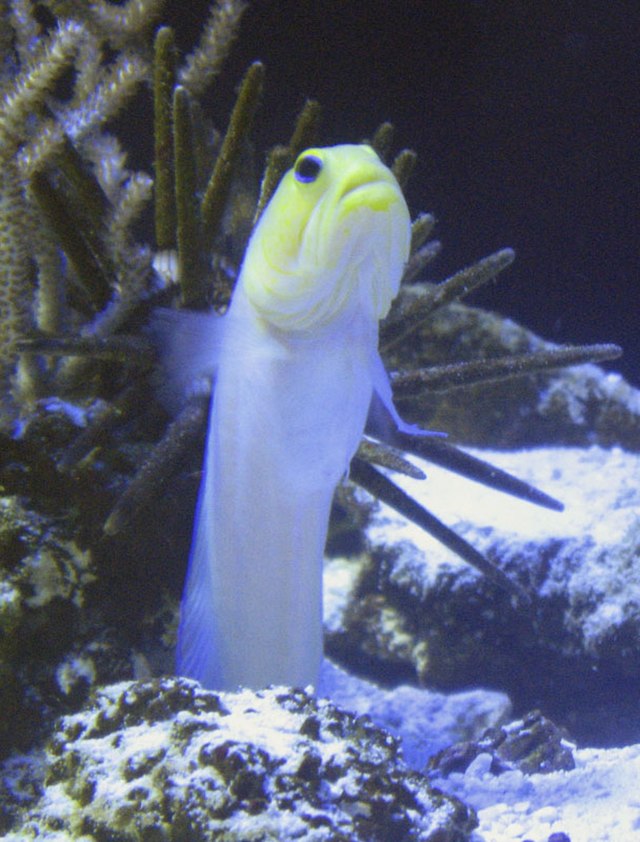
Jawfish are unique marine fish with a fascinating habit of digging burrows in sandy substrates. The charming sight of these fish peeking out from their burrow entrances captivates aquarists worldwide. Furthermore, many hobbyists are enchanted by observing mouthbrooding—the remarkable reproductive behavior where males incubate eggs in their mouths—making Jawfish exceptionally popular ornamental species.
This article covers everything needed to keep Jawfish healthy for many years, from sandy substrate design and the critical importance of tank lids to popular species varieties and breeding behavior, all explained in an easy-to-understand format incorporating the latest knowledge from 2026.
Sandy Substrate Layout | Success Hinges on Proper Substrate Design
The most important aspect of Jawfish care is substrate design. In nature, these fish dig deep vertical burrows in sandy-muddy bottoms and make them their homes. Recreating this burrow-digging environment in your aquarium is key to stress-free, long-term care.
Sand Depth
A minimum sand depth of 10–15 cm or more is essential. Less than this prevents your Jawfish from digging adequate burrows, often resulting in stressed behavior or attempts to burrow into the tank bottom glass, causing scratches. If your tank capacity allows, providing 20 cm of substrate is ideal.
Sand Grain Size and Material
Choosing the right sand is crucial. Sand that is too fine collapses easily, while sand that is too coarse becomes difficult to work with. A blend of coarse sand and coral sand works best, with grain sizes around 1–3 mm serving as an ideal base.
- Coarse sand (1–3 mm): Provides structural stability for the burrow framework
- Coral sand (fine): Creates a smooth interior burrow wall
- Small rocks and shell fragments: Used naturally by the Jawfish as reinforcement
Rubble Utilization
Mixing small coral pieces and shell fragments into the sand allows Jawfish to arrange them at burrow entrances as reinforcement materials. This mirrors their natural behavior and is fascinating to observe. Once the burrow takes shape, you'll see your Jawfish peeking adorably from the entrance in its natural manner.