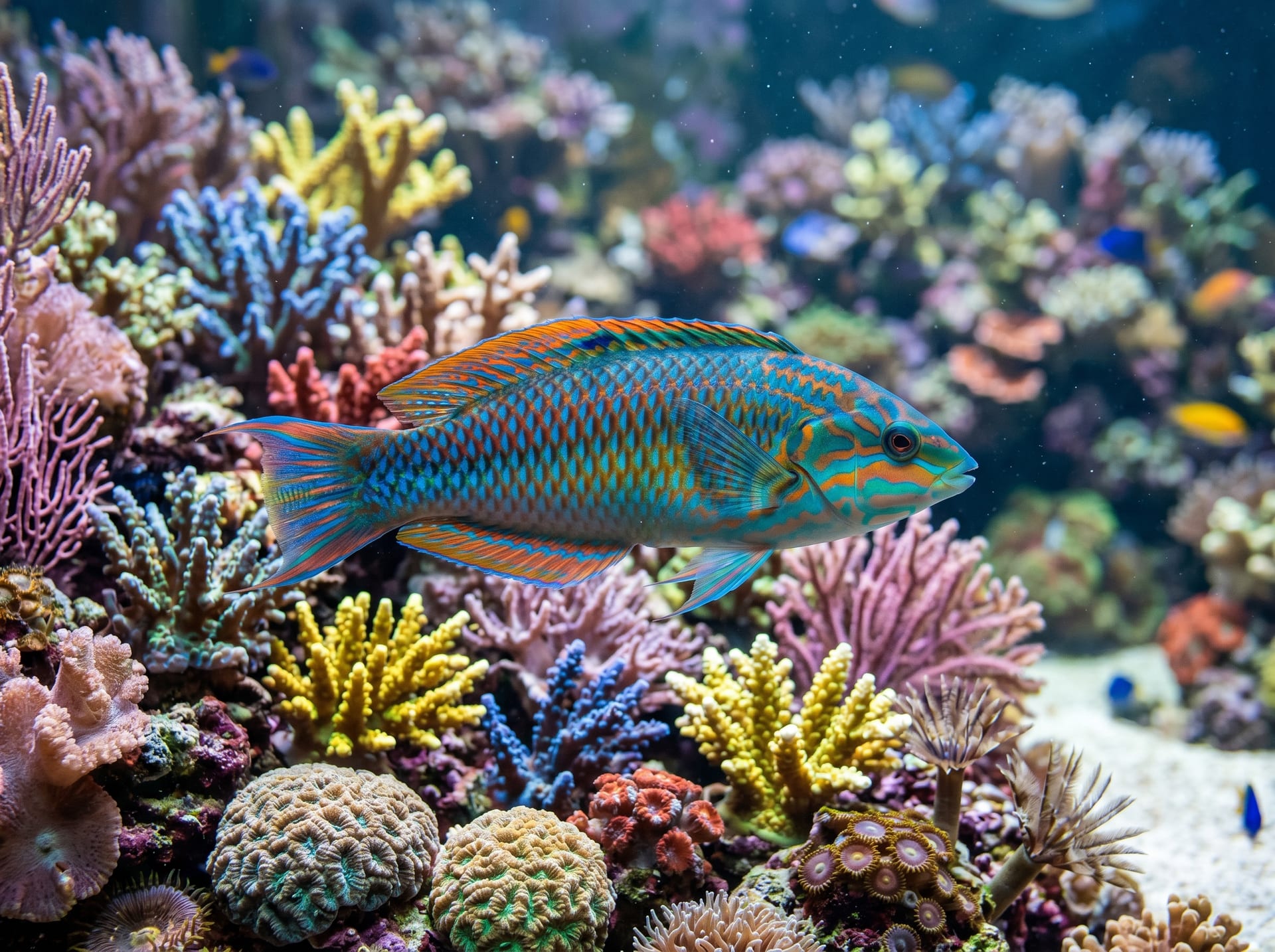
Wrasse Care Guide | How to Choose Popular Species and Deal with Burrowing Behavior
Learn how to care for wrasses (Labridae), popular in saltwater aquariums. This guide compares popular species like Fairy Wrasses and Flasher Wrasses, and introduces strategies for managing burrowing behavior.
Key Takeaways
Learn how to care for wrasses (Labridae), popular in saltwater aquariums. This guide compares popular species like Fairy Wrasses and Flasher Wrasses, and introduces strategies for managing burrowing behavior.
Related Species
Wrasses (Labridae, Wrasse) are a diverse group of marine fish with many species, vibrant colors, and distinctive personalities. Many species are reef-safe (safe for corals), making them popular for adding color to coral tanks. This article introduces popular, easy-to-care-for wrasses and explains care tips, including strategies for managing their distinctive burrowing behavior.
Characteristics and Classification of Wrasses
The Labridae family is one of the largest groups of marine fish, containing over 600 species with sizes ranging from small species just a few centimeters to the Humphead Wrasse exceeding 2 meters. Popular genera kept as pets include the following:
Fairy Wrasses (Cirrhilabrus): Males display exceptionally beautiful breeding colors, and many species are highly collectible
Flasher Wrasses (Paracheilinus): The name comes from the males' "flashing" behavior of rapidly flaring their fins during courtship
Halichoeres
Pseudocheilinus
Most wrasses have the ability to change sex; the largest female in a group can change into a male—a process called sequential hermaphroditism (female-first sex change).
Recommended Beginner-Friendly Popular Species
We introduce recommended species based on care difficulty and availability.
Species
Characteristics
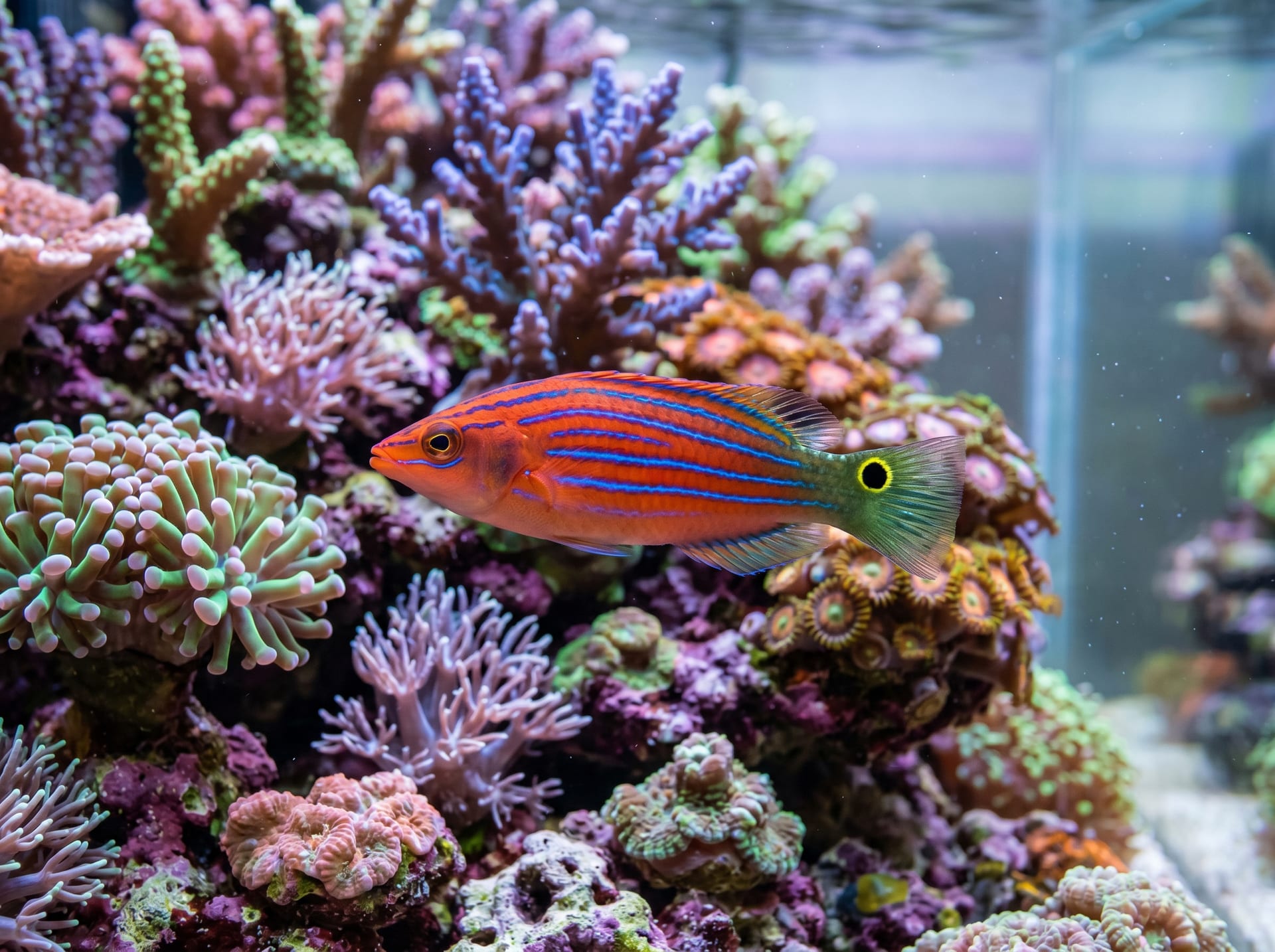
Six-Line Wrasse (Pseudocheilinus hexataenia)
A small species reaching 8 cm maximum with beautiful water-blue and purple stripes, ideal for coral tanks. Acts as a beneficial cleaner fish by eating parasites like flatworms, but is aggressive and should not be housed with the same or closely related species
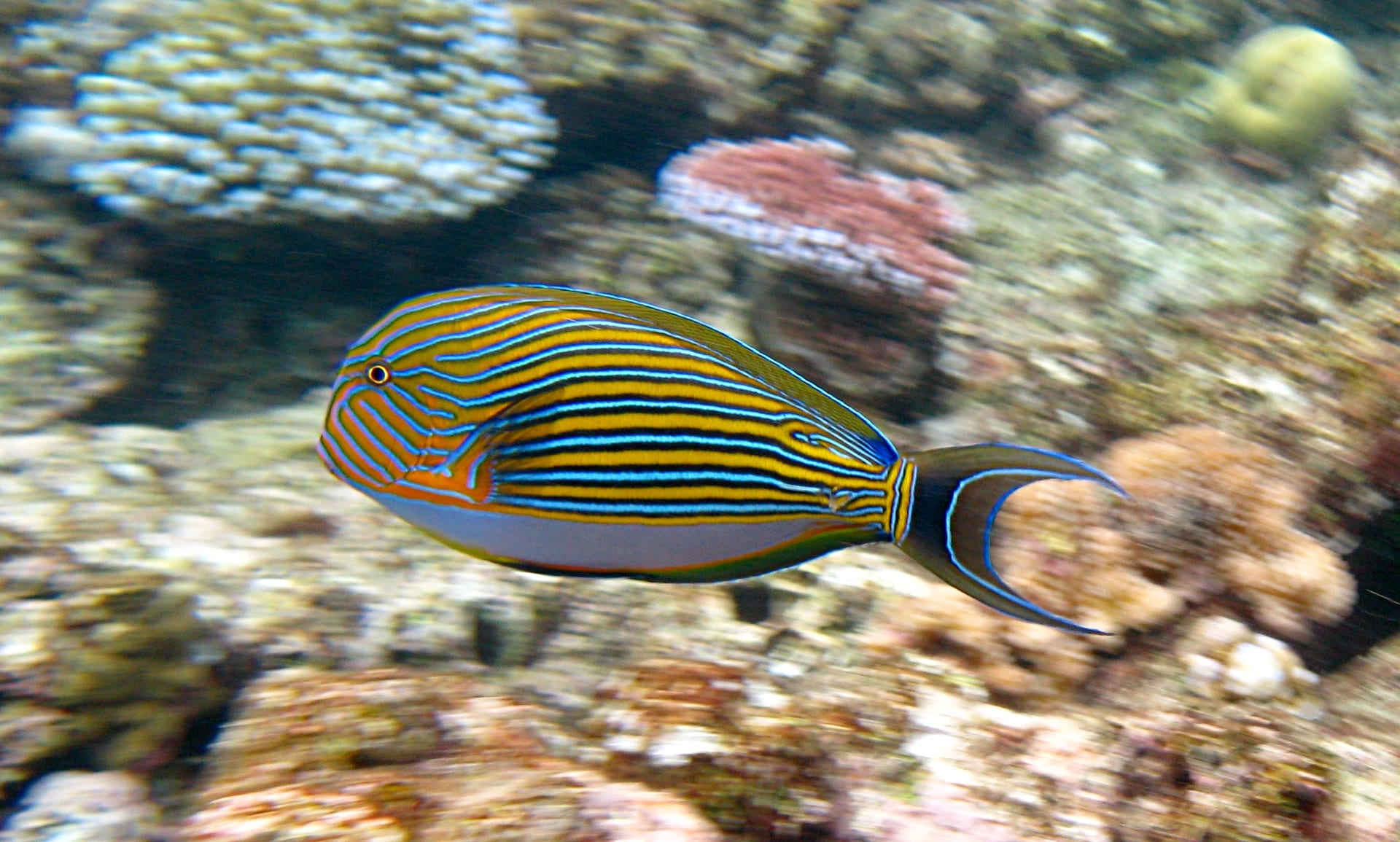
Rainbow Wrasses
✍️
BreederDirect Editorial
The BreederDirect editorial team specializes in care information for animals, covering veterinary care and breeding to deliver beginner-friendly guides.
Find Marine Fish on BreederDirect
Buy directly from verified breeders
Browse Related Listings
Find Marine Fish listings related to this article on BreederDirect. Buy directly from verified breeders.
Hardy and easily fed, making them ideal for beginners
Peacock Wrasse (Cirrhilabrus cyanopleura)
Relatively hardy and readily available among Fairy Wrasses, popular for its beautiful blue-purple coloration
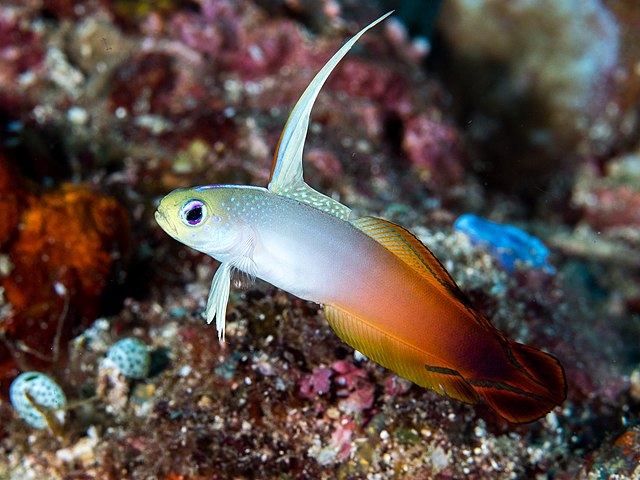
Firefish (Nemateleotris magnifica)
Not a true wrasse but often confused with them; a popular choice for reef tanks
Burrowing Behavior and Sand Selection
Most wrasses have the habit of burrowing into sand at night to sleep. In the wild, this is a behavior to protect themselves from nocturnal predators. This habit remains unchanged in captivity, making sand selection critical. Choose substrate that meets the following conditions:
Grain size: Fine powdery to medium coral sand (0.5–2 mm)
Depth: Ideally 5 cm or more to allow wrasses to burrow completely
Coarse gravel or live rock fragments alone can injure the fish's body
Immediately after introduction, wrasses may remain burrowed in the sand for several days until they acclimate to their new environment, but this is normal behavior. Species that do not burrow (such as Six-Line Wrasses) sleep in crevices of live rock, so sand depth is less critical for them. Note that when wrasses burrow, sand gets stirred up, so arrange your aquarium layout to prevent sand from settling on corals.
Feeding and Tankmates
Wrasses are carnivorous to omnivorous and feed on small crustaceans and benthic organisms in the wild. Their preferred foods in captivity include the following:
Frozen brine shrimp
Frozen copepods
Frozen mysid shrimp
Acceptance of prepared foods varies by species; Rainbow Wrasses adapt relatively easily, but Fairy Wrasses and Flasher Wrasses often prefer frozen foods. Feed 2–3 times daily in small amounts. Wrasses have high metabolisms, and once-daily feeding may result in weight loss.
When housing multiple wrasses, careful attention to compatibility is needed.
Males of the same genus fight aggressively, so one male per tank is the standard
Harem groups can be created with multiple females, but a sufficiently large tank is required
Wrasses prefer eating crustaceans, so it is safer to avoid housing them with shrimp and crabs.
Preventing Jumps and Canopy Solutions
Wrasses have a habit of jumping out of the water when startled or panicked. This is a leading cause of death in captivity, making a canopy essential. The characteristics of different canopy types are as follows:
Canopy Type
Characteristics
Glass cover
Most reliable, but has the drawback of reducing water surface gas exchange
Net cover / perforated acrylic cover
Maintains water surface gas exchange while preventing jumps, making it especially suitable for saltwater tanks
Keep gaps between the cover and tank rim to 5 mm or less to prevent jumps through gaps. Block areas where piping and cables pass through with sponge or cut netting. Jumping is especially likely immediately after introduction, when lights turn on or off suddenly, and during earthquakes, so using a timer to gradually adjust light intensity is also effective.
Complete Care Guide for Wrasses (Labridae)
Wrasses are a popular group in saltwater aquariums, renowned for their vibrant colors and active swimming. However, care difficulty and temperament vary significantly by species, so choose based on understanding species-specific characteristics.
Beginner-Friendly Wrasses
Six-Line Wrasse (Rainbow Wrasse) is the most popular wrasse, a small species (maximum 8 cm) with beautiful blue and yellow stripes. It is hardy, readily accepts food, and benefits the tank by eating parasites like flatworms. However, it can be aggressive toward the same species or closely related species.
Yellow Coris Wrasse is a wrasse with burrowing habits that also benefits the tank by aerating the substrate. It has a docile temperament and is suitable for community tanks, but when startled, it may burrow and not emerge for several days. Use fine coral sand at least 5 cm deep.
Fairy Wrasses (Cirrhilabrus) are medium to large wrasses with delicate, beautiful coloration. They have docile temperaments and are suitable for community tanks, but are somewhat nervous, so provide plenty of hiding places.
General Precautions for Wrasses
A common concern for all wrasses is the high frequency of jumping accidents. They may jump out of the tank when startled or panicked when lights turn off, so a canopy is essential. Additionally, many wrasses burrow into sand at night to sleep, and without sand, they become stressed and cannot settle. Species that burrow must have fine coral sand at least 5 cm deep.
Many wrasses burrow into sand when sleeping, so it is important to provide fine coral sand (1–2 mm) at least 5 cm deep. Without sand, they cannot sleep securely and become prone to disease from stress. Also, tanks without a canopy have a very high rate of jumping accidents, so cover the tank reliably with netting or acrylic panels.
Get High-Quality Wrasses on BreederDirect
Some wrasses are sensitive to transport stress, and newly arrived individuals may be in unstable condition. On BreederDirect, you can directly purchase wrasses in excellent condition that have been properly treated by breeders, and you can check beforehand on feeding status and burrowing behavior. You can also consult with breeders about compatibility with reef tanks, so you can start wrasse care with confidence.