Complete Guide to Wave Makers and Water Flow Pumps in Saltwater Aquariums | Types, Installation, Flow Rate Settings, and Effects on Fish and Corals | ブリちょく
Marine Fish| ✍️ BreederDirect Editorial
Complete Guide to Wave Makers and Water Flow Pumps in Saltwater Aquariums | Types, Installation, Flow Rate Settings, and Effects on Fish and Corals
A comprehensive guide to wave makers and water flow pumps essential for saltwater aquariums, covering types, installation methods, and flow rate settings. Learn optimal water flow design strategies tailored to fish habitats and coral flow requirements.
Key Takeaways
A comprehensive guide to wave makers and water flow pumps essential for saltwater aquariums, covering types, installation methods, and flow rate settings. Learn optimal water flow design strategies tailored to fish habitats and coral flow requirements.
Why Water Flow Is Essential for Saltwater Aquariums
✍️
BreederDirect Editorial
The BreederDirect editorial team specializes in care information for animals, covering veterinary care and breeding to deliver beginner-friendly guides.
Find Marine Fish on BreederDirect
Buy directly from verified breeders
Browse Related Listings
Find Marine Fish listings related to this article on BreederDirect. Buy directly from verified breeders.
In natural coral reefs and rocky shore zones, continuous waves and tidal currents keep water in constant motion. This water flow serves essential roles in oxygen supply, nutrient distribution, waste removal, and stimulation of body surfaces—all vital environmental elements for marine life.
The role of wave makers and water flow pumps is to replicate this in the closed environment of a tank. Without adequate water flow, aquariums suffer from detritus (debris) accumulation, oxygen depletion, nutrient salt retention, and coral polyp extension failure.
Types of Water Flow Equipment
Propeller-Type Wave Makers
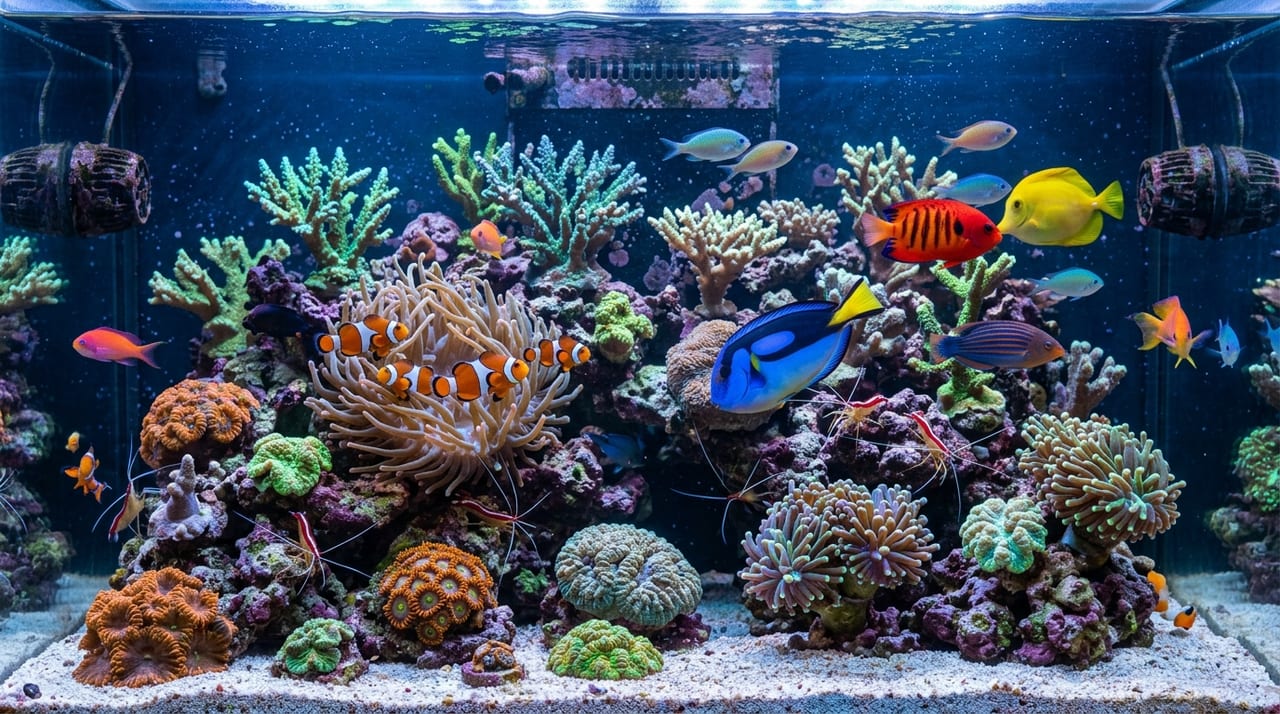
The most widely used type today, propeller-type wave makers use electromagnetic propellers to directly move water. They're thin, compact, and can be installed directly inside the tank to create flow across a wide area. Most products allow controller-based configuration of wave patterns (pulsing, random, or continuous flow). Leading manufacturers include Jebao, Tunze, and EcoTech Marine.
Powerheads (Magnetic Pump Type)
This type is magnetically affixed to the tank and excels at creating strong unidirectional flow. Its simple structure offers high durability and ease of use. It's primarily used for supplementary water flow addition or targeting flow to specific dead spots.
Integration with Sump Pumps (Return Pumps)
In overflow tanks, return pumps that send water back from the sump to the main tank also contribute to water flow. However, return pumps alone cannot adequately cover overall tank circulation, so they are typically used in combination with wave makers.
Controller-Compatible Models
Advanced models can integrate with reef controllers such as Apex (Neptune) and GHL ProfiLux, enabling sophisticated programming including diurnal variation synchronized with photosynthetic cycles and storm mode (high-flow pulses).
Flow Rate Guidelines
Water flow rates are measured in L/h (liters per hour). Appropriate flow rates vary significantly depending on tank purpose and inhabitants.
Fish-Dominant Tanks
A guideline is 5–10 times the tank volume per hour. For example, a 200L tank would need 1,000–2,000 L/h. Most saltwater fish prefer gentle flow, as excessive current depletes their energy.
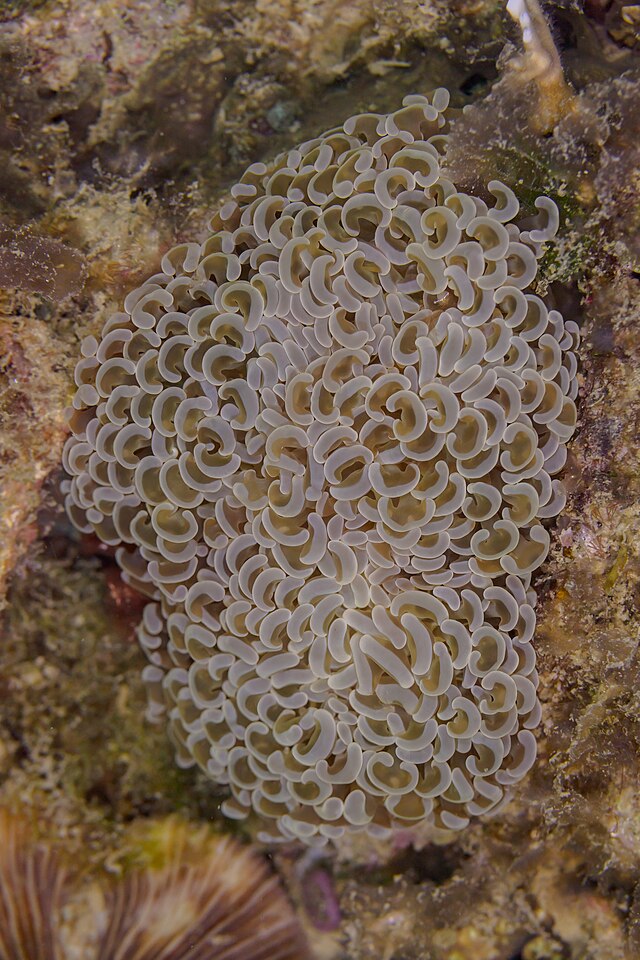
10–20 times the tank volume per hour. LPS corals like Euphyllia (hammer corals) and brain corals prefer moderate to strong flow, but direct forceful currents can cause tissue damage.
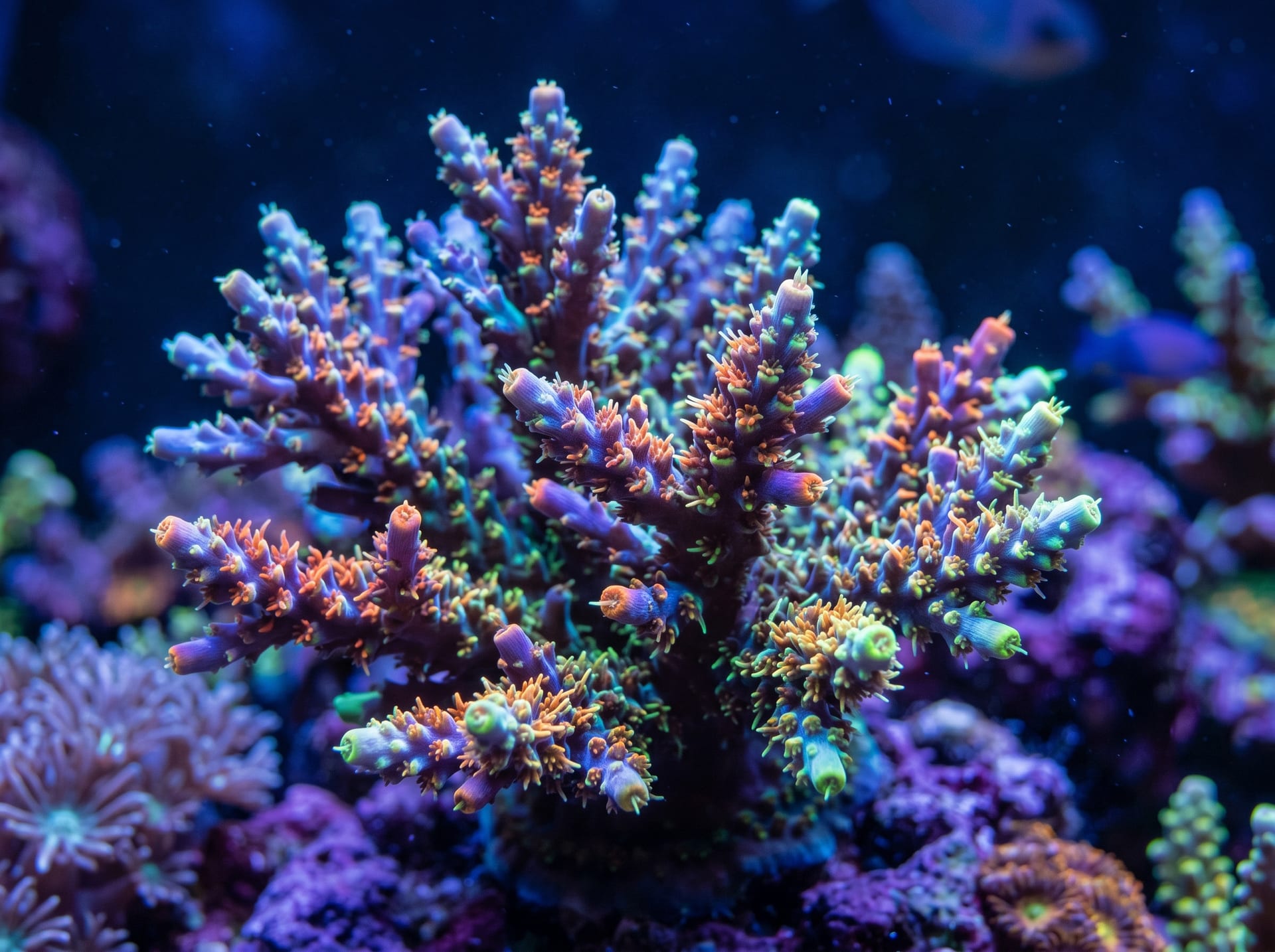
20–40 times the tank volume per hour. SPS species like Acropora require strong turbulent flow. Multidirectional currents prevent detritus accumulation and promote polyp extension.
Installation Position and Flow Patterns
To maximize wave maker effectiveness, installation position is critical.
Opposing Side Installation (Cross-Flow)
Installing wave makers on opposite sides to collide flow in a "cross-flow" pattern creates turbulence similar to natural wave action. This effectively eliminates dead spots where water tends to stagnate.
Utilizing Glass Surface Reflection
By directing flow toward glass surfaces for reflection, you can distribute current while evenly moving the entire tank volume. This technique also prevents direct wave maker jets from hitting corals.
Flow Near the Substrate
In tanks with substrate, gentle flow along the bottom prevents detritus accumulation. However, excessive flow will kick up sand and cloud the water, so careful adjustment is necessary.
Flow Settings by Fish Species
Not all saltwater fish prefer the same water flow.
Fish Species That Prefer Strong Flow
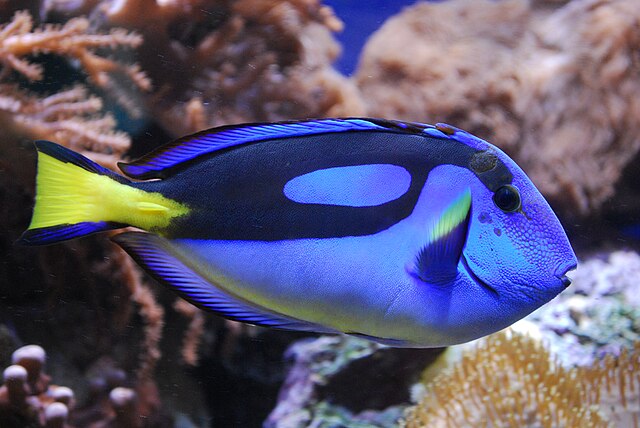
Species like gobies (watchman gobies), groupers, and surgeonfish (blue tangs) prefer moderate to strong flow. Swimming against currents provides exercise and promotes appetite and coloration.
Fish Species That Prefer Weak Flow
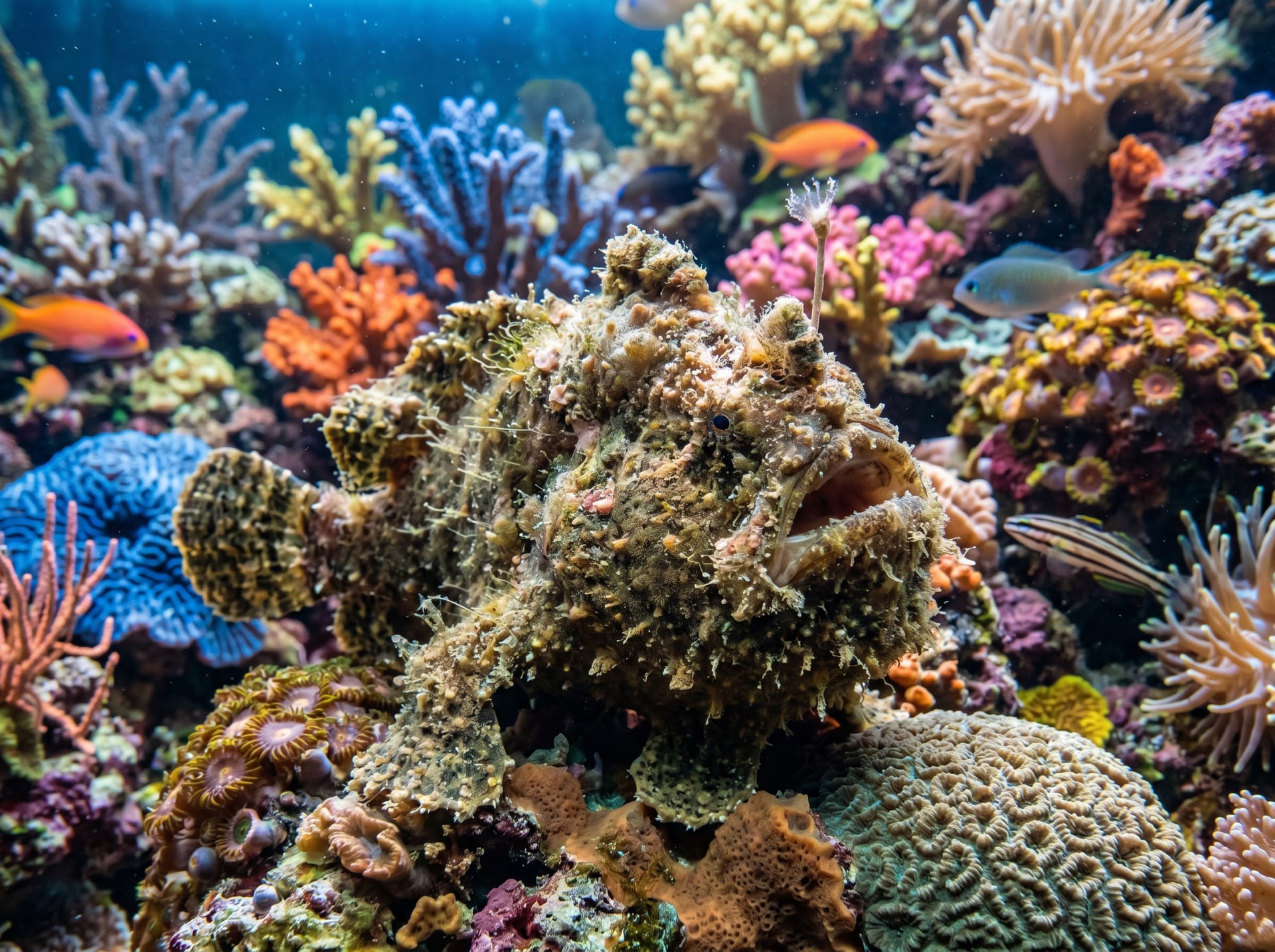
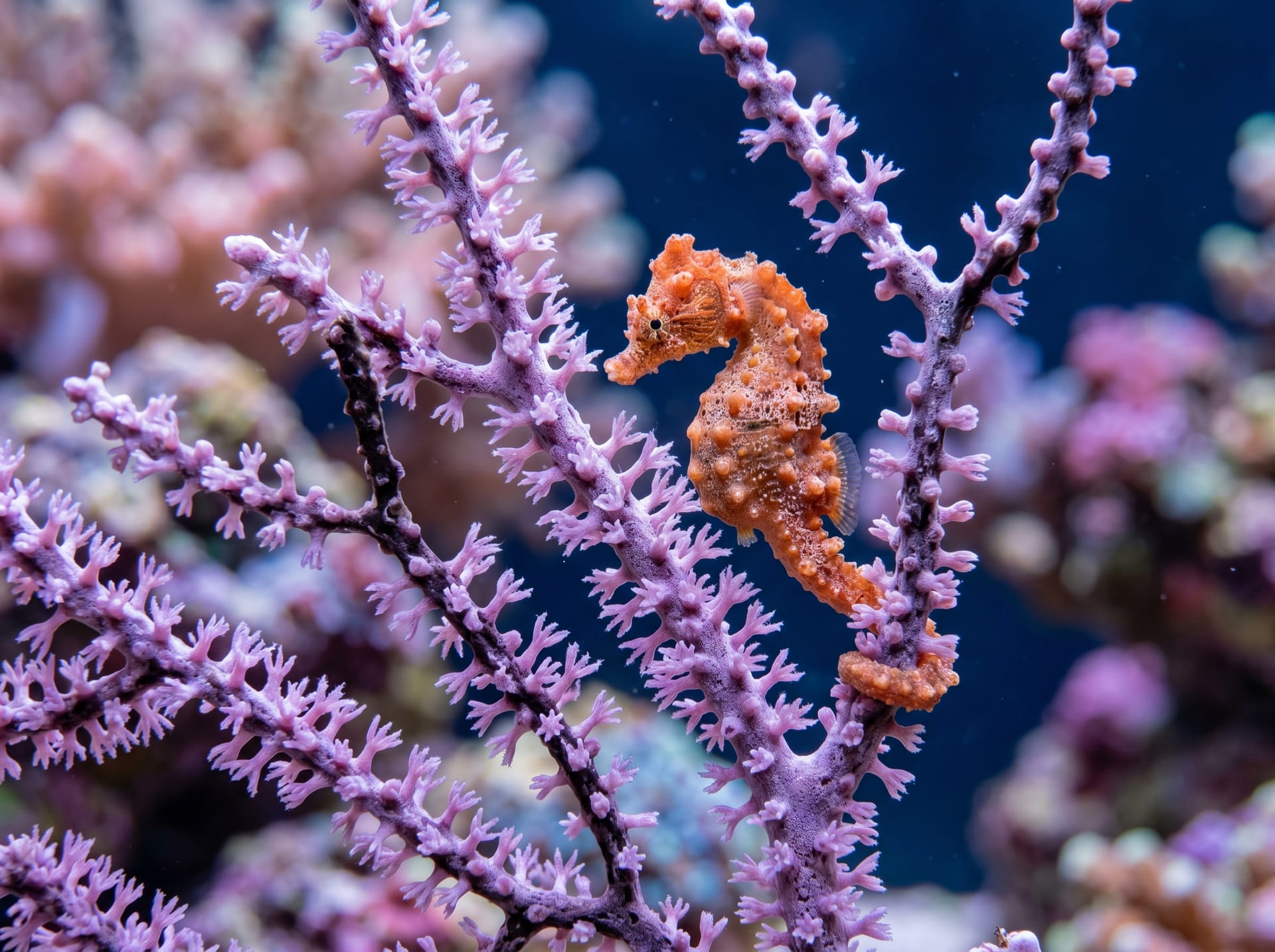
Frogfish, seahorses, and other weak swimmers are exhausted by strong flow. It's important to create shelter zones with gentle current.
Creating Flow Dead Zones (Low-Flow Areas)
By intentionally creating both high-flow and low-flow zones, fish can select areas matching their preferences. Uniform strong flow throughout is not ideal.
Maintenance and Precautions
Regular Cleaning
Propeller-type wave makers accumulate algae and detritus around the propeller and shaft, reducing flow and causing motor failure. The standard practice is to remove and clean them every 2–4 weeks using citric acid solution.
Risk of Organism Entrapment
Damaged or missing propeller guards can cause small organisms like cleaner shrimp and fry to be caught in the propeller. Prevent this by using foam guards or careful placement.
Power Outage and Malfunction Response
When water pumps stop, oxygen supply in the tank drops, risking fish and coral asphyxiation. It's recommended to use redundant power supply (UPS) or install multiple units so others continue operating if one fails.
Summary
Wave makers and water flow pumps are fundamental equipment in saltwater aquariums, equally important as lighting and filtration. By selecting appropriate types, flow rates, and installation positions, you achieve three key benefits: maintaining fish health, promoting coral polyp extension, and stabilizing water quality. Build an optimal water flow design matched to your tank inhabitants and size.