Complete Guide to Refugium Setup and Utilization | Macroalgae, Plankton, and Water Stability
Explains refugium mechanics, how to choose macroalgae, lighting cycles, water quality stabilization effects, and DIY installation methods.

Key Takeaways
Explains refugium mechanics, how to choose macroalgae, lighting cycles, water quality stabilization effects, and DIY installation methods.
Related Species
A refugium is a system that creates a designated area in a sump (filter tank) or external container to cultivate macroalgae, stabilizing water quality through natural purification. It achieves natural filtration without relying on chemical filter media and serves as a breeding ground for plankton, enriching the ecosystem of the main tank. This article explains refugium mechanics, installation methods, and management tips in detail.
What is a Refugium?
The refugium derives its name from the English word "Refuge," and is a system that cultivates macroalgae and microorganisms in an isolated compartment separate from the main tank. Originally designed as a "refuge" for plankton and microorganisms, today its water purification effects are the most notable benefit.
- Basic Mechanism: As seawater flowing from the main tank into the sump passes through the refugium compartment, macroalgae absorb nitrates and phosphates from the water as nutrients. The cycle of purified water returning to the main tank is the core principle.
- Natural Filtration Principle: Macroalgae grow through photosynthesis, absorbing nitrogen compounds (nitrates) and phosphorus (phosphates) from the water in the process. By periodically thinning out the macroalgae, these nutrients can be physically removed from the tank.
- Plankton Breeding Ground: The dense macroalgae within the refugium serve as a breeding ground for microorganisms such as copepods (copepod crustaceans) and amphipods (amphipod crustaceans). These flow into the main tank and become natural food for fish and corals.
- pH Stabilization: Macroalgae photosynthesis consumes CO₂, raising pH. By illuminating the refugium at opposite times (nighttime) to the main tank, the nighttime pH drop can be suppressed.
- Enhanced Biodiversity: The refugium becomes a treasure trove of microfauna (microorganisms), increasing biodiversity in the entire tank system. This directly contributes to long-term tank stability.
A refugium is equipment that's "nice to have but not strictly necessary" for aquarium keeping. However, implementing one significantly improves water quality stability, and the benefits are particularly substantial for coral tanks.
Choosing Macroalgae
The choice of macroalgae for your refugium depends on your goals and ease of management. Here are some representative macroalgae and their characteristics.
- Chaetomorpha (Chaetomorpha linum): The most popular refugium macroalgae. Green and thread-like or spherical in form, it grows quickly and has a high nitrate absorption capacity. Easy to manage and unlikely to invade the main tank, making it ideal for beginners.
- Caulerpa (Caulerpa lentillifera): Green spherical segments arranged like grape clusters. High ornamental value and fast growth. However, Caulerpa species carry the risk of "sexual reproduction" where they die en masse during changing conditions.
- Caulerpa prolifera: A beautiful macroalgae with feathery leaves. Fast-growing with high nitrate absorption ability. Sexual reproduction risk exists but can reportedly be prevented by maintaining 24-hour lighting.
- Red Gracilaria Algae: A red macroalgae with somewhat slower growth but adequate nutrient absorption. No risk of sexual reproduction like Caulerpa, allowing for stable management.
- Selection Tips: Chaetomorpha is strongly recommended for beginners. It grows quickly, is easy to manage, and has minimal negative impact on the main tank. If aesthetics are important, Caulerpa is also a viable option.
Since macroalgae absorb nutrients as they grow, regular thinning (trimming) is necessary. The trimmed macroalgae can be discarded or used as food for herbivorous fish such as surgeonfishes.
Setting Up the Lighting Cycle
Lighting management for your refugium is crucial for maximizing water quality stabilization effects.
- Reverse Light Cycle: The refugium is illuminated at night when the main tank's lights are off, and turned off during the day when the main tank is lit. This prevents nighttime pH drops.
- pH Stabilization Mechanism: At night, tank inhabitants release CO₂, causing pH to drop. By having the refugium's macroalgae consume CO₂ through photosynthesis during this period, pH fluctuation can be reduced by approximately 0.1 to 0.3 units.
- 24-Hour Lighting: Some aquarists keep their refugium illuminated 24 hours a day. While this is said to be effective at preventing Caulerpa sexual reproduction, some argue that macroalgae also need rest periods.
- Lighting Intensity: Refugium lighting doesn't need to be high-output. A 5,000–7,000K warm-toned LED (containing wavelengths suitable for growth) is sufficient. Commercial LED lights designed specifically for refugiums are available at reasonable prices.
- Adjusting Lighting Duration: With reverse light cycling, it's standard to turn on the refugium lights when the main tank lights turn off, and turn off the refugium lights one hour before the main tank lights turn on.
Always automate lighting switches using programmable timers or smart plugs. Manual daily switching is not practical.
Actual Water Quality Stabilization Effects
The water quality improvement effects of a refugium are confirmed both scientifically and in practice. Let's look at what level of improvement can realistically be expected.
- Nitrate Reduction: A properly managed refugium can reduce nitrate by approximately 5–15 ppm. However, in overstocked tanks, achieving zero nitrate with a refugium alone is difficult. Combining water changes and biopellets is more realistic.
- Phosphate Reduction: Macroalgae also absorb phosphorus, providing phosphate reduction benefits, though less dramatic than nitrate reduction. It's appropriate to consider the refugium as a supplementary tool to GFO (granular ferric oxide).
- pH Stabilization Effect: With reverse lighting, nighttime pH drops can be suppressed by approximately 0.1 to 0.3 units. Smaller pH fluctuations reduce stress on corals and fish.
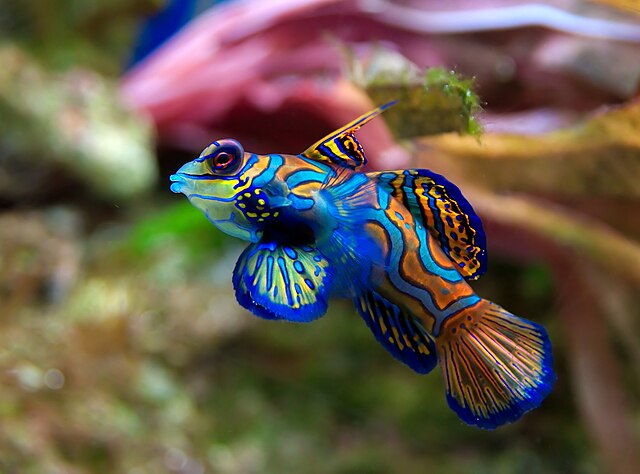
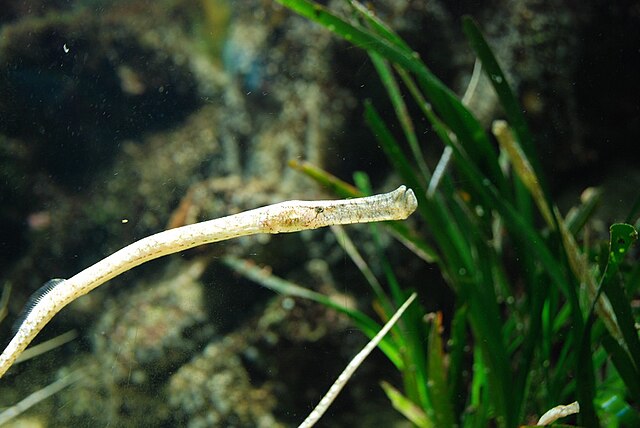
- Natural Plankton Supply: Copepods and amphipods bred in the refugium flow into the main tank, serving as natural food for small fish and corals. This is particularly beneficial for planktivorous fish such as mandarin fish (dragonet) and pipefish.
- Maximizing Effectiveness: The ideal refugium volume is 10–20% or more of the main tank. The greater the macroalgae biomass, the higher the purification capacity, and regular thinning maintains active macroalgae growth.
DIY Installation Methods
There are two main methods for installing a refugium: utilizing an existing sump or installing a new external unit.
- In-Sump Refugium: Creating a compartment within an existing sump using a divider, then installing macroalgae and lighting. This is the most common method with minimal additional cost and works well if sump space is available.
- External Refugium: Installing a dedicated container (aquarium or plastic container) next to the main tank or sump. Effective when sump space is limited or when a larger refugium is desired.
- Hang-On Refugium: A small unit that hangs on the back of the tank. Allows refugium installation even without a sump system. Commercial options exist but have limited capacity.
- Required Materials: Container (divider or external tank), LED lighting for refugium, macroalgae (Chaetomorpha recommended), small pieces of live rock or coral sand (for microbial colonization), small pump (for external setups).
- Installation Steps: Prepare the container and add a thin layer of coral sand to the bottom. Place several small pieces of live rock. Add macroalgae and install lighting. Adjust positioning for appropriate water flow and set the lighting timer to complete setup.
For external refugiums, circulation by pump is necessary. A sump-to-refugium lift-and-return-by-gravity system is safest. It's important to design the system to minimize water overflow in case of pump failure.
Daily Refugium Maintenance
Refugium maintenance is relatively straightforward, but neglect can reduce effectiveness and cause problems.
- Thinning Macroalgae: Hand-thin overgrown macroalgae every 2–4 weeks. Aim to remove about one-third of the total. Always retain some macroalgae as removing everything eliminates purification capacity.
- Lighting Management: Refugium LEDs also experience declining light output with age. If macroalgae growth slows, consider replacing or upgrading your lighting.
- Detritus Accumulation Check: Excessive detritus buildup on the bottom negatively impacts water quality. Periodically remove it using a siphon or small tube.
- Microbial Observation: Using a magnifying glass or macro lens, you can observe copepod and amphipod reproduction. Abundant microorganisms are evidence that your refugium is functioning well.
- Water Flow Check: If flow is too weak, nutrient-rich water won't adequately reach the macroalgae. If too strong, macroalgae can be torn apart. Gentle but non-stagnant flow is ideal.
Finding Fish for Your Refugium-Equipped Tank at BreederDirect
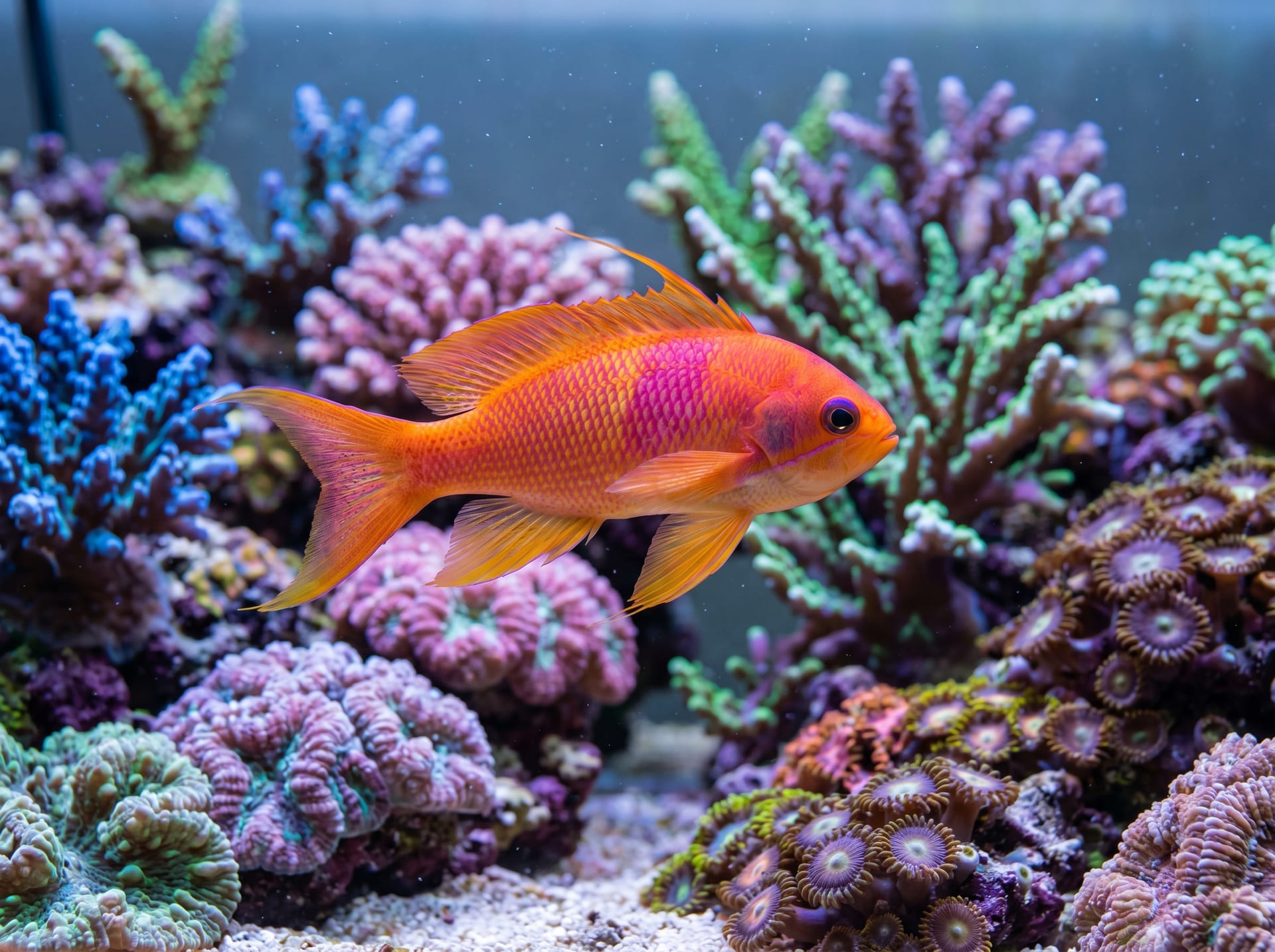
A marine tank equipped with a refugium becomes an ideal environment for keeping a more diverse variety of marine fish, thanks to abundant plankton and stable water quality. At BreederDirect, you can purchase healthy, beautiful marine fish directly from trusted breeders. Fish such as mandarin fish that fully benefit from a refugium, or fairy basslets that display vibrant coloration in stable water conditions, can be selected in consultation with breeders to find the perfect fit for your tank.