Frogfish Care Guide | How to Enjoy Masters of Camouflage in Your Aquarium
A guide to caring for frogfish, masters of camouflage. We introduce beginner-friendly information on appropriate tank size, feeding, compatibility with live rock, and important tankmate conditions for these unique-looking frogfish with their stationary habits.
Key Takeaways
A guide to caring for frogfish, masters of camouflage. We introduce beginner-friendly information on appropriate tank size, feeding, compatibility with live rock, and important tankmate conditions for these unique-looking frogfish with their stationary habits.
Related Species
What Kind of Fish is a Frogfish?
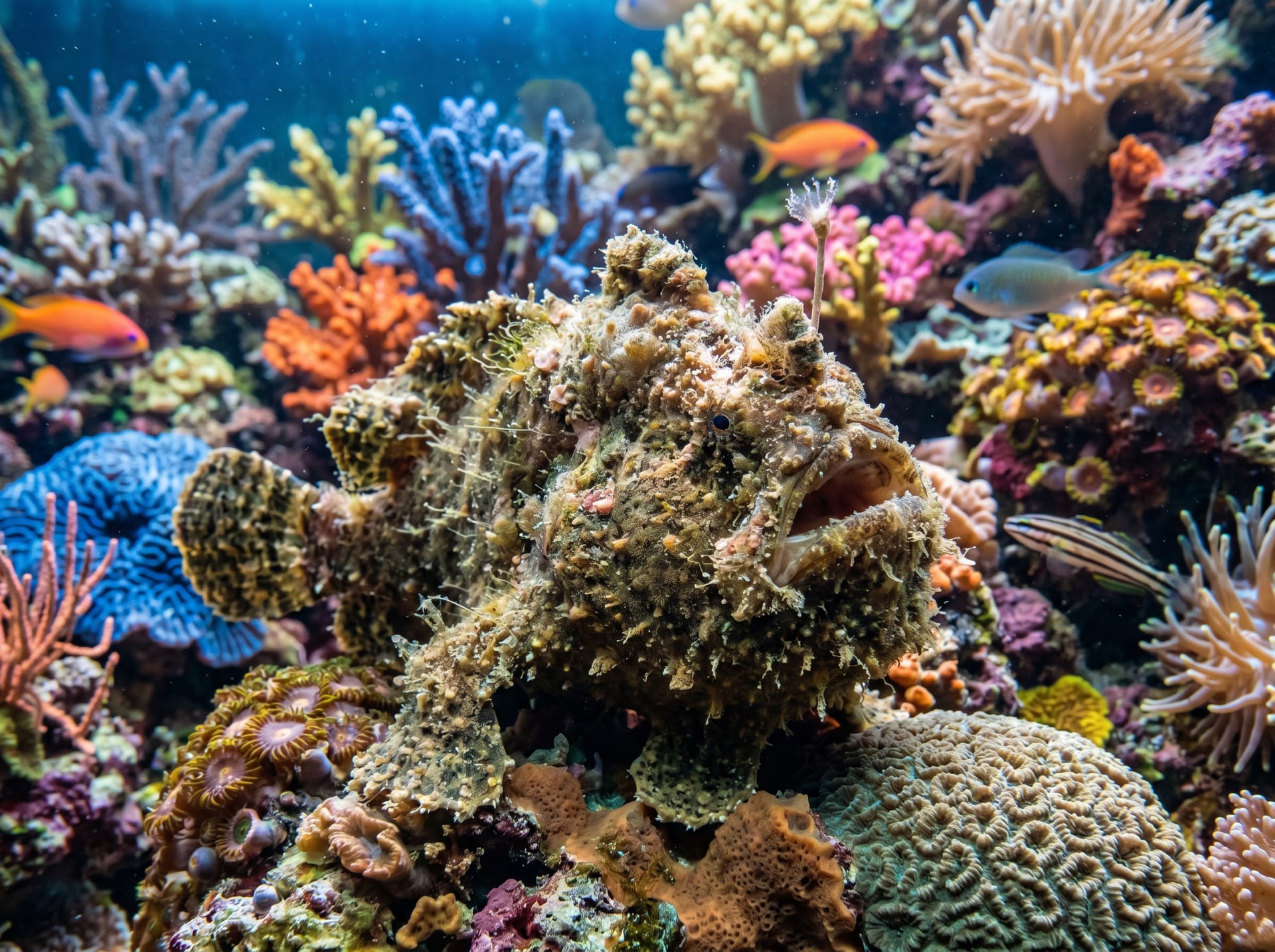
Frogfish (English name: Frogfish) is a general term for marine fish belonging to the order Antennariidae. As the name suggests, their frog-like appearance and remarkable camouflage ability to change their body color and shape to match their surroundings are their most distinctive features. They are one of the most unique ornamental fish among marine species and are also called "living artwork."
Basic Data (Using Rosy Frogfish as an example)
- Body length: Approximately 2-15 cm (varies greatly depending on species)
- Lifespan: Generally 1-2 years in captivity (a short-lived fish, with a maximum of about 4-5 years)
- Diet: Strictly carnivorous (ambush predator)
- Swimming method: Uses their pectoral fins like "hands" to walk along rocks
- Distinctive organ: The modified first dorsal fin on their head functions as a lure, serving as a pseudobait (esca)
Main Species Available in Japan
| Species | Body Length | Characteristics |
|---|---|---|
| Rosy Frogfish | 5-8 cm | Vibrant orange/red color. Most popular |
| Painted Frogfish | 5-15 cm | Significant color variation. High individual variation |
| Hairy Frogfish | 8-15 cm | Has protrusions on body (fleshy protrusions) that provide rock-like camouflage |
| Spotted Frogfish | 3-8 cm | White with black markings. Small and easy to care for |
Required Tank Size for Keeping Frogfish
Frogfish move little and live attached to rocks, so they can be kept in relatively small tanks.
| Species Size | Minimum Tank Size |
|---|---|
| Small species (up to 8 cm) | 30-45 cm (30-50 L) |
| Medium species (8-15 cm) | 60 cm (60 L) |
| Large species (15 cm or larger) | 90 cm (100 L or more) |
However, smaller tanks make water quality management more difficult. A 60 cm tank is recommended for beginners as it is easier to maintain stable conditions.
Tank Layout
Frogfish prefer places to hide themselves.
- Live rock: Stack multiple pieces to create gaps. The frogfish's camouflage looks striking against them
- Soft corals or sea anemones: The frogfish may attach to those with similar body colors (confirm compatibility before introducing)
- Avoid strong water currents: Frogfish are not strong swimmers, so excessive water flow becomes a source of stress
Feeding (The Greatest Challenge)
The most difficult aspect of keeping frogfish is feeding. In the wild, they are ambush predators that move their own "pseudobait (lure)" to attract prey.
Predatory Behavior in the Wild
Frogfish move the pseudobait (esca) at the end of the modified spine (illicium) on their head in movements similar to small fish to attract prey, then open their mouths instantaneously to suck them in. The speed at which they open their mouths is 2.1 milliseconds, one of the fastest predatory behaviors among vertebrates.
Types of Food and Acclimation Methods
Start with live food In the early stages of keeping frogfish, most individuals will only eat live small fish or small shrimp.
- Small hermit crabs / small crabs
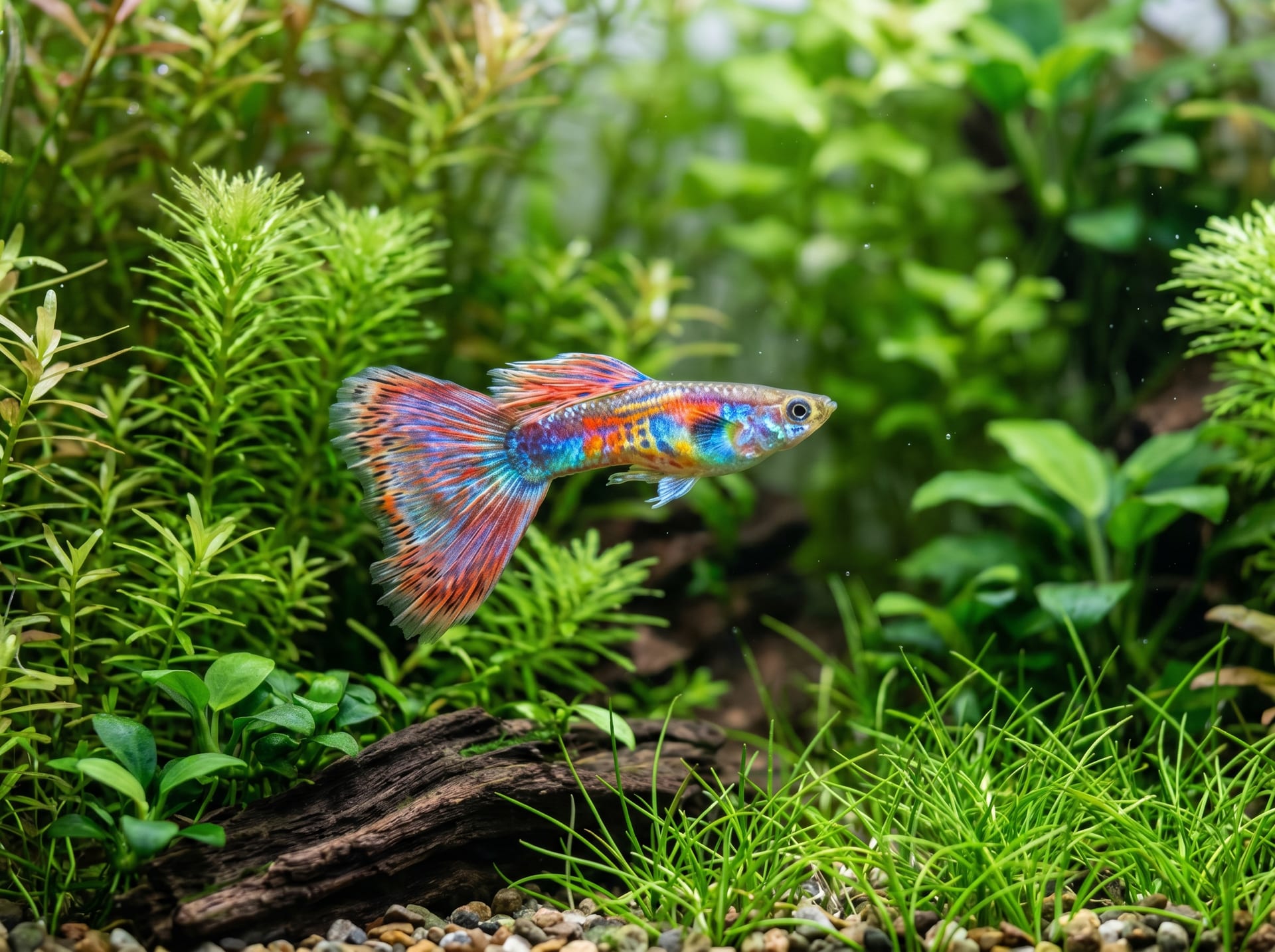
- Live small fish (guppies, isaza shrimp, etc.)
- Live shrimp (small saltwater shrimp)
Transition to frozen or dead food Long-term care requires a transition to frozen or dead food due to the difficulty of constantly sourcing live food.
- Attach frozen white shrimp or small fish to a thin transparent thread (fishing line or tweezers)
- Move it back and forth in front of the frogfish (dance it)
- Offer it when predatory behavior appears
Depending on the individual, the transition may take several weeks to several months. It is important to be patient and not rush the process.
Feeding frequency For adults, 2-3 times per week is a guideline. Frogfish take time to digest, so feeding them daily can cause obesity or appetite loss.
Dealing with Appetite Loss
Appetite loss (not eating food) can occur due to unfamiliar environments, transport stress, sudden changes in lighting, etc.
- Leave them undisturbed in a quiet environment for 2-3 days
- Recheck water quality and temperature
- Add a small amount of live food (small shrimp, hermit crabs) and observe
- If appetite loss continues for more than a week, consult a veterinarian or specialist shop
Important Tankmate Considerations
Frogfish are powerful ambush predators with larger mouths than their appearance suggests.
What should NOT be kept with them
- All fish, shrimp, and mollusks the same size as or smaller than their body length: They will definitely be eaten
- Other frogfish: They may prey on each other (especially if there is a size difference)
What CAN be kept with them
- Fish clearly larger than themselves (however, combining with fish that swim aggressively may become a source of stress)
- Sea urchins and starfish (generally not prey items)
In practice, single-species housing is safest and recommended. Consider that microorganisms and small creatures on live rock may be eaten, and carefully determine your tank composition.
Body Color Change
Even the same individual frogfish can change color significantly depending on their environment, condition, and stress level.
- Healthy individuals: Vibrant body color that changes to match the color of live rock or substrate
- Stress or poor health: Body color becomes pale or dark
- Just before predation: Body color matches surroundings more precisely for camouflage
Body color change is also a barometer of health, so daily observation is important.
Water Quality Management
Frogfish follow general marine fish water quality requirements.
| Parameter | Target Value |
|---|---|
| Temperature | 24-26°C |
| Specific gravity | 1.025-1.026 |
| pH | 8.1-8.3 |
| Ammonia/Nitrite | 0 ppm |
| Nitrate (NO₃) | 20 ppm or less |
Frogfish themselves are relatively tolerant of water quality fluctuations, but maintain good water quality to support the organisms in live rock. A 15-20% water change once per week is standard.
Summary
Frogfish are unique marine fish often called "living artwork in your aquarium." Their camouflage, hunting with lures, and frog-like walking movements are unparalleled behaviors that provide endless observation enjoyment. While there is a high hurdle of feeding, once they start eating frozen food, maintenance becomes relatively simple. Enjoy a unique aquarium life with frogfish by following these three key points: single-species housing recommended, feeding 2-3 times per week, and maintaining good water quality.