Clownfish and Sea Anemone Symbiotic Care Guide
A detailed guide to the environment, compatible pairings, introduction procedures, and troubleshooting for symbiotic care of clownfish and sea anemones.

Key Takeaways
A detailed guide to the environment, compatible pairings, introduction procedures, and troubleshooting for symbiotic care of clownfish and sea anemones.
Related Species
What Clownfish and Sea Anemone Symbiosis Is
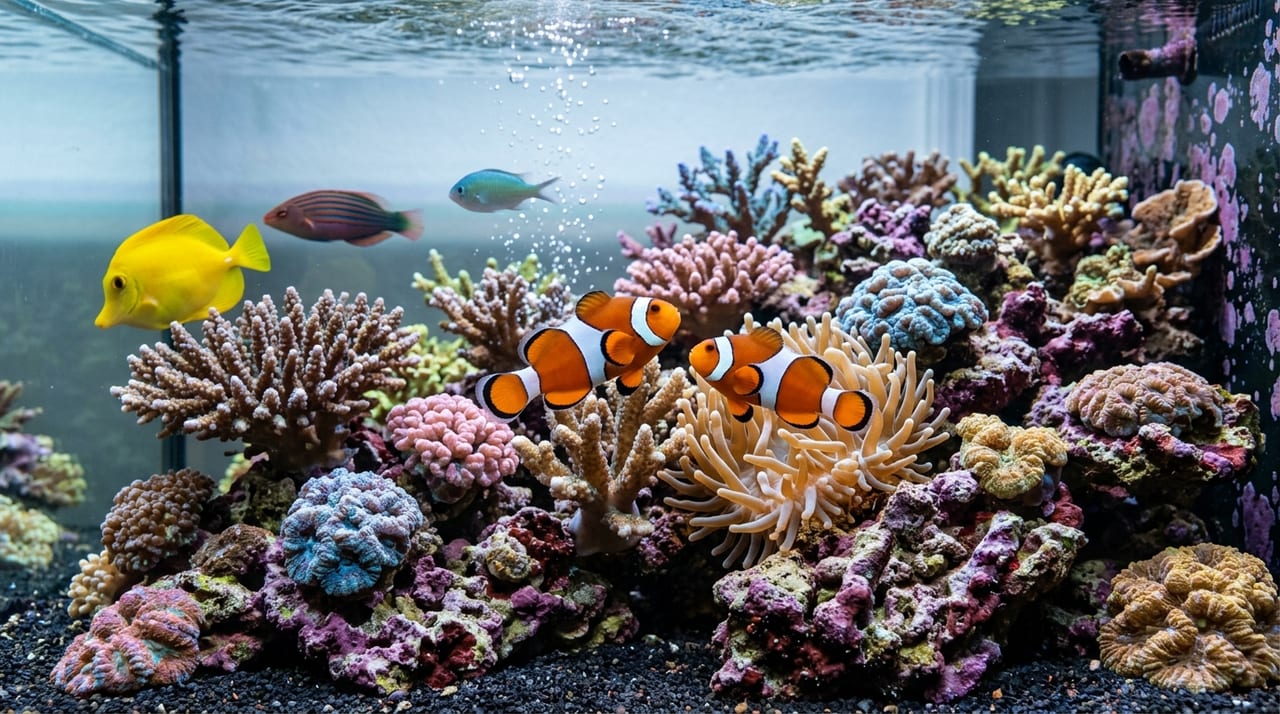
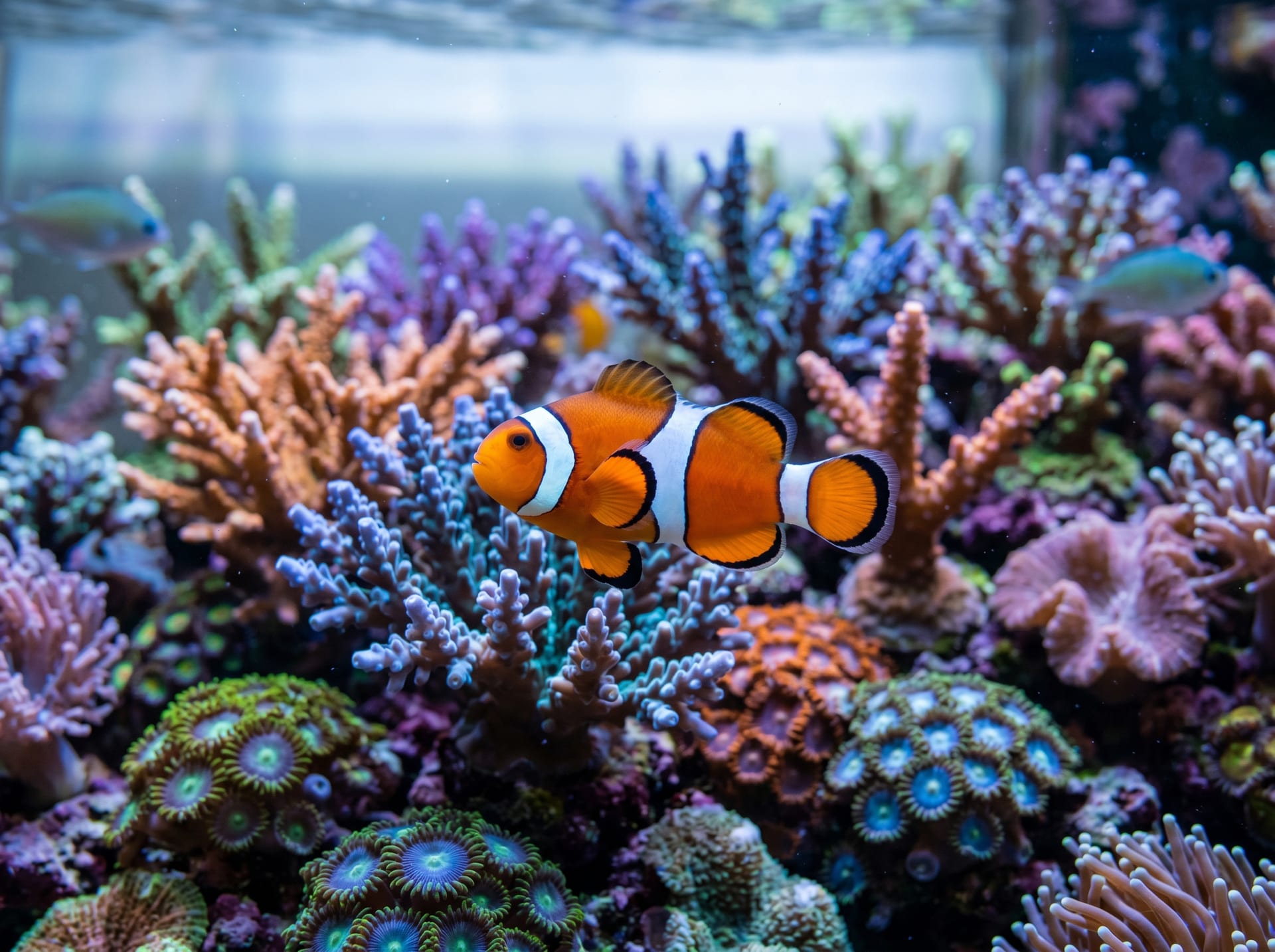
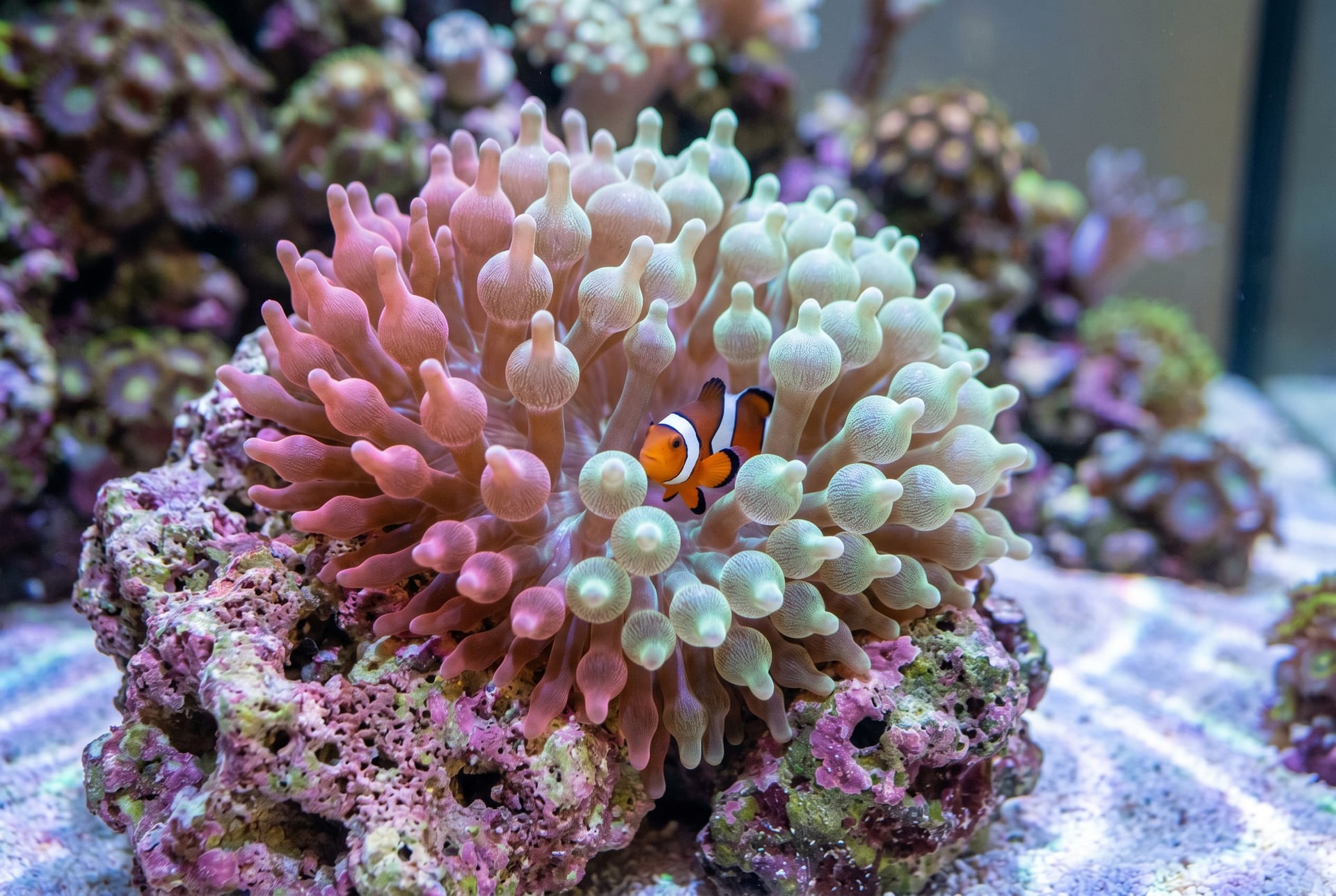
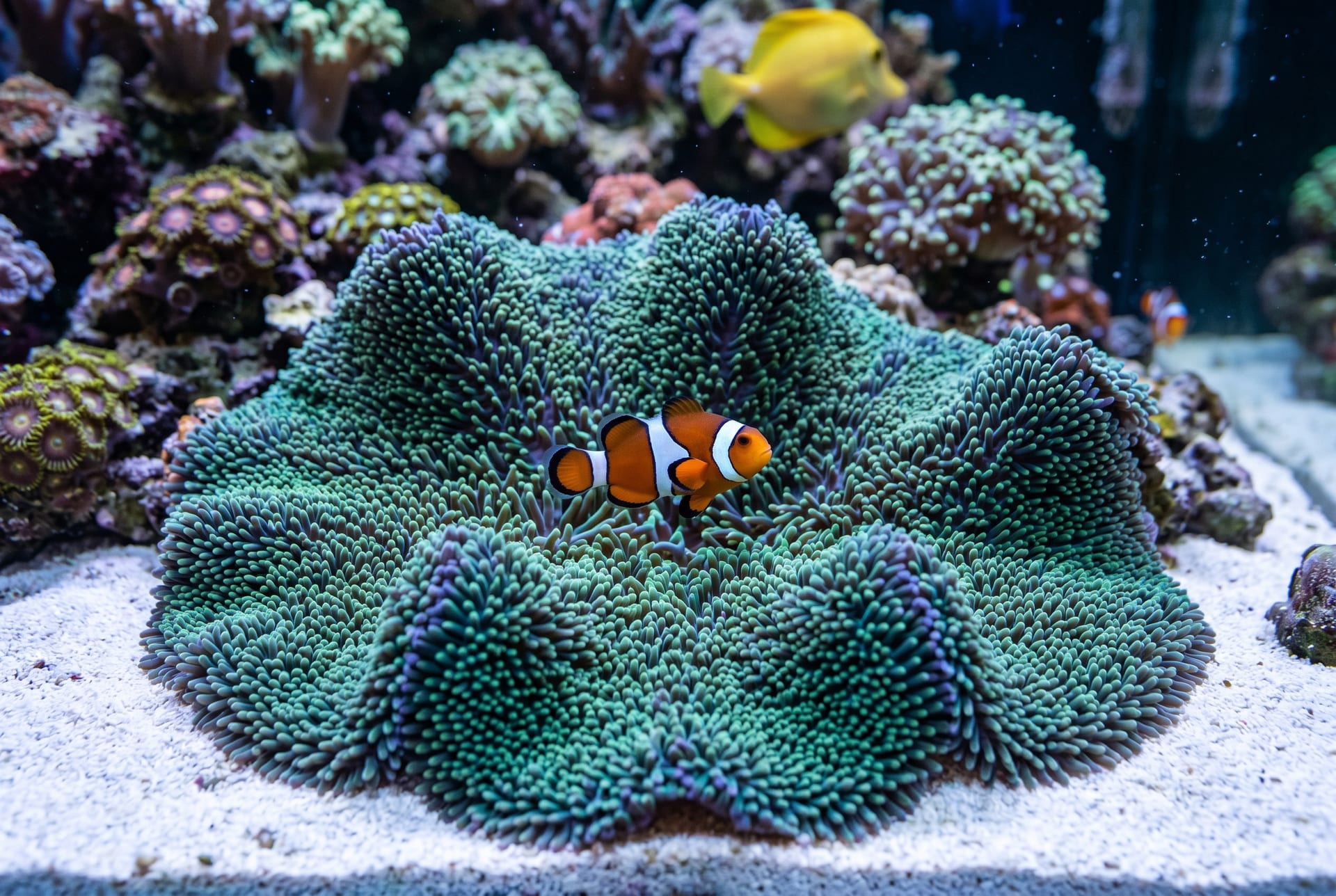
The sight of clownfish swimming gracefully through the tentacles of a sea anemone is not an exaggeration to say is one of the greatest pleasures of saltwater fish keeping. This symbiotic relationship is a classic example of mutualism, which provides clear benefits to both parties.
Clownfish protect themselves from predators by taking shelter among the poisonous tentacles of the sea anemone. The sea anemone, in turn, uses the leftover food scraps and waste matter that the clownfish brings in as a nutritional source. As the clownfish moves among the tentacles, it creates water flow, which also enhances oxygen supply to the sea anemone. The appeal of symbiotic care is that this relationship, cultivated in nature, can also be recreated in captivity.
However, symbiotic care is not as simple as just putting clownfish and sea anemones together. Choosing compatible pairings and establishing the proper care environment before introducing them is the key to success.
Choosing Compatible Pairings
In nature, sea anemone species that symbiose with clownfish are largely predetermined for each clownfish species. In captivity too, pairings that closely match natural combinations tend to establish symbiosis more easily and settle more quickly.
Ocellaris clownfish are excellent with bubble-tip anemones and carpet anemones. Particularly with bubble-tip anemones, the success rate is high, and many individuals dive into the tentacles immediately after introduction. They are easy to obtain and relatively simple to care for, making them the most recommended choice for first-time symbiotic care.
Skunk clownfish prefer long-tentacled anemones and leathery corals. They have somewhat aggressive temperaments, so care must be taken with tankmates, but symbiosis itself is relatively easy to establish.
Spine-cheeked anemonefish have good compatibility with long-tentacled anemones and, as they grow large, their symbiotic behavior can be observed in detail when kept in a spacious tank.
Captive-bred clownfish have been raised without exposure to sea anemones, so they may hesitate at first. Reducing hiding places and creating a situation where the anemone is the only safe place to settle increases the likelihood they will enter it. Most will naturally enter within days to weeks, though some individuals may never enter. However, clownfish themselves can be kept healthy even without the anemone, so watch patiently without rushing.
Required Care Environment for Sea Anemones
Sea anemones may appear similar to corals at first glance, but they are said to be even more challenging to manage than corals. They harbor zooxanthellae symbiotropically within their bodies and obtain most of their energy through photosynthesis, making adequate lighting essential.
Lighting
Aim for a light intensity of approximately 150–300 PAR. General tropical fish LEDs often lack sufficient light intensity, so high-output LEDs designed specifically for saltwater fish and corals are recommended. Maintain a standard lighting period of 8–10 hours per day, and use a timer to manage it and avoid abrupt changes.
Water Flow
Gentle, unobstructed water flow is ideal. Overly strong water flow causes the sea anemone stress and triggers movement. A wave pump of approximately 1,200–2,400 L/h works well when positioned so the flow does not hit the anemone directly.
Water Quality
Zero detectable ammonia and nitrite are essential. Keep nitrate at 10 ppm or below, maintain specific gravity at 1.023–1.025, and keep water temperature stable at 24–26°C. An aquarium chiller is effective for temperature control; if temperature exceeds 28°C in summer, the risk of the sea anemone expelling its zooxanthellae and bleaching increases sharply. Installing a chiller is strongly recommended.
Introduction Procedure and Equipment Safety Measures
Order of Introduction
Always introduce the sea anemone before the clownfish, allow it to establish firmly over 2–4 weeks, and only then introduce the clownfish. Introducing clownfish while the anemone is not yet stable compounds stress from relocation and can cause deterioration.
Acclimate slowly using the drip method over 1–2 hours. Abrupt water quality changes cause direct damage, so proceed patiently and carefully.
Equipment Safety Measures
Since sea anemones move of their own will, extra care must be taken to prevent them from being sucked into powerhead or overflow intake openings. Being sucked in causes fatal damage, so attach sponge covers or mesh guards to all intake openings before introduction. Do not put this off; complete it before introduction.
Common Troubles and Solutions
If the sea anemone repeatedly moves, it is a sign that light intensity, water flow, or water quality is inadequate. During movement, it may sting corals or other inhabitants, so maintain sufficient distance from valuable corals until it settles.
If the sea anemone remains retracted and does not inflate for more than a week, recheck water quality and lighting. Retraction immediately after introduction is normal, but if the mouth remains open, it is a warning sign of poor condition. Address it promptly.
Clownfish not entering the anemone is a phenomenon commonly seen with captive-bred individuals. In most cases time will solve it, but dropping their favorite food gently near the anemone makes them more likely to show interest.
Even after symbiosis is established, feeding small pieces of fish fillet or mysis shrimp to the anemone 1–2 times per week keeps it in good condition. You can observe the clownfish bringing food, but this alone may be insufficient for nutrition, so do not forget to provide regular supplemental feeding.
Summary: Enjoying Symbiotic Care Long-Term
With proper environment and compatible pairings, even beginners can successfully keep clownfish and sea anemones in symbiosis. Key points are as follows:
- Choose sea anemones suited to the clownfish species (ocellaris clownfish × bubble-tip anemone is most recommended)
- Install high-intensity LED lighting and an aquarium chiller to stabilize temperature and water quality
- Introduce the sea anemone first and let it establish for 2–4 weeks before adding the clownfish
- Always equip intake openings such as powerheads with guards
- Maintain condition by feeding 1–2 times per week even after symbiosis is established
On BreederDirect, you can purchase captive-bred ocellaris clownfish and bubble-tip anemones directly from breeders. You can consult directly with sellers about their symbiotic care experience and their care environment, so you can start confidently even for your first time. Select hardy, easy-to-feed captive-bred individuals and realize your dream symbiotic scene in your home aquarium.
Captive-bred clownfish have been raised without anemones, so they may not enter even when introduced at first. Wait patiently for days to weeks.