A Symbiotic Care Guide for Sea Anemones and Clownfish
Explains how to raise sea anemones and clownfish together. Covers selecting compatible anemone species, introduction sequence, lighting and water current conditions, and strategies for addressing anemone movement issues.
Key Takeaways
Explains how to raise sea anemones and clownfish together. Covers selecting compatible anemone species, introduction sequence, lighting and water current conditions, and strategies for addressing anemone movement issues.
Related Species
About Symbiosis Between Sea Anemones and Clownfish
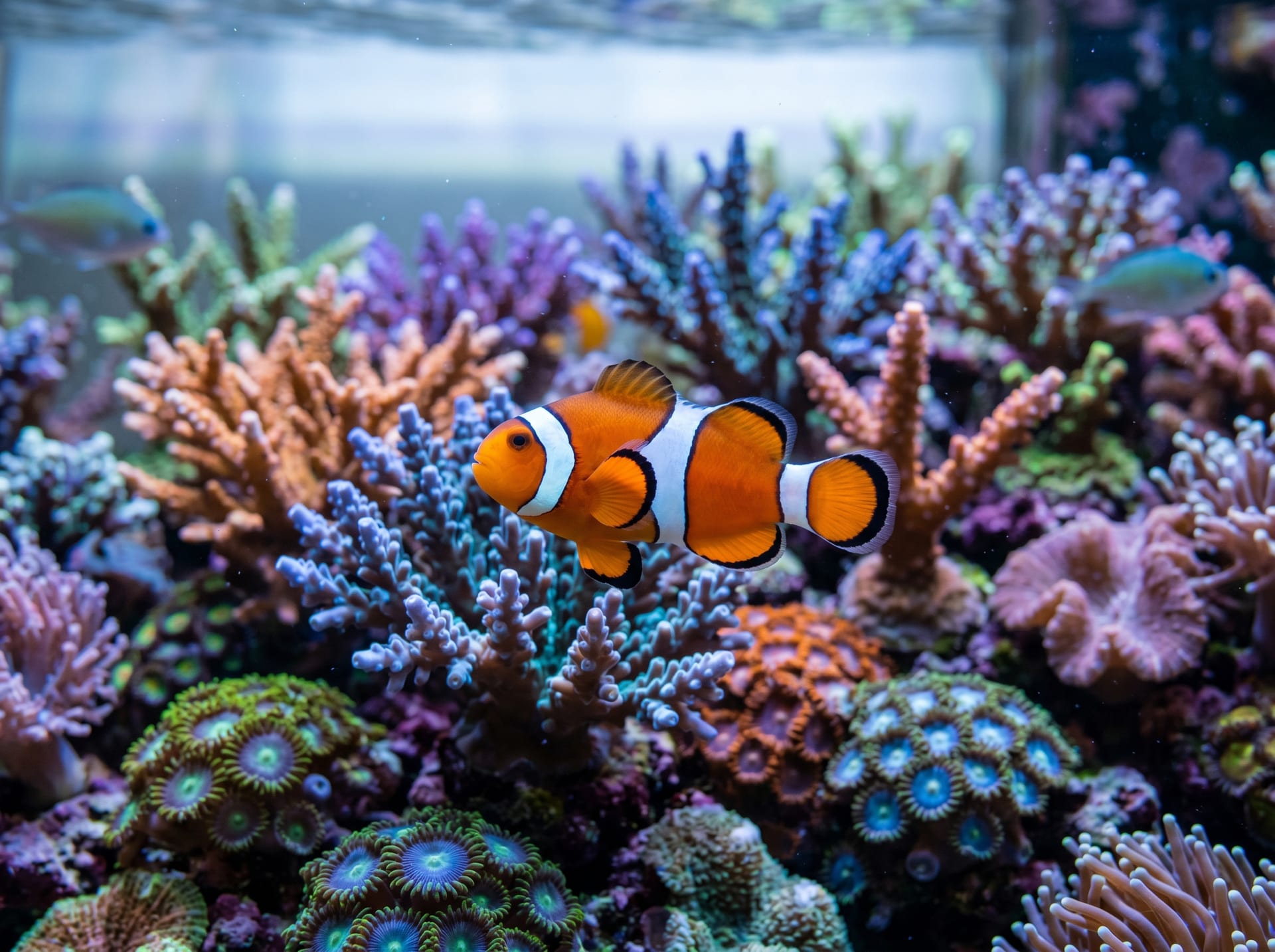
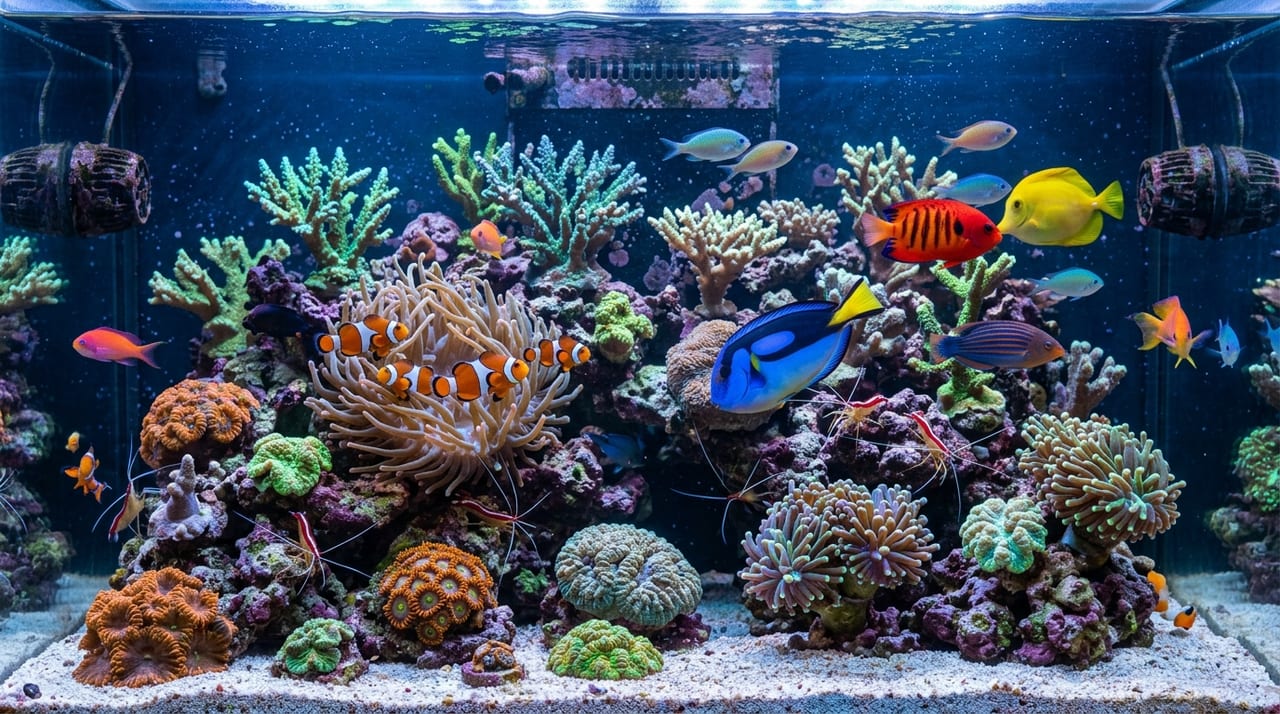
Among saltwater aquarium keeping, the symbiosis between clownfish and sea anemones is an especially popular topic. While clownfish gained explosive fame thanks to a certain movie, the relationship between these two organisms in both nature and captivity is far deeper than simply "living together."
In nature, clownfish have a mucus coating on their bodies that neutralizes the anemone's nematocyst toxins, allowing them to hide within the anemone's tentacles for protection from predators. Meanwhile, the anemone benefits from the leftover food particles and waste products the clownfish brings in, using them as nutrients. This is a "mutualistic symbiosis" relationship that benefits both parties. While this relationship can be recreated in an aquarium, simply placing them together won't work—creating the proper environment is essential.
Selecting Compatible Species Pairings
While 26 species of sea anemones form symbioses with various clownfish species in nature, only a limited number are commonly used in captivity. The following three species are particularly noted for their compatibility with clownfish (Amphiprion ocellaris):
Magnificent Sea Anemone (Heteractis magnifica) is the most popular choice and the species with which clownfish most commonly symbiose in nature. However, it demands high light and water current conditions, making it challenging for beginners.
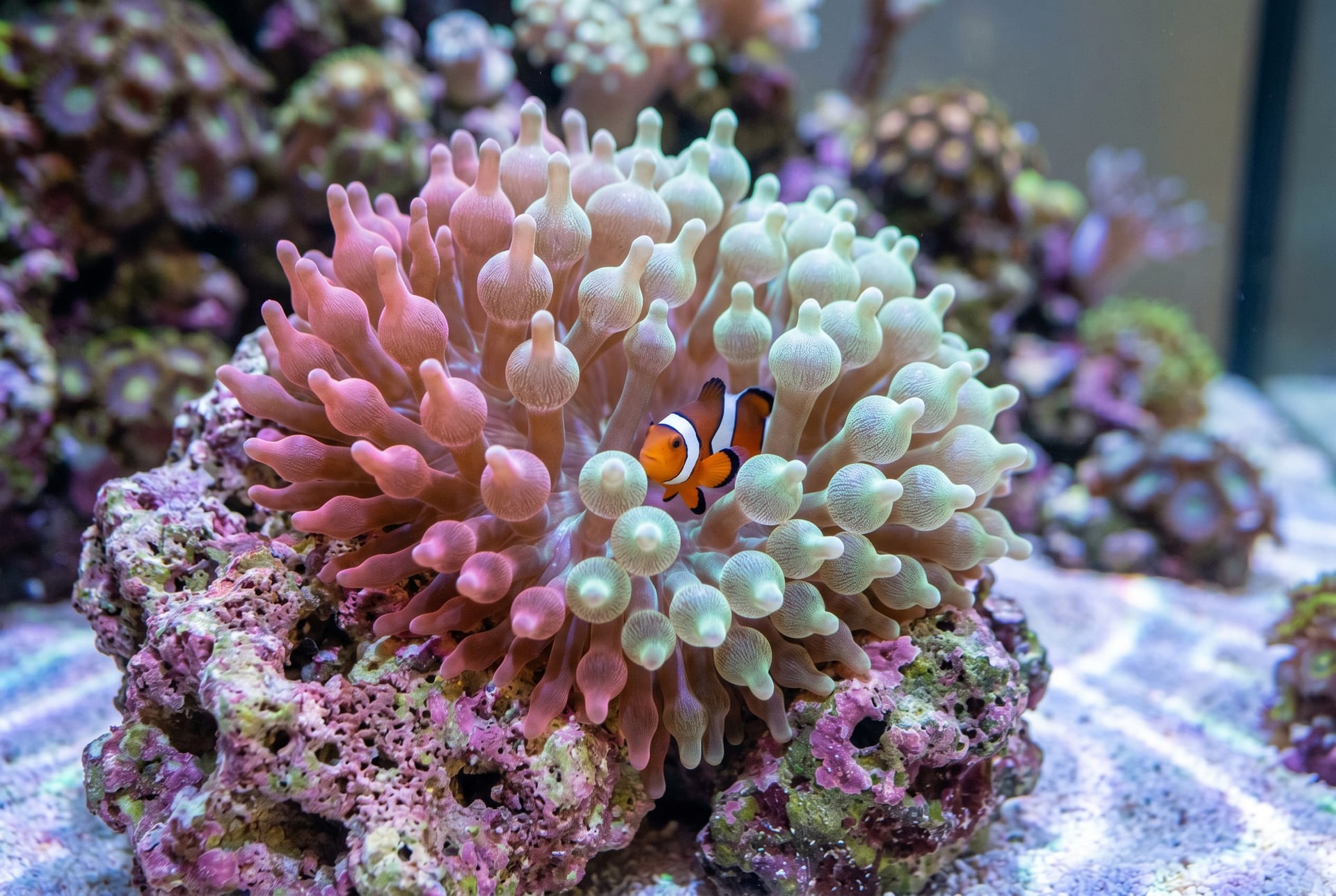
Bubble-Tip Sea Anemone (Entacmaea quadricolor) is relatively hardy and easy to care for, making it the recommended species for those introducing an anemone for the first time. It's characterized by bubble-like swellings at the tips of its tentacles and has a high symbiosis rate with clownfish.
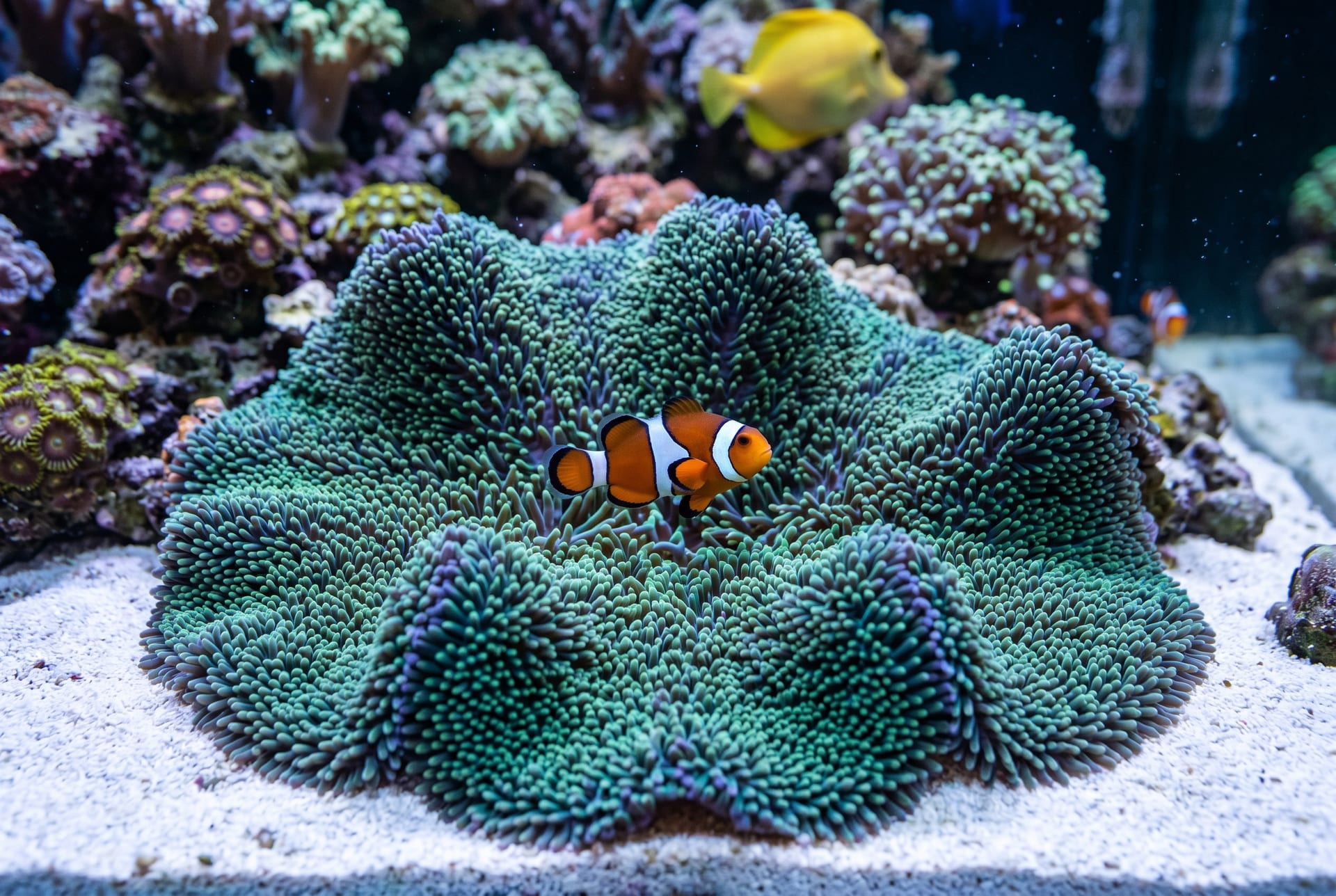
Giant Sea Anemone (Stichodactyla gigantea) is one of the anemones clownfish prefer most in nature, but it possesses potent nematocysts requiring careful handling. Its sting can cause inflammation on human skin.
It's worth noting that while other clownfish species like skunk clownfish or spine-cheek anemonefish are different species from clownfish, they may have different anemone compatibility. It's important to research species pairings before introduction.