What Kind of Fish is the Mandarin Fish?
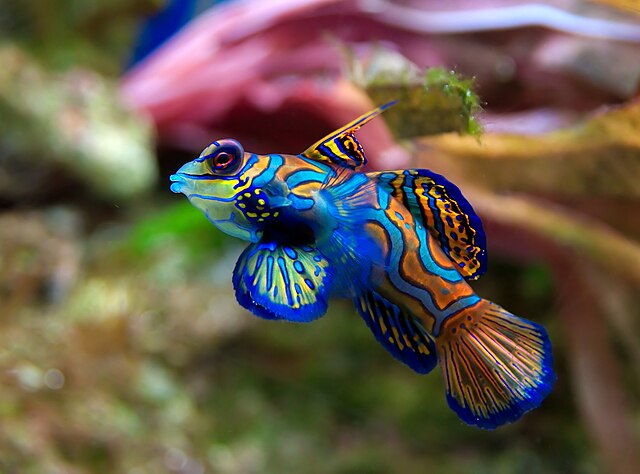
The Mandarin Fish (Synchiropus splendidus) is a small saltwater fish belonging to the family Callionymidae (dragonets). Its body coloration is characterized by a turquoise blue base overlaid with a complex camouflage pattern of orange, green, and purple, and it is known as one of "the world's most beautiful saltwater fish."
Basic Information
| Item | Details |
|---|
| Scientific Name | Synchiropus splendidus |
| Common Names | Mandarin Fish / Mandarinfish / Mandarin Dragonet |
| Body Length | 6–8 cm (males slightly larger) |
| Lifespan | 5–15 years (in proper conditions) |
| Native Range | Pacific Ocean (Philippines, Indonesia, northern Australia) |
| Care Difficulty | Advanced (acclimation is the greatest challenge) |
| Display Value | Very high (popular with collectors and enthusiasts) |
Why Is Care Difficulty So High?
The greatest challenge in keeping Mandarin Fish stems from their feeding requirements. In the wild, they live in the crevices of coral reefs, continuously hunting live copepods (small crustaceans) throughout the day. Because of this feeding habit, transitioning them to prepared foods or frozen foods is extremely difficult, and many specimens die from starvation.
---
Environment Requirements for Care
Tank Size
| Care Type | Minimum Tank | Recommended Tank |
|---|
| Solo (1 fish) | 60cm (60L) | 90–120cm (150L or larger) |
| Pair | 90cm (150L) | 120cm or larger (200L or larger) |
Important: Larger tanks allow copepods to reproduce naturally, reducing the risk of food shortage for the Mandarin Fish. Long-term care in small tanks is extremely difficult.
Amount of Live Rock (Critical)
Mandarin Fish feed on copepods living on and in the crevices of live rock. Providing abundant live rock is the first key to successful care.
- Guideline: At least 15–20 kg of live rock per 60L of tank
- Live rock serves as both a breeding ground and shelter for copepods
- Greater surface area increases the copepod population
Refugium (Copepod Cultivation Tank) Installation
For long-term care with stable copepod supply, installing a refugium (secondary tank) to cultivate copepods is the most effective approach.
Refugium Setup Method:
1. Divide the sump (filter chamber) to create a refugium compartment
2. Add macroalgae (Chaetomorpha, Ulva, etc.) and provide 24-hour lighting
3. Regularly introduce copepods (Tisbe, Tigriopus species)
4. Periodically flow water from the refugium into the main tank once copepods have reproduced
---
Water Parameters
| Parameter | Target Value |
|---|
| Temperature | 24–26°C (stability is critical) |
| Specific Gravity (SG) | 1.023–1.025 |
| pH | 8.1–8.3 |
| Ammonia / Nitrite | 0 |
| Nitrate (NO₃⁻) | 5–10 ppm (keep low) |
| Phosphate (PO₄³⁻) | 0.03–0.05 ppm |
Maintaining Low Nutrient Levels: Mandarin Fish prefer low-nitrate, low-phosphate environments. A powerful protein skimmer and weekly water changes (10–20%) are essential.
---
Feeding Methods (The Greatest Challenge)
Wild Feeding Behavior
Wild Mandarin Fish eat only living copepods. They do not respond to non-moving or dead food, making the transition to prepared or frozen foods time-consuming and challenging.
Basic Live Copepod Feeding (Phase 1)
After Purchase – 2 Months: Begin feeding exclusively with live copepods.
- Cultivate copepods in a refugium or copepod cultivation kit
- 2–3 times daily, use a dropper to introduce live copepods near the live rock at the tank bottom
- Observe whether the Mandarin Fish actively hunts the copepods
Commercial Copepod Purchase: Live copepods can be purchased regularly from aquarium shops or online retailers, but this is costly. Home cultivation is the most practical long-term solution.
Transition to Frozen Copepods (Phase 2)
Once the fish is actively feeding on live copepods, gradually transition to frozen copepods.
Transition Steps:
1. Start with 80% live copepods + 20% frozen copepods
2. Increase the frozen proportion every 2–3 weeks
3. Once the fish eats frozen copepods only, feeding becomes stable
Transition to Prepared Foods (Phase 3): Most Challenging
Some individuals can progress to frozen brine shrimp or small pellets (0.5mm or smaller). However, not all specimens will succeed.
Key Points:
- Use gut-loaded brine shrimp rich in intestinal bacteria
- Move food in the current to simulate live prey
- Allow periods of hunger to increase appetite before introducing new foods
---
Tankmates
Mandarin Fish are peaceful, but choosing compatible tankmates is important.
Compatible (Recommended):
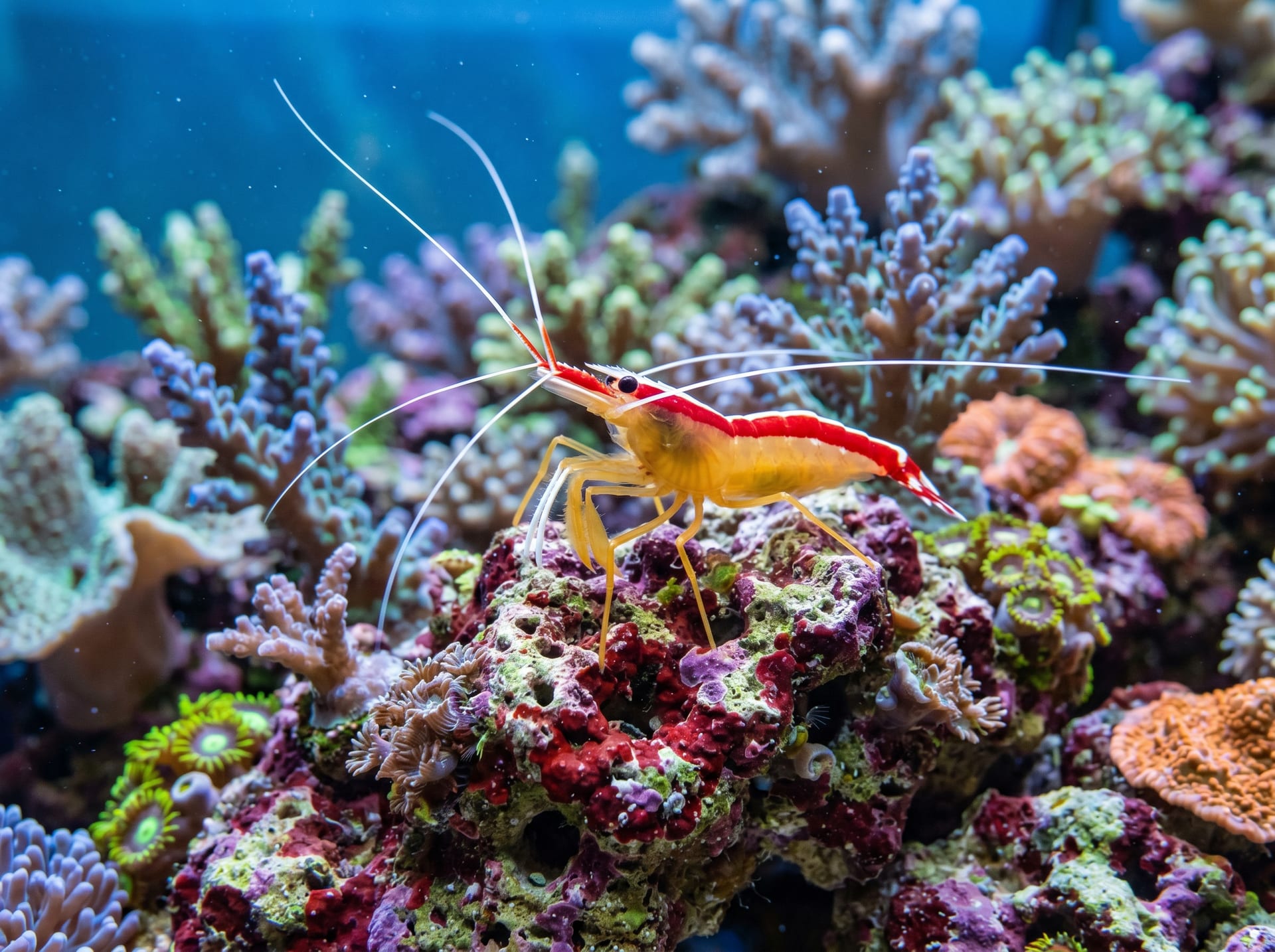
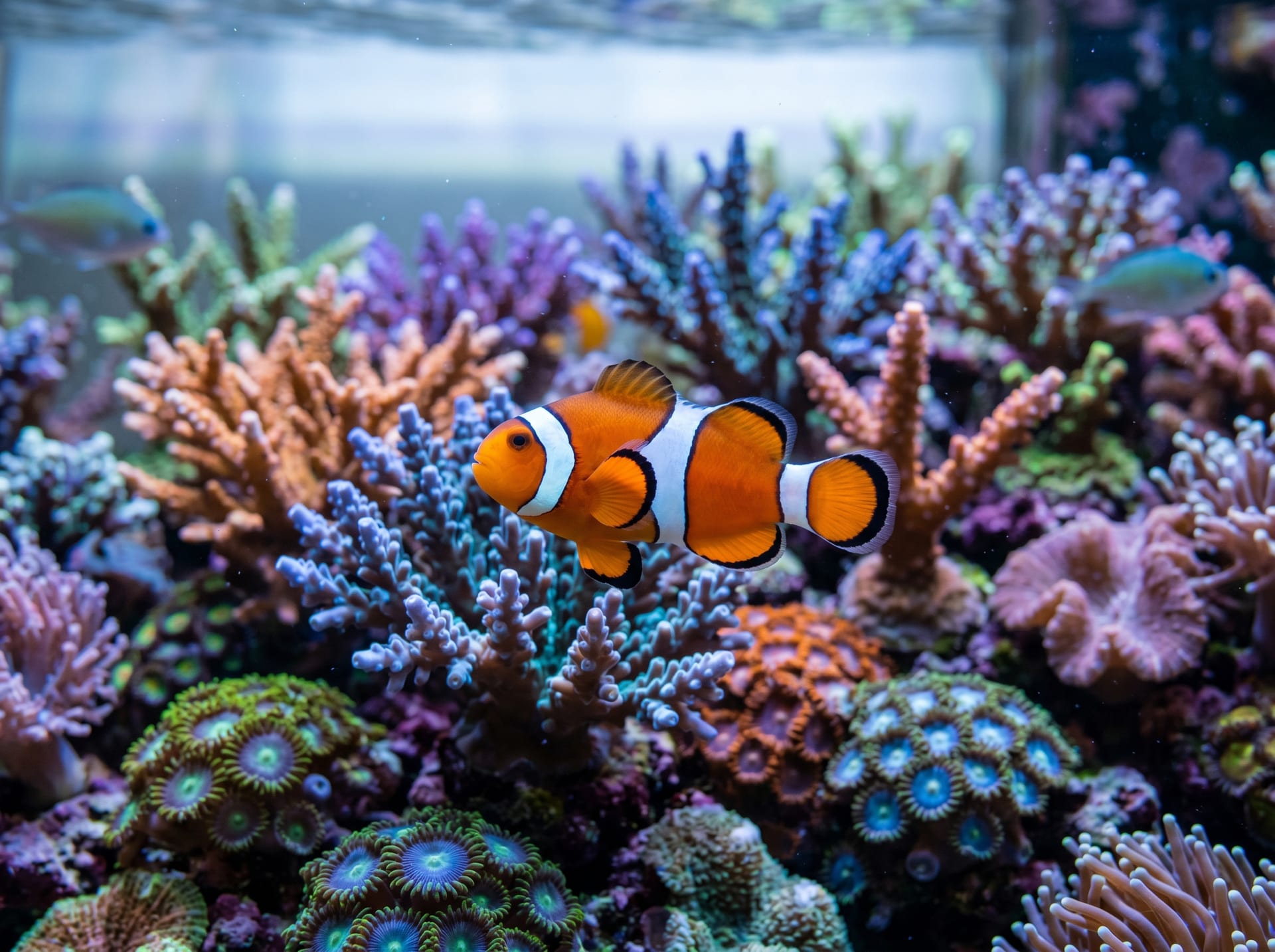
- Small coral gobies (Ocellaris Clownfish, Cleaner Shrimp)
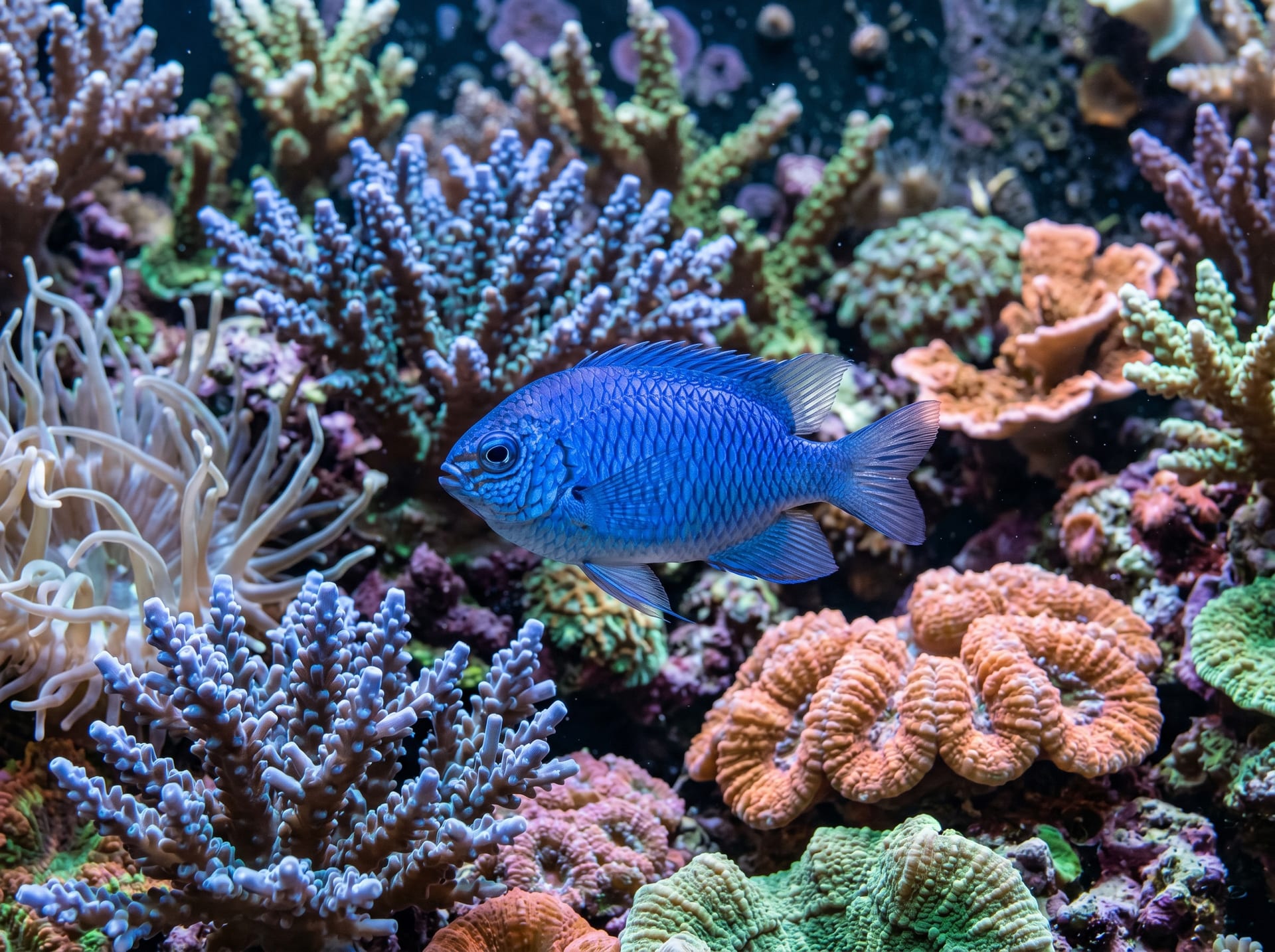
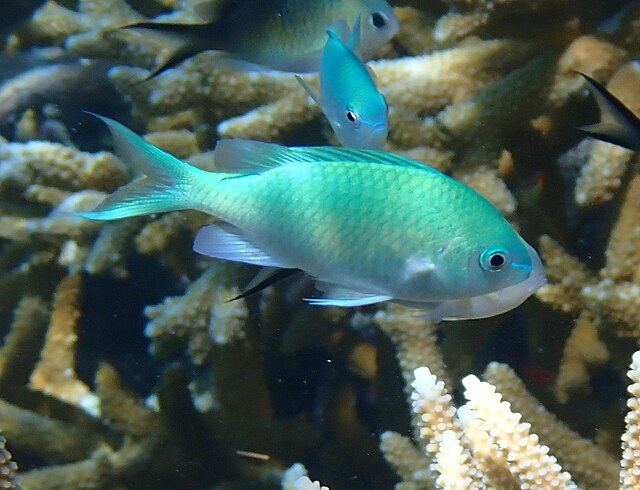
- Chromis species (mid-water swimmers that won't interfere)
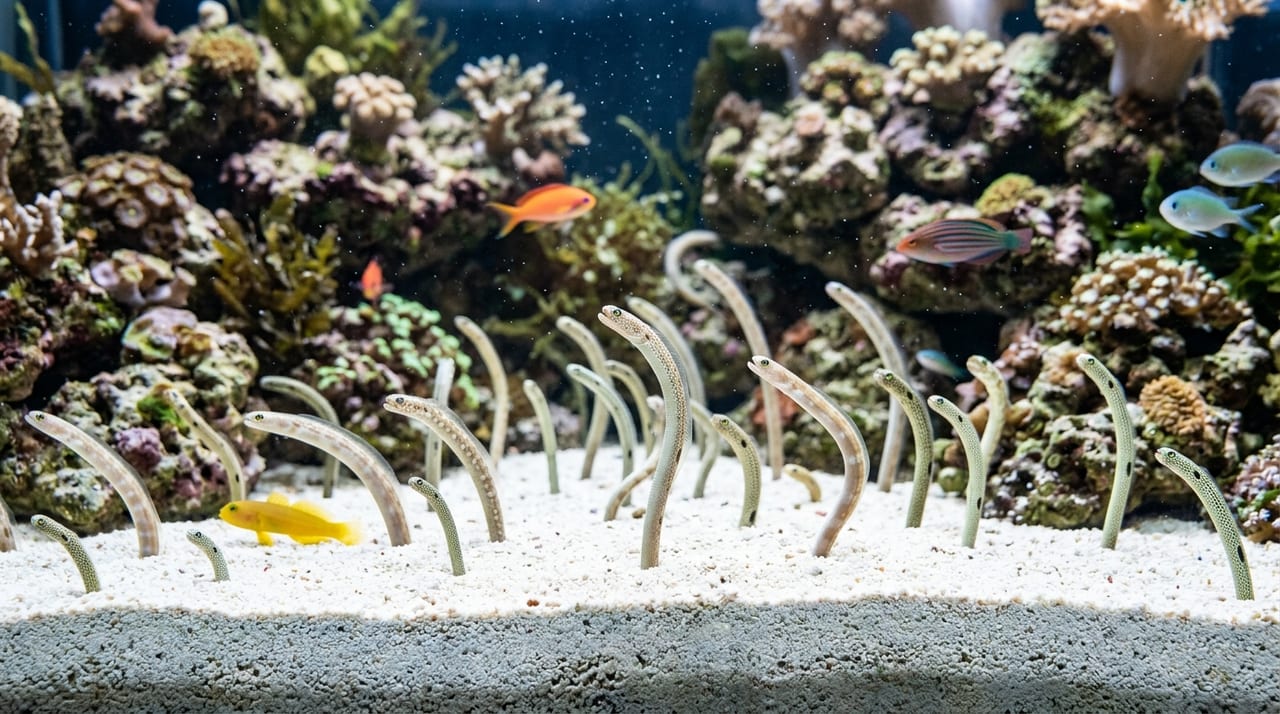
- Small gobies (Pink Spotted Shrimp Goby, etc.)
Incompatible:
- Large Angelfish or Wrasses (predatory or aggressive)
- Highly predatory fish (Grouper, Lionfish, etc.)
- Conspecific males (intense territorial disputes)
Sexing: Males have elongated spines on the first dorsal fin. Females lack these spines. One male with multiple females is the most stable combination.
---
Health Management and Common Problems
Gradual Weight Loss (Most Common Issue)
- Cause: Copepod insufficiency or inadequate food quantity
- Solution: Install a refugium, purchase copepods, increase feeding frequency
Faded Coloration
- Cause: Stress, malnutrition, poor water quality
- Solution: Check water parameters, review tankmates, stabilize copepod feeding
Disease (Ich)
- Mandarin Fish have a slime coat (toxic mucus layer) that makes them resistant to ich
- However, they can become infected if immunocompromised
- Copper-based medications are absolutely forbidden (they destroy the slime coat)
- Hyposalinity (lowered salinity treatment) is the safest treatment method
---
Conclusion: Worth the Effort for the Ultimate Saltwater Fish
Long-term care of Mandarin Fish is never easy, but the brilliant, jewel-toned beauty of this fish swimming in your aquarium is incomparable to any other saltwater species.
Once you establish a refugium and copepod cultivation system and succeed in acclimation, long-term care of 5–10 years or more is entirely achievable. The ultimate sense of accomplishment in keeping "the world's most beautiful saltwater fish" in your own tank is well worth the patience and dedication required.