Leporinus Care Guide | How to Keep Headstander Shark Fish with Characteristic Head-Down Swimming - Feeding Methods and Tank Mate Compatibility
Complete guide to caring for large South American tetras, Leporinus (genus Leporinus). Learn about their unique 45-degree tilted swimming style, strong territorial behavior, aquatic plant-eating habits, and powerful jumping ability. This article covers large aquarium design, proper feeding methods, and comprehensive tank mate management guidance.
Key Takeaways
Complete guide to caring for large South American tetras, Leporinus (genus Leporinus). Learn about their unique 45-degree tilted swimming style, strong territorial behavior, aquatic plant-eating habits, and powerful jumping ability. This article covers large aquarium design, proper feeding methods, and comprehensive tank mate management guidance.
Related Species
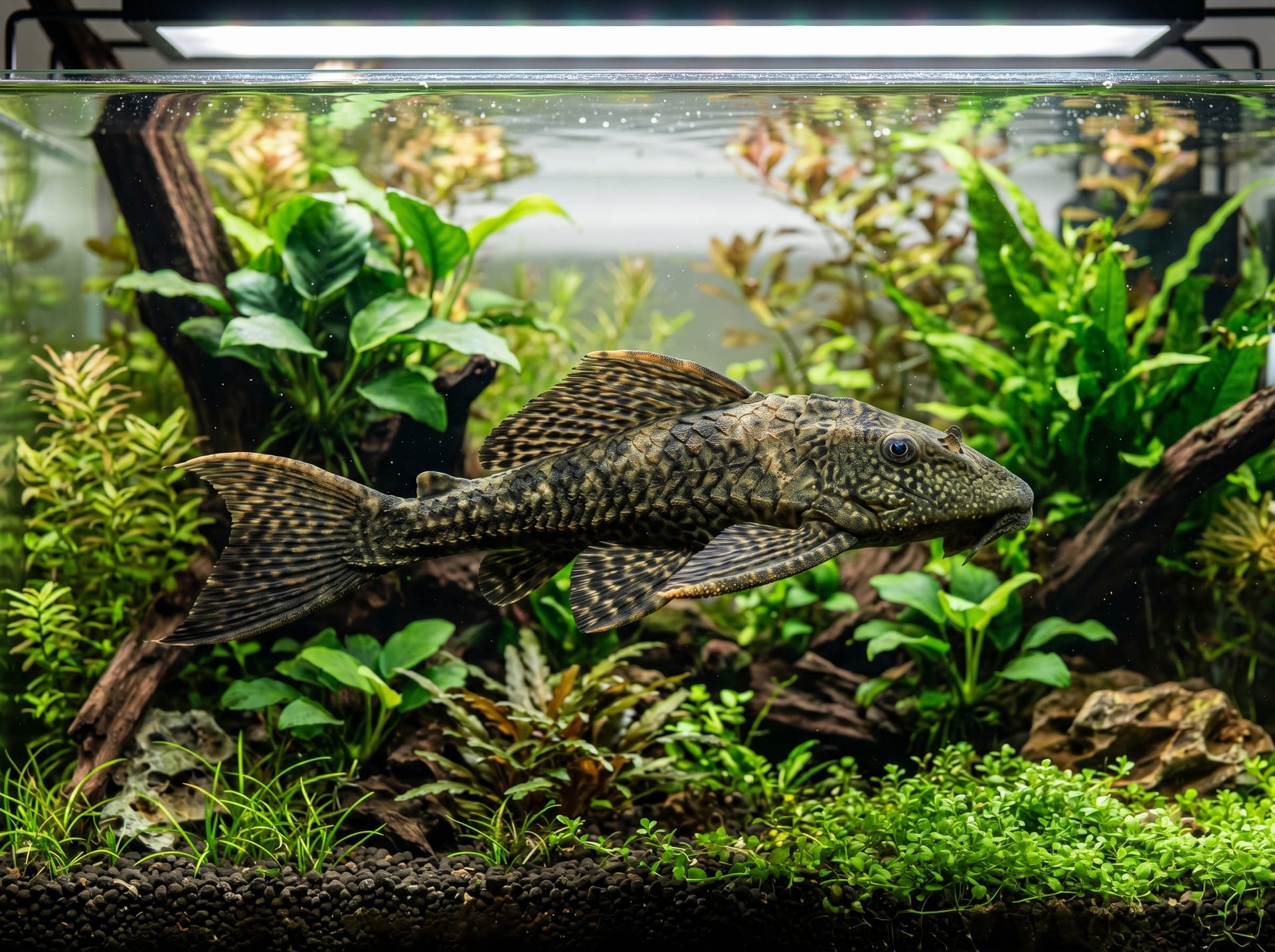
What is Leporinus?
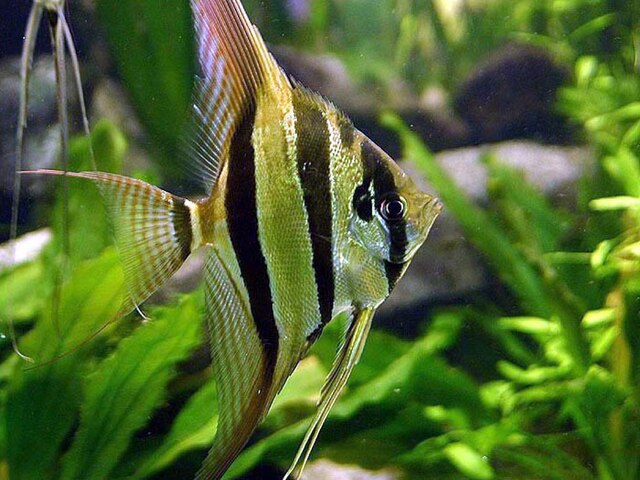
Leporinus (Leporinus) are freshwater fish from South America belonging to the family Anostomidae (order Characiformes). Over 90 species are known from the Amazon River basin and surrounding areas, characterized by distinctive black and yellow striped patterns and a mouth tilted at approximately 45 degrees.
They are also called "Headstanders" in English, named for the characteristic behavior of many species swimming with their head angled downward. Body length varies greatly by species, ranging from 10-40cm. The species most commonly seen in tropical fish shops are primarily the following:
Main Species in the Hobby
Black-Banded Leporinus (L. fasciatus)
The most popular species. Features 8-10 black and yellow stripes, reaching 20-30cm as adults. Hardy and easy to care for, making it suitable as a beginner species.
Fly-Jointed Leporinus (L. arcus)
Characterized by irregular striped patterns. Adult size 20-25cm.
Platinum Leporinus (L. affinis)
Features 5-6 stripes with relatively fewer bands and stronger yellow coloring. Somewhat smaller species (around 15cm).
Leporinus nigrotaeniatus
Characterized by black lateral-line-like stripes. Adult size 25-30cm.
Required Equipment
Tank Size
Leporinus are active, large fish. Selecting an aquarium size that accounts for their eventual adult size is essential.
| Species Size | Recommended Tank Size |
|---|---|
| Juveniles to 15cm | 60-90cm (100-200L) |
| 15-25cm | 120-150cm (300L+) |
| 25cm and larger | 150-180cm (400L+) |
They have strong jumping ability, so a secure cover is absolutely necessary. They can jump several tens of centimeters out of the water.
Filtration
As large fish with big appetites, they produce massive amounts of waste. Install two external filters or combine an upper filter with a hang-on filter - over-filtration is essential.
Substrate and Aquascaping
- Substrate: Sand (such as ADA Amazonia or Silk Road Sand) is recommended to recreate the river bottom environment
- Driftwood: Create hiding spots with rocks and driftwood. Effective for stress reduction and preventing territorial disputes
- Plants: Most Leporinus species eat aquatic plants, so stone and driftwood-based layouts are standard. Plants with hard leaves like Cryptocoryne and Anubias are relatively resistant to damage
Water Parameters
| Parameter | Ideal Range |
|---|---|
| Temperature | 24-28°C |
| pH | 6.0-7.5 (slightly acidic to neutral) |
| Hardness (GH) | 4-15 (medium acceptable) |
| Nitrate | Below 20 ppm |
Although they are South American tetras, Leporinus have relatively wide water chemistry tolerance and can thrive long-term in slightly acidic to neutral water.
Feeding and Diet
Leporinus are omnivorous to herbivorous fish. In their natural habitat, they feed on aquatic plants, algae, insects, crustaceans, and small fish.
Main Foods
| Food Type | Feeding Role |
|---|---|
| Pellets (plant-based) | Staple food. Examples include Hikari or Tetra pleco tabs |
| Vegetables (spinach, cucumber) | Plant component supplementation |
| Frozen bloodworms, brine shrimp | Protein supplementation |
| Sinking flakes | Used as supplementary food |
Their plant-eating habit is strong, and plants like Nymphaea and Vallisneria are consumed completely. They are not compatible with planted tanks.
Feeding Frequency
2-3 times daily in small amounts. Remove uneaten food immediately. Large fish cause rapid water quality deterioration.
Temperament and Compatibility
Leporinus have strong territorial behavior, and same-species aggression is a common issue.
- Same-species compatibility: Keeping them in groups causes inter-individual conflicts. Keeping 2-3 individuals causes more problems than maintaining 10 or more in a larger group where territorial instincts are dispersed
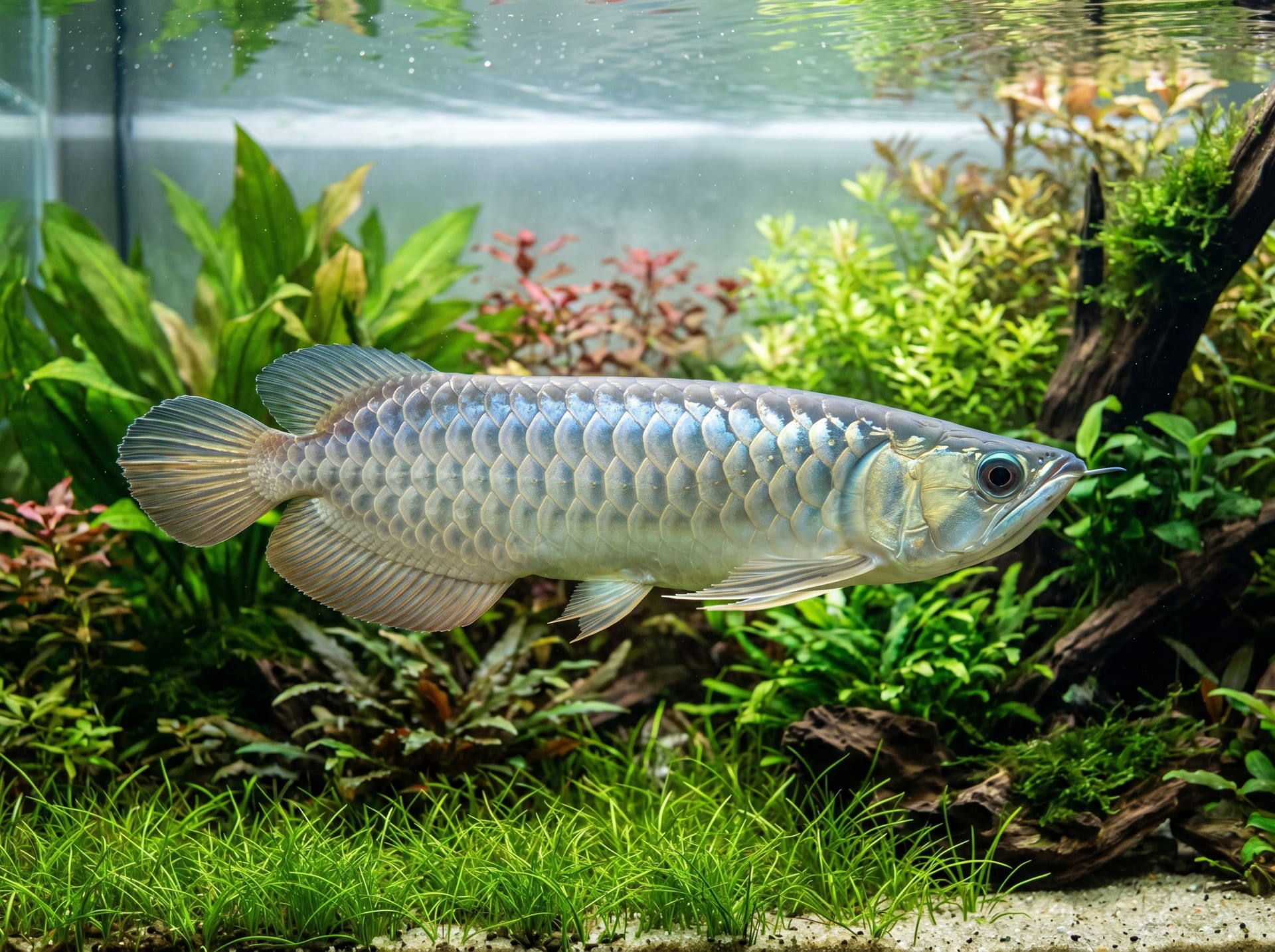
- Other species compatibility: Can be kept with fish of equal or larger size (large tetras, arowanas, plecos, etc.). Small fish will be eaten if they fit in their mouth, making compatibility impossible
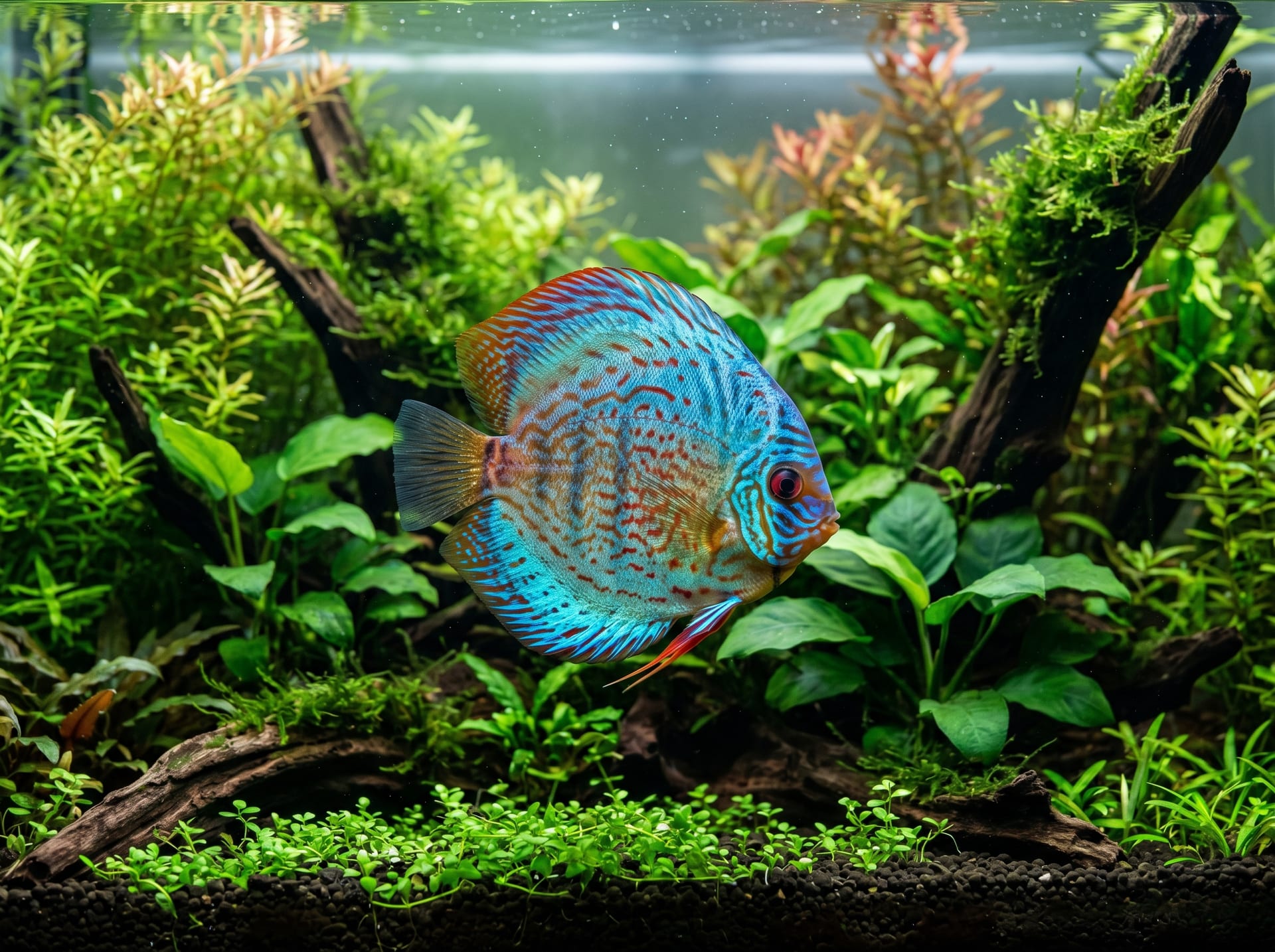
- Aggressive fin nipping: They nip the fins of long-finned fish (discus, angelfish), making compatibility impossible
Health Management and Common Diseases
| Disease | Symptoms | Treatment |
|---|---|---|
| Ich (White Spot Disease) | White spots on body | Raise temperature to 28-30°C, salt bath or medication |
| Intestinal inflammation | Abdominal swelling, white feces | Fasting followed by easily digestible foods |
| Jump-related injuries | Body surface abrasions | Ensure cover is secure. Medicated bath to prevent secondary infection |
As large fish with significant body mass, they have relatively high disease resistance, but are sensitive to poor water quality. Regular water changes are the best prevention strategy.
Breeding
Breeding in home aquariums is extremely rare, making successful reproduction in typical home tanks very difficult. Commercially, they are mass-produced in Southeast Asian hatcheries.
Frequently Asked Questions
"Is the head-down tilted swimming a sign of disease?"
No, it's their natural swimming behavior. They are called "Headstanders" because of this characteristic habit. However, if the body is severely tilted or the fish is floating at the water surface, it may indicate illness.
"They eat my aquatic plants"
This is nearly unavoidable given their herbivorous diet. If plants are a priority, it is difficult to keep them together in the same tank. We recommend switching to a layout focused on rocks and driftwood.
"Small fish in the tank disappeared"
It's highly likely that the Leporinus ate small fish that fit in their mouth. Only keep them with fish of similar or larger size.
Summary
Leporinus are popular with large fish enthusiasts due to their distinctive striped pattern and unique swimming behavior. However, they require proper preparation and equipment due to their large size, strong territoriality, plant-eating habits, and powerful jumping ability. When raised from juveniles, they become accustomed to their owners and readily adapt to artificial feeds. We recommend obtaining healthy individuals from a breeder and maintaining them with a long-term plan that accounts for their eventual adult size.