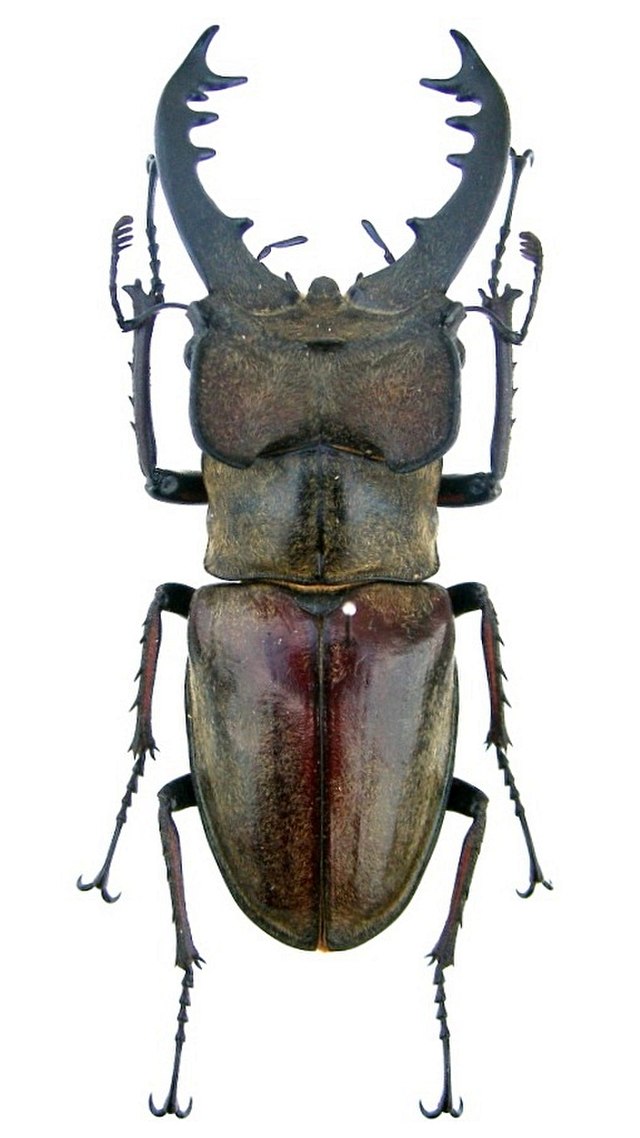
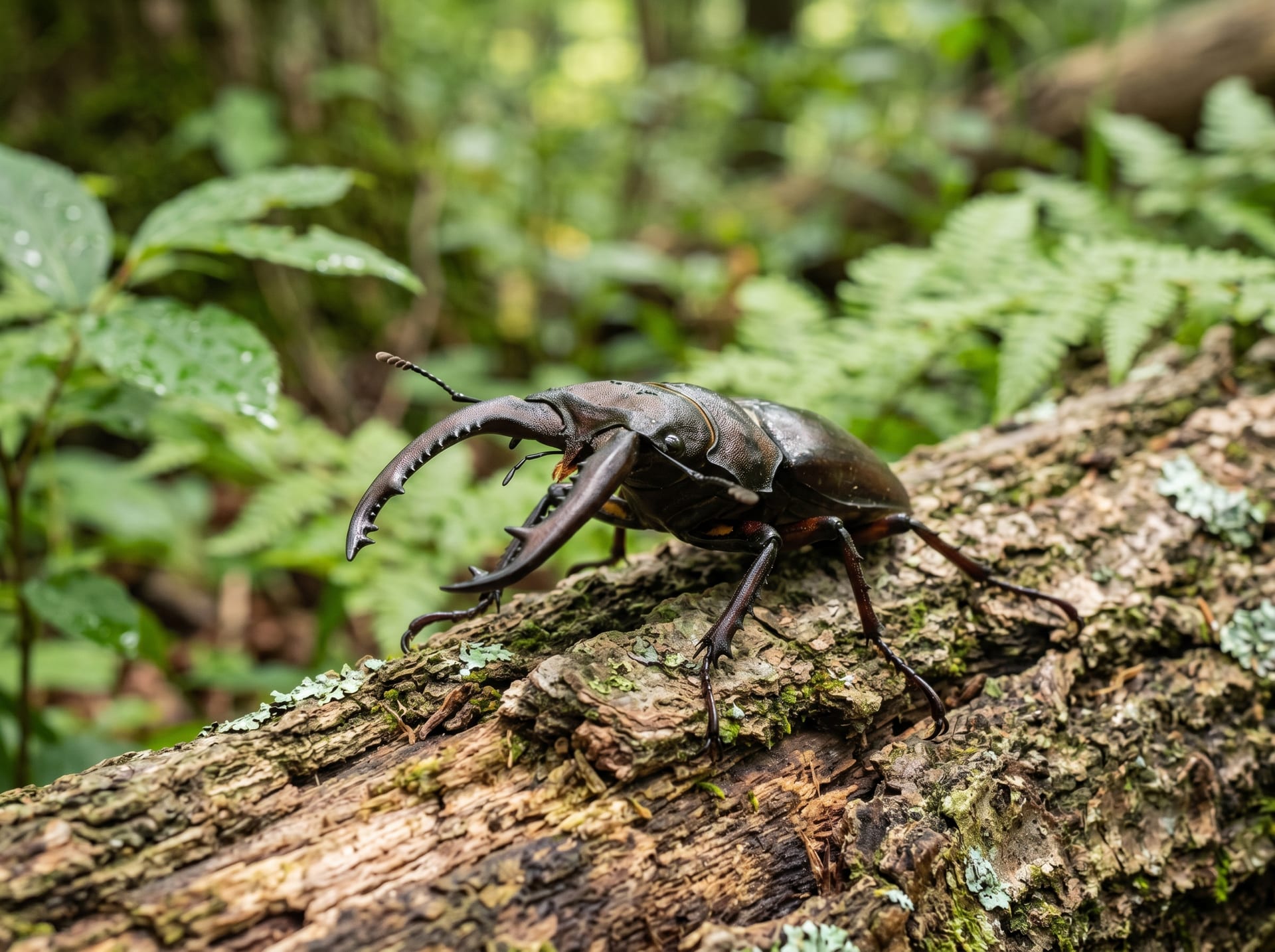
When is Stag Beetle Collecting Season? First, the Conclusion
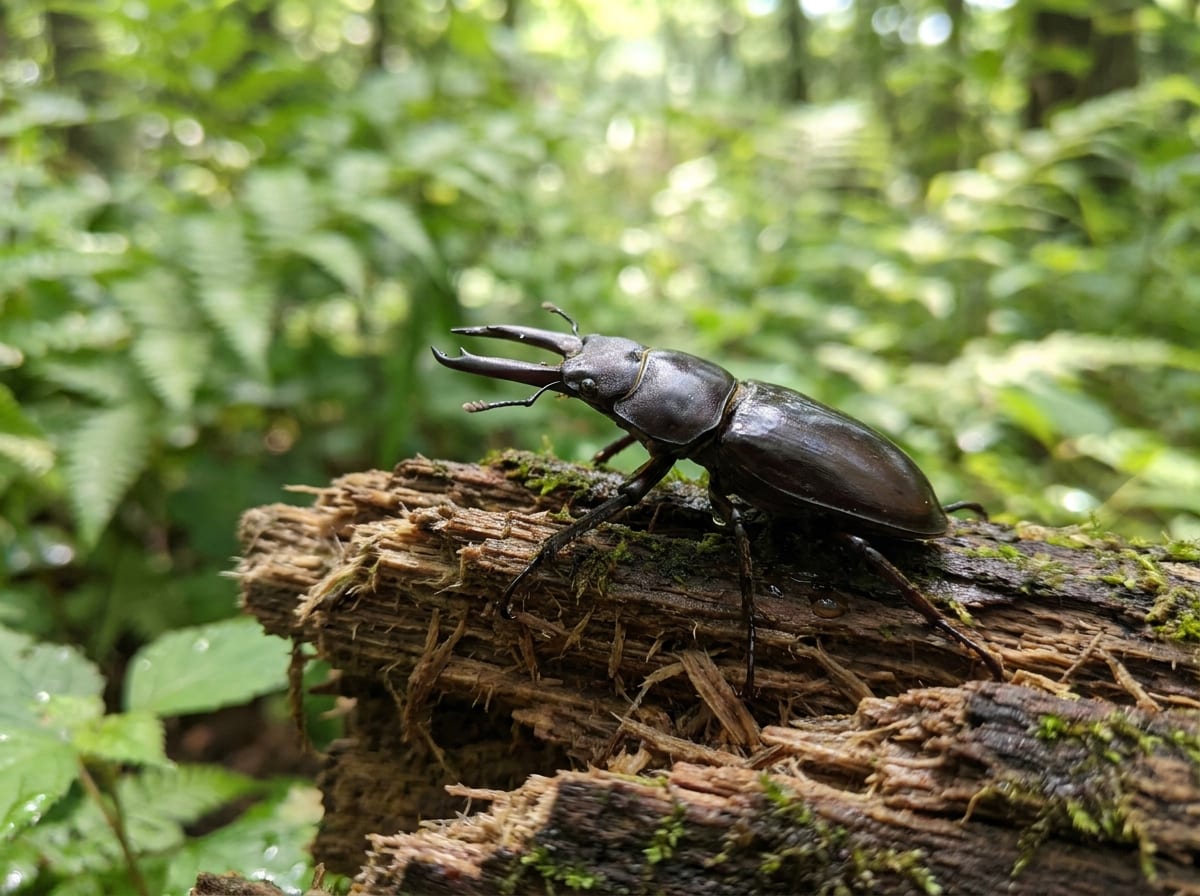
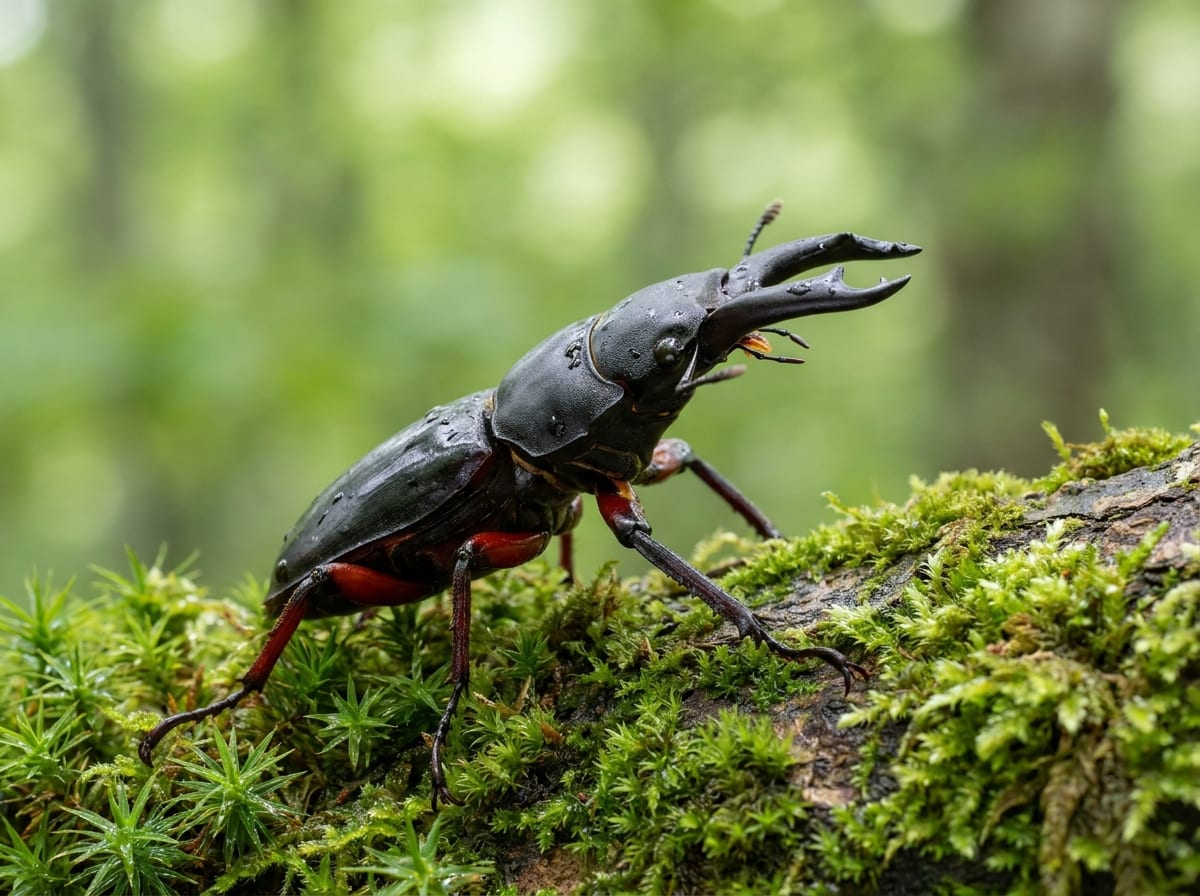
Stag beetles can be collected from late June through early September in the plains of Honshu, with the best season being mid-July through early August. They are most active on humid, sweltering nights after the rainy season ends. Collection timing varies slightly by species—Miyama stag beetles appear in the cooler late June through July, while small stag beetles can be collected year-round from May through October.
Collecting stag beetles is a rewarding experience that combines the fun of searching for living insects in nature with the opportunity to learn about their ecology. However, successful collection requires knowledge of the right season, time of day, and location. Random outings often end in disappointment, and success depends heavily on knowing the best spots. This guide explains collecting information by area nationwide — from Kanto and Kansai to Tokai, Kyushu, Tohoku, and Hokkaido — plus species-specific techniques from a breeder's perspective. For regional beetle appearance times including Japanese rhinoceros beetles, see also the Beetle Collecting Season Guide.
Best Season and Time of Day for Collecting
Seasonal Guide
| Species | Collecting Season | Peak Period |
|---|
| Japanese saw stag beetle | Late June–early September | July–August |
| Miyama stag beetle | Mid-June–late August | Late June–July (cool high-altitude areas) |
| Flat stag beetle | June–September | July–August |
| Small stag beetle | May–October | July–August (extended season) |
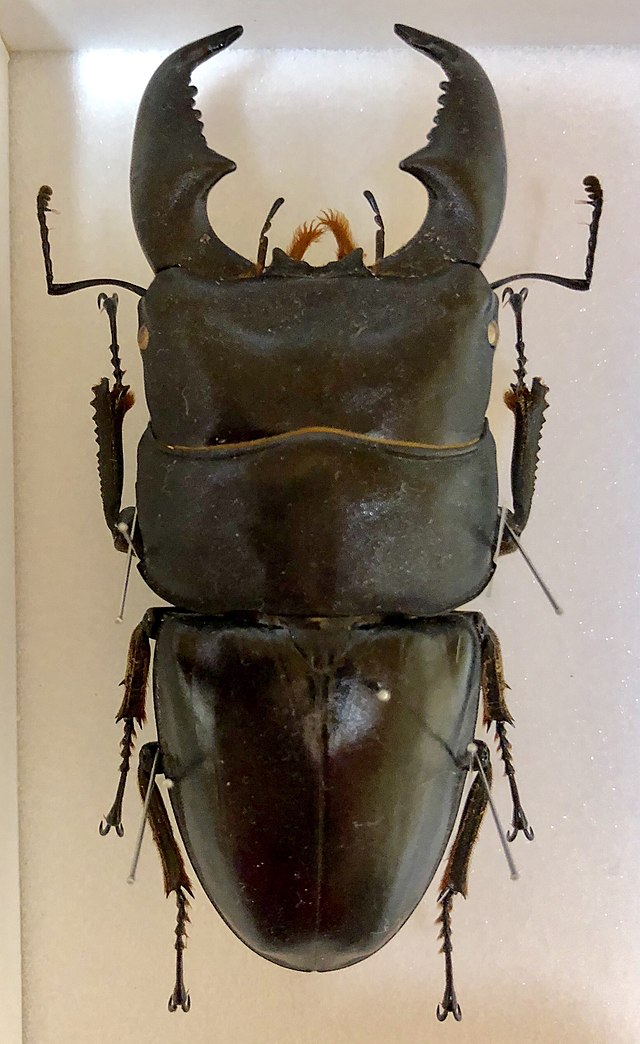
| Japanese giant stag beetle | July–August | Mid-July–early August (rare) |
The easiest collecting season is July through early August. High temperatures drive stag beetles to actively seek tree sap. Miyama stag beetles dislike heat, making collection at higher elevations (500m+) most effective.
Optimal Collecting Hours
Stag beetles are nocturnal, with peak activity 1–2 hours after sunset (around 8–11 PM). Activity times vary by location and weather conditions.
- Sunset through 10 PM: Most recommended. Stag beetles gather at trees with flowing sap
- Midnight to dawn: Fewer insects, but larger specimens may still be present
- Early morning (4–6 AM): Individuals missed the previous night may be found near tree roots
- Daytime: Nearly impossible to collect (dormant under bark or in leaf litter)
Habitat by Species (Where to Find Them)
The habitat you need to search varies depending on your target species. Knowing the habitat makes it easier to find insects even in unfamiliar forests.
- Japanese saw and small stag beetles: Mixed deciduous forests of kunugi and konara oak in plains to low mountains. Most accessible for beginners
- Flat stag beetles: Riverbeds in lowlands and damp areas along streams, attracted to willow and kunugi. Hide in tree cavities and under bark
- Miyama stag beetles: Cool beech and mizunara oak forests at 500m+ elevation. Target mountain areas with cool summer temperatures
- Japanese giant stag beetles: Tree cavities in old trees in plains to foothills. A rare species with strong wariness and small populations
Collecting Spots in the Kanto Region
Tokyo & Kanagawa
Okutama Area (Nishi-Tama, Tokyo):
The most promising area near Tokyo. Miyama, Japanese saw, and small stag beetles inhabit mixed forests of beech and konara oak at elevations of 400–1000m. Popular spots include woodlands around Lake Okutama and hiking trails near Kawatsura and Ontake mountains.
Mount Takao Area (Hachioji, Tokyo):
Excellent accessibility makes this beginner-friendly. Focus on Japanese saw and small stag beetles. Search diligently for kunugi and konara oak trees with flowing sap.
Tanzawa Mountains (Kanagawa):
Miyama and Japanese saw stag beetles are expected here. Areas above 600m elevation are most promising. The Kuraji Forestry Road and West Tanzawa Nature Education Center areas have proven track records.
Miura Peninsula & Yokosuka Area (Kanagawa):
Primarily flat and small stag beetles. Low elevation allows collection even early summer, making this ideal for family collecting trips.
Saitama & Chiba
Chichibu & Nagatoro Area (Saitama):
Small, Miyama, and Japanese saw stag beetles inhabit the mountain regions. Begin at mixed deciduous forests along the Arakawa River in Nagatoro, then venture to mountain areas west of Chichibu city for better results.
Boso Hills (Chiba):
Dominated by Japanese saw and small stag beetles. Key spots include areas around Shikano and Kiyosumi mountains. Flat stag beetles are also present; focus on humid areas along streams for best results.
Collecting Spots in the Kansai Region
Osaka & Hyogo
Rokko Mountain Range (Hyogo/Kobe):
Close to urban areas, with populations of Miyama, Japanese saw, and small stag beetles. Konara oak forests on north-facing slopes around 600m elevation are especially productive. Nearby spots like Saishoji Park and the Arima Onsen area also have solid records.
Nose Town & Toyono Area (Northern Osaka):
Among the best collecting sites in Osaka Prefecture. Miyama and Japanese saw stag beetles can be found in mountain areas north of the Nose Railway terminus. The Kunugi Forest and East Tokiwadai areas are popular spots.
Kongosan & Katsuragi Mountains (Osaka/Nara):
Alpine terrain at around 1000m elevation. One of Kansai's premier spots for Miyama stag beetle collecting. During peak season (late June–mid-July), many collectors visit from early morning.
Kyoto & Nara
Kyohoku District (Ukyo Ward, Kyoto):
Mountain regions north of central Kyoto. A rare area with sightings of Miyama and Japanese giant stag beetles. Mixed deciduous woodlands around the Miyama thatched-roof village area are promising.
Yoshino Mountains & Odaigahara Area (Nara):
The mountainous southern Nara region is a treasure trove for Miyama stag beetles. Areas along National Route 169 toward Odaigahara and the Yoshino District of Kawakami Village have established track records. High elevation keeps summers cool, resulting in abundant Miyama populations.
Tokai Region Collection Spots
Aichi & Gifu
Shitara & Dando-Uradani Area (Eastern Aichi):
One of Aichi's premier collecting areas. Cool forests around 900m elevation remain, where you can target Miyama stag beetles and red-legged stag beetles. The mixed deciduous forests of the Inabuki district in Toyota City also have a solid track record.
Kakamigahara & Hyakunen Park Area (Southern Gifu):
A beginner-friendly area where you can collect sawtooth stag beetles and little stag beetles from lowland forests. Head into the mountains toward Gujo or Gero for a strong track record of Miyama stag beetles.
Shizuoka & Mie
Hamakita Forest Park Area (Western Shizuoka):
Mixed deciduous forests of chinquapin oak and konara spread here, where you can reliably collect sawtooth and little stag beetles. Shizuoka's warm climate means they appear earlier, starting from mid-June.
Suzuka Mountain Foothills & Komono Area (Northern Mie):
Along mountain roads heading toward Yu-no-Yama Hot Spring, there's a track record of Miyama and sawtooth stag beetles. In lowland river valleys, you can also target flat stag beetles.
Kyushu Region Collection Spots
The defining feature of Kyushu is that the season arrives earlier than Honshu, with collecting season beginning from late May through early June. It's known for abundant flat stag beetles and large specimens.
Mt. Hiko Area (Fukuoka-Oita Border):
A representative collecting site for northern Kyushu. In the high-elevation Mt. Hiko range, you'll find Miyama stag beetles, while the lowland mixed forests yield flat and sawtooth varieties.
Aso Outer Mountain Range (Kumamoto Prefecture):
A prolific area for Miyama and sawtooth stag beetles, where grasslands and mixed forests intermingle. Even in summer, nights cool down, making July through early August peak season.
Kirishima Mountain Foothills (Kagoshima & Miyazaki Prefectures):
Southern Kyushu is famous for large flat stag beetles. The key is thorough searching along river valleys, particularly around willow and chinquapin oak trees.
Tohoku & Hokkaido Region Collection Spots
The season in northern Japan runs from early July through August, starting about two weeks later than southern Honshu. Miyama and red-legged stag beetles, which prefer cool climates, are the main attractions.
Shirakami-Sanchi & Mt. Iwaki Area (Aomori Prefecture):
A treasure trove of beech forests where Miyama stag beetles are abundant. Mid-July through mid-August is ideal.
Mt. Zao & Mt. Omoshiro Area (Miyagi & Yamagata Prefectures):
An accessible collecting area for Miyama and red-legged stag beetles near Sendai. Forest roads at 400–800m elevation are the best hunting grounds.
Lake Shikotsu & Jozankei Area (Hokkaido, near Sapporo):
Hokkaido centers on Miyama and little stag beetles (sawtooth are rare and flat stag beetles are virtually absent). This is a short-season window from late July through mid-August.
Collecting Equipment & Basic Etiquette
Essential Equipment
- LED Headlamp: A hands-free headlamp is essential. Brightness of 300+ lumens recommended
- Long sleeves & long pants: Protection against insects and scrapes
- Insect repellent spray: Defense against mosquitoes and biting midges
- Collecting container/bug cage: Transport (keep stag beetles separated from each other)
- Work gloves: Hand protection during collection
- Smartphone & compass: Navigation safety in forests
Collecting Etiquette & Legal Requirements
- Do not trespass on private land or in restricted hunting areas: Always obtain permission from landowners before entering
- Collect responsibly: Avoid large catches in a single night; collect only what you need
- Do not remove deadwood: Removing fallen trees or dead standing timber can constitute theft or violate forestry law
- Always pack out your trash: Help preserve the collecting environment
- Never release non-native species: Releasing foreign stag beetles into the wild violates invasive species laws
Summary
Success in stag beetle collecting comes down to three elements: suitable season, nighttime activity, and the right location. The optimal period is generally mid-July through early August; in Kanto, focus on Okutama, Tanzawa, and Chichibu; in Kansai, prioritize Rokko, Nose, Kongosan, and Yoshino; in Kyushu, try Mt. Hiko, Aso, and Kirishima; in Tohoku, the Shirakami and Zao foothills are classics. Respect ethics and laws while enjoying the thrill of encountering living stag beetles in nature. The knowledge gained through collecting directly applies to breeding and rearing, broadening your perspective as a breeder.