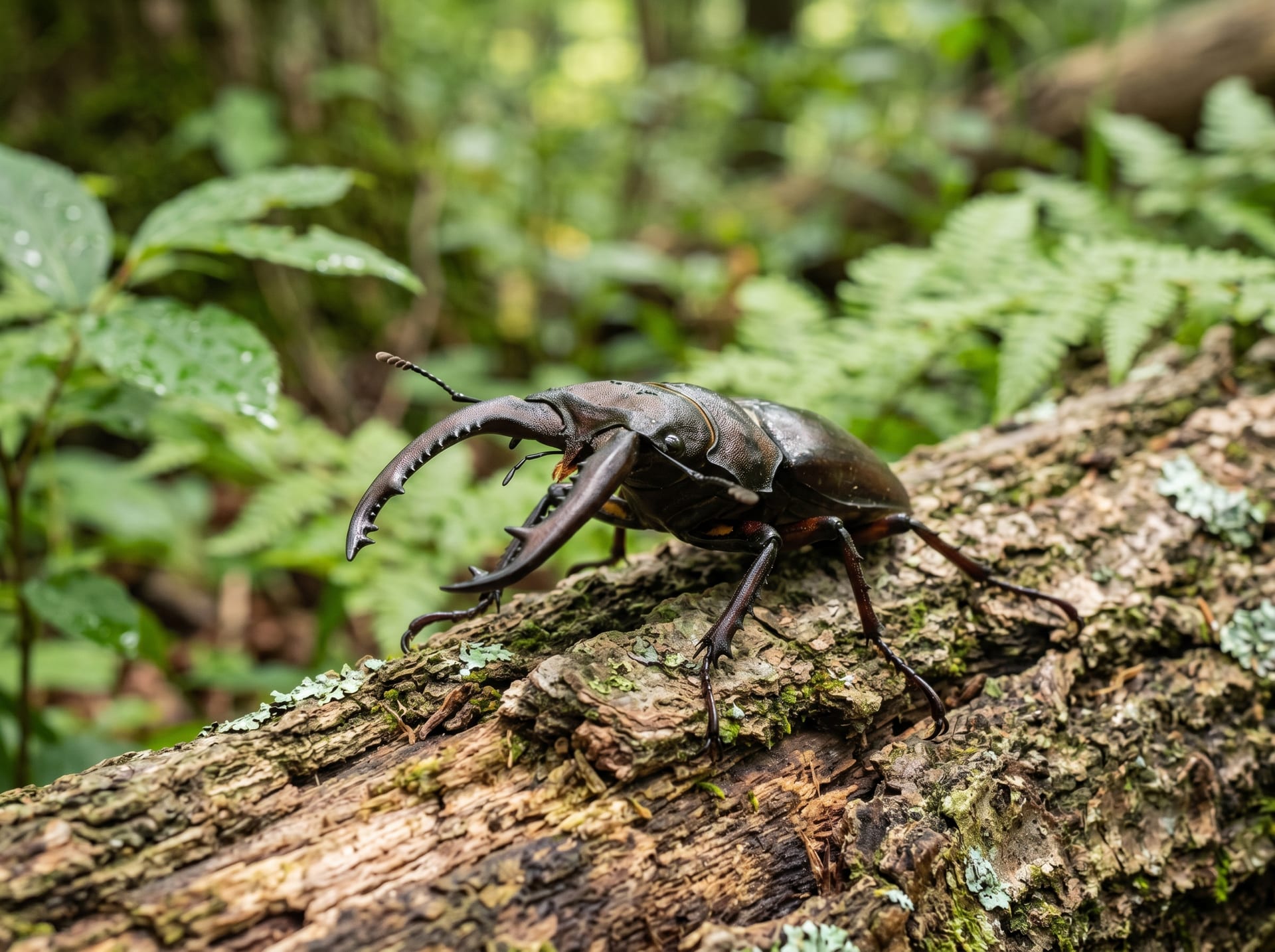
Beginner's Guide to Insect Collecting | How to Catch Rhinoceros Beetles and Stag Beetles with Proper Etiquette
A beginner's guide to collecting rhinoceros beetles and stag beetles. This article covers the best season, time of day, location selection, trap-making techniques, etiquette, and important precautions.
Key Takeaways
A beginner's guide to collecting rhinoceros beetles and stag beetles. This article covers the best season, time of day, location selection, trap-making techniques, etiquette, and important precautions.
On a summer night, walking through the woods with a flashlight in hand—insect collecting is one of the outdoor activities that captivates people of all ages, from children to adults. Rhinoceros beetles and stag beetles are particularly rewarding to catch; that moment of "I got one!" brings unparalleled satisfaction, and many people become so hooked that they return year after year. However, venturing out without a plan often results in empty-handed. With proper knowledge of their ecology and behavior, even beginners can achieve impressive results. This article provides a comprehensive guide covering seasons, locations, collection methods, and proper etiquette.
✍️
BreederDirect Editorial
The BreederDirect editorial team specializes in care information for animals, covering veterinary care and breeding to deliver beginner-friendly guides.
Find Insects on BreederDirect
Buy directly from verified breeders
Browse Related Listings
Find Insects listings related to this article on BreederDirect. Buy directly from verified breeders.
Related Tools
Related Articles
Browse by Category
🪸Coral
🐠Marine Fish
🐟Tropical Fish
🐡Goldfish
🐟Medaka
🦎Reptiles
Share
Best Seasons for Rhinoceros Beetles and Stag Beetles
Rhinoceros Beetles
Adults appear from late June through mid-August, with peak activity from mid-July through early August. They are most active on warm, humid nights, with 8 PM to 2 AM being the prime collection window. Interestingly, they tend to be more active on cooler, cloudy nights rather than during extreme heat waves. Their numbers spike sharply after the end of the rainy season, so use the rainy season's end as a good starting point.
Stag Beetles
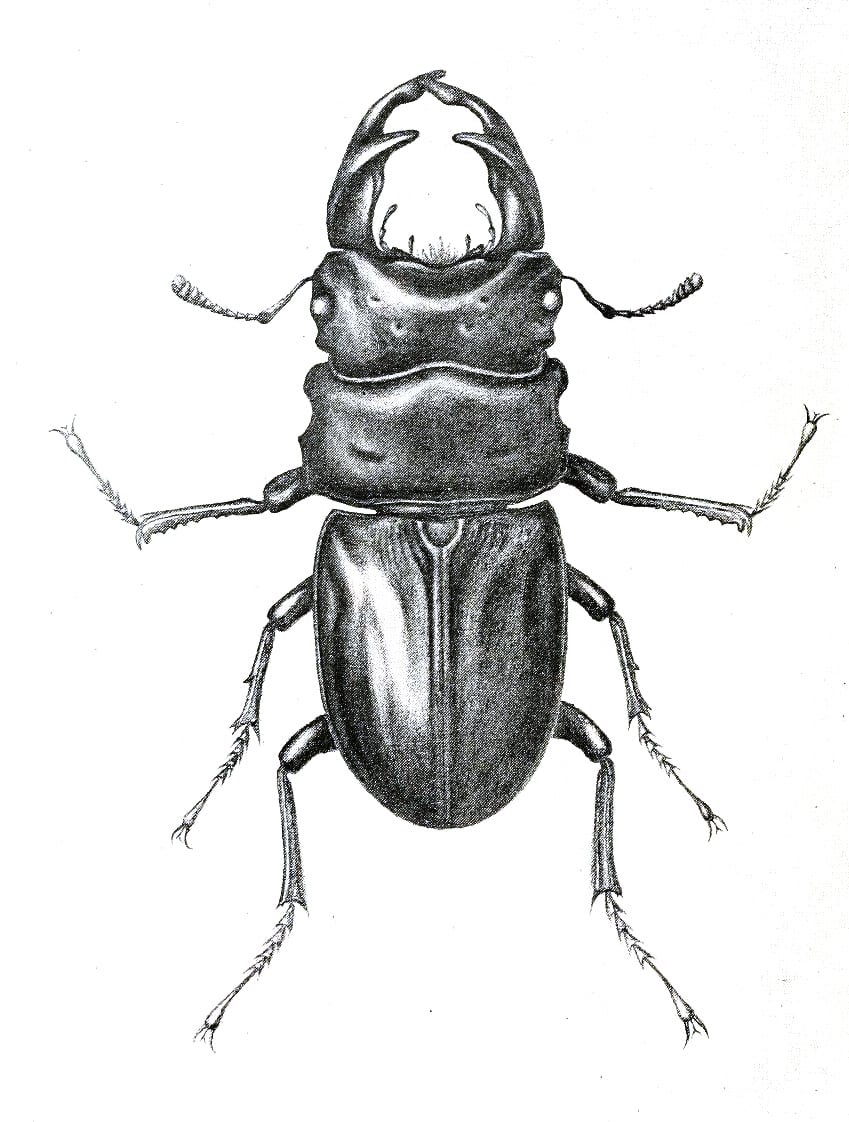
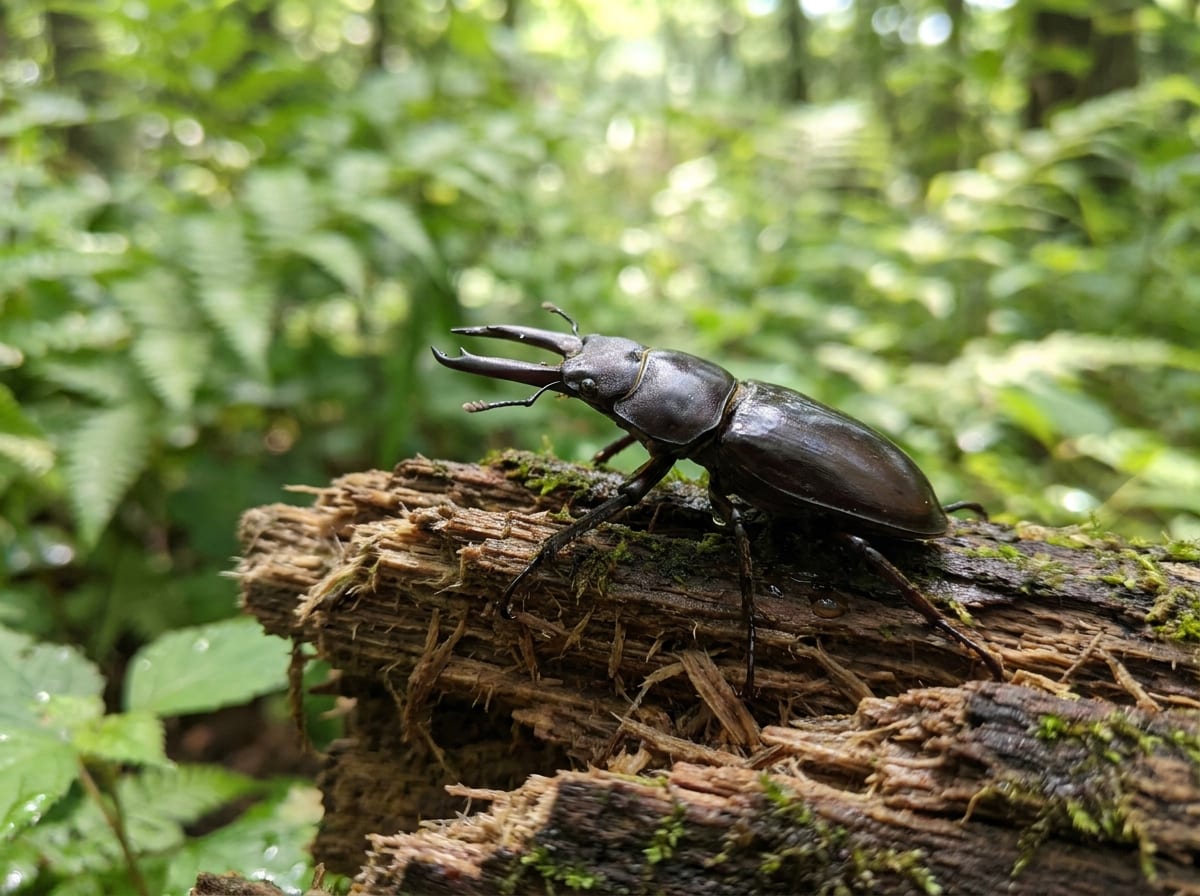
Stag beetles have different emergence periods depending on the species.
Dwarf Stag Beetles: Late May through September, with the longest season. This is the species beginners are most likely to encounter first.
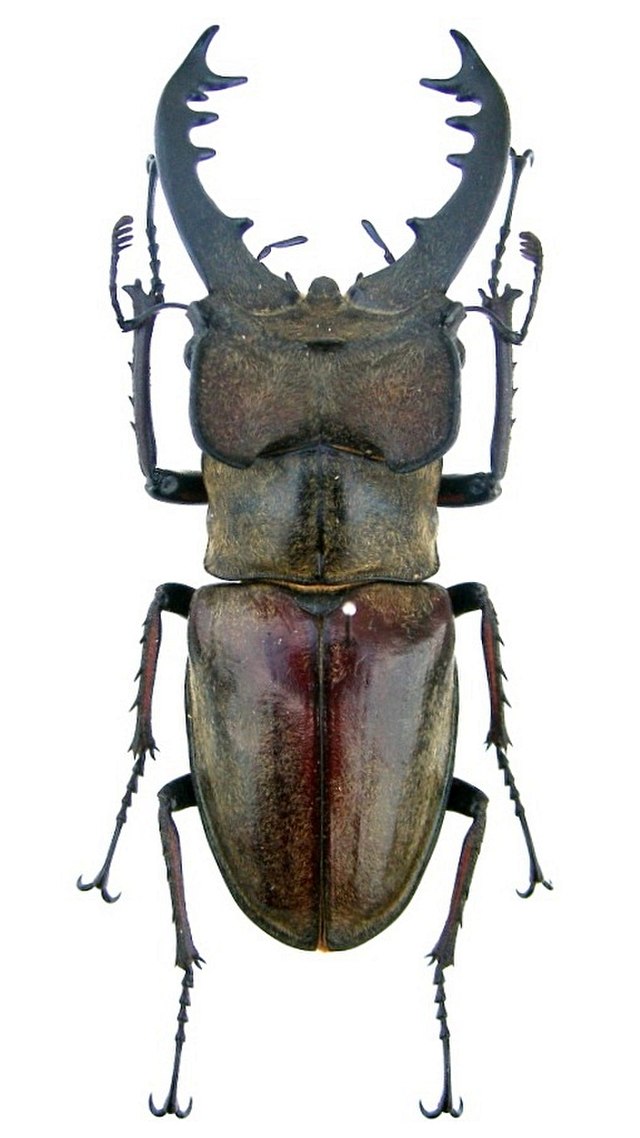
Japanese Saw Stag Beetles: June through August. Males are recognized by their distinctive large mandibles and are highly sought after.
Mountain Stag Beetles: June through July, with a shorter season. They dislike heat and are found in cooler, higher-altitude locations.
Giant Stag Beetles: July through August. These are rare and highly challenging to collect—a dream species for many collectors.
While stag beetles are primarily active at night, checking sap-flowing trees at 4–6 AM is also effective. Individuals that gathered during the night often remain there through early morning.
Choosing Collection Locations | Narrowing Down for Efficiency
Finding Trees with Flowing Sap
The primary reason beetles gather is tree sap. The two species you should focus on are:
Japanese Chinkapin Oak: A tree that produces acorns. It has rough, bumpy bark and produces abundant sap.
Japanese Red Oak: The second most productive for sap, found widely from flatlands to mountainous regions.
Trees with flowing sap are recognizable by dark, wet-looking stains on sections of the trunk and a sweet fermented smell. Trees where paper wasps, moths, and beetles are gathering are a sure sign of flowing sap, so scouting during the day helps you identify productive trees in advance.
Making Use of Location Characteristics
Woodlands and mixed forests: Rich in Japanese Chinkapin and Red Oak—the most traditional collection sites.
Near streetlights and vending machines: Exploit their positive phototaxis (attraction to light). Carefully search directly under the lights and in the surrounding grass.
Mountain areas above 500 meters in elevation: Essential for targeting Mountain Stag Beetles. Since they prefer cool environments, they're rarely found in lowlands.
It's also important to visit the same locations over multiple years. Trees that produce sap tend to do so consistently year after year, and knowing which are "productive trees" significantly boosts your collection success rate.
Mastering Three Collection Methods
① Sap Collection
This is the most traditional method. At night, bring a flashlight (a headlamp is convenient for freeing both hands) and search through the woods, carefully illuminating trees with flowing sap. Rhinoceros beetles often have their heads buried in the sap, while stag beetles hide in crevices and gaps in the bark. The key is to gently approach and slowly capture them. If you grab too quickly, they'll fall and disappear.
② Light Collection
This method involves walking around areas with strong light sources, such as streetlights and convenience store parking lots. Beetles are more attracted to mercury lamps and older UV-rich fluorescent lights, while LEDs attract fewer beetles. Since many individuals fall to the ground, pay attention to your footing as you patrol.
③ Trap Collection (Banana Traps)
This method uses fermented banana bait made by soaking banana in shochu liquor, placed in a stocking or mesh net and tied to the trunk of Japanese Chinkapin or Red Oak. The sweet, fermented aroma disperses widely and attracts beetles.
Tips for Making and Using Traps
Slice one banana into rounds and soak it in shochu (inexpensive varieties work fine) for 1–2 days.
Place it in a net and hang it on the tree in the late afternoon (around 5–6 PM).
Check the trap from 9 PM onward through the next early morning.
Always remove the trap after collection (leaving it behind is poor etiquette).
Etiquette and Safety Precautions
To enjoy collecting over the long term, respect for the natural environment and local community is essential.
Basic Etiquette
Don't over-collect: Collect only what you need and release extras on the spot. Over-collecting leads to population decline.
Respect private property and restricted areas: Woodlands and mountains have owners. In national parks and natural monument protection areas, collection may be prohibited entirely. Check in advance.
Always take trash with you: Leave no trace of traps, food scraps, or anything else.
Don't damage trees: Never carve or damage trees in an attempt to increase sap flow.
To Enjoy Safely
Hornet precautions: Avoid black clothing and strong perfume. Stay away from trees where many hornets are gathering. Some collectors carry epinephrine auto-injectors or antihistamines just in case.
Go with others: Avoid venturing into mountains alone at night—always go with at least one other person.
Gear up properly: Long sleeves, long pants, and sturdy shoes are essential. Don't forget a headlamp, insect repellent spray, and fully charged phone.
Be prepared for weather changes: Summer mountains can experience sudden downpours even at night. Carry a rain jacket.
BreederDirect's Safe and Secure System
If you'd like to collect but don't have suitable woodlands nearby, or if you want to raise rare species, consider using BreederDirect. BreederDirect is a platform where breeders from across the country sell individually raised specimens directly.
Unlike wild-caught specimens, captive-bred beetles (CB specimens) raised in breeder-managed environments are easier to assess for health and carry lower risks of mites and parasites. Moreover, species that are difficult or illegal to collect in the wild—such as Giant Stag Beetles or island populations of Japanese Saw Stag Beetles—can be legally obtained through breeders.
You can ask breeders questions directly before purchase, allowing you to thoroughly confirm care methods and individual specimen condition before completing a transaction. Even first-time keepers of stag beetles or rhinoceros beetles can start confidently with guidance from experienced breeders.
By combining summer field collecting with acquiring captive-bred specimens through BreederDirect, your relationship with beetles and insects will become richer and more rewarding.