Complete Guide to Keeping Hirata Stag Beetles | How to Raise Japan's Strongest Stag Beetle from Pairing to Adult Emergence
Thorough explanation of Hirata stag beetle care methods. From solo housing that leverages males' combative instincts, to setting up female breeding boxes, larval management in both fungal bottles and fermented substrates, to temperature control for raising large specimens—a detailed guide.
Key Takeaways
Thorough explanation of Hirata stag beetle care methods. From solo housing that leverages males' combative instincts, to setting up female breeding boxes, larval management in both fungal bottles and fermented substrates, to temperature control for raising large specimens—a detailed guide.
Related Species
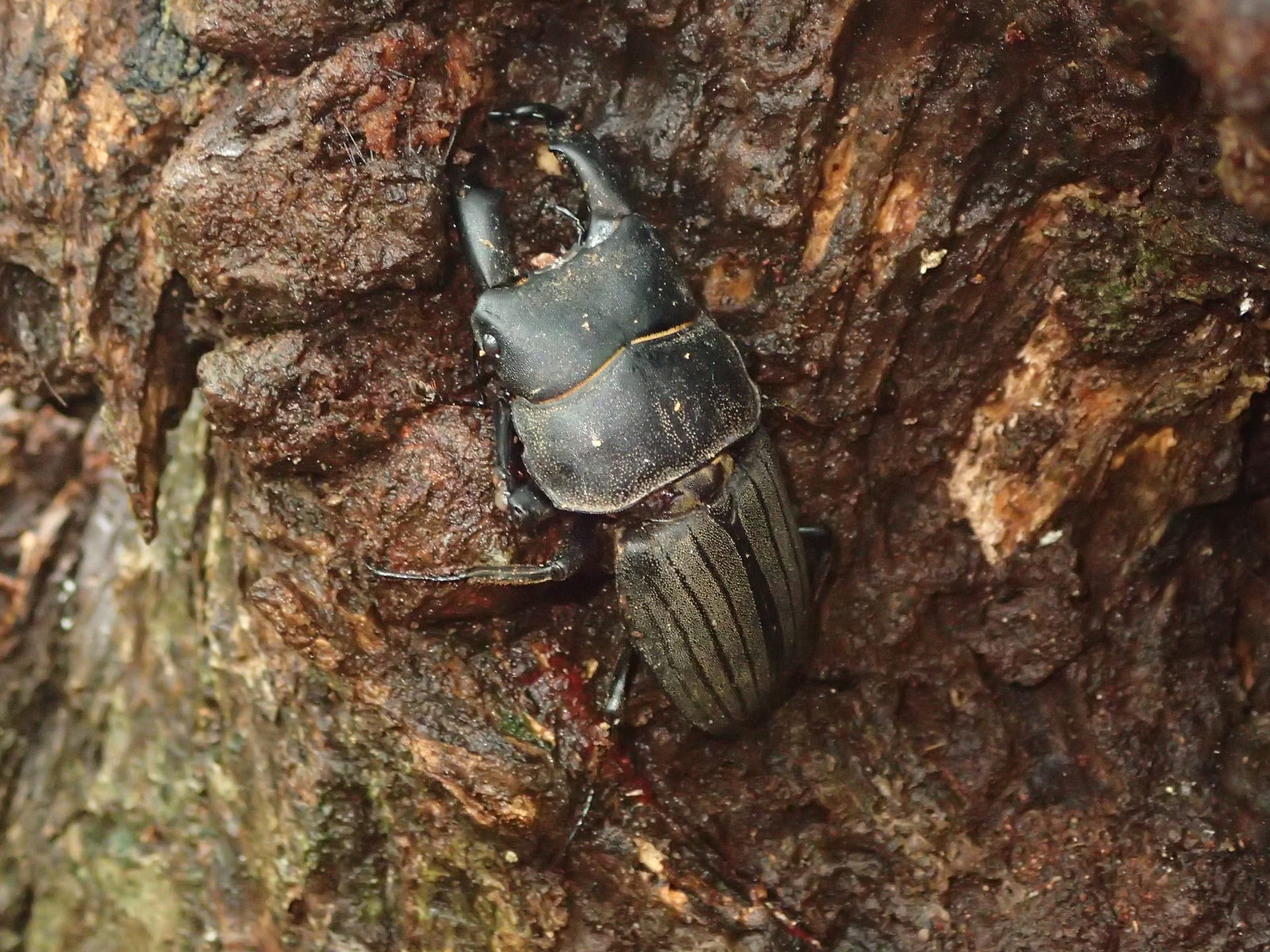
The Appeal and Characteristics of Dorcus titanus
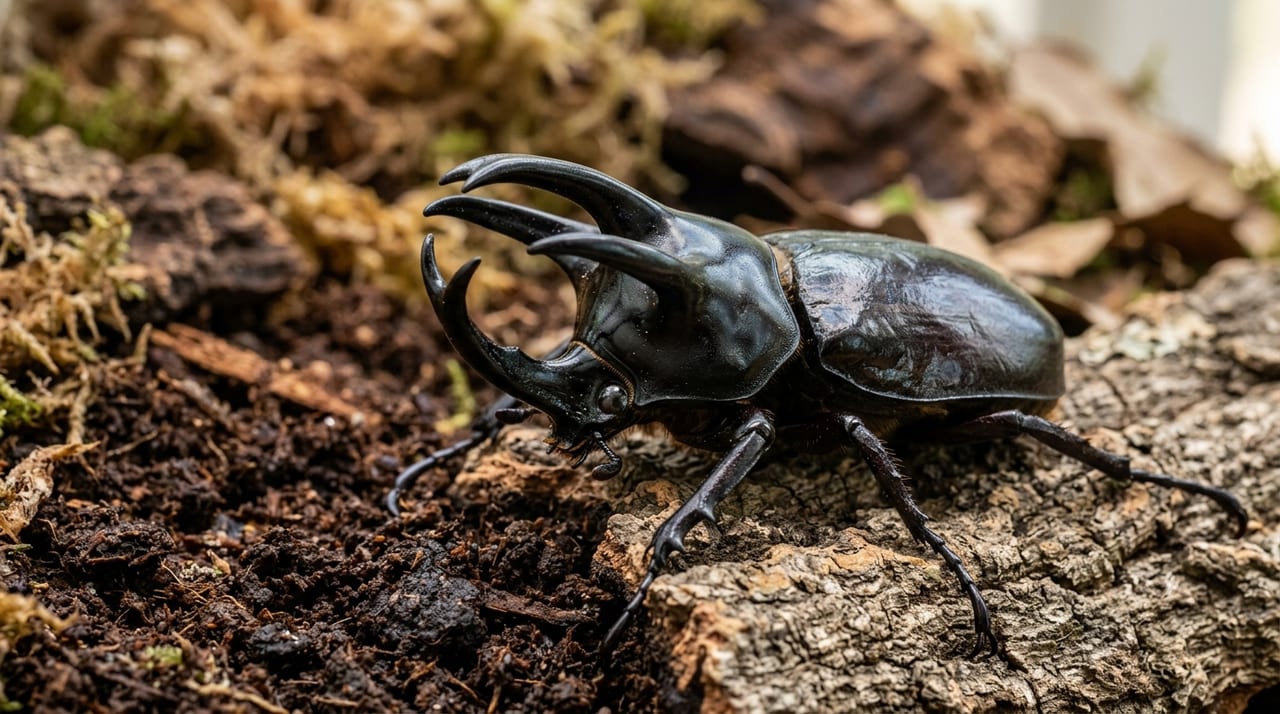
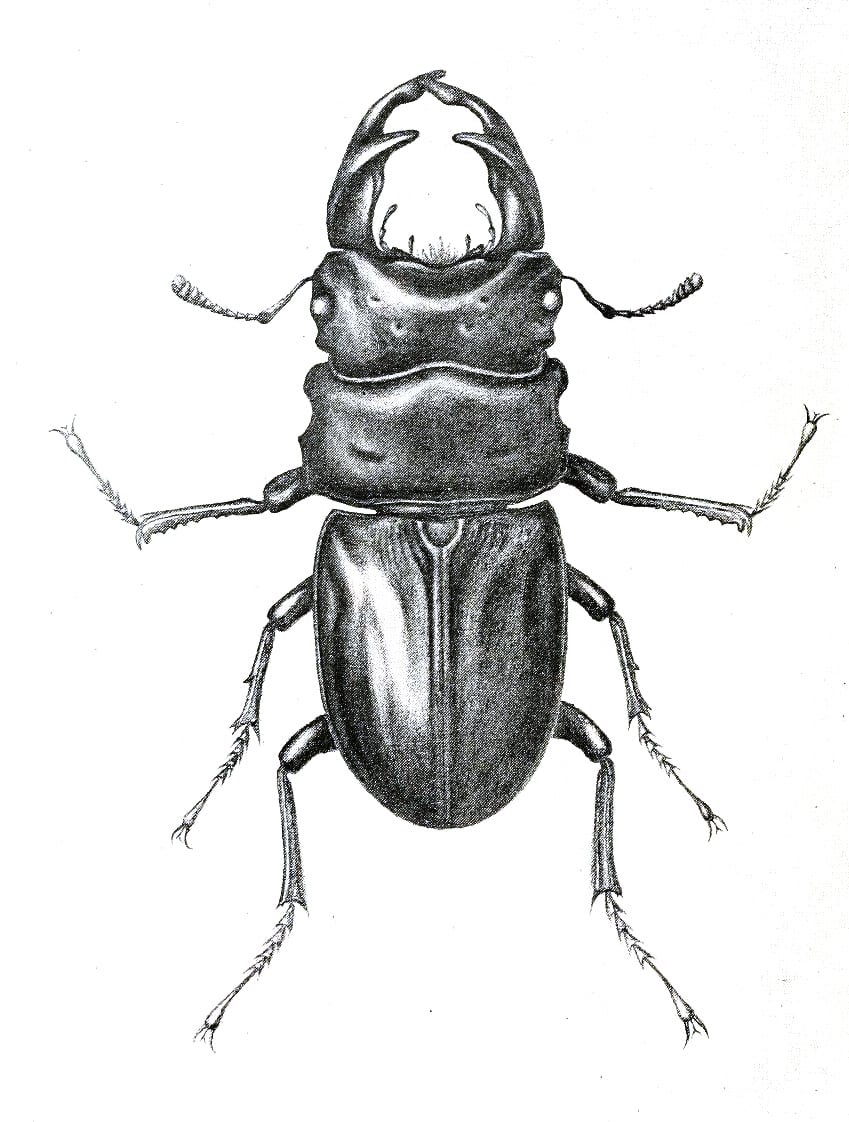
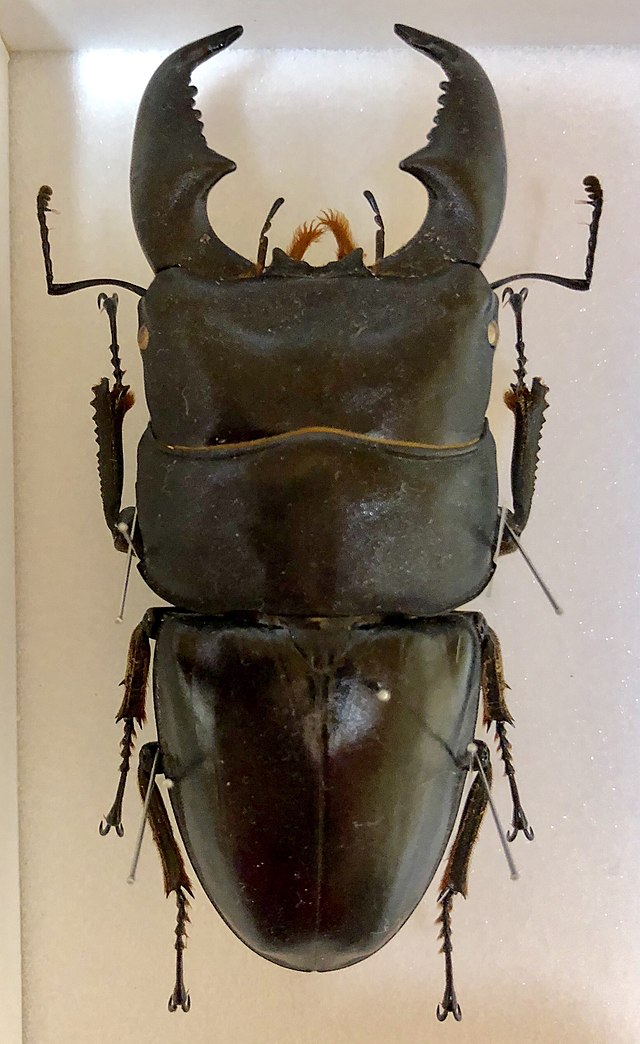
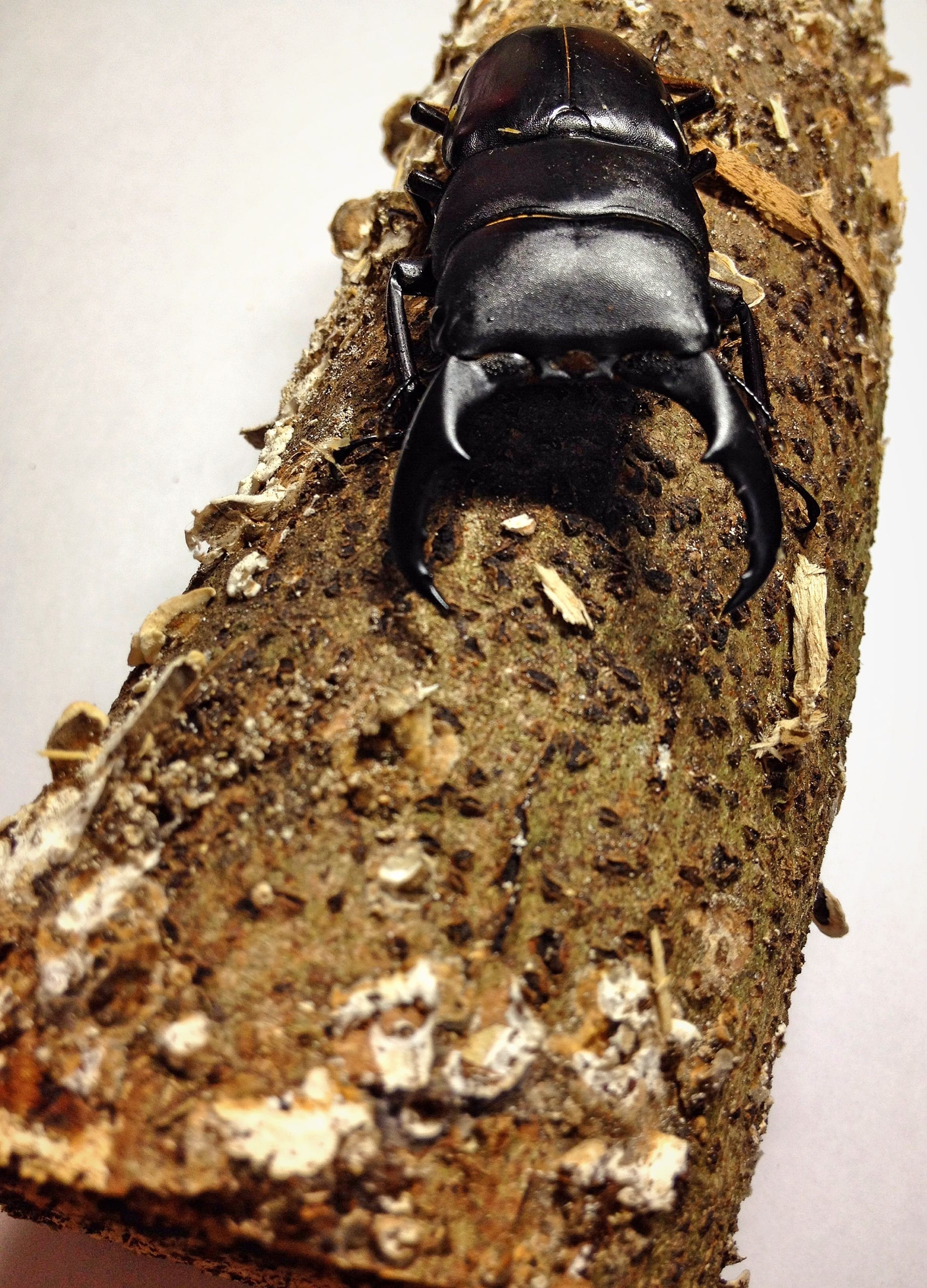
Dorcus titanus is known as the beetle species native to Japan with the strongest gripping force. It is characterized by a flattened body shape and large, well-developed mandibles (major jaws), with some males reaching body lengths of 30–80mm or more.
Domestically, they are distributed across Honshu, Shikoku, Kyushu, and the Ryukyu Islands, with subspecies varying by region. Subspecies such as the striped Hirata stag beetle (Amami and Okinawa) and Sakishima Hirata stag beetle (Ishigaki and Iriomote) are also popular, and regional differences are important factors in producing large specimens.
There are three major reasons why Dorcus titanus is popular among enthusiasts.
- Potential for Large Specimens: Through proper care techniques, you can produce individuals that exceed those found in nature
- Longevity: Adult lifespans exceed 2–3 years, allowing for long-term enjoyment
- Breeding Interest: You can repeatedly observe the larva→pupa→adult emergence cycle
Adult Care Methods
Enclosure Selection and Setup
Solo Housing for Males (Essential)
Male Dorcus titanus have extremely strong combative instincts, and placing two males in the same enclosure almost always results in intense fighting with one being killed. Males must always be housed individually—this is a fundamental rule.
- Enclosure Size: Small to medium fruit fly-proof containers (floor area 2–3 times the body length)
- Substrate: Insect bedding (fermented or adult-use substrate) laid 5–10cm deep
- Shelter: Cork bark or tree bark placed to reduce stress
Female Care
Females are relatively docile and can be housed together (though adequate space for adults is necessary).
Feeding and Food Management
- Insect Jelly (High-protein 16g–18g type): Keep 1–2 servings available as staple food
- Replacement Frequency: Every 2–3 days (check daily in summer to prevent spoilage)
- Hydration: Sufficient water is obtained from jelly, so supplemental water is unnecessary
Temperature and Overwintering Management
The optimal temperature for Dorcus titanus is 20–27°C. Activity drops above 28°C, and 30°C or higher is dangerous.
Overwintering (Hibernation)
Honshu-origin Dorcus titanus become sluggish below 15°C and enter hibernation at 10°C or lower.
- During overwintering, add plenty of substrate (bedding) to maintain moisture
- Keep food available, though they won't eat during this period
- Avoid sudden temperature changes (keep away from sunny spots and heating devices)
Pairing and Breeding Box Setup
Pairing Methods
Even after mating, male Dorcus titanus may injure females, so supervision during pairing is essential.
Hand Pairing (Recommended)
- Place male and female in the same enclosure and observe
- Success occurs when the female doesn't flee and accepts mating
- Separate male and female promptly after confirming mating
- If hand pairing fails, retry after one week
Cohabitation Pairing (Short-term Only)
- Place the female in the male's enclosure for 1–3 days
- Check daily and separate immediately if aggression toward the female is observed
Setting Up the Breeding Box
Dorcus titanus primarily lay eggs in substrate rather than wood, preferring to deposit eggs directly into bedding.
Materials:
- Fermented substrate (rhinoceros beetle type or fully mature bedding)
- Container case (medium to large fruit fly-proof containers recommended)
- One spawn log for giant beetles (to assist substrate-based egg laying)
Setup Procedure:
- Firmly pack substrate 5–8cm deep (compacted enough to hold shape when pressed)
- Place one hydrated, debarked spawn log horizontally
- Cover the spawn log with approximately 5cm more substrate
- Add the female and maintain for approximately 1–1.5 months (ideal temperature around 25°C)
- Disassemble the setup and retrieve larvae
Either kawara or oak wood can be used for spawn logs. Whether to fully or partially bury the log is a matter of preference.
Larval Care Methods
Larval Stages and Instars
Larvae progress through first, second, and third instars.
| Instar | Duration | Weight Range |
|---|---|---|
| 1st | 2–3 weeks | ~1g |
| 2nd | 1–2 months | 1–10g |
| 3rd | 3–10 months | 10g–40g+ |
Choosing a Rearing Method
Fungal Bottle Rearing (Emphasizing Large Specimens)
Fungal bottles provide high nutritional value for Dorcus titanus larvae and are ideal for raising large specimens.
- Fungal Types: King oyster mushroom strains with a track record for flat-horned beetles (oyster and polypore types are unsuitable)
- Bottle Size: 500cc through 2nd instar, 800–1400cc from 3rd instar onward
- Replacement Schedule: Change to a fresh fungal bottle every 3–4 months (change earlier if deterioration is observed)
- Caution: If larvae don't adapt to fungal bottles (thrashing or darkening), switch to fermented substrate
Fermented Substrate Rearing (Emphasizing Stability)
For individuals that don't adapt to fungal bottles or when cost is a concern, fermented substrate rearing is reliable.
- Substrate Type: Fully matured fermented bedding for rhinoceros beetles or Hirata stag beetle substrate
- Container Size: Approximately 500cc through 2nd instar, 1.5–2L containers for 3rd instar
- Replacement Schedule: Every 2–3 months (change when frass accumulates)
Raising Large Specimens Through Temperature Management
Temperature management during the larval stage greatly affects final adult size.
| Temperature Range | Effect |
|---|---|
| 20–23°C (Low-temperature management) | Slower growth promotes larger weight gain |
| 24–27°C (Standard management) | Balanced development |
| 28°C+ | Rapid growth tends to produce smaller individuals |
To produce large individuals, establishing a "low-temperature period" where the late 3rd instar (3–4 months before pupation) is maintained at 20–22°C has proven effective.
Pupation and Adult Emergence Management
Once larvae begin constructing pupation chambers, minimize enclosure movement and vibration.
- Checking Pupae: The pupated form may be visible from the sides or bottom
- If Thrashing Begins in Fungal Bottles: This may signal pupation. Transfer to a substrate-filled container to allow for pupation chamber construction
- Feeding After Emergence: Adults typically begin feeding 3–6 months after emergence
- Wait for Activity: Before feeding begins, handle adults minimally and keep them in a quiet location
Conclusion
Dorcus titanus is among the most impressive native Rhinoceros beetles. By mastering key points at each care stage—managing males' combative behavior, optimizing breeding box setup, and controlling temperature during larval development—you can experience the joy of producing specimens that exceed those found in nature. The species' long lifespan of 2+ years is another major appeal of Dorcus titanus keeping.