Complete Hercules Beetle Care Guide | How to Keep Them Healthy from Larva to Adult
Comprehensive guide to Hercules beetle rearing from larvae (substrate and fungal medium) through adult management and breeding. Introduction to temperature control, substrate changes, and tips for raising large specimens.
Key Takeaways
Comprehensive guide to Hercules beetle rearing from larvae (substrate and fungal medium) through adult management and breeding. Introduction to temperature control, substrate changes, and tips for raising large specimens.
Complete Hercules Beetle Care Guide | How to Keep Them Healthy from Larva to Adult
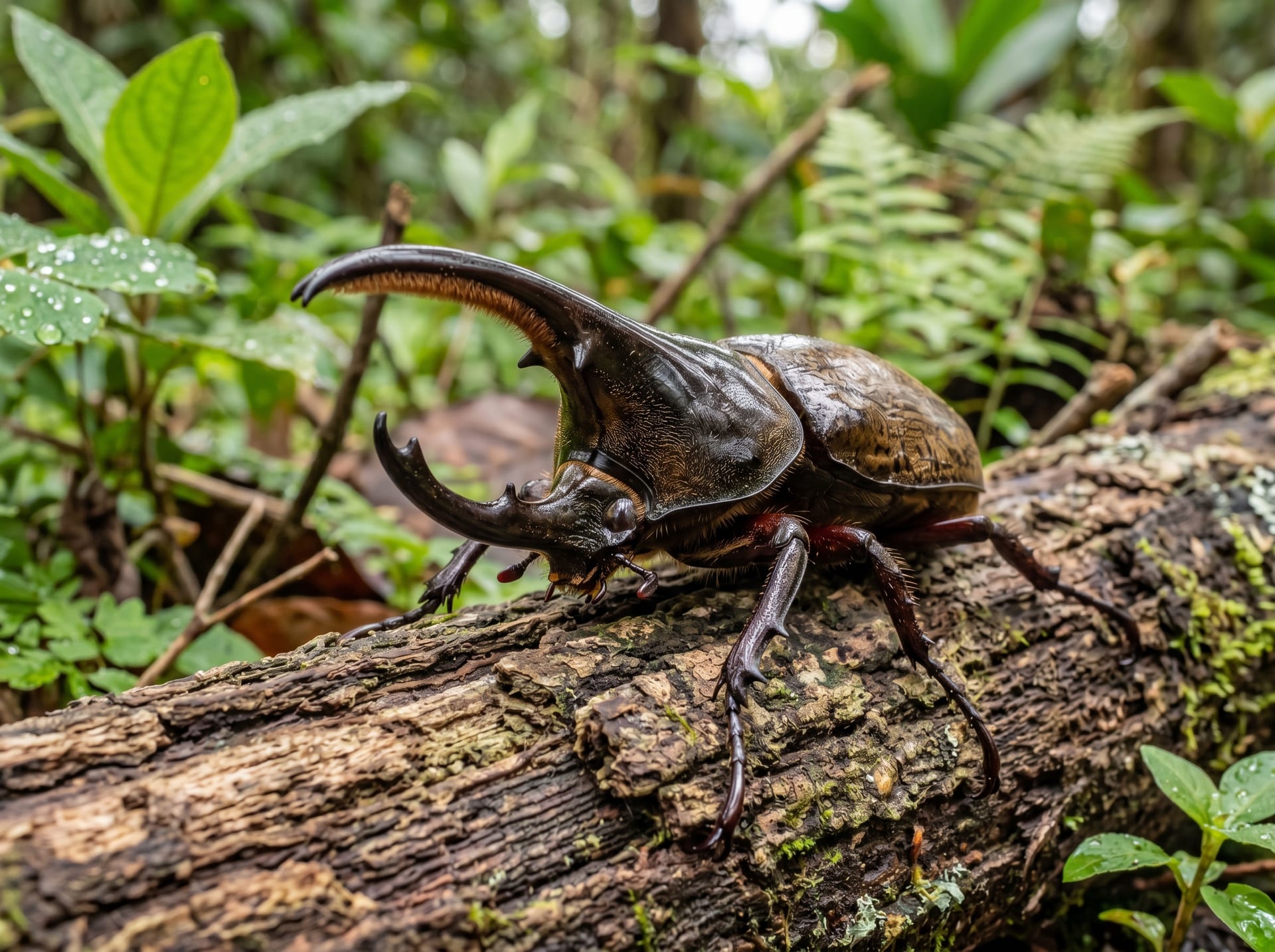
Hercules beetles are famous as the world's largest beetles and are highly prized by collectors and enthusiasts. Raising this giant insect, native to South America and the Caribbean, in Japan requires proper environmental management and careful nutrition during the larval stage. This article provides a comprehensive guide to Hercules beetle rearing from larva through adult management.
✍️
BreederDirect Editorial
The BreederDirect editorial team specializes in care information for animals, covering veterinary care and breeding to deliver beginner-friendly guides.
Find Insects on BreederDirect
Buy directly from verified breeders
Browse Related Listings
Find Insects listings related to this article on BreederDirect. Buy directly from verified breeders.
The bedding material used for Hercules beetle larvae significantly influences final adult size.
Fermented substrate rearing:
- Recommended substrate: Well-decomposed fermented substrate or fully mature substrate (Hercules-specific)
- Advantages: Relatively inexpensive; low failure risk
- Disadvantages: Growth slower than fungal medium; final size may be smaller
Fungal medium rearing:
- Recommended fungi: Kawara fungal medium, oyster mushroom medium (certain specialty media)
- Advantages: Effective for raising large specimens
- Disadvantages: Expensive; complex management
Substrate recommended (especially for beginners):
Many experienced keepers find that Hercules beetles perform better on fermented substrate than fungal medium, offering good cost-performance balance and stability.
Containers and Substrate Changes
Container size by larval stage:
Larval Stage
Recommended Container
Substrate Amount
1st–early 2nd instar
1.4L bottle or larger
Nearly full
Late 2nd–early 3rd instar
3–5L container
Nearly full
Mid to late 3rd instar
10–30L container
Generous
Substrate change frequency and precautions:
- Change every 1–3 months as a guideline (when frass becomes abundant)
- Record larval weight during changes (indicator of growth progress)
- Avoid disturbance for 2–3 days after change (never change just before pupation)
Temperature management tips:
- Summer: Use cooling fan, cooler box, or air conditioning
- Winter: Use heat panel or insulation to maintain 18°C or above
- Temperature during larval stage directly determines final adult size
Larval Sex Determination and Management
Once 3rd instar, males and females can be distinguished by white spots (testis shadow) on the abdomen.
Male: Small white spot visible on abdominal segment 6 (testis)
Female: No visible testis
Males raised in larger substrate containers tend to grow larger.
Pupation and Emergence Management
Pre-pupation and Pupation Care
Once the larva begins building a pupal chamber (underground cavity), do not perform any substrate changes.
Signs of pupation:
- Loss of appetite; wandering across substrate surface
- Yellowish discoloration of larva (pre-pupation)
- Pupal chamber formation (hardened substrate areas)
Artificial pupal chamber construction:
If the natural pupal chamber collapses or forms at the bottle bottom, an artificial chamber is necessary.
Prepare a commercial artificial chamber (Hercules-sized)
Or create a large spherical depression using substrate or foam
Gently place pupa with horn facing upward
Maintain 22–25°C and 60–70% humidity
Post-emergence Care
Newly emerged adults have soft bodies requiring 2–4 weeks to harden.
Post-emergence precautions:
- Do not shake the container for 2–4 weeks after emergence
- First feeding typically begins 1–2 months after emergence
- Breeding should begin 1–2 months after first feeding
Adult Care Management
Container and Environment
Item
Recommendation
Container size
60L or larger (for males)
Substrate
Broad-leaved fermented substrate (10–15 cm depth)
Temperature
20–28°C (optimal around 25°C)
Humidity
60–70%
Male-female cohabitation:
- Keeping a mated female with a male long-term increases female stress
- House separately if breeding is not intended
Food and Nutrition
Main foods:
- Insect jelly (high-protein; fruit-type best for adult health)
- Banana, apple (natural food options)
- Commercial specialty jelly (cheap, high-sugar products may shorten healthy lifespan)
Feeding frequency: One piece every 1–2 days (remove uneaten food)
Longevity Tips
Hercules beetle adult lifespan varies greatly depending on care methods.
Lifespan extension tips:
1. Proper temperature: 25–27°C (excessive heat shortens lifespan)
2. Stress reduction: Avoid excessive handling
3. Quality diet: Jelly with good protein-to-fructose balance
4. Clean environment: Address substrate degradation and ammonia odors promptly
5. Appropriate humidity: Avoid both drying and excess moisture
Breeding Essentials
Mating Method
Pair males and females 1–2 months after their first feeding
Place together in a container under supervision; separate immediately after confirming mating (reduces female stress)
Egg-laying duration: 1–2 months (collect eggs when complete)
Summary
Hercules beetles are known for their challenging care requirements, but proper temperature management, high-quality substrate and fungal media during larval rearing, and diligent adult environmental care enable successful emergence of large specimens and extended captive lifespan.
Temperature and nutrition management during the larval stage determines final adult size, making the 3rd instar environment particularly critical. For large specimen success, large-capacity containers, high-quality fermented substrate, and maintained appropriate temperature are key factors.