How to Raise Telescope Goldfish and Ranchus | Tips for Keeping Round-Bodied Goldfish Healthy
A guide to breeding round-bodied goldfish such as telescope goldfish and ranchus. Covers how to manage protruding eyes and weak digestion due to short intestines, water quality management, prevention of swim bladder disease, and proper feeding techniques.
Key Takeaways
A guide to breeding round-bodied goldfish such as telescope goldfish and ranchus. Covers how to manage protruding eyes and weak digestion due to short intestines, water quality management, prevention of swim bladder disease, and proper feeding techniques.
Related Species

Characteristics and Basic Care of Telescope Goldfish and Ranchus
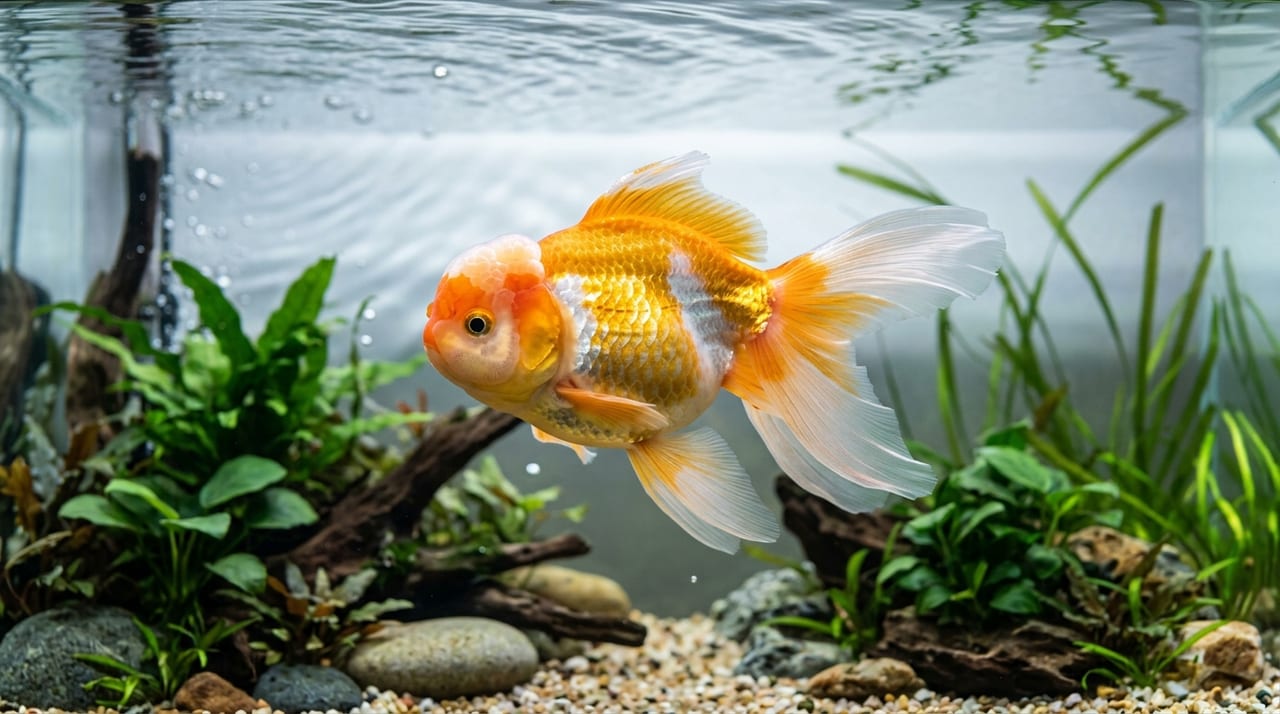
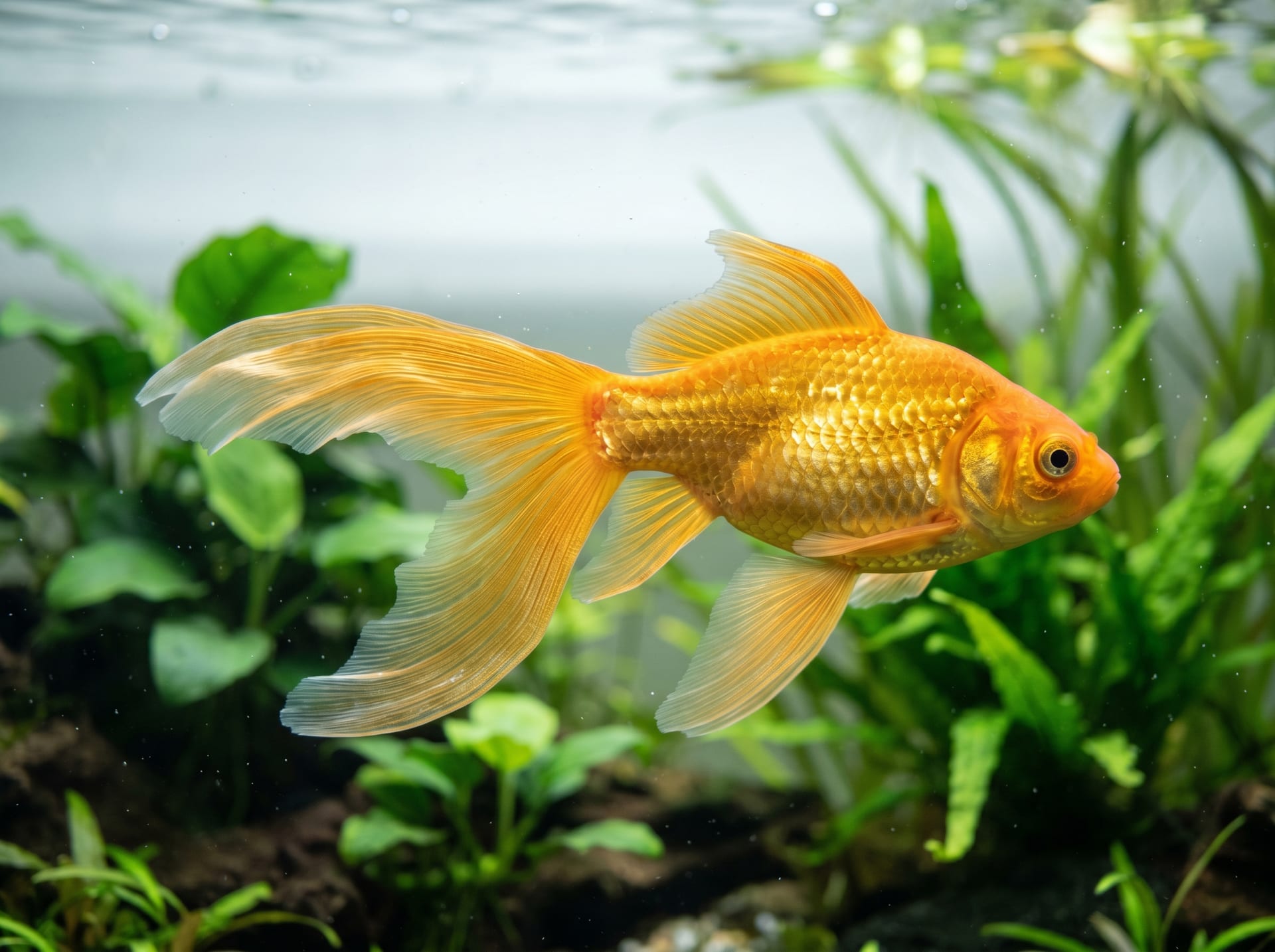
Telescope goldfish (Demekin) and ranchus (Ryuukin) are two of the most popular goldfish varieties in Japan, alongside fantails and comets. Both are characterized by their rounded, bulbous body shape (round-bodied goldfish), and their charming appearance makes them highly sought after.
However, this rounded body shape brings several important care considerations.
Telescope Goldfish (Demekin): Their defining feature is the large, protruding eyes extending from the head. These protruding eyes are delicate and easily injured, so sharp-edged layout materials must be avoided. They come in various color variations, including tricolor, black, and blue.
Ranchus (Ryuukin): These have a tall, compact, egg-shaped body. They are known to be particularly prone to swim bladder disease (caused by abnormalities in the swim bladder).
Tank Environment Suitable for Round-Bodied Goldfish
Tank Size and Water Volume
Round-bodied goldfish move more slowly than fantails and consume more oxygen, making it essential to maintain adequate water volume. A 60cm tank (60L) is appropriate for 2-3 fish.
Filter and Water Flow
Round-bodied goldfish do not tolerate strong water currents well. Adjust the water flow by directing the outlet of an overhead or external filter toward the tank wall to reduce current strength.
Layout Considerations
The eyes of telescope goldfish are extremely delicate. Avoid sharp rocks, driftwood edges, and sharp plastic materials, and choose rounded layout materials instead.
Feeding and Digestive Management
Round-bodied goldfish have a tendency toward digestive issues due to intestinal compression caused by their body shape.
Food Selection: Sinking pellets or sinking flakes are recommended. Floating food causes fish to ingest large amounts of air, which can lead to swim bladder disease.
Feeding Frequency: Once or twice daily, feeding only the amount that can be consumed within 3 minutes. Remove any uneaten food immediately.
Fasting Days: Designate one day per week as a fasting day to reset the intestinal system and help prevent digestive disorders and swim bladder disease.
Prevention and Treatment of Swim Bladder Disease
Swim bladder disease occurs when the swim bladder malfunctions, causing the fish to float upside down or remain at the surface. It is commonly seen in round-bodied goldfish such as ranchus and telescope goldfish.
Prevention Strategies:
- Use sinking food
- Avoid overfeeding
- Avoid sudden temperature fluctuations
- Salt baths at 0.3-0.5% salinity can sometimes improve mild symptoms
Mild cases may improve with fasting, salt baths, and maintaining water temperature at 25-26°C. For severe cases, consult a veterinary specialist.
Water Temperature Management and Seasonal Care
Round-bodied goldfish can be kept at 15-25°C, but sudden temperature changes are their biggest enemy. In summer, use a cooling fan to prevent temperatures from exceeding 28°C, and in winter, use a heater to keep temperatures above 10°C.
Summary
The key to successfully raising telescope goldfish and ranchus is "digestive management" and "careful consideration of water flow and layout." By understanding the characteristics of the round-bodied form and providing an appropriately designed environment, you can enjoy these charming fish for many years to come.